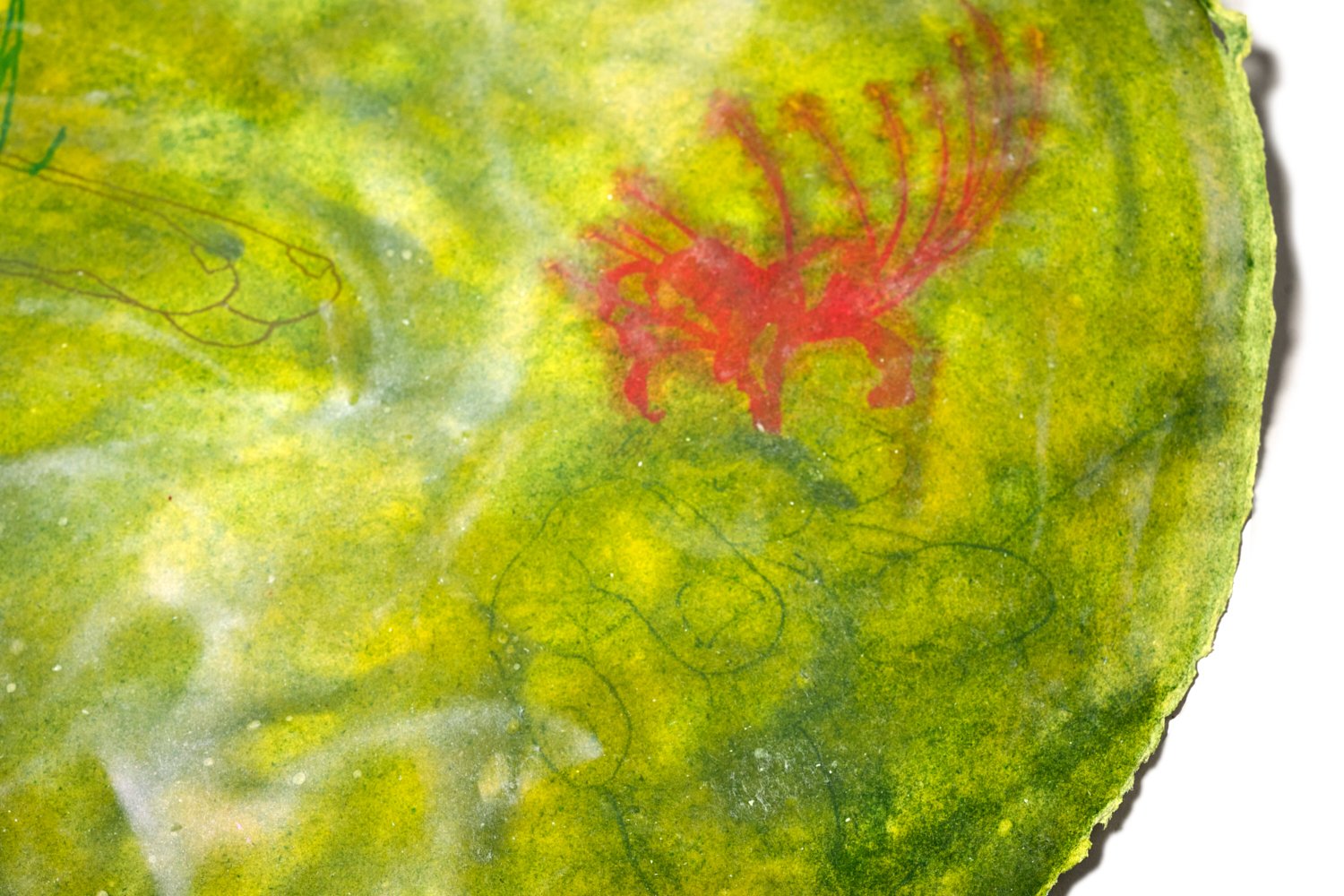
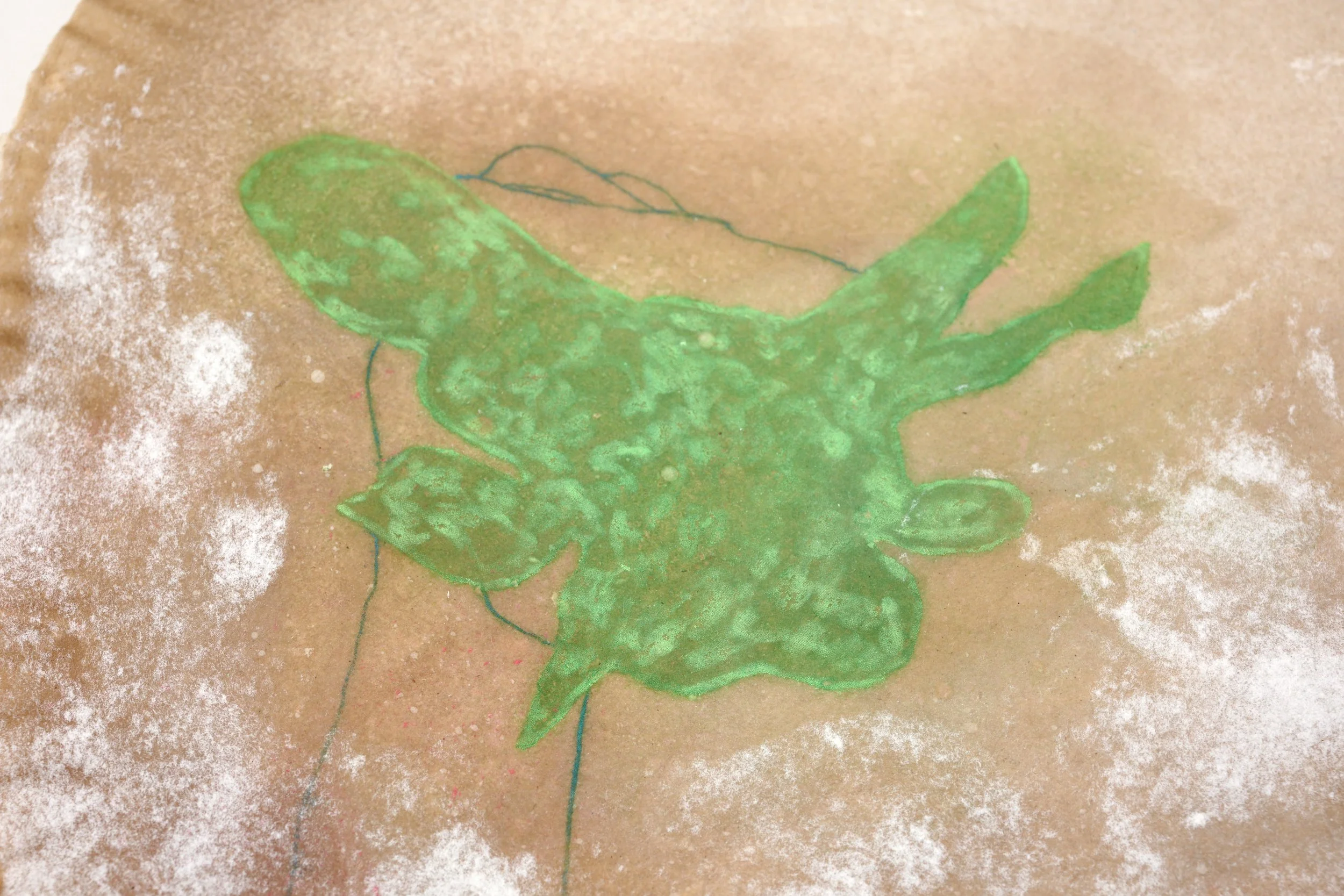
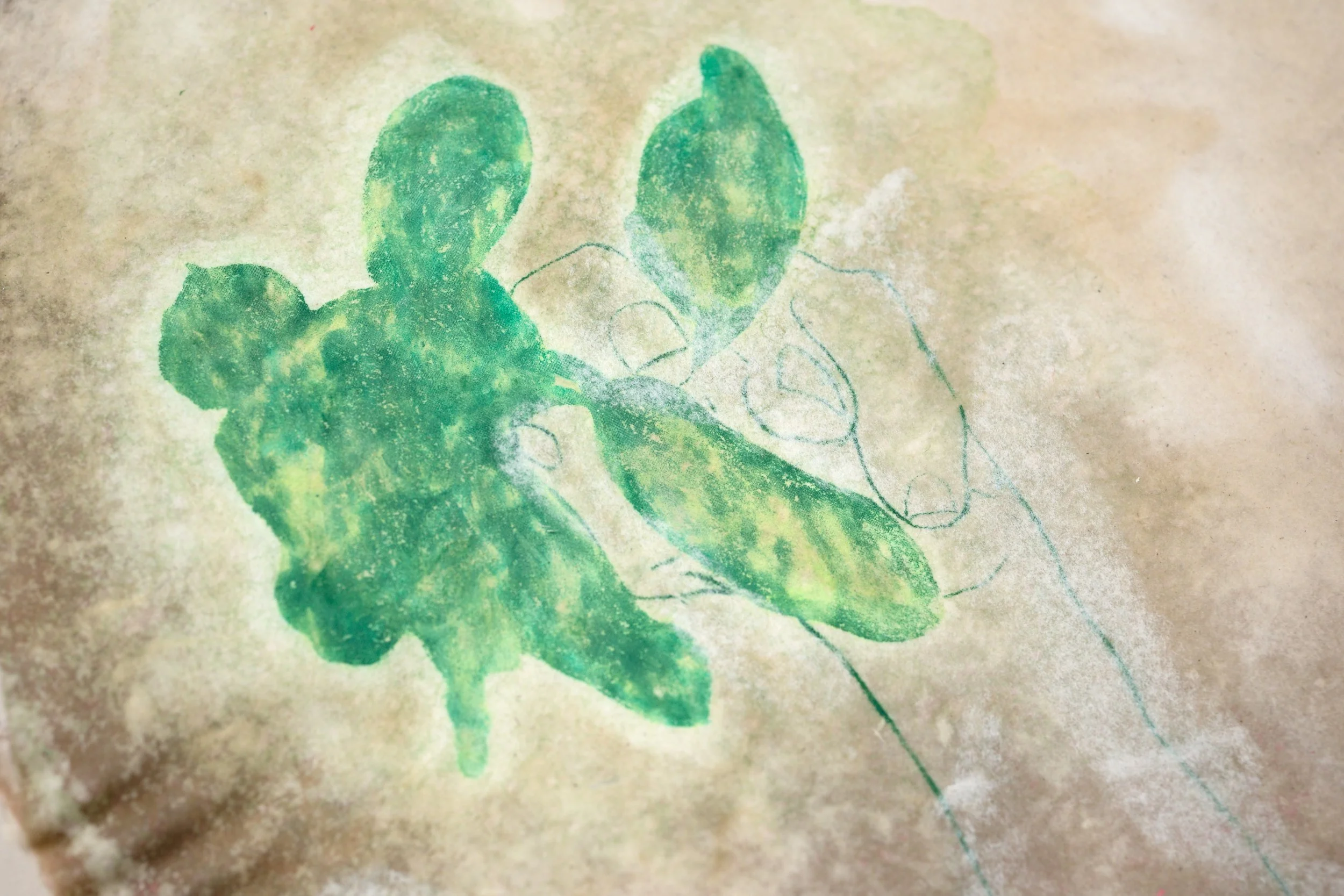
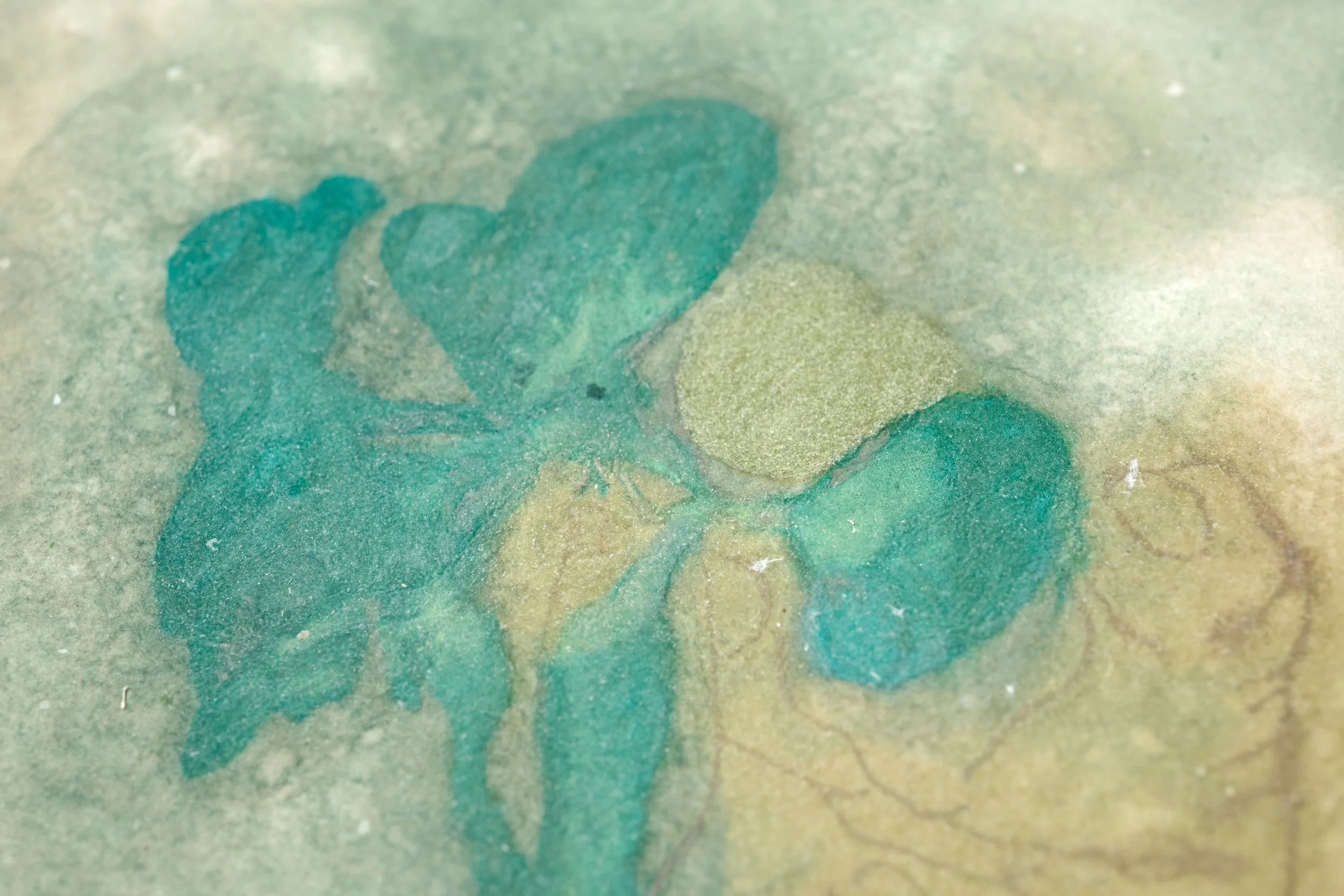
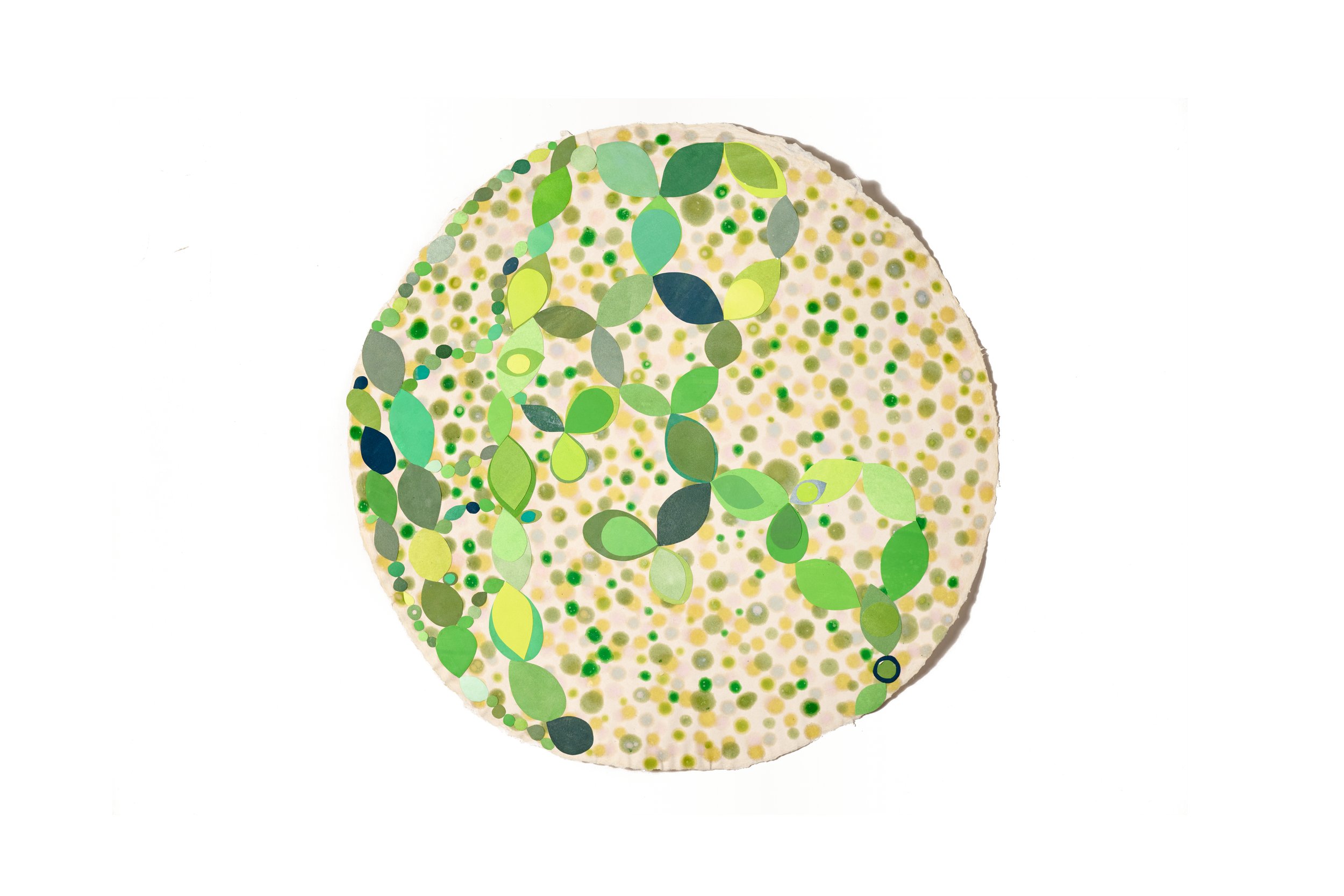
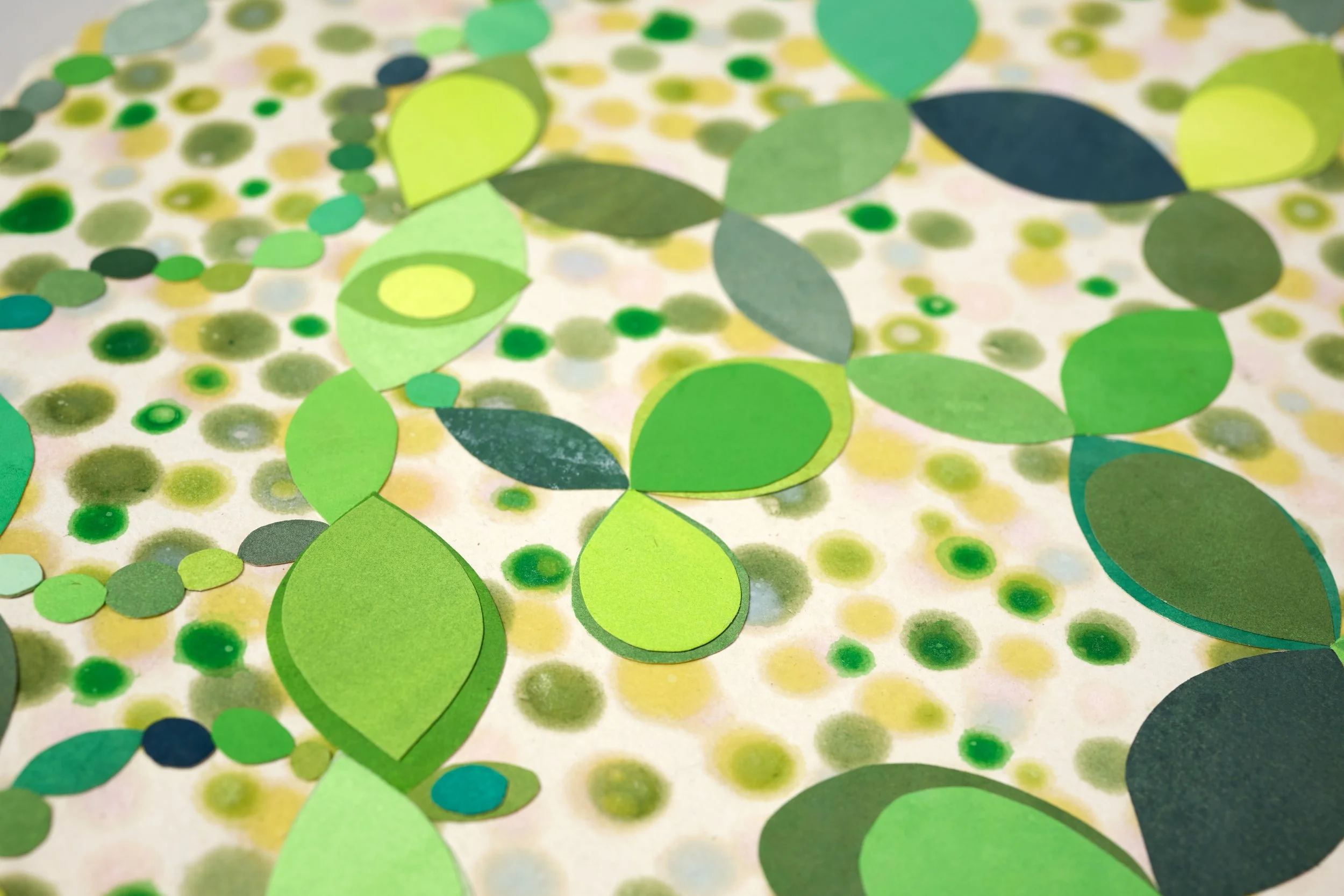
Somos los colores de la tierra / Includes details of the work
Pulp painting and silkscreen monotypes on pigmented linen, cotton and abaca fibers. 13.5 inches diameter, Rosendale, NY, 2025


Somos los colores de la tierra (mi cuerpo, espíritu, luz, agua y materia) / front and back of artwork
Over-beaten cotton, linen and abaca fibers with pigments. 17 inches diameter, Rosendale, NY, 2025
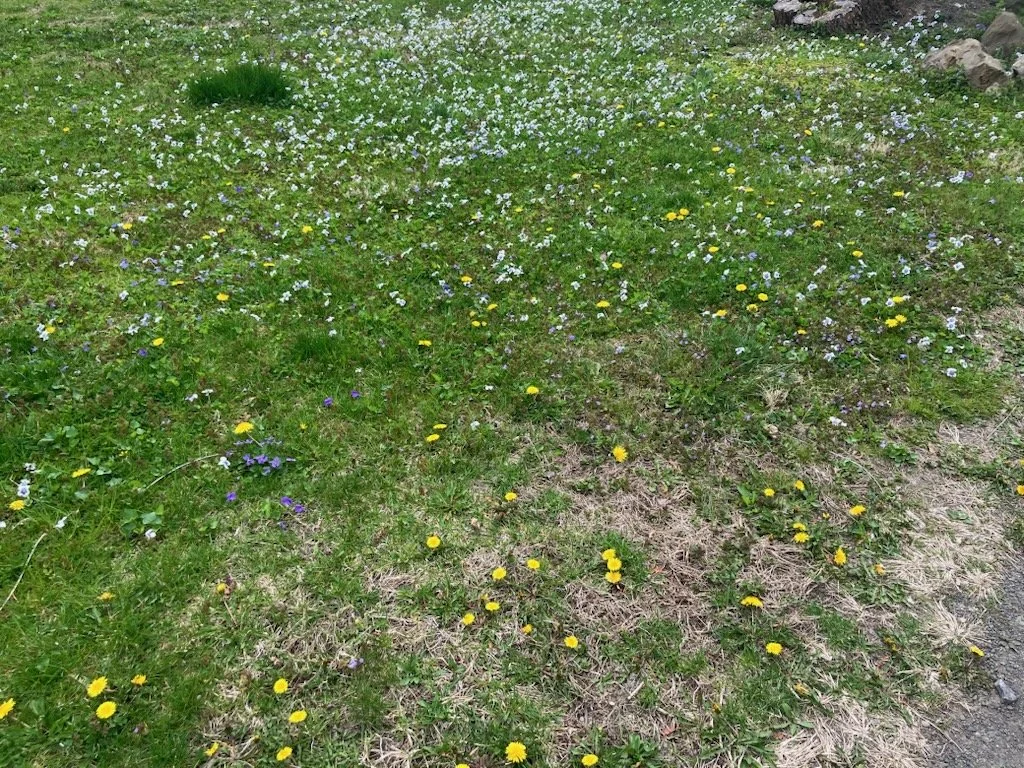
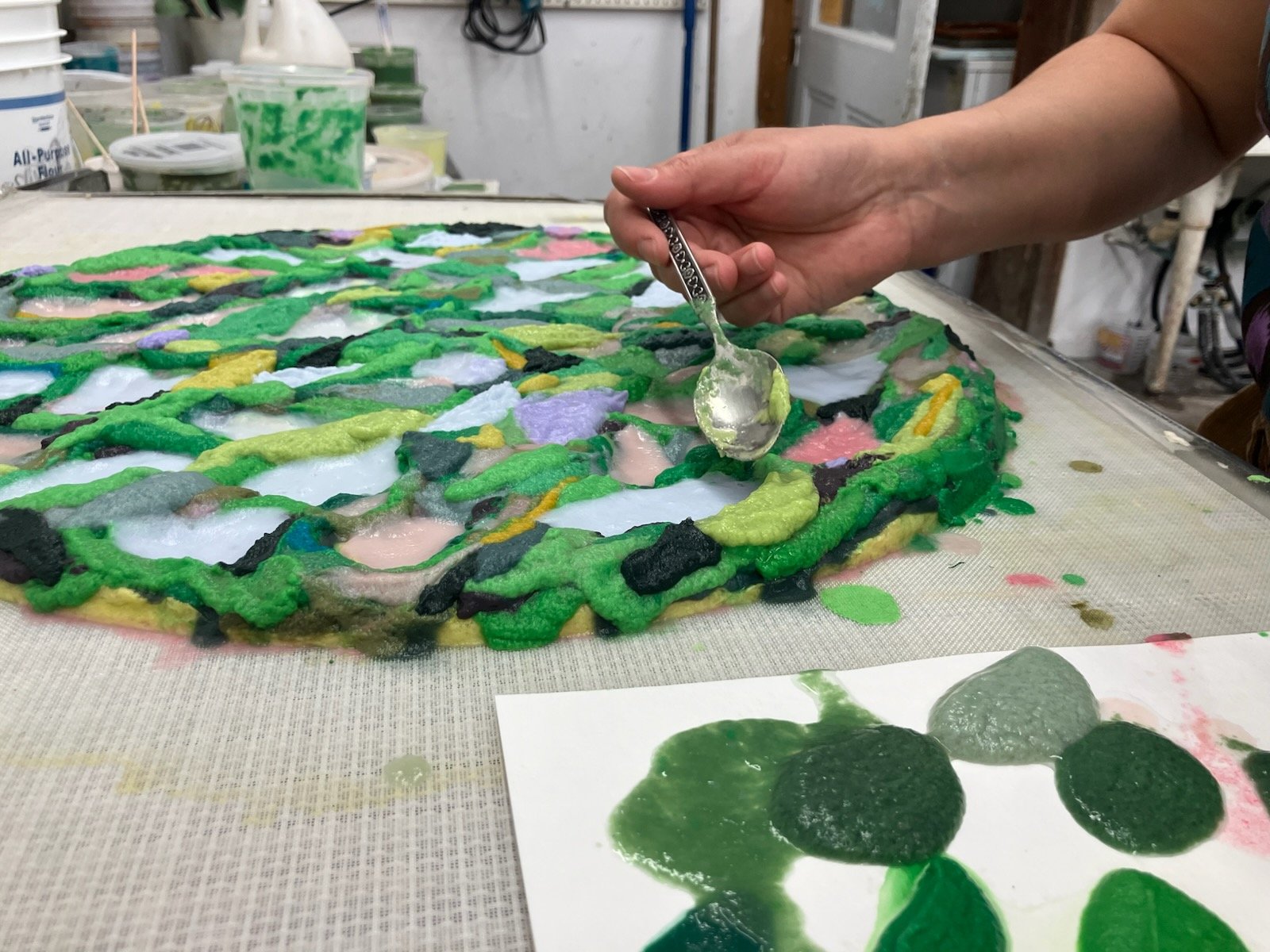
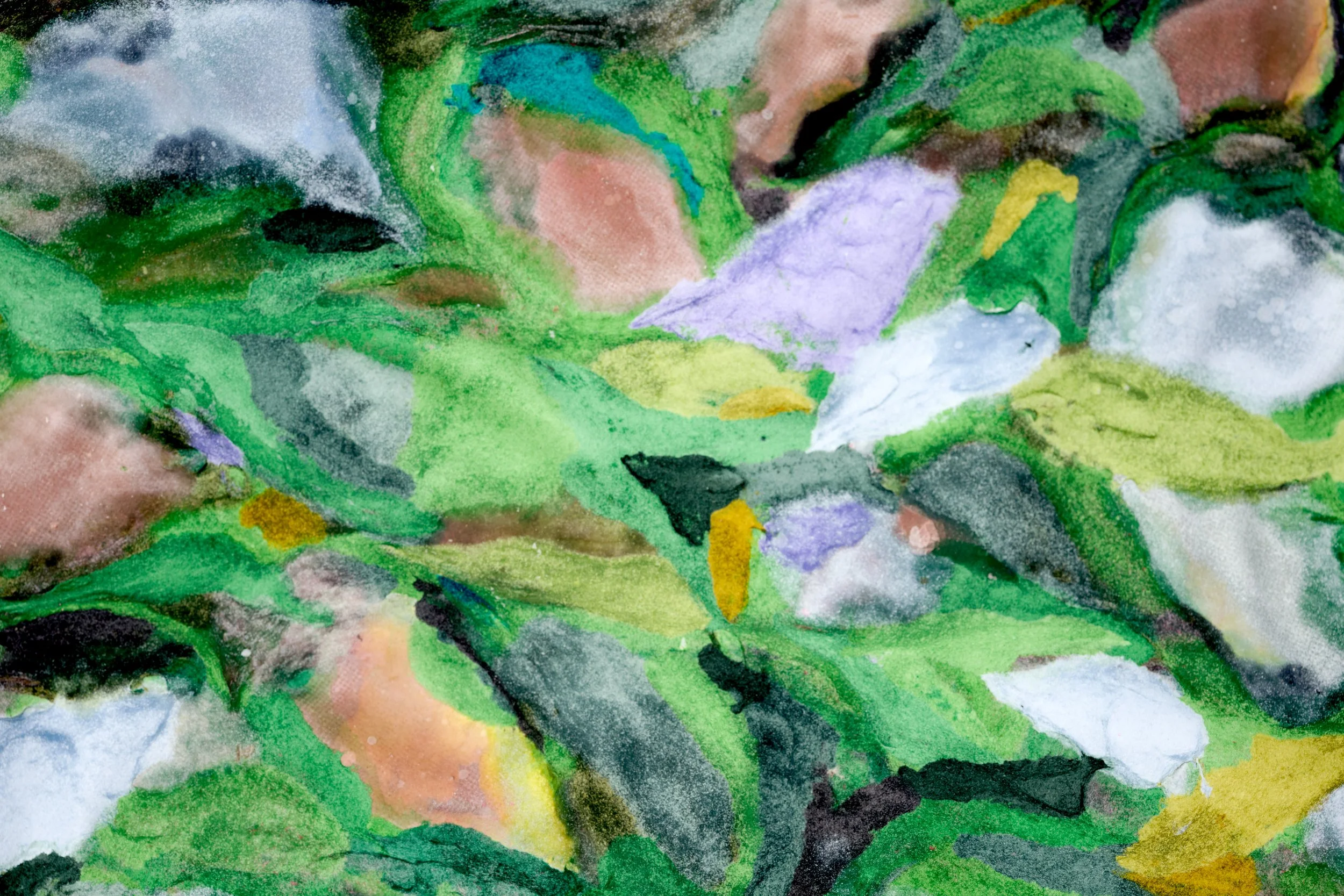
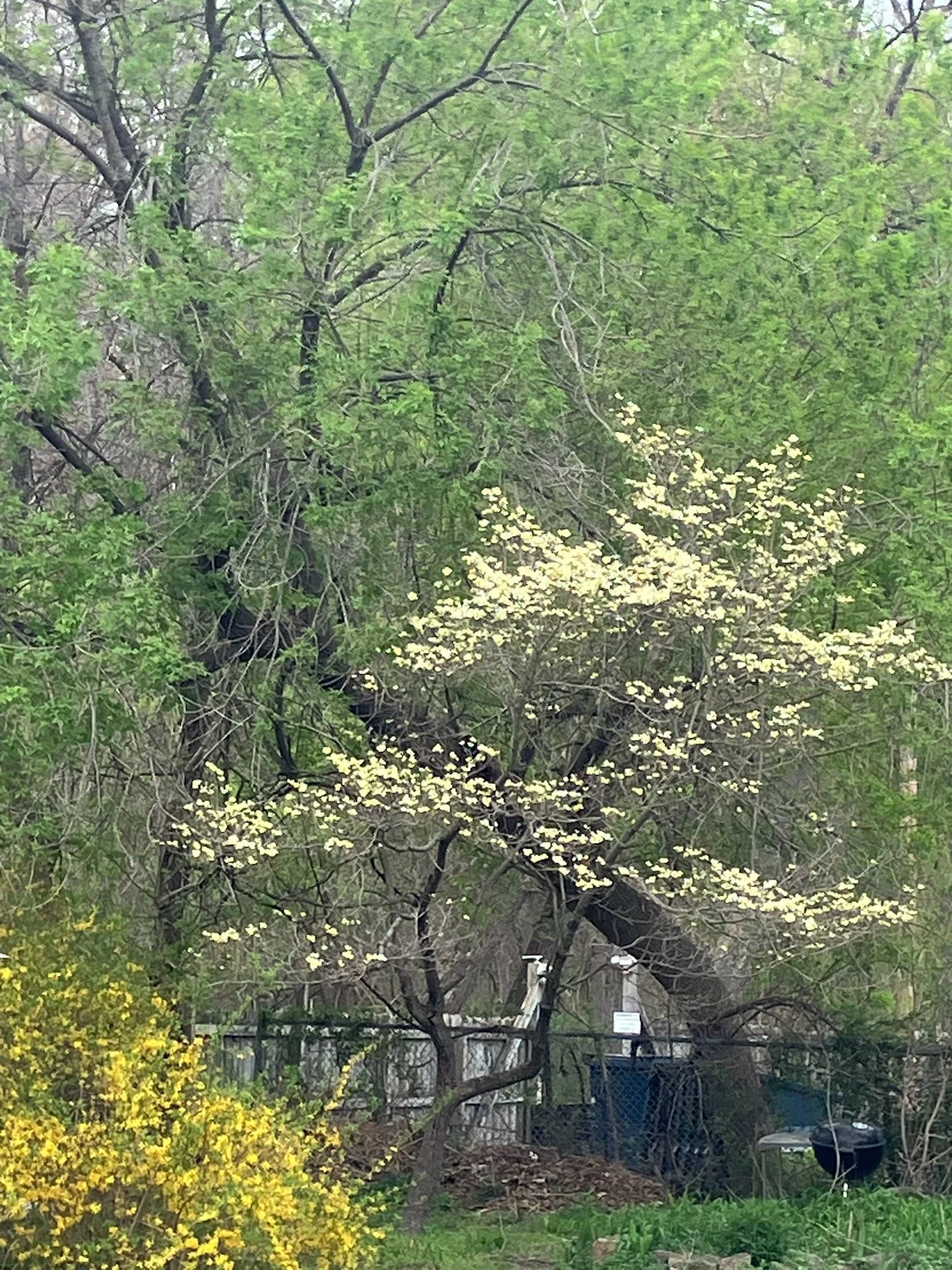
Process / Left to Right Blooming flowers outside the Women’s Studio Workshop, April 25th, 2025 Painting with pigmented fibers Detail, dry artwork Trees blooming, Springtown Road in New Paltz, April 25th, 2025
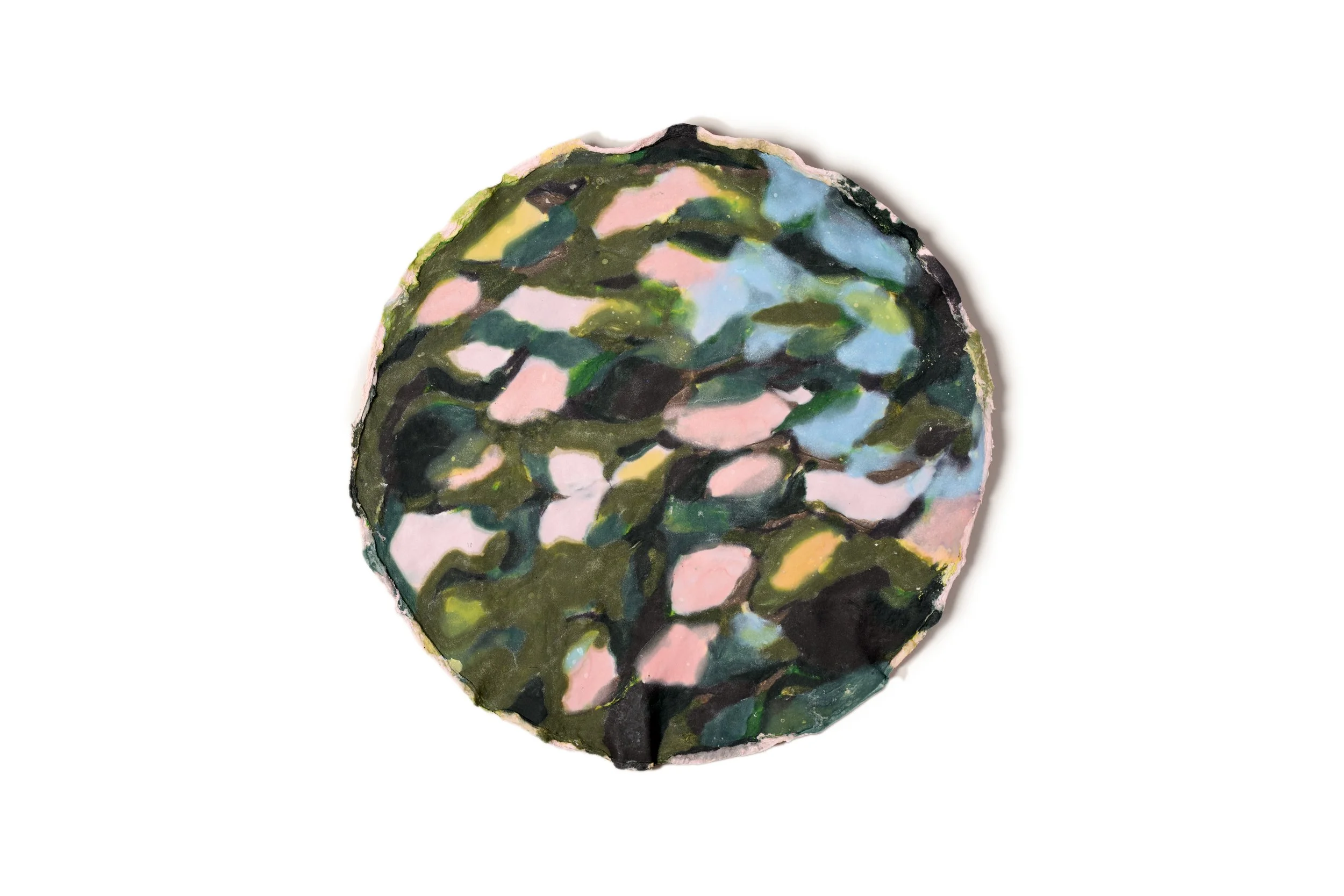
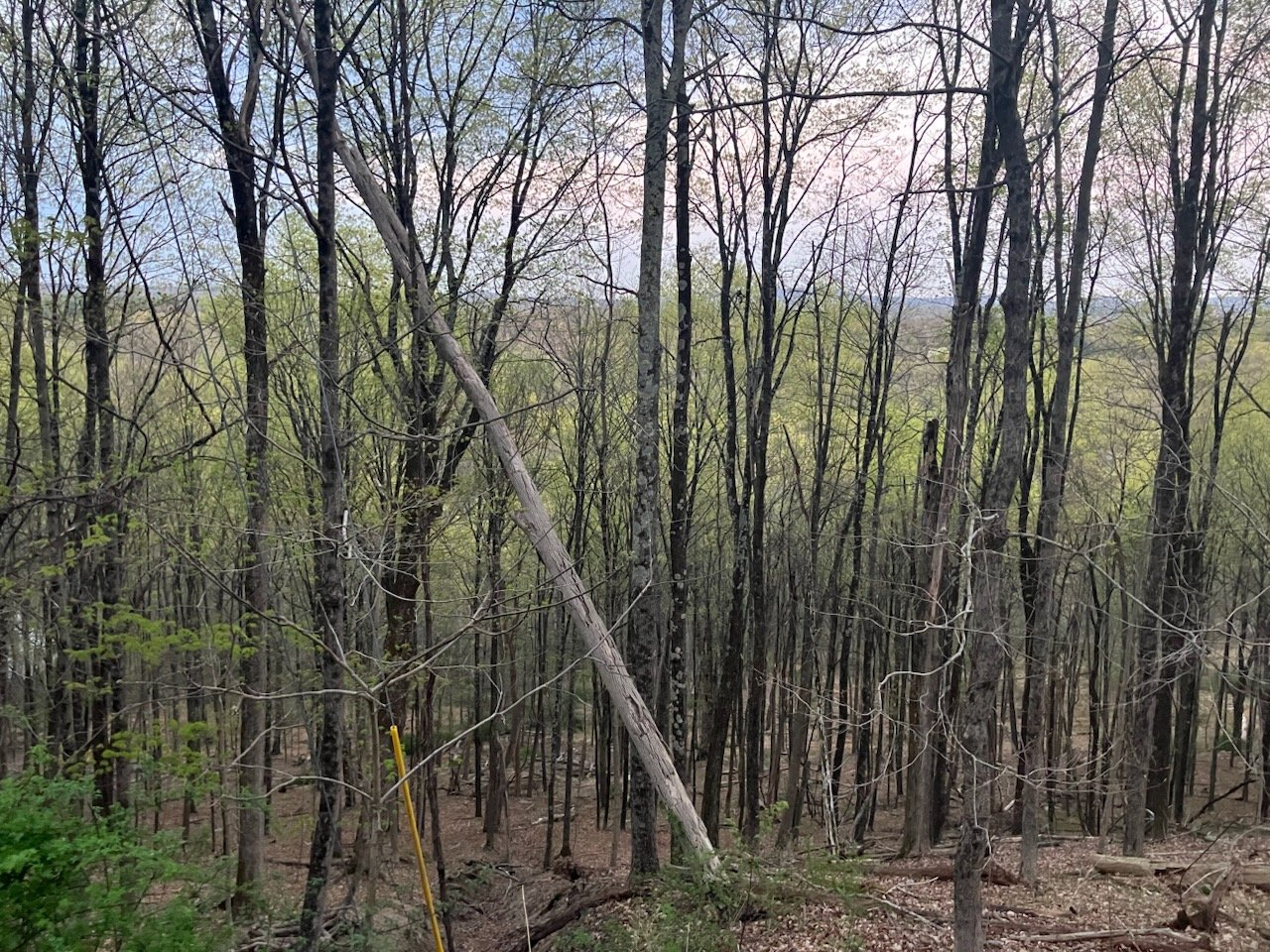
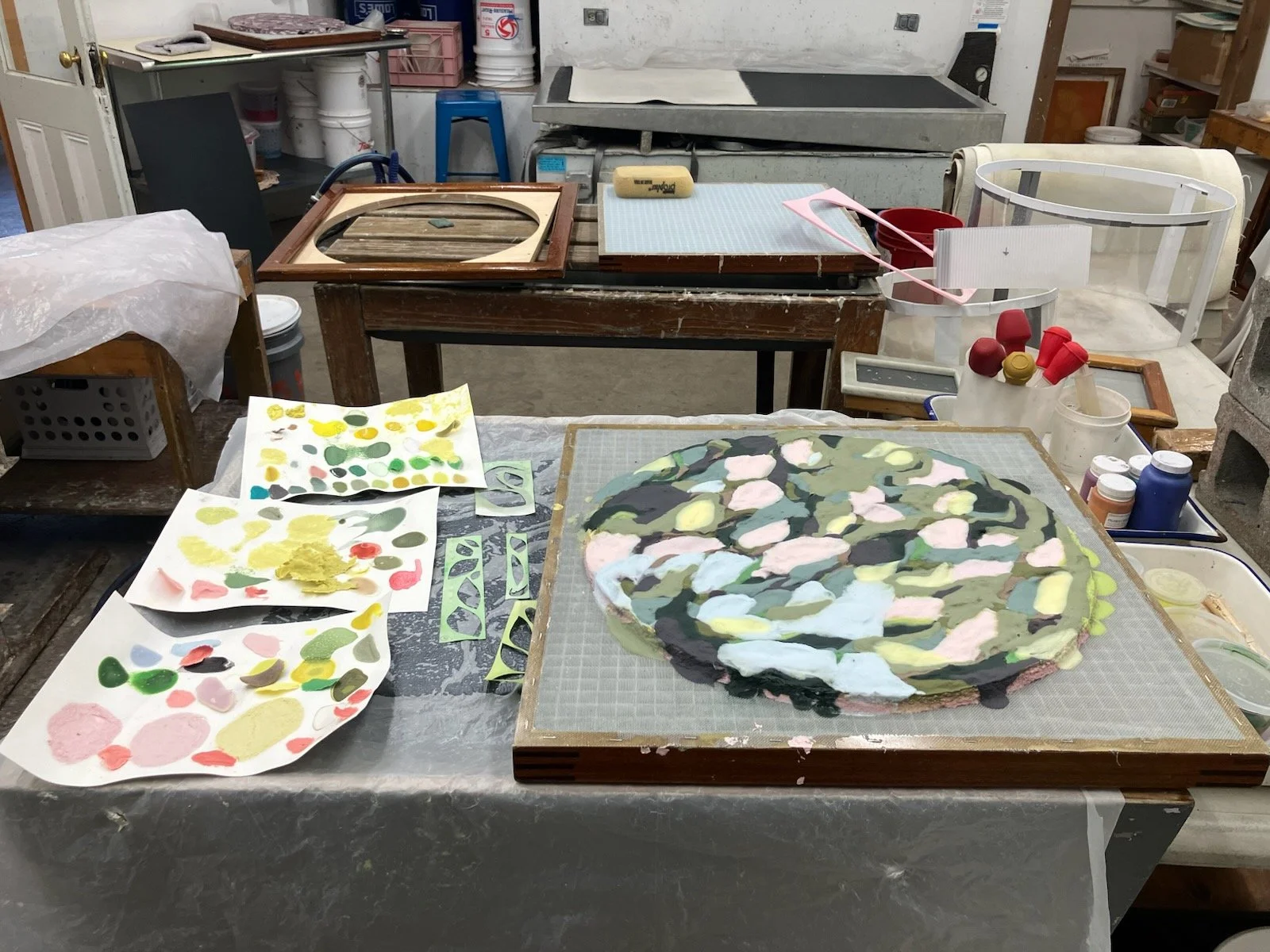
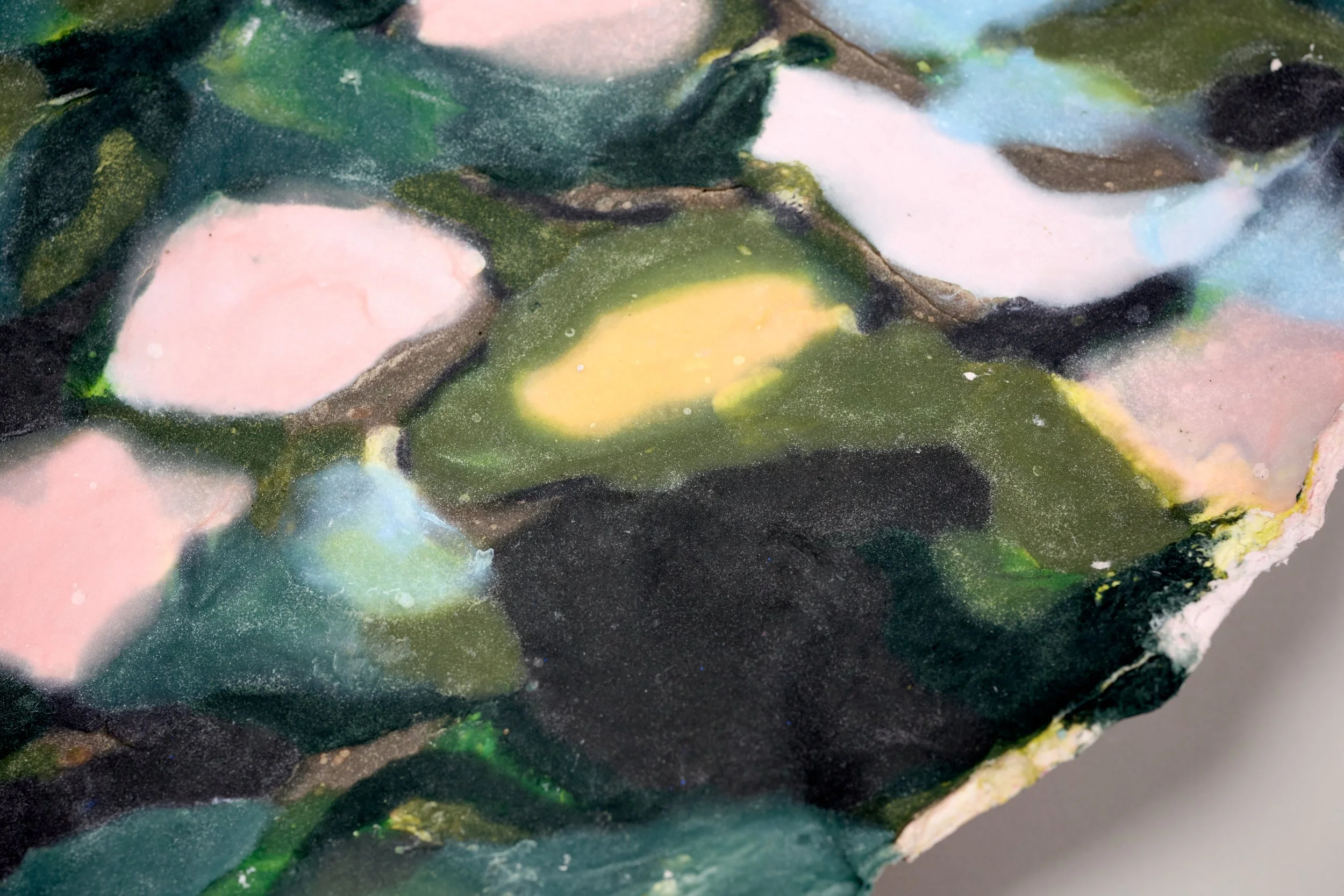
Somos los colores de la tierra (mi cuerpo, espíritu, luz, agua y materia)
Over-beaten cotton, linen and abaca fibers with pigments. 17 inches diameter, Rosendale, NY, 2025
Process / Left to Right Blooming trees outside on Canaan Road in New Paltz, April 24th, 2025 Painting with pigmented fibers Detail, dry artwork


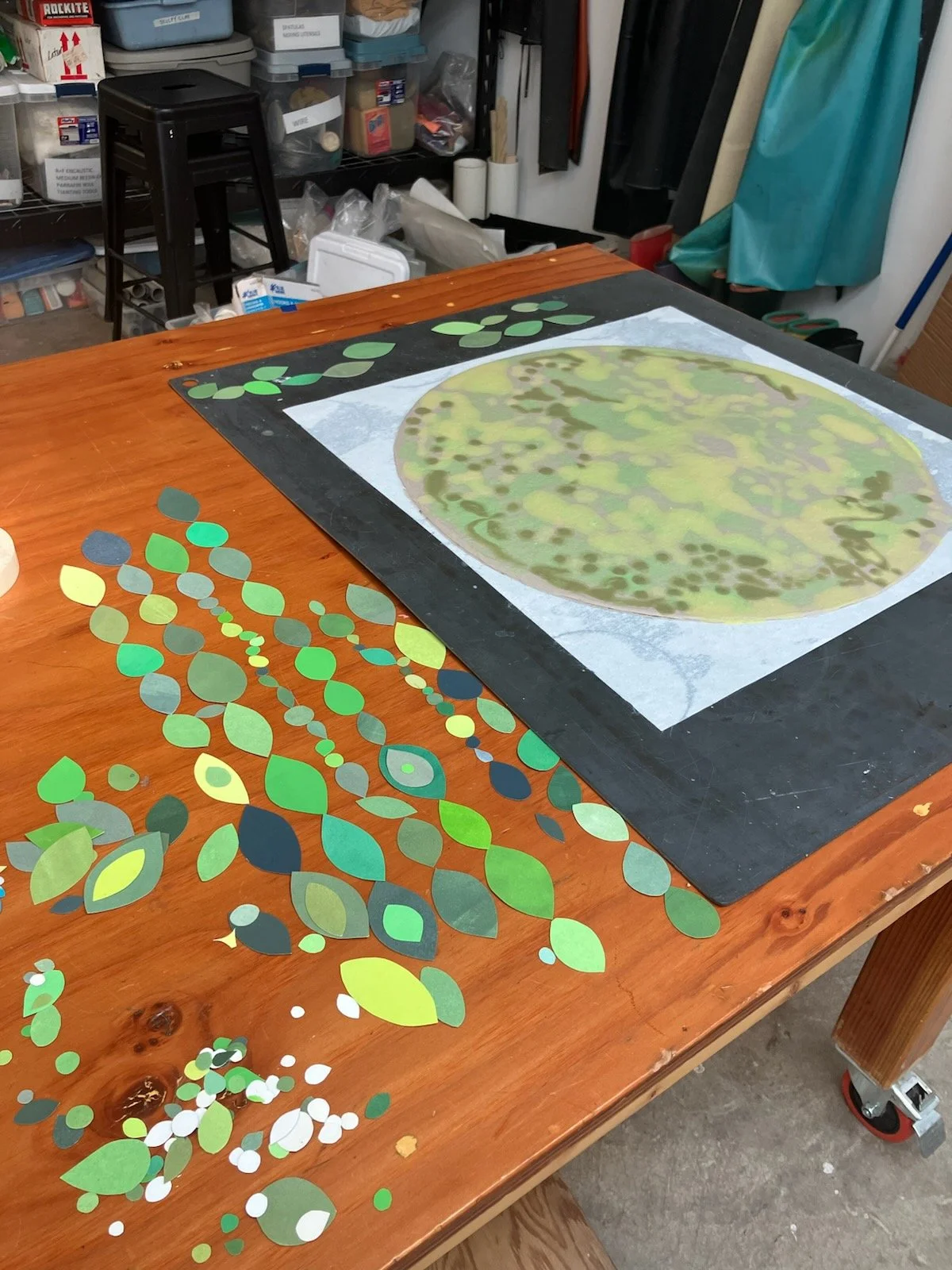
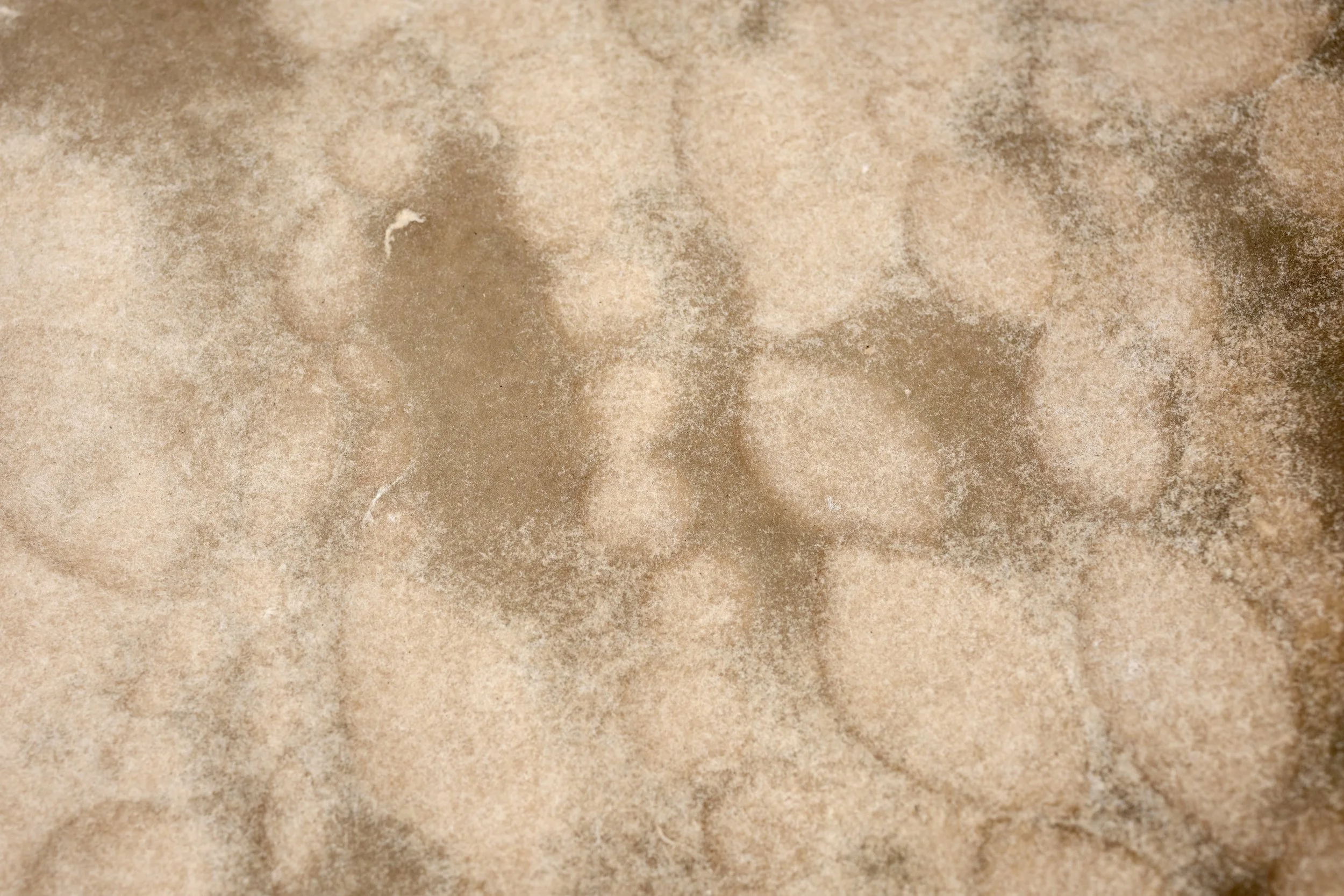
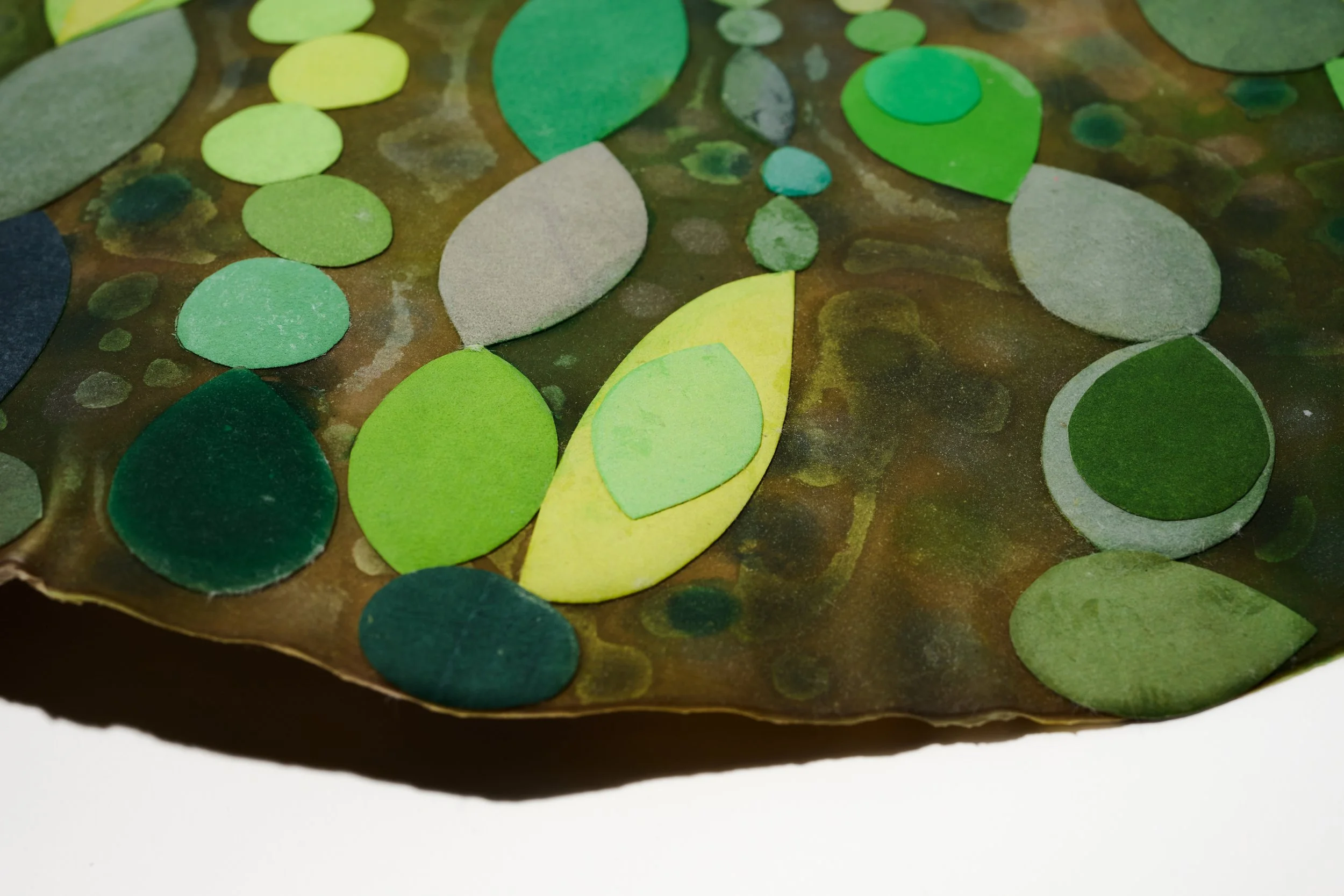
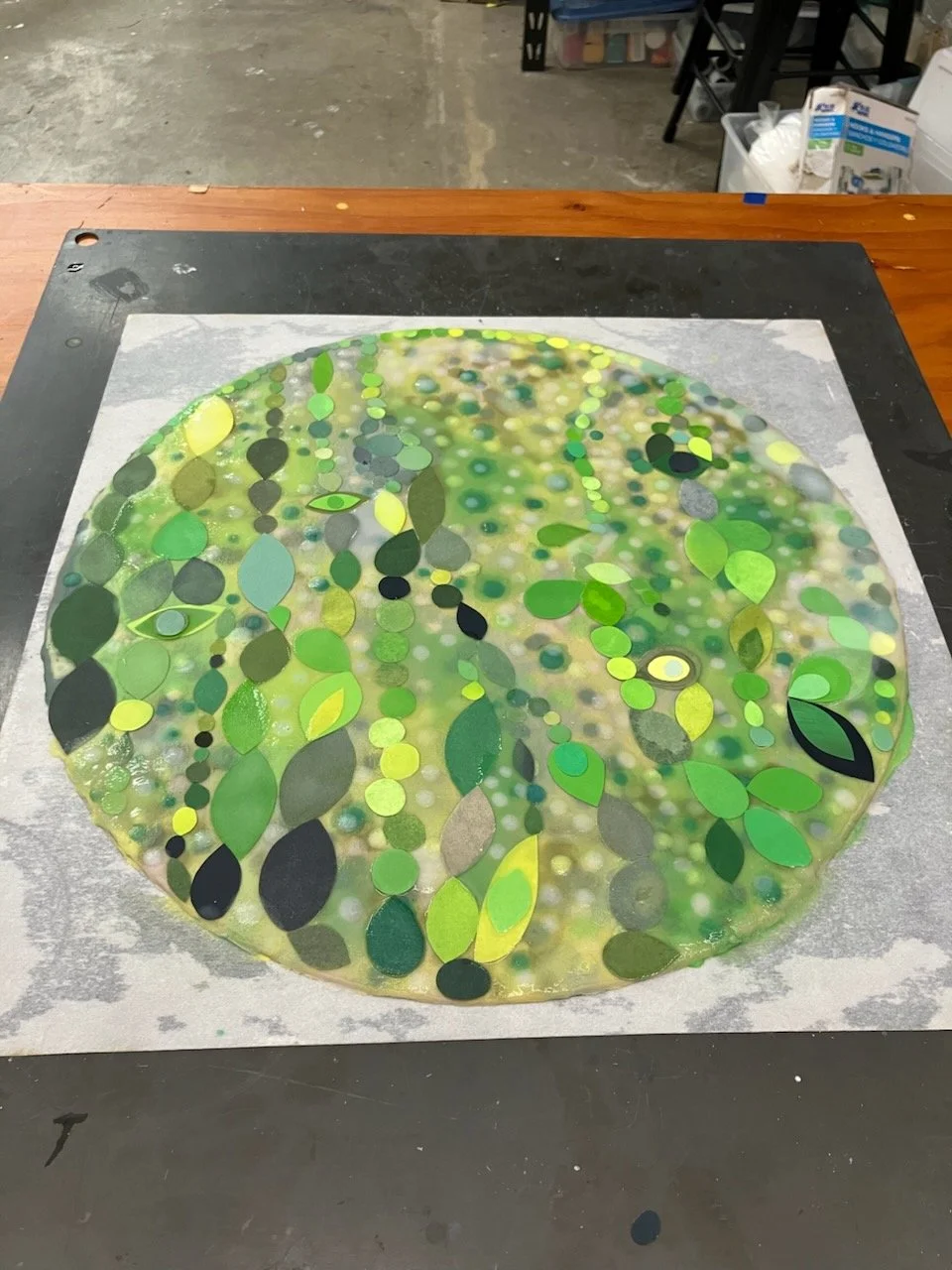
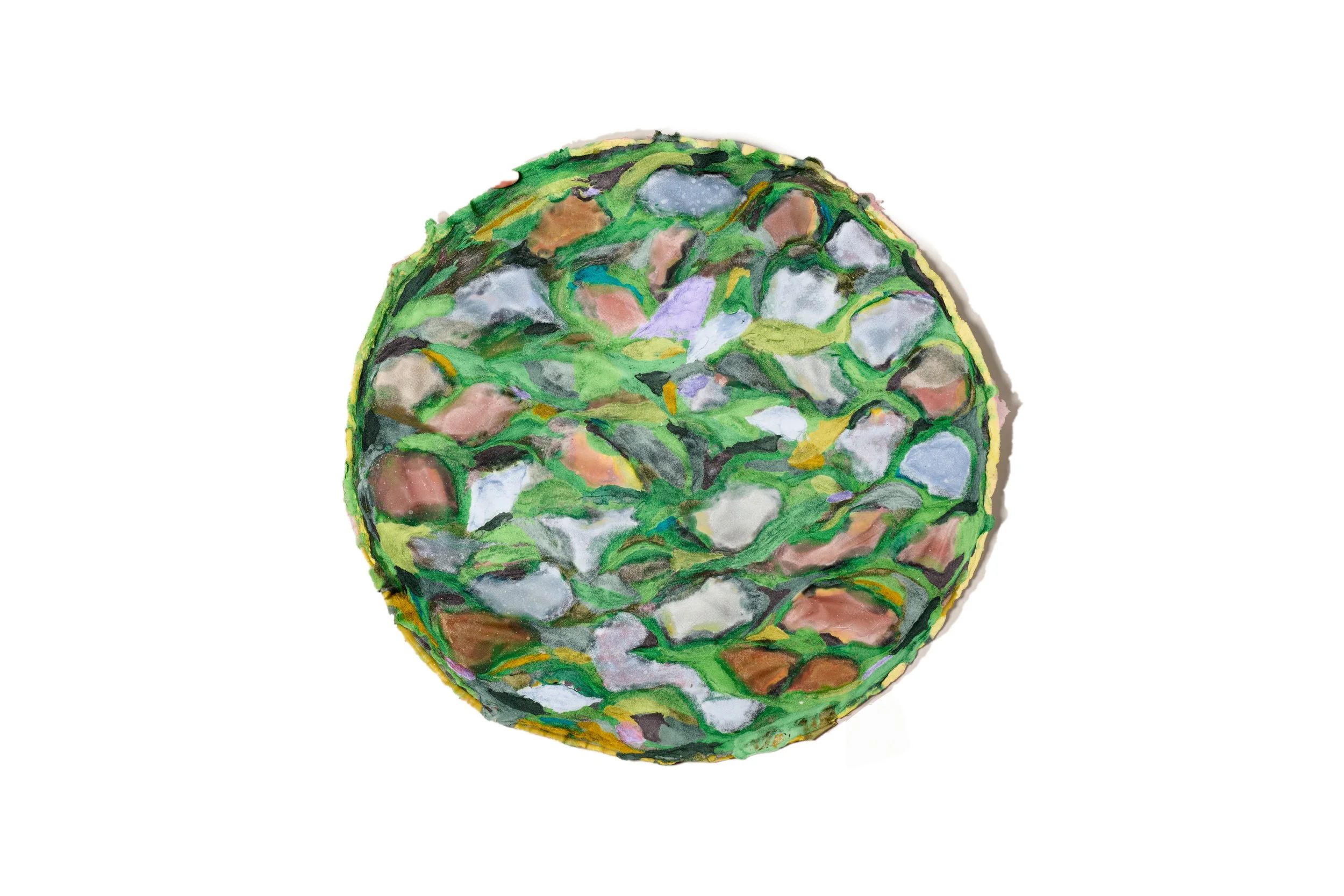
Somos los colores de la tierra (yo la miro y ella mi mira de vuelta) / front and back of artwork
Abaca fibers, re-purposed painted hand-cut papers embedded onto wet sheets of hand-made paper, with pulp painting. 17 inches diameter, Rosendale, NY, 2025
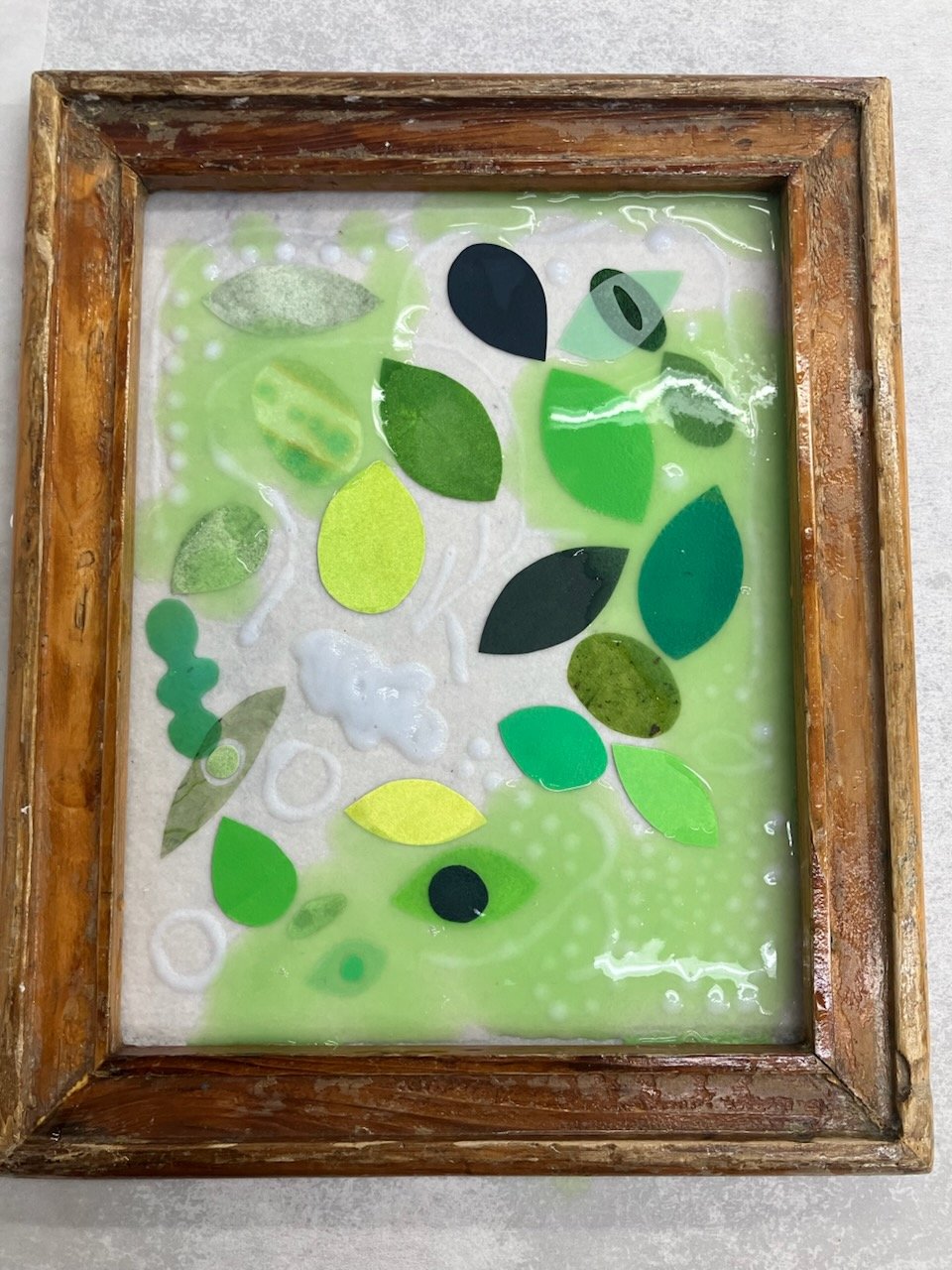
Process / Left to Right Abaca paper with pulp painting and painted pieces of hand-cut papers Two details of dry artwork, back and front Embedded collage pieces and pulp painting on wet hand-made paper
Somos los colores de la tierra (vibraciones)
Cotton and Abaca fibers, re-purposed painted hand-cut papers embedded onto wet sheets of hand-made paper, with pulp painting. 17 inches diameter, Rosendale, NY, 2025
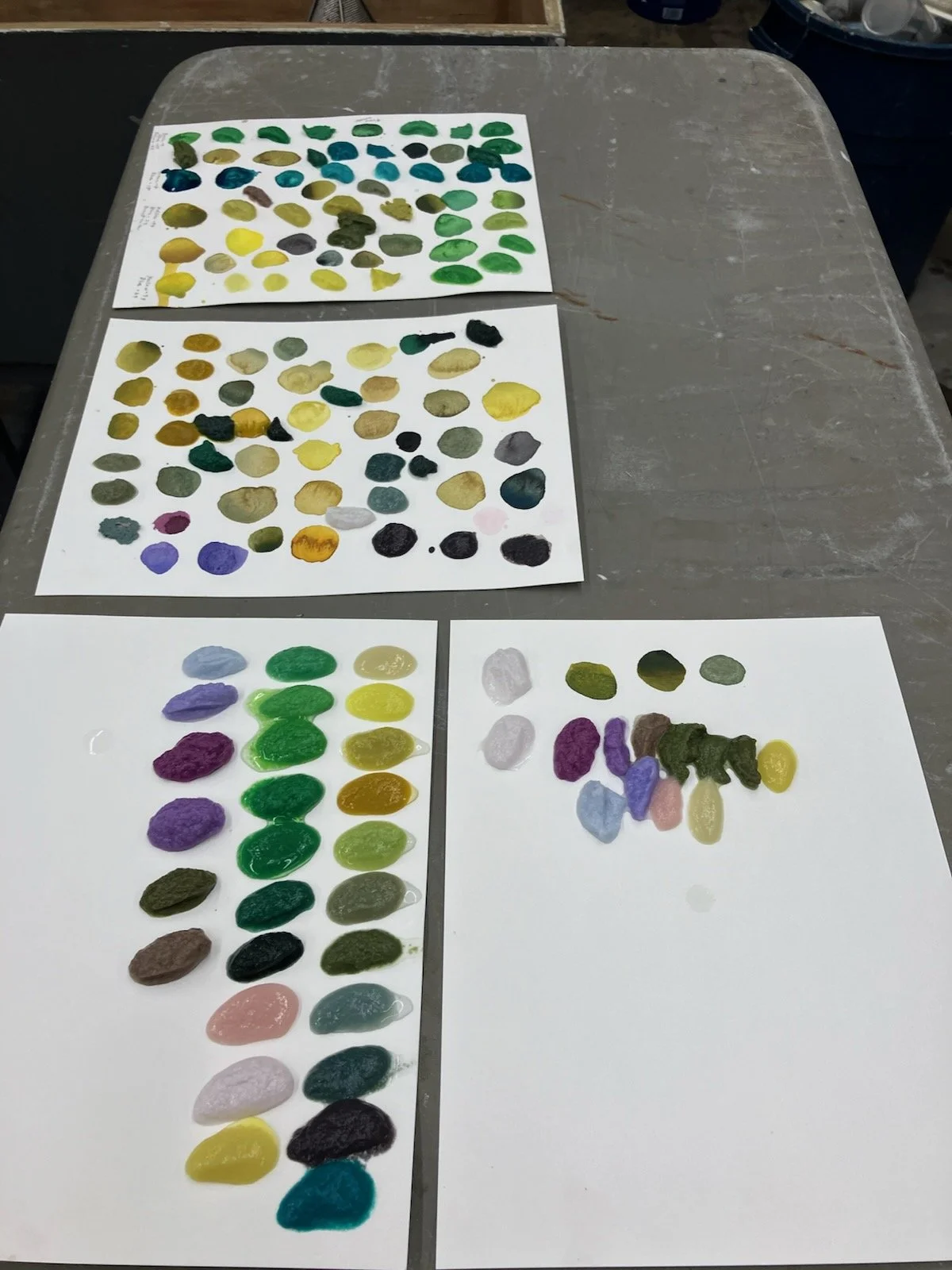
Process / Left to Right Pigmented over-beaten cotton and abaca fibers for pulp painting Material research, cotton sheet of paper with collaged inclusions and pulp painting Detail, dry artwork
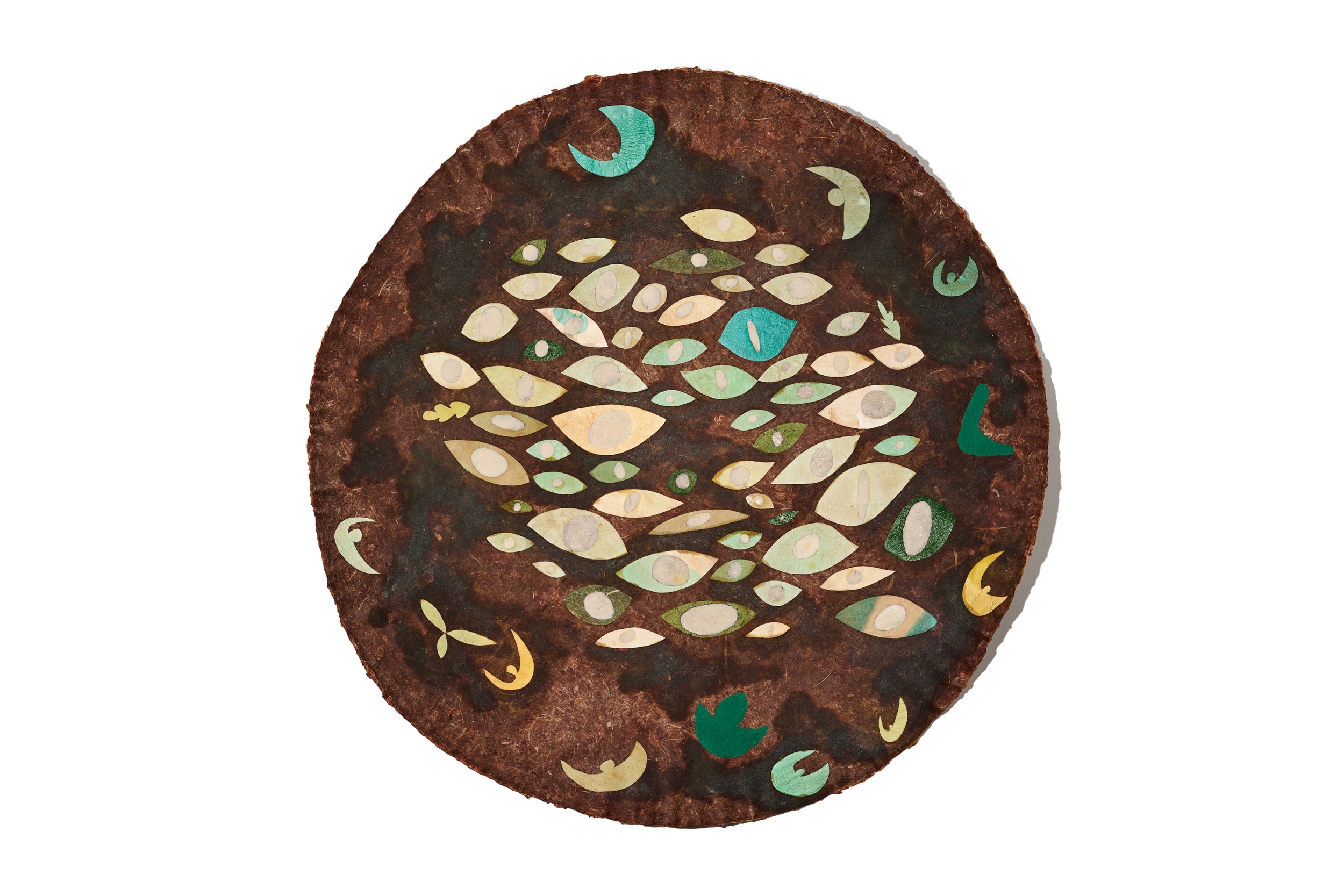
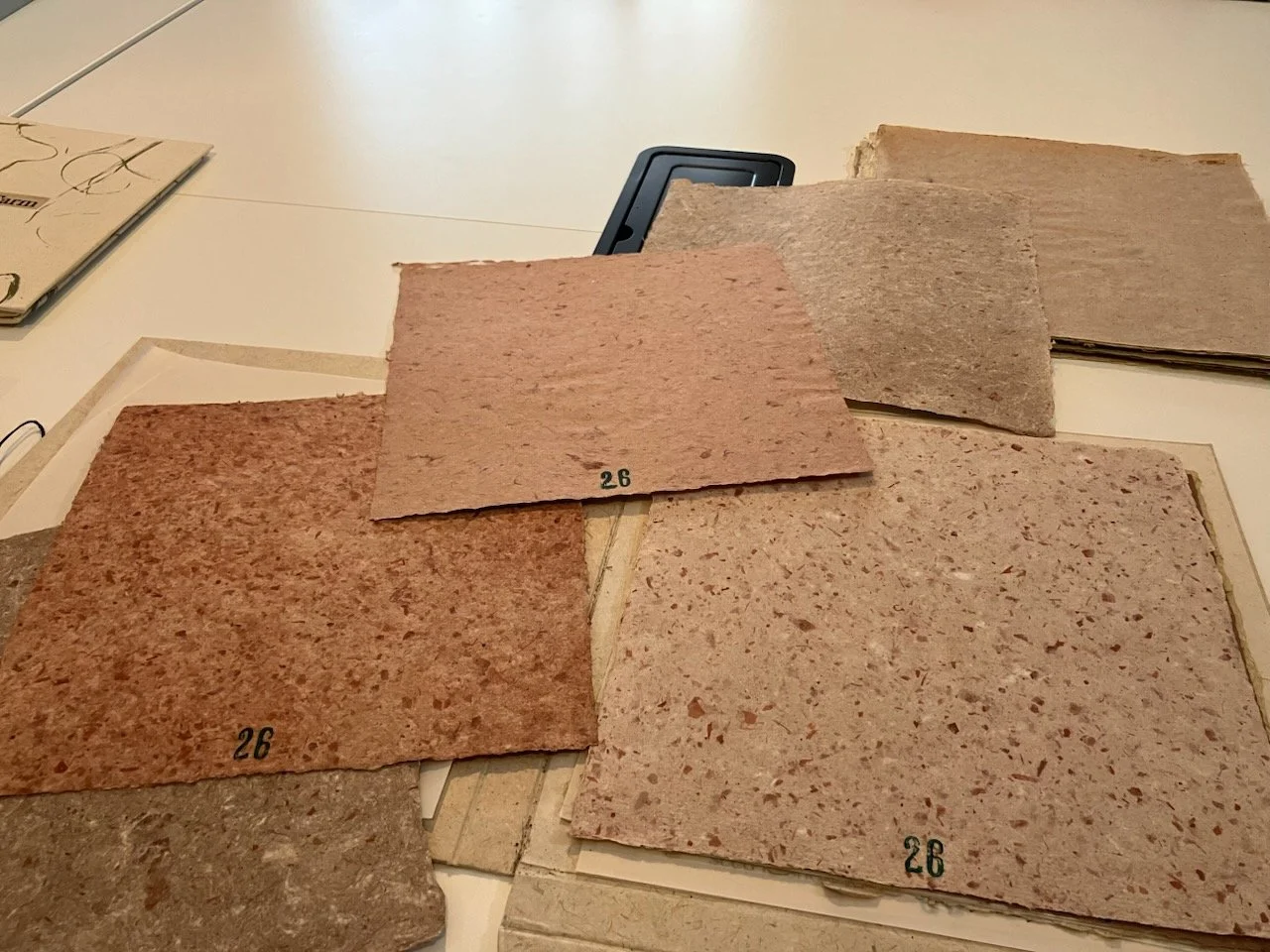
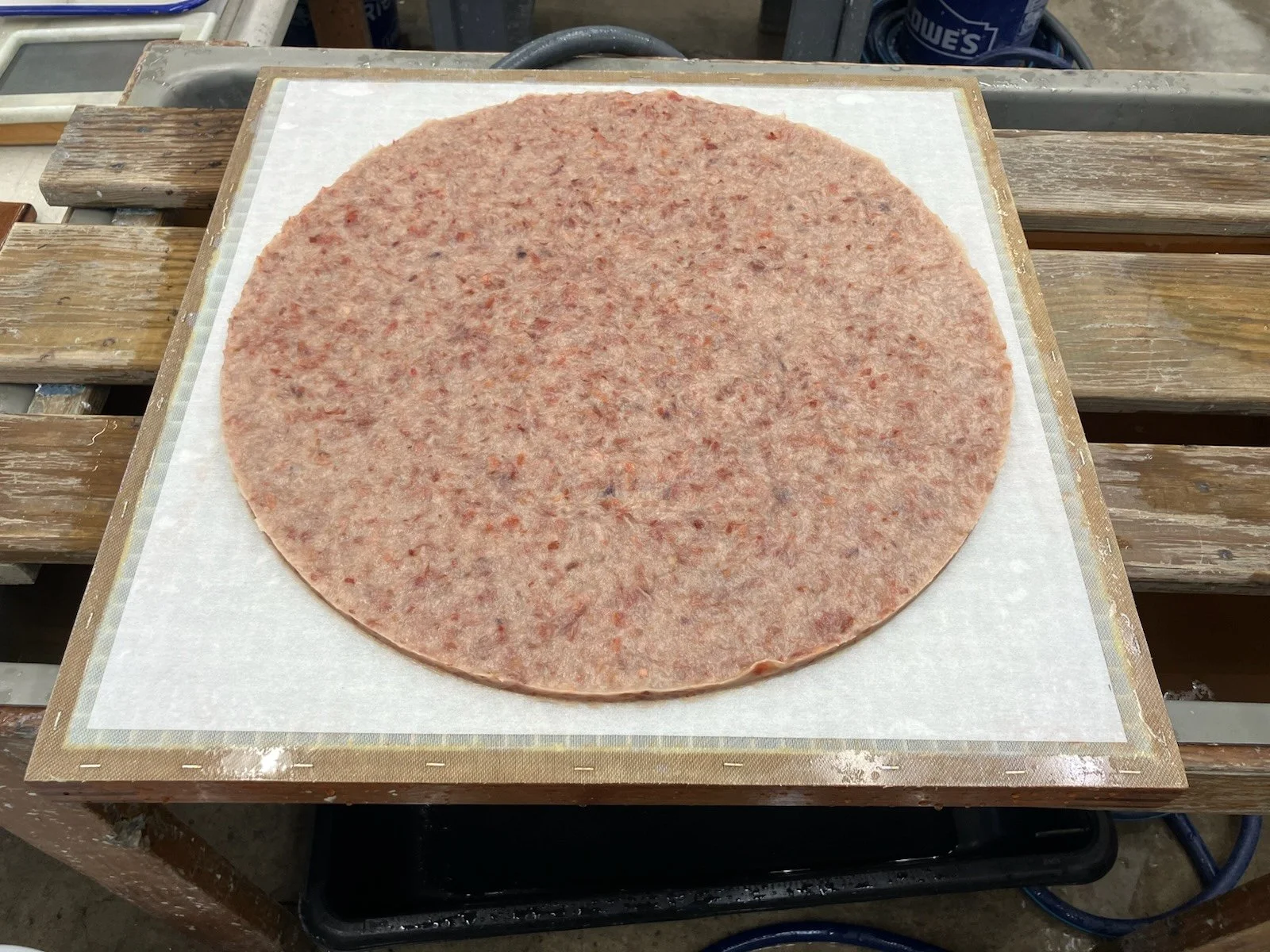
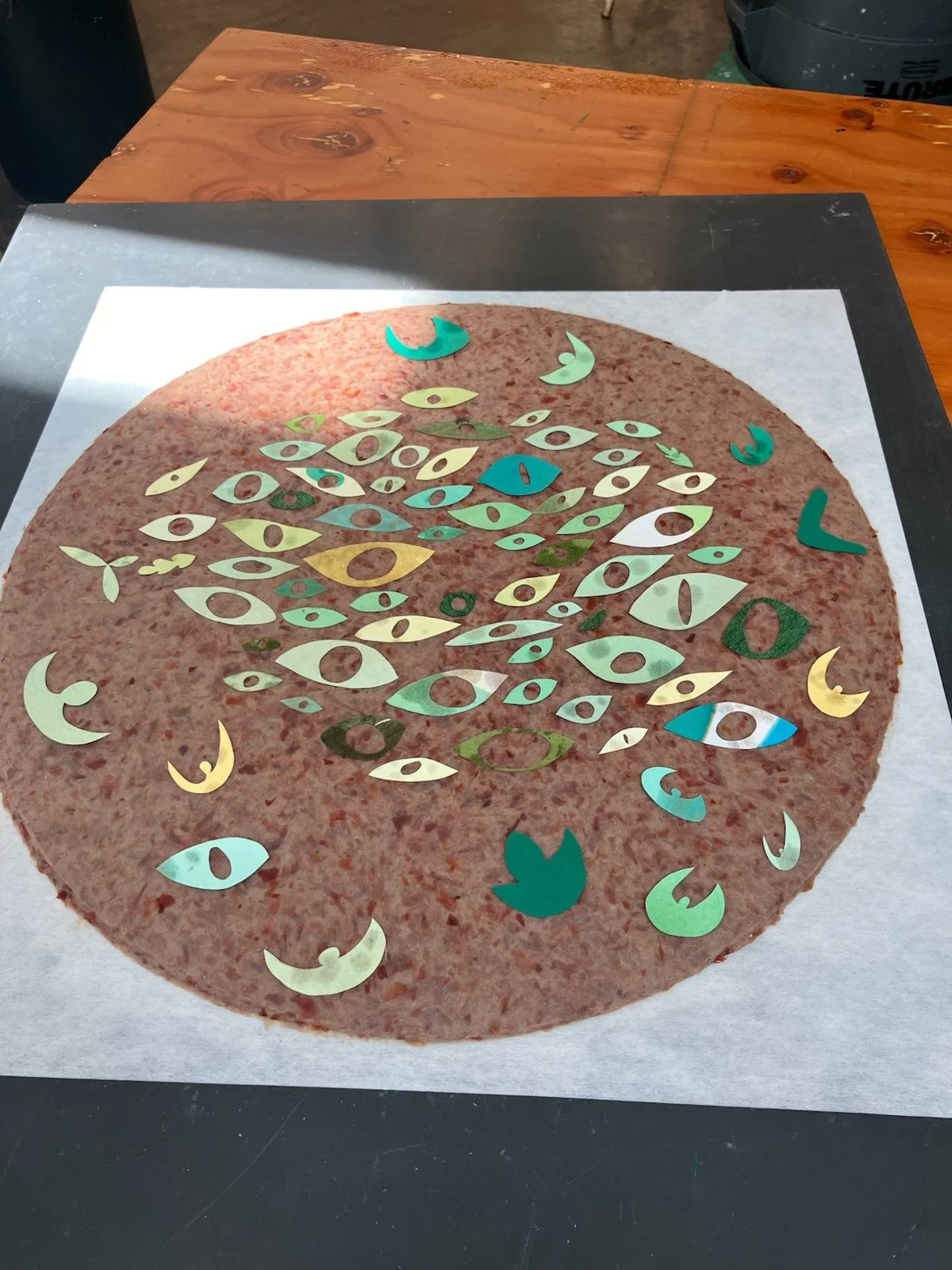
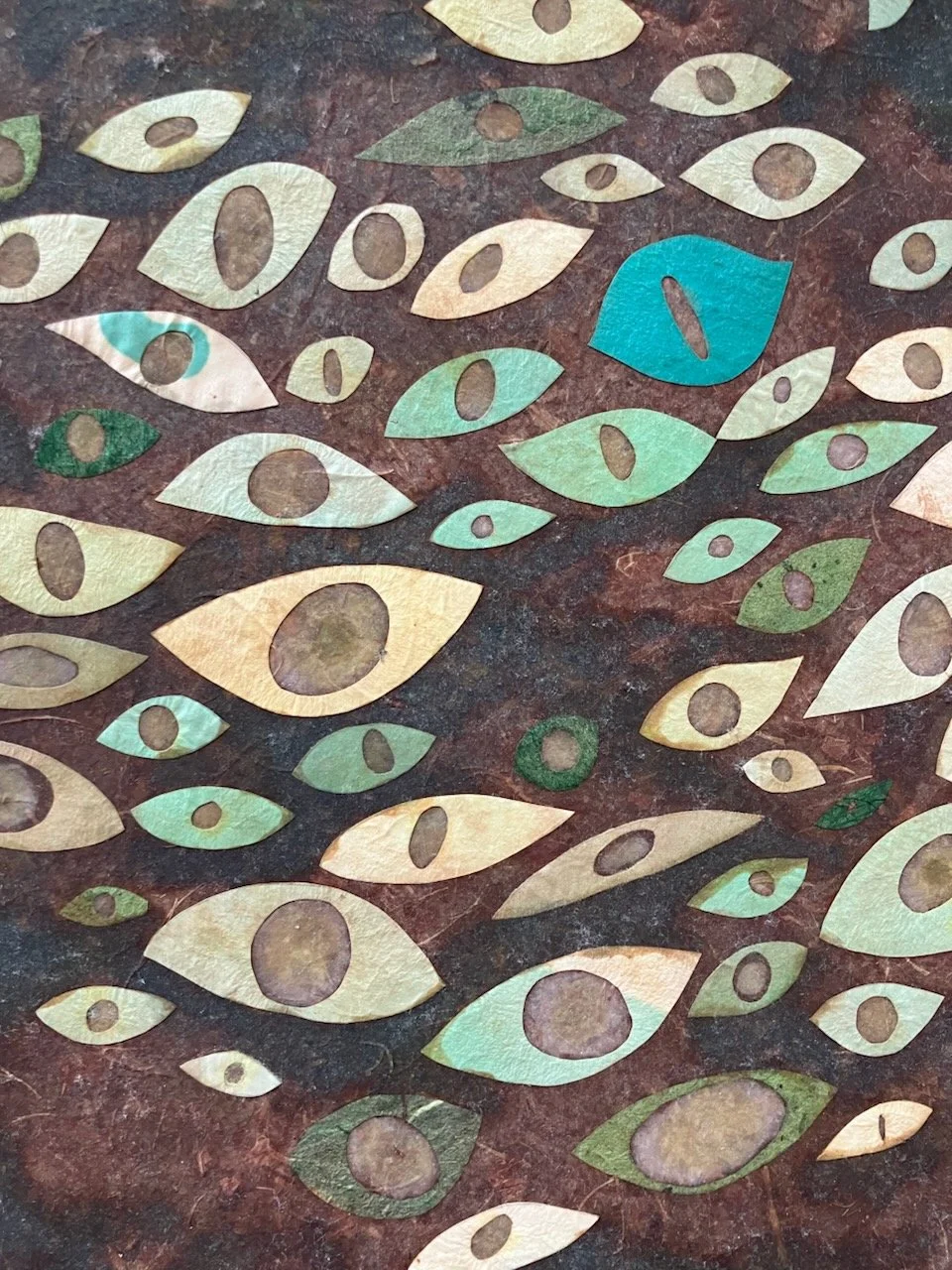
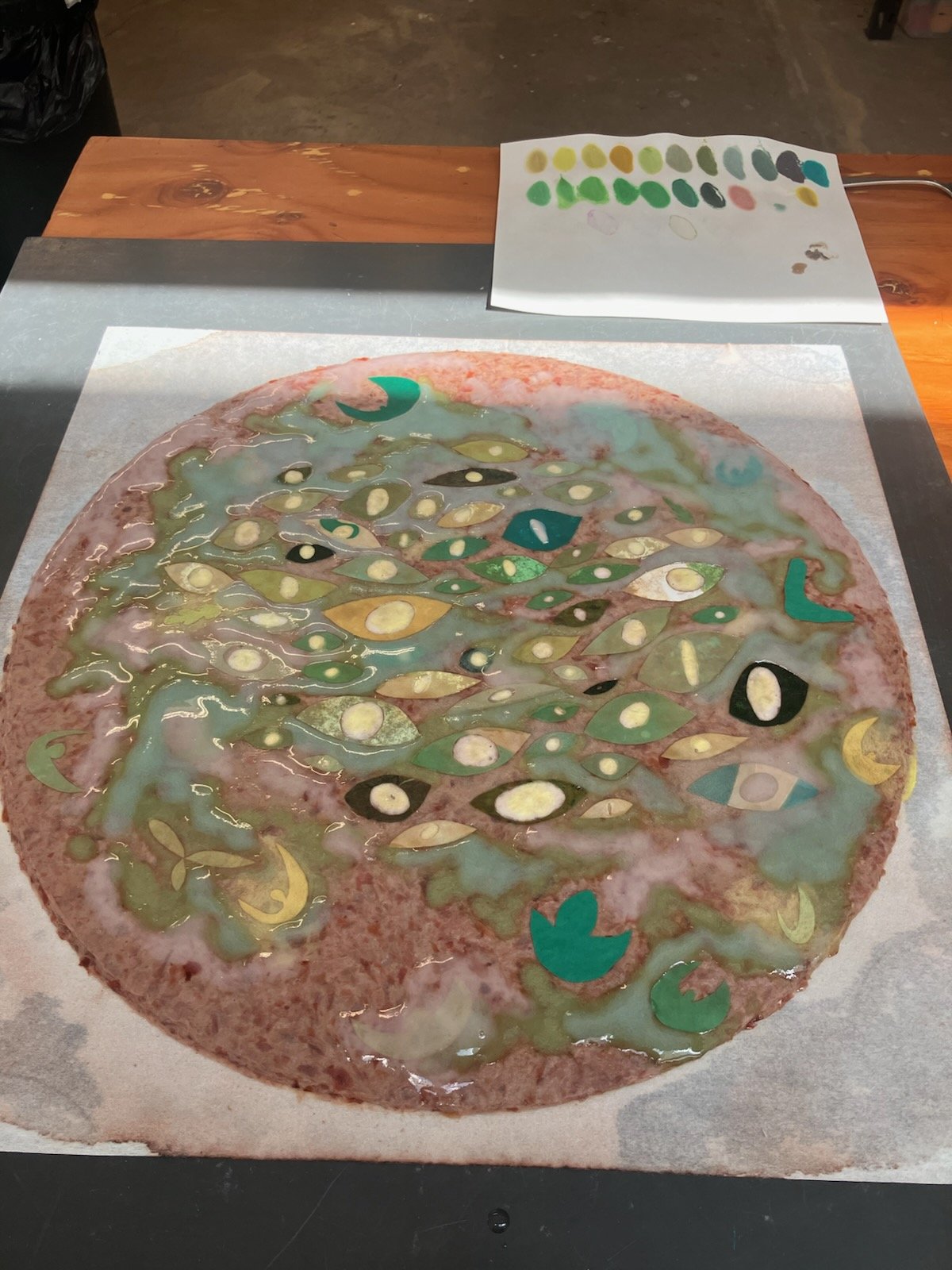
Somos los colores de la tierra (wet lichens on trees)
Hand-made paper sheet with onion peels from my mother’s food preparation, over-beaten Abaca fibers, hand-dyed and hand-cut papers embedded onto the wet sheet. Hand-made egg shell pigments for surface painting from my food preparation. 17 inches diameter, Rosendale, NY, 2025
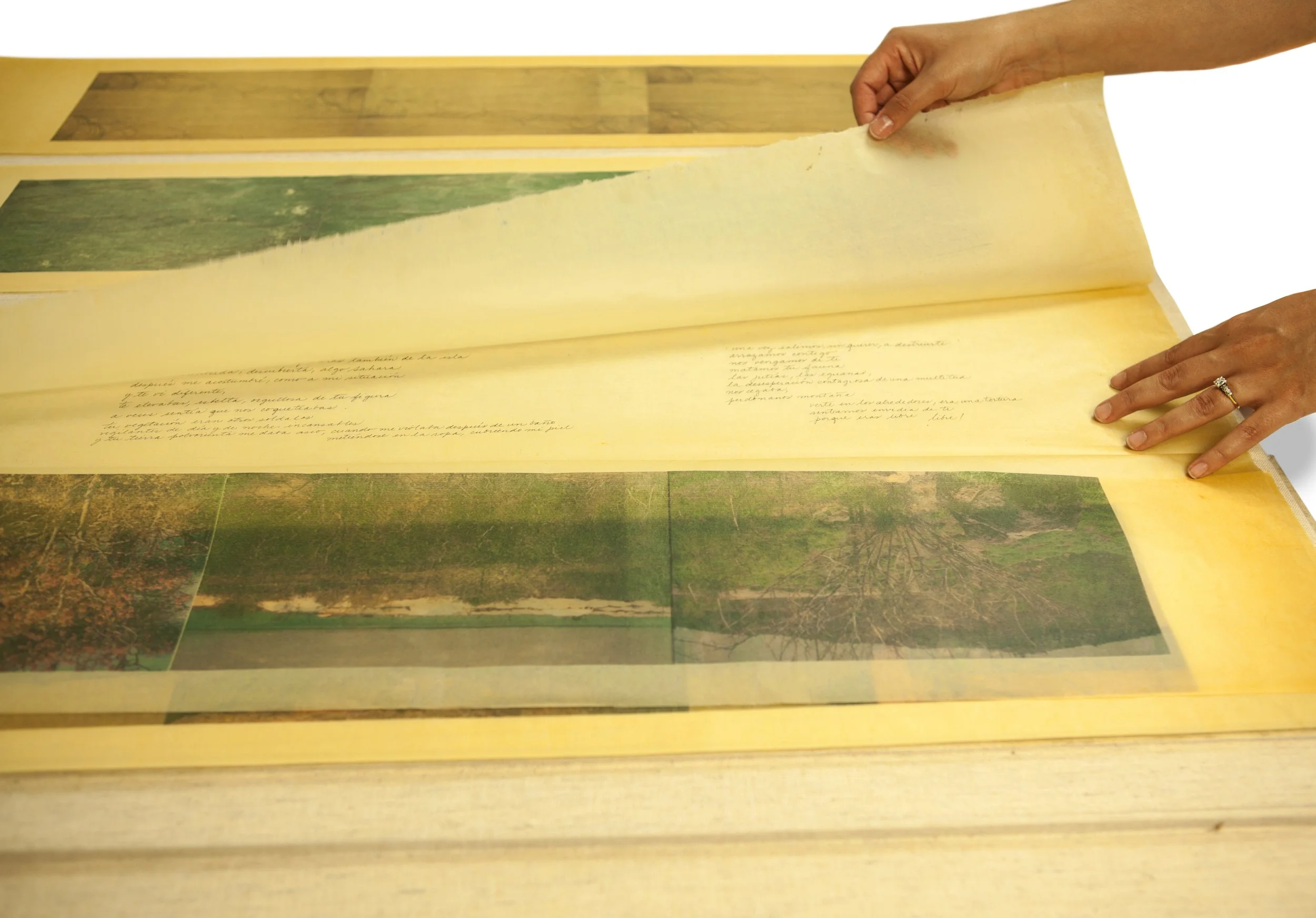
Process / Left to Right Material research, Art Farm Papers Archive, study of different fibers, Women’s Studio Workshop Onion peels and abaca paper, hand-made paper Hand-dyed and cut collaged pieces with onion and abaca paper Detail, dry artwork Work in progress, with collage inclusions and pulp painting


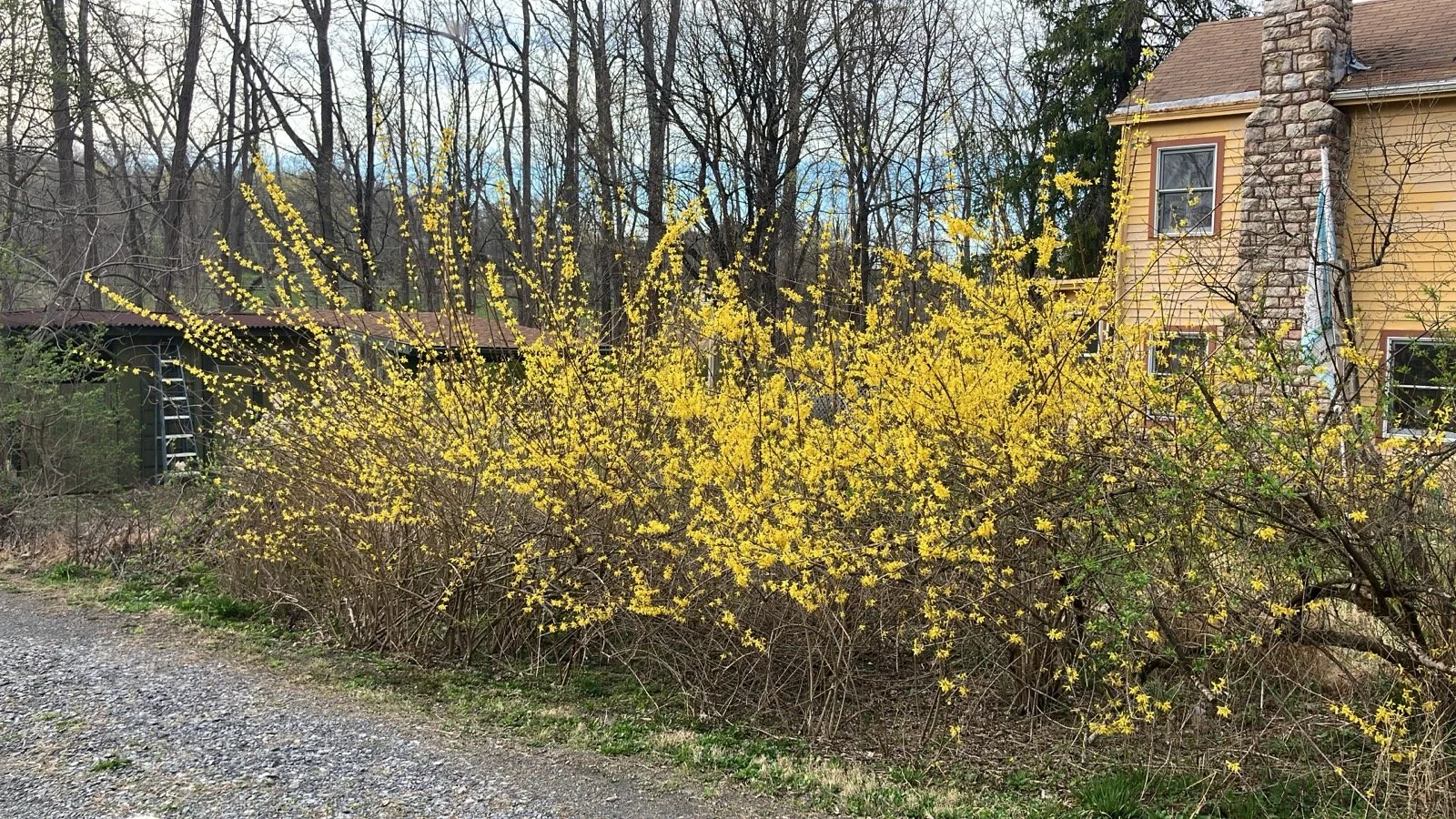
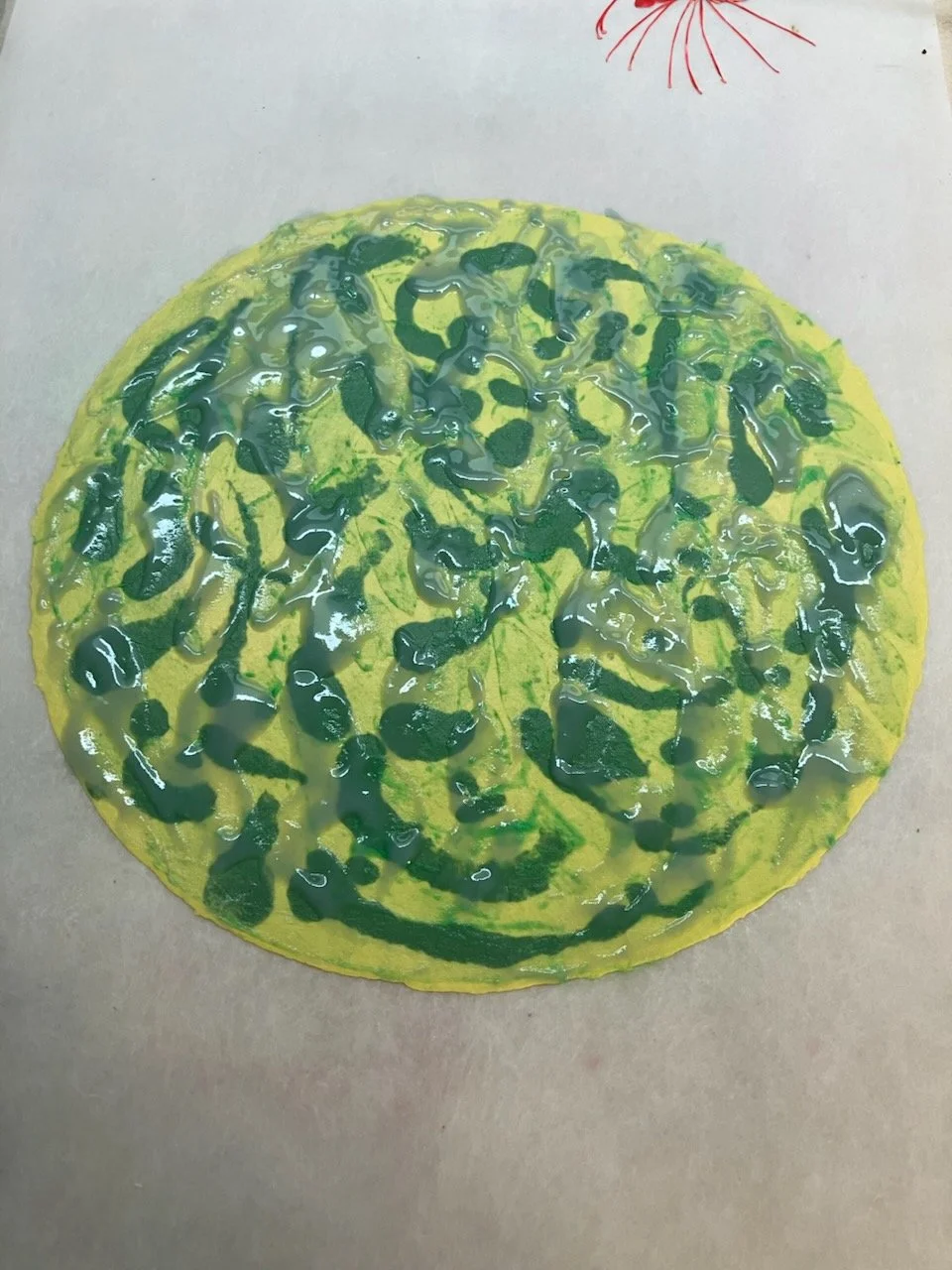
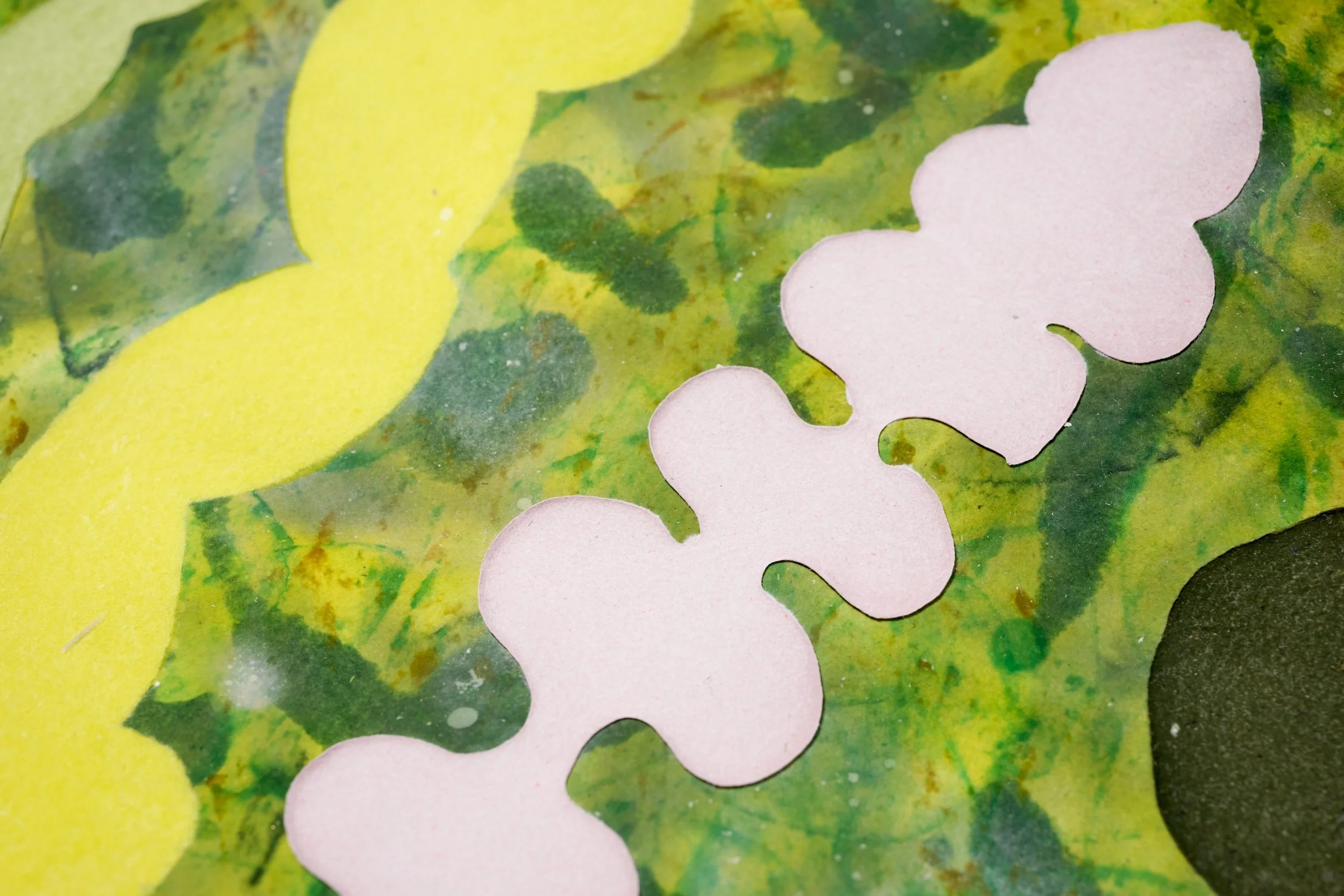
Somos los colores de la tierra
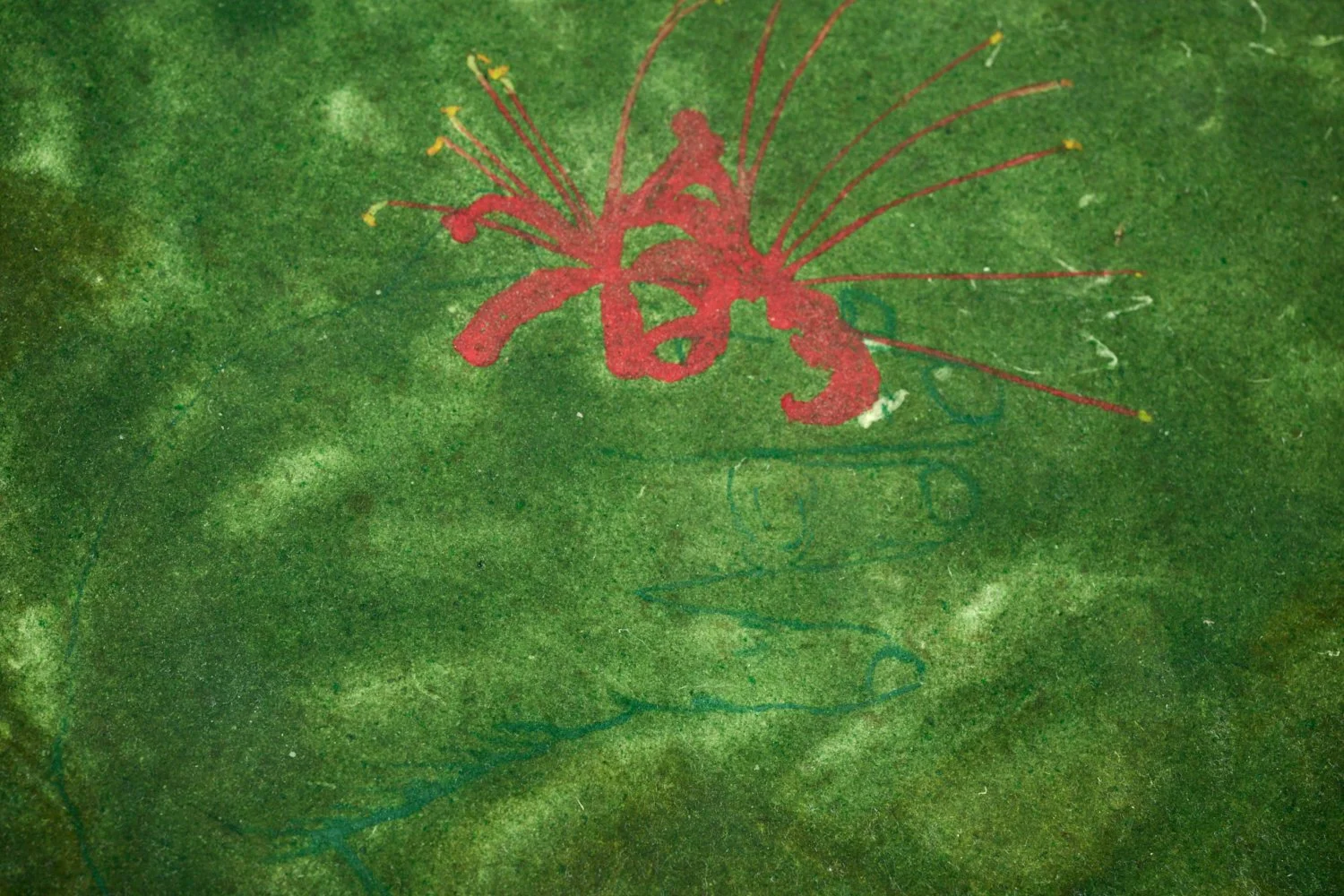
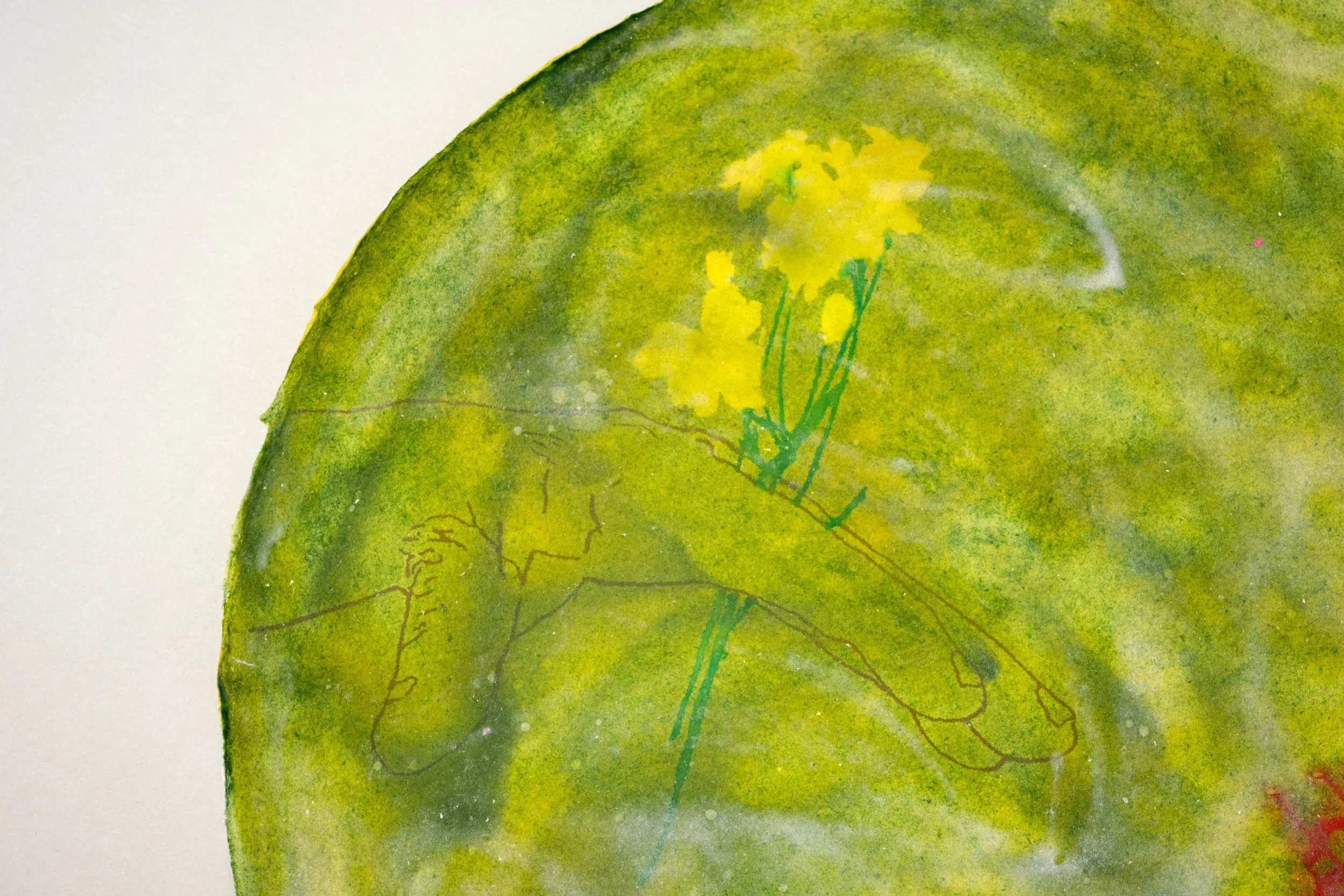
Pigmented yellow cotton paper, with pulp painting and blown-out drawings 13.5 inches diameter, Rosendale, NY, 2025
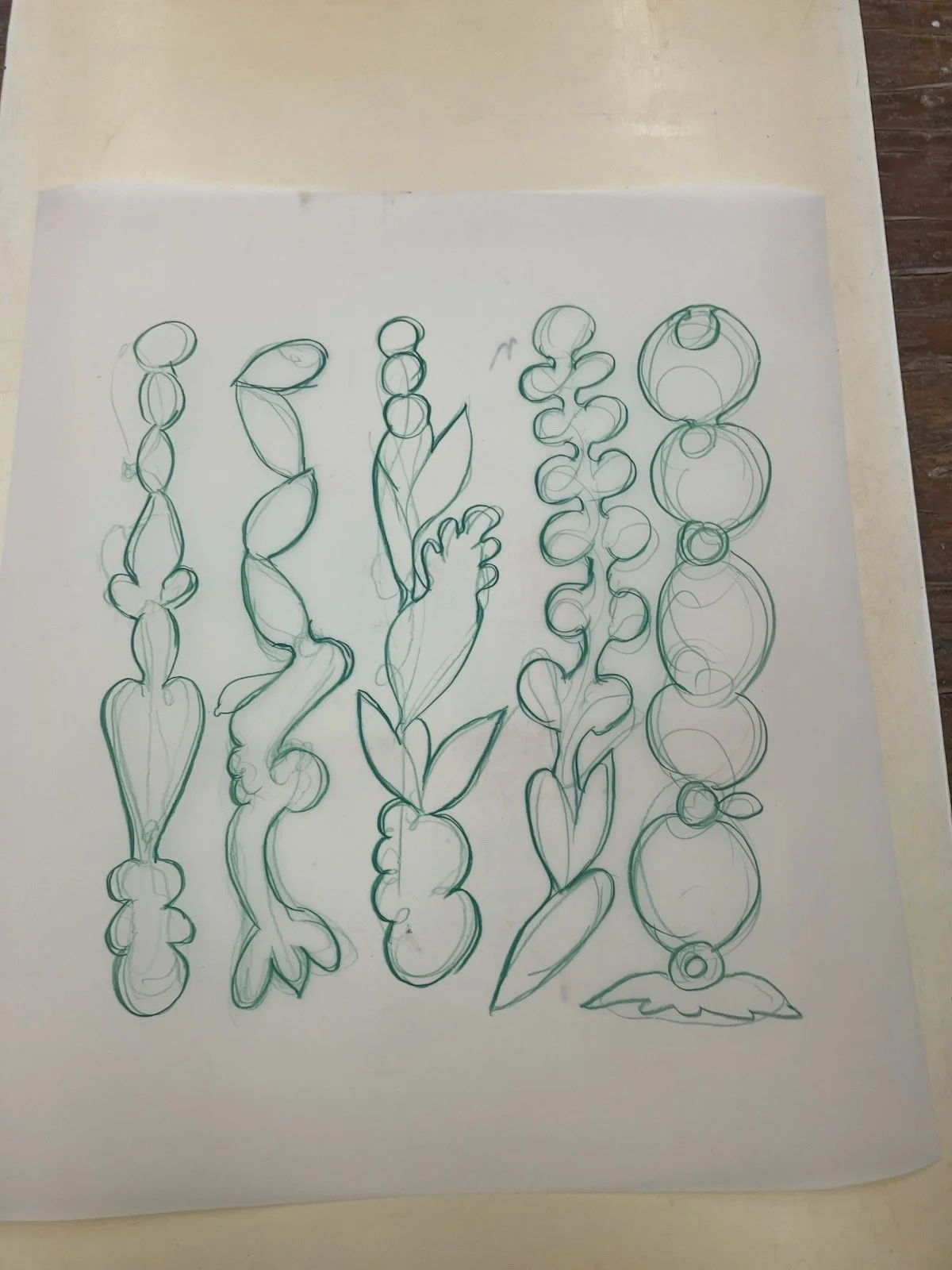
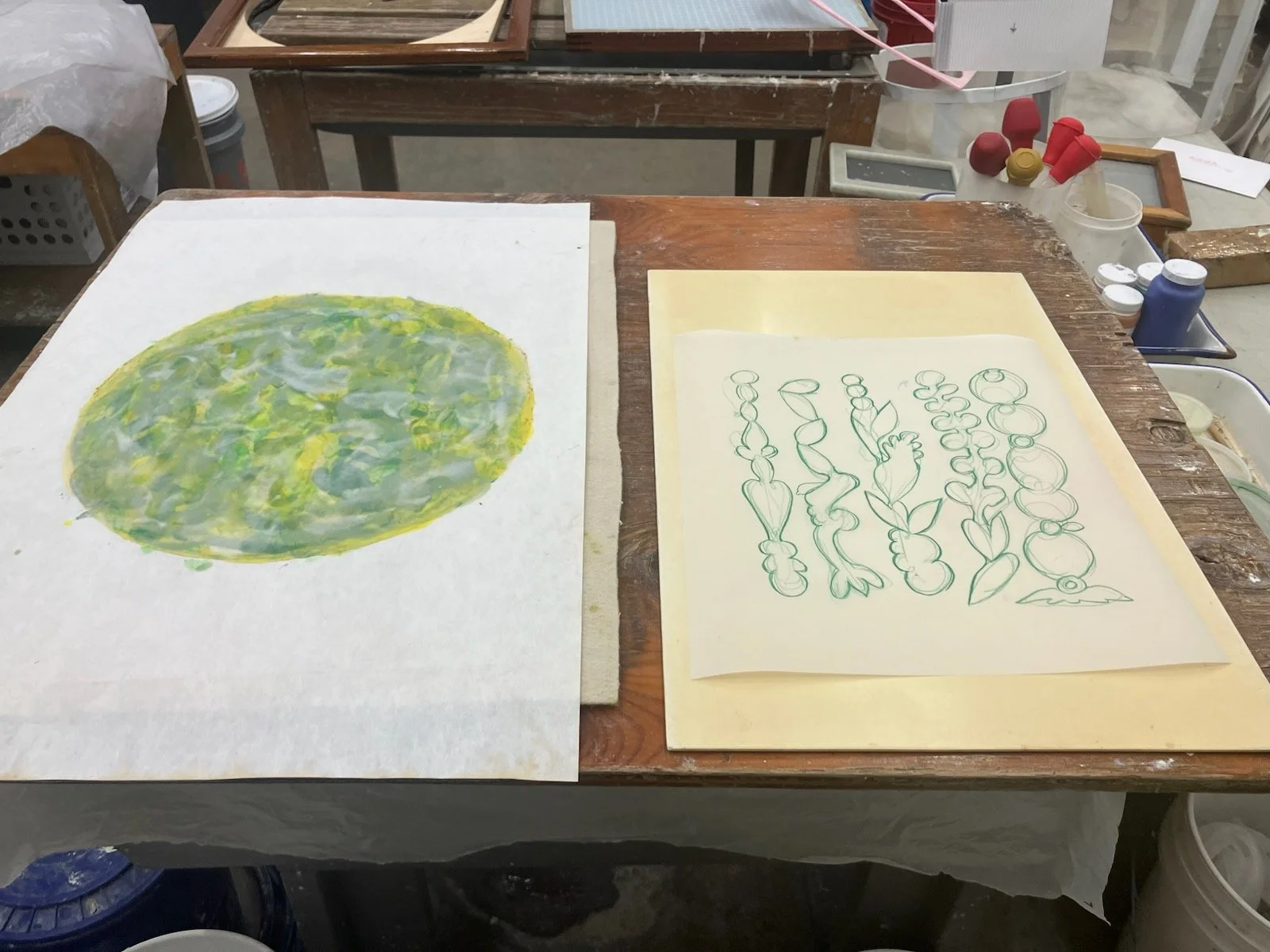
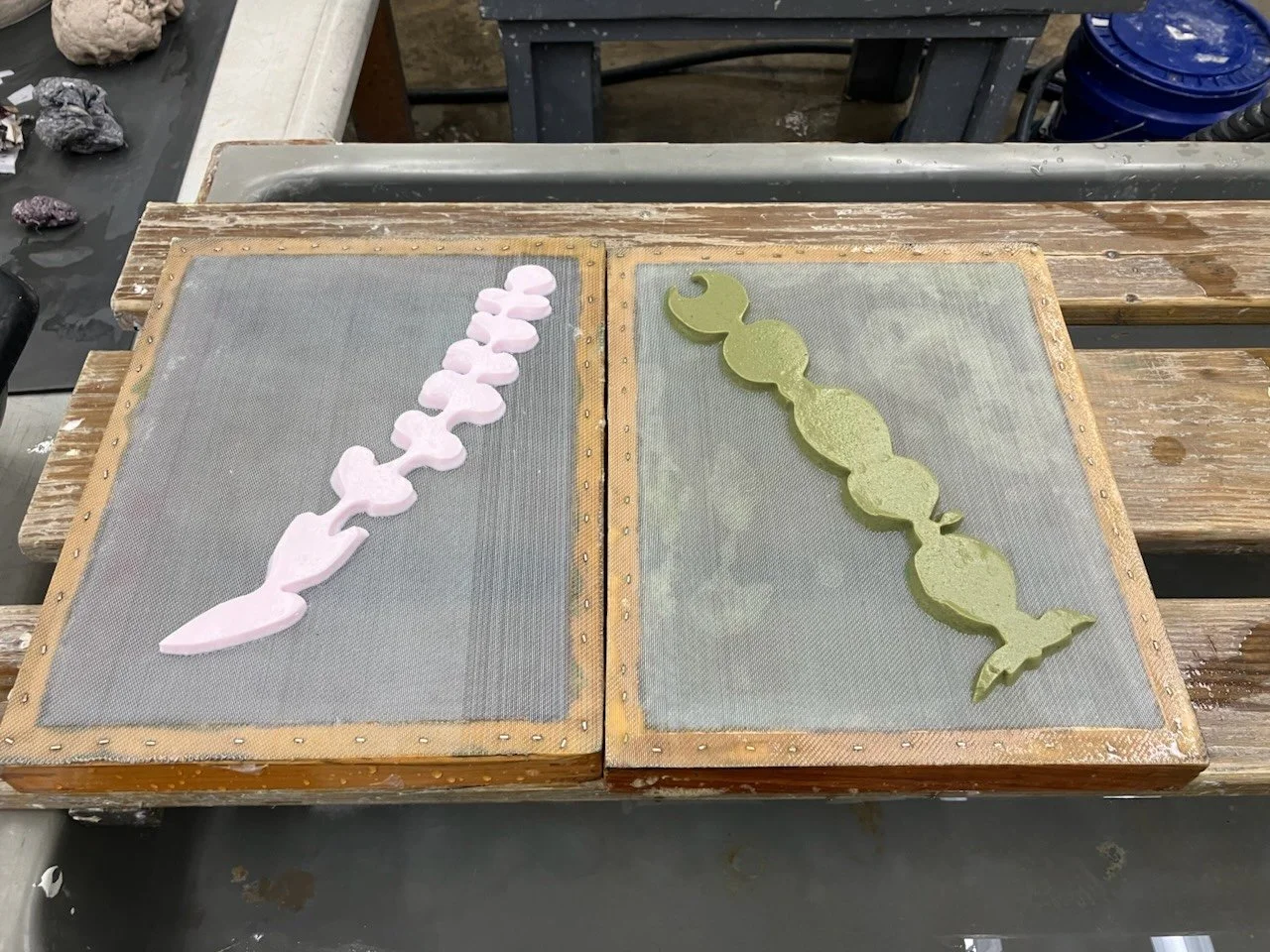
Process / Left to Right Blooms outside the WSW, April 22nd, 2025 Pulp-painting on hand-made yellow pigmented paper and drawing sketches (details 2, 3 & 4) Blown-out drawings with pigmented cotton Detail, dry artwork
Credits
Photography documentation by Seth Britton
Process documentation by the artist, Rosendale & New Paltz, NY, 2025
I’m deeply grateful to the Women’s Studio Workshop for facilitating their Papermaking Studio to do this work. Thank you Chris Petrone for sharing your Papermaking expertise during this project.
This creative work was supported by the Spring 2025 Dr. Nuala McGann Drescher Leave Program at SUNY NP. I’m grateful for the support of Department of Art Chair Lynn Batchelder and art colleagues, Beth Mugler Vargas, Executive Director SUNY NP Center for International Programs and the Office of the Dean and Provost at SUNY NP.
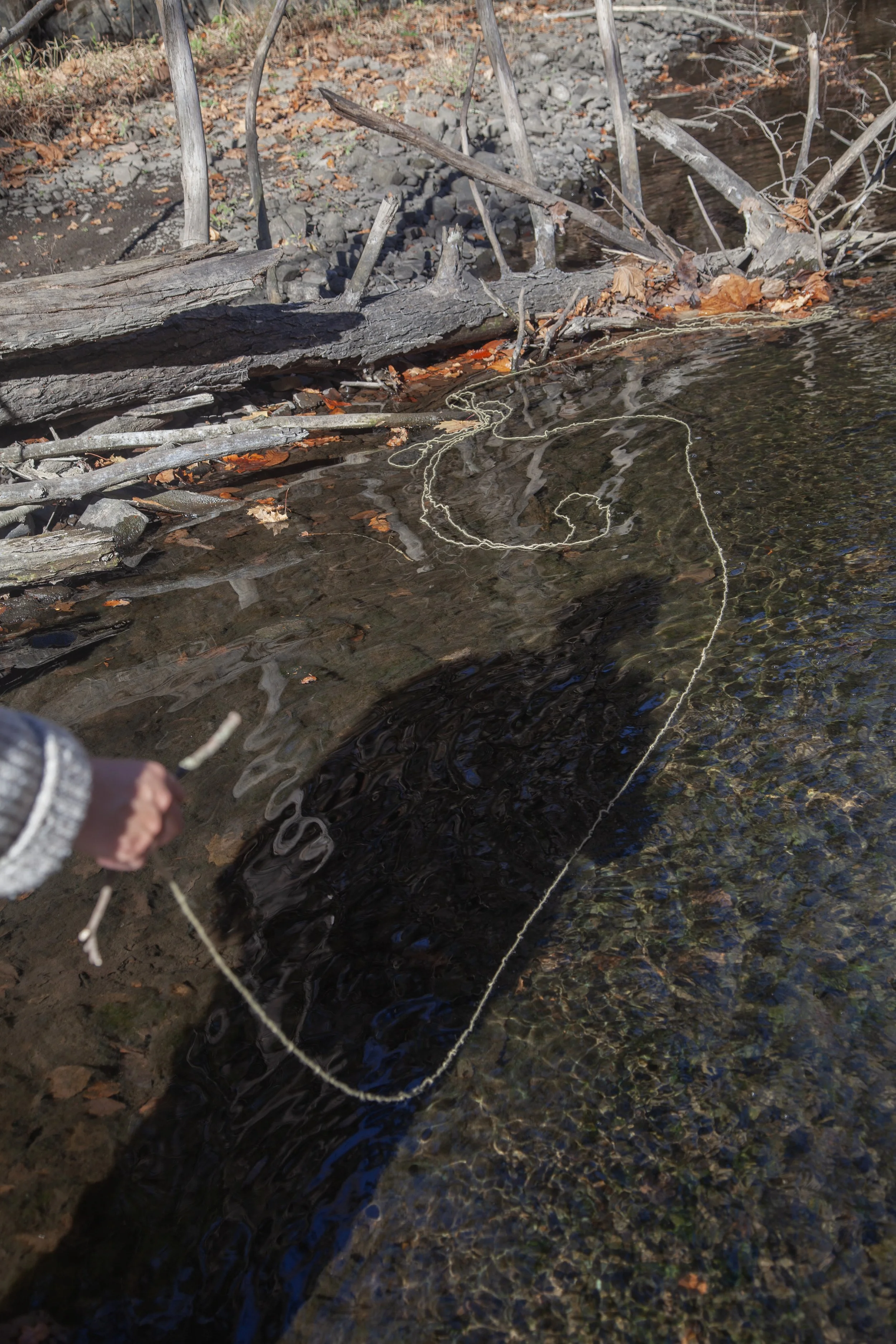
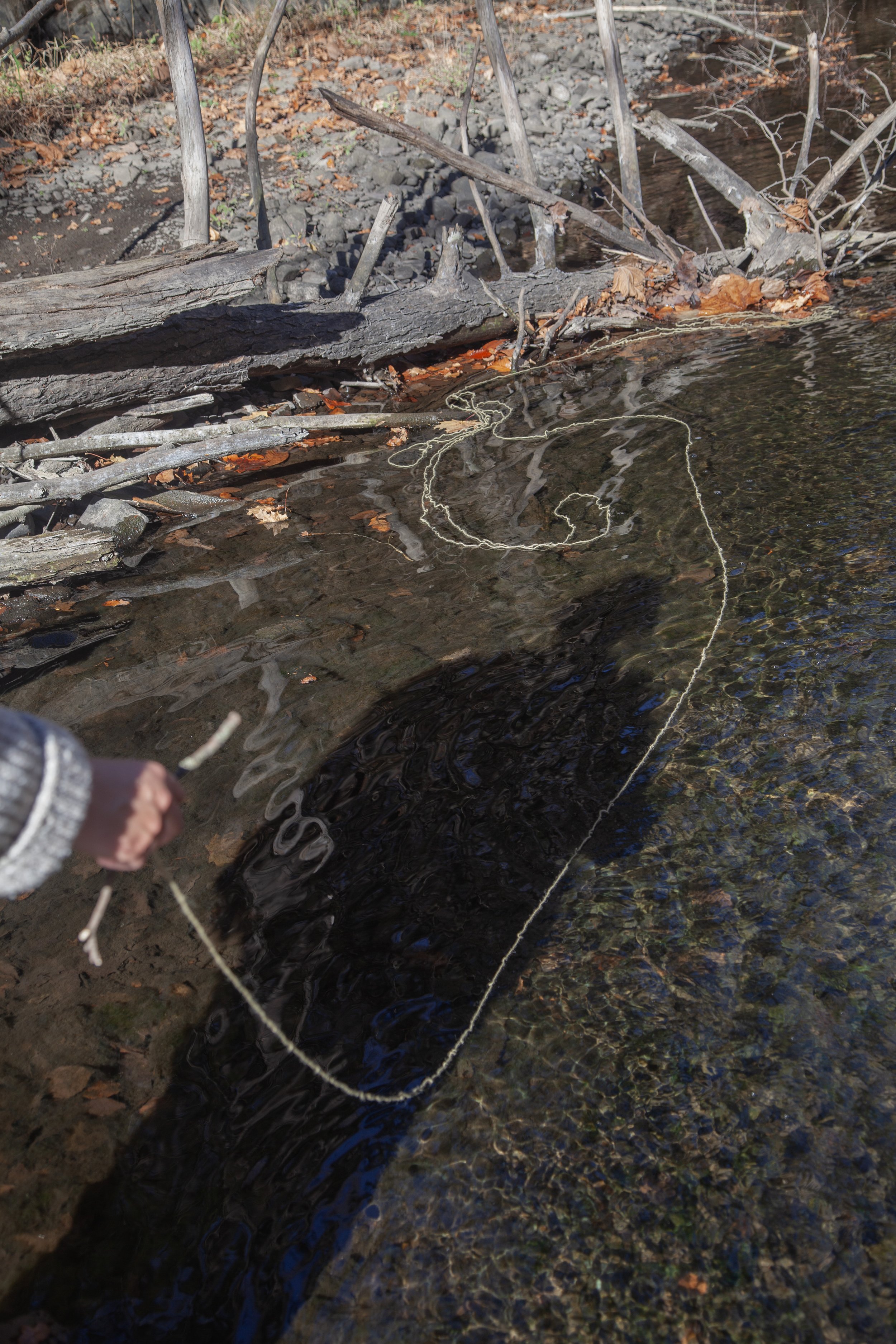
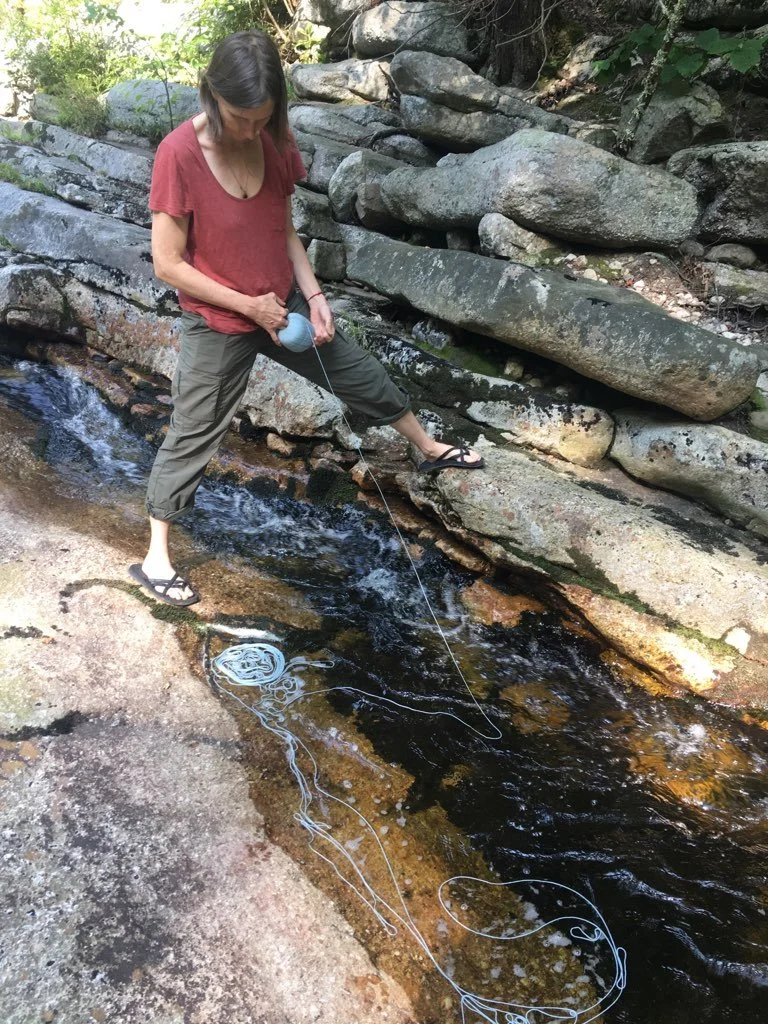
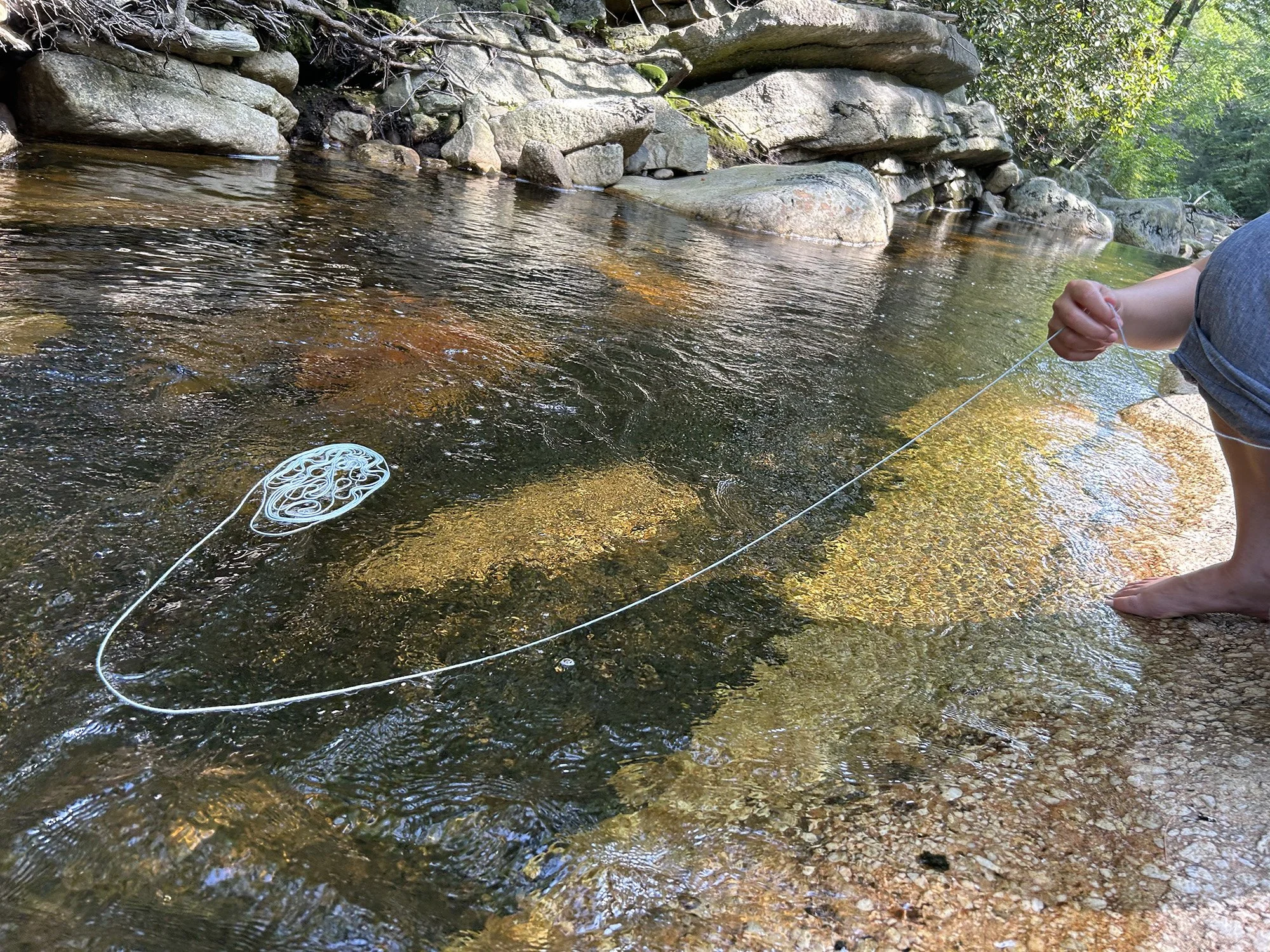
Water Lines (Collaboration Aurora De Armendi Sobrino and Andrea Frank)
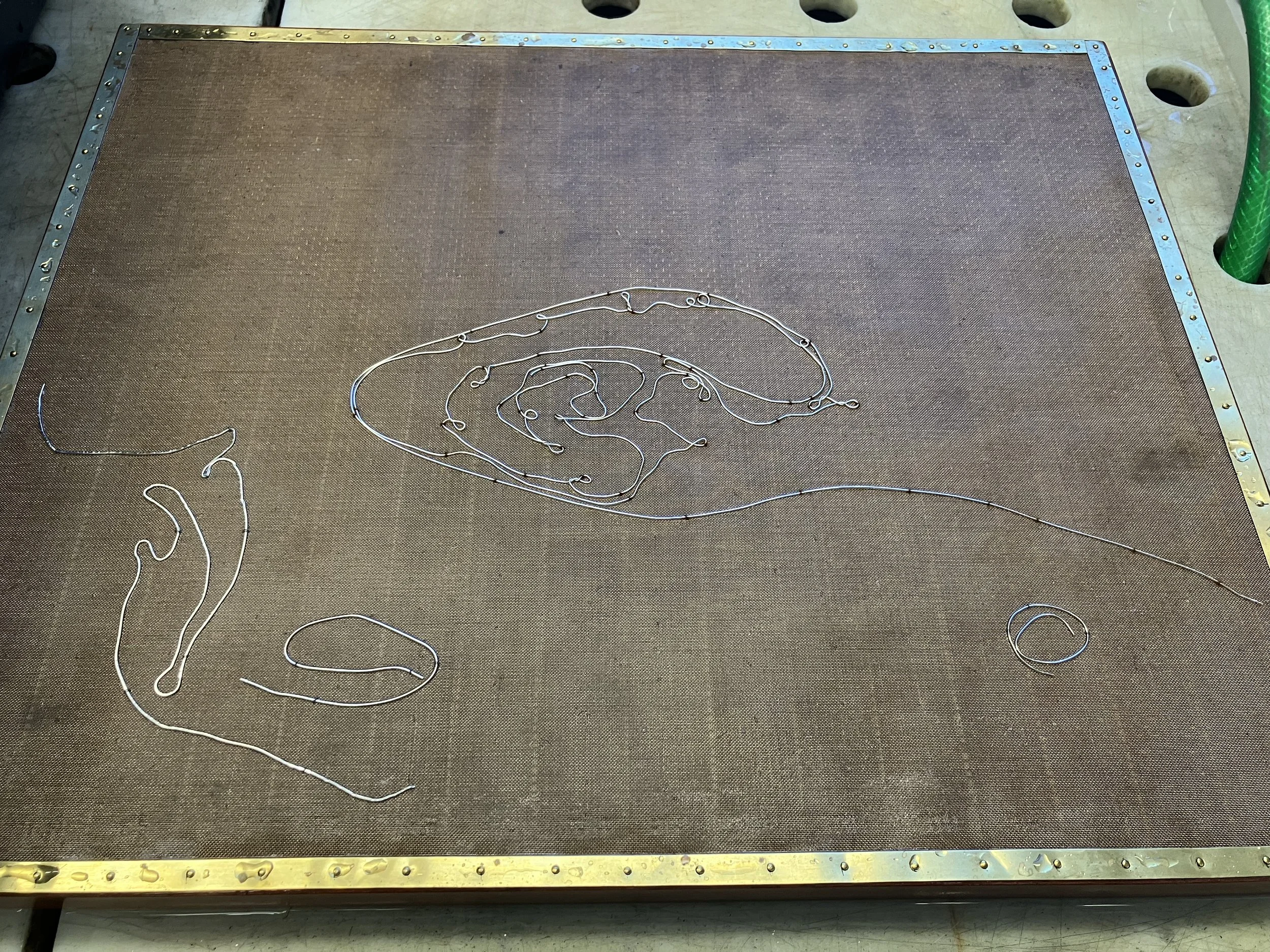
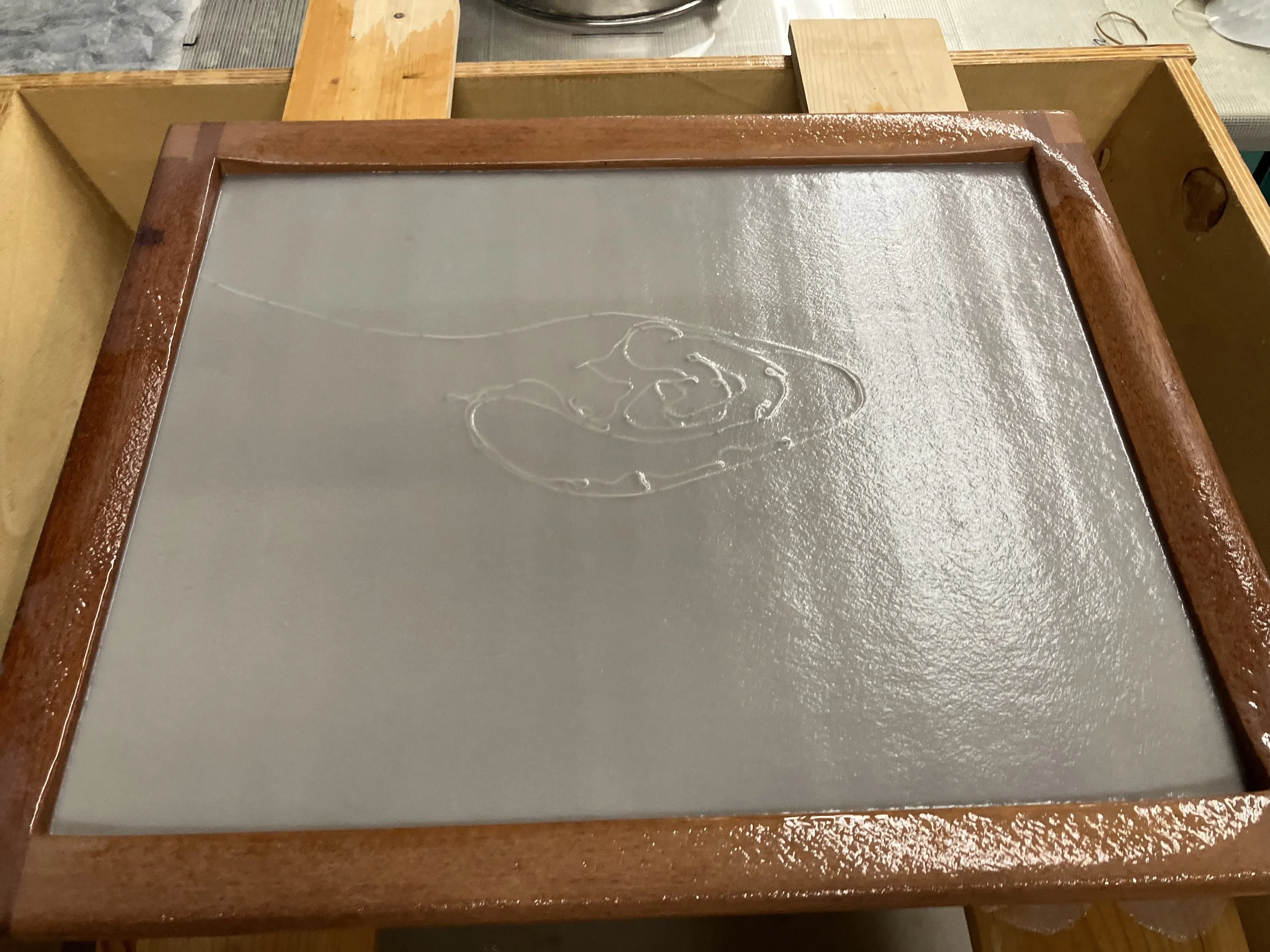
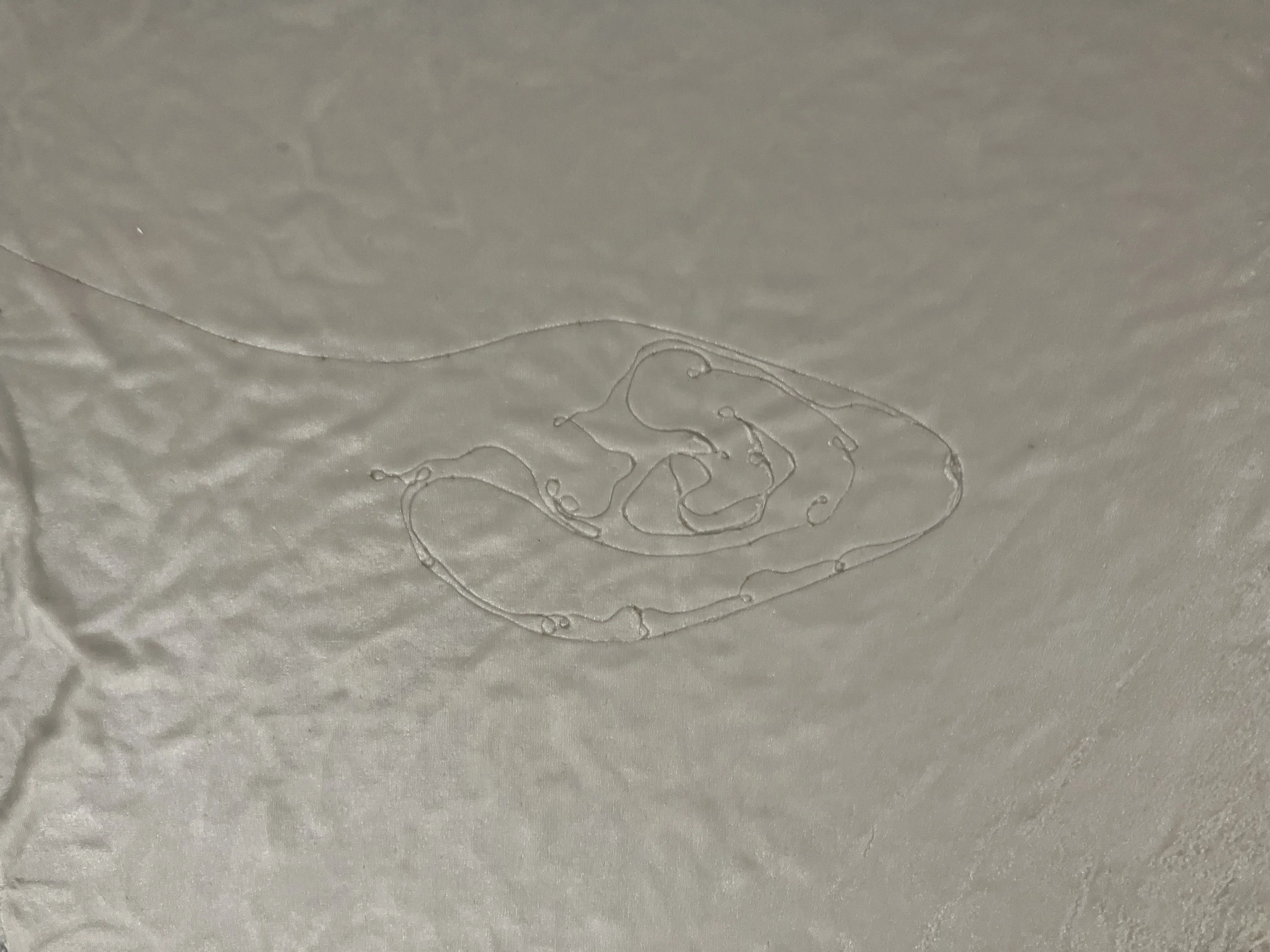
For Water Lines we are visiting local bodies of water including the Wallkill River, Rondout Creek, Coxing Creek, Black Creek, Esopus Creek, Peters Kill Creek and the Hudson River, making drawings with string in collaboration with the water’s current. These drawings are being translated into watermarks on over-beaten abaca fiber. Other research for this project includes learning from water keepers around the world, their embodied knowledge of water and related stories.
Photography documentation by the artists, NY 2023 - ongoing
Project supported by an Arts Mid-Hudson grant, NY (2025)
Ephemeral Drawings / Research for Water Lines project Digital Video: 15 minutes, 22 seconds, 2023 / Video by Andrea Frank
Andrea Frank, Aurora De Armendi Sobrino, Derek López Vergara, Anjali Tangirala, Anthony Dandridge, Wren Kingsley, Peterskill Stream
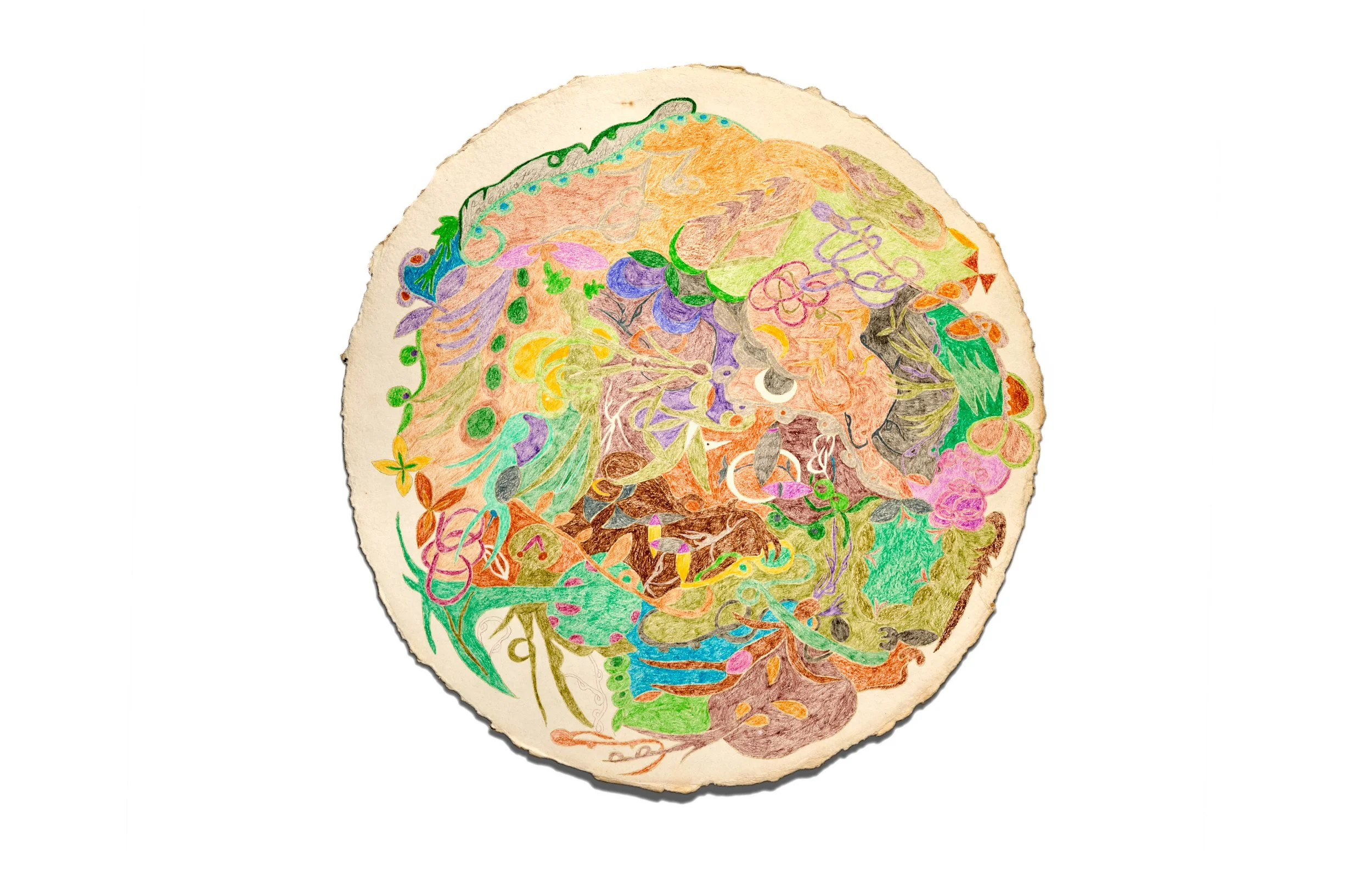
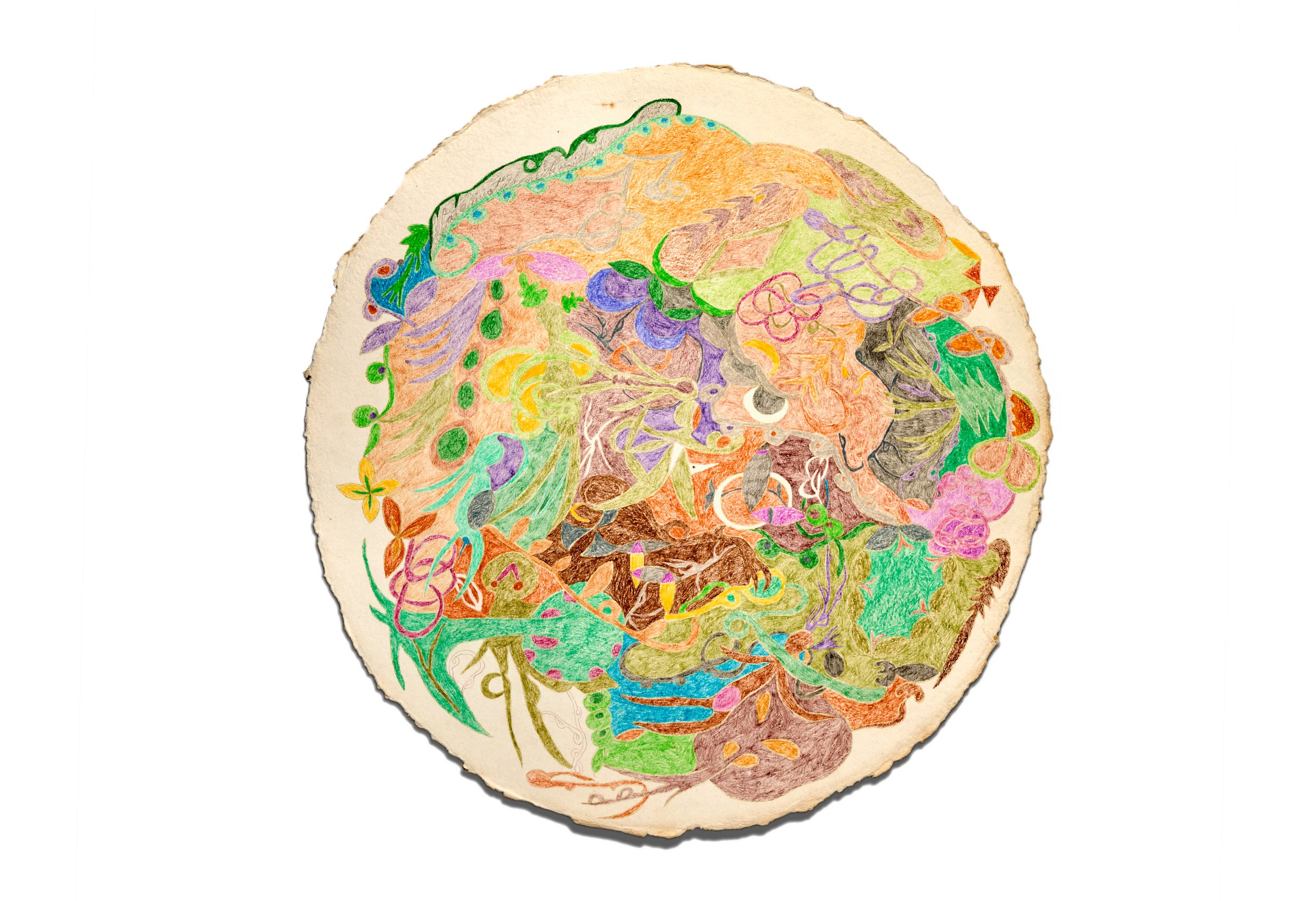
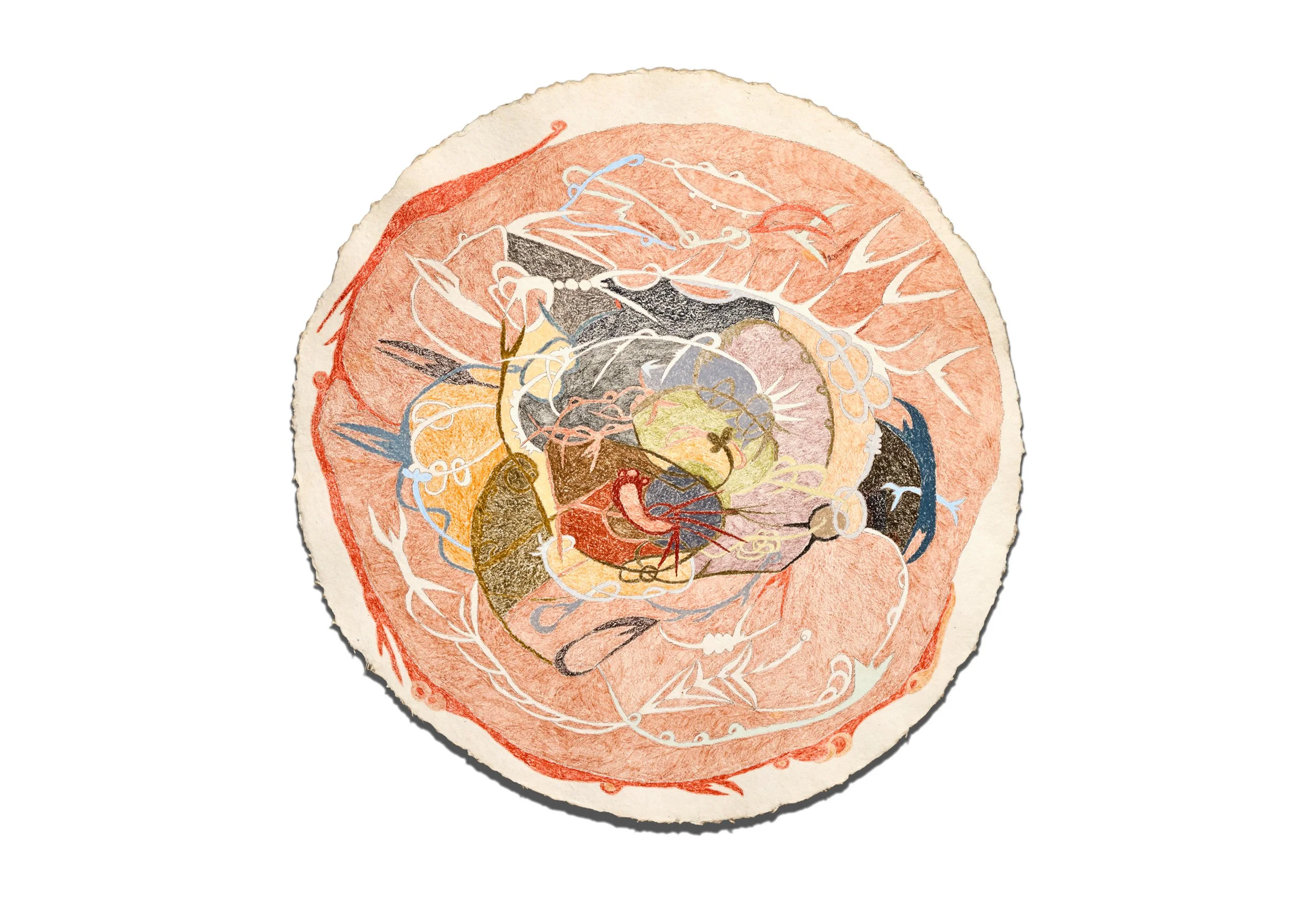
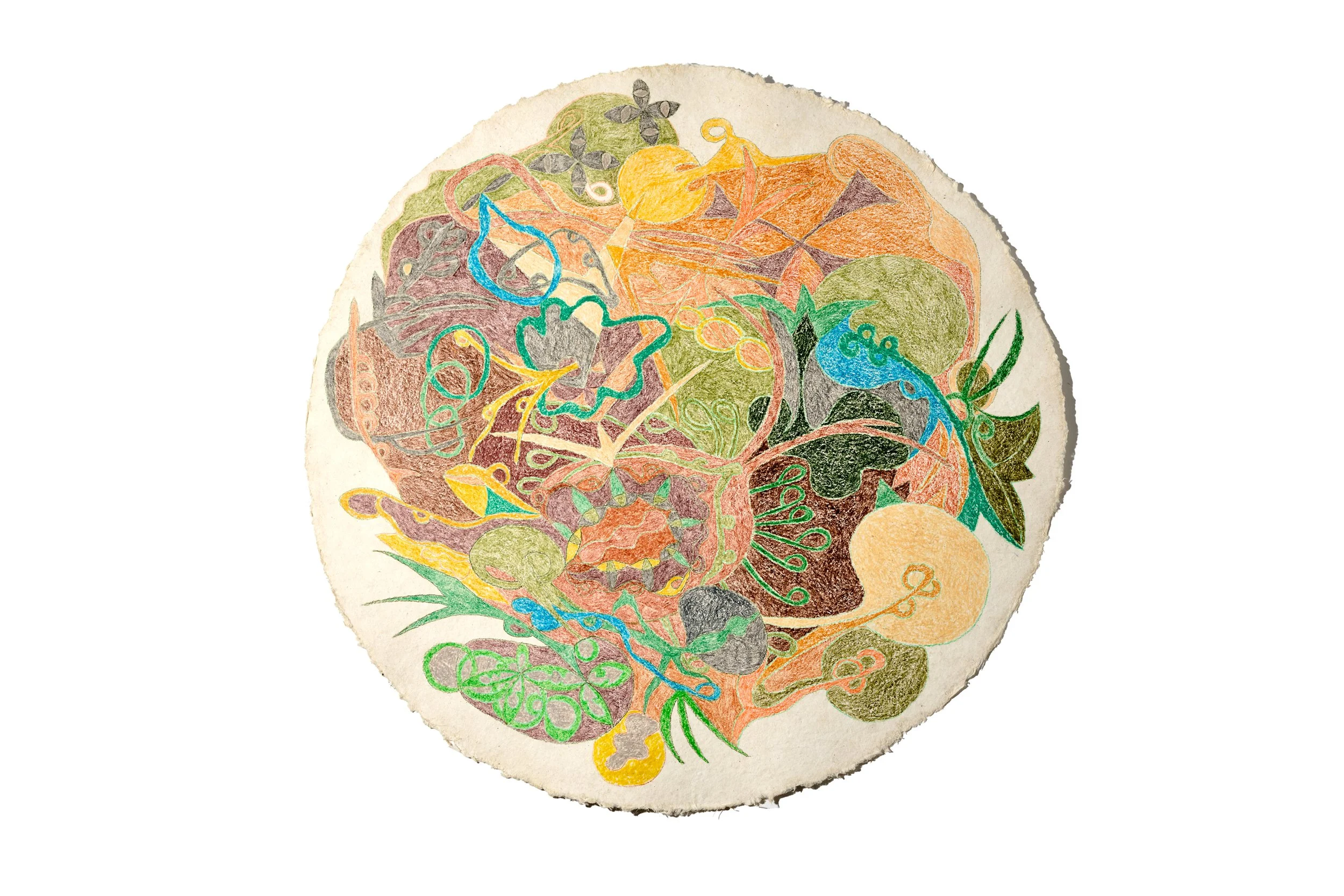
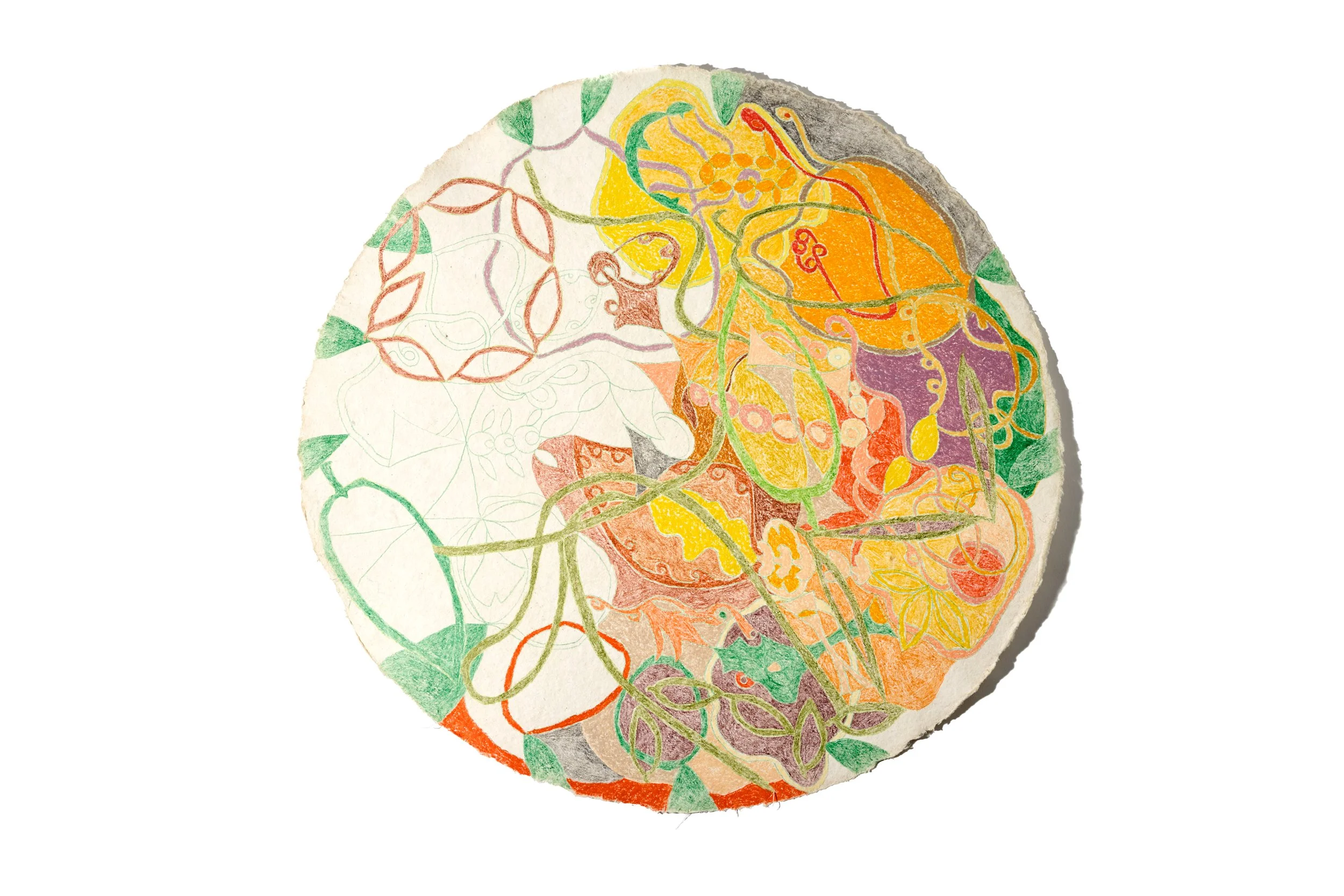
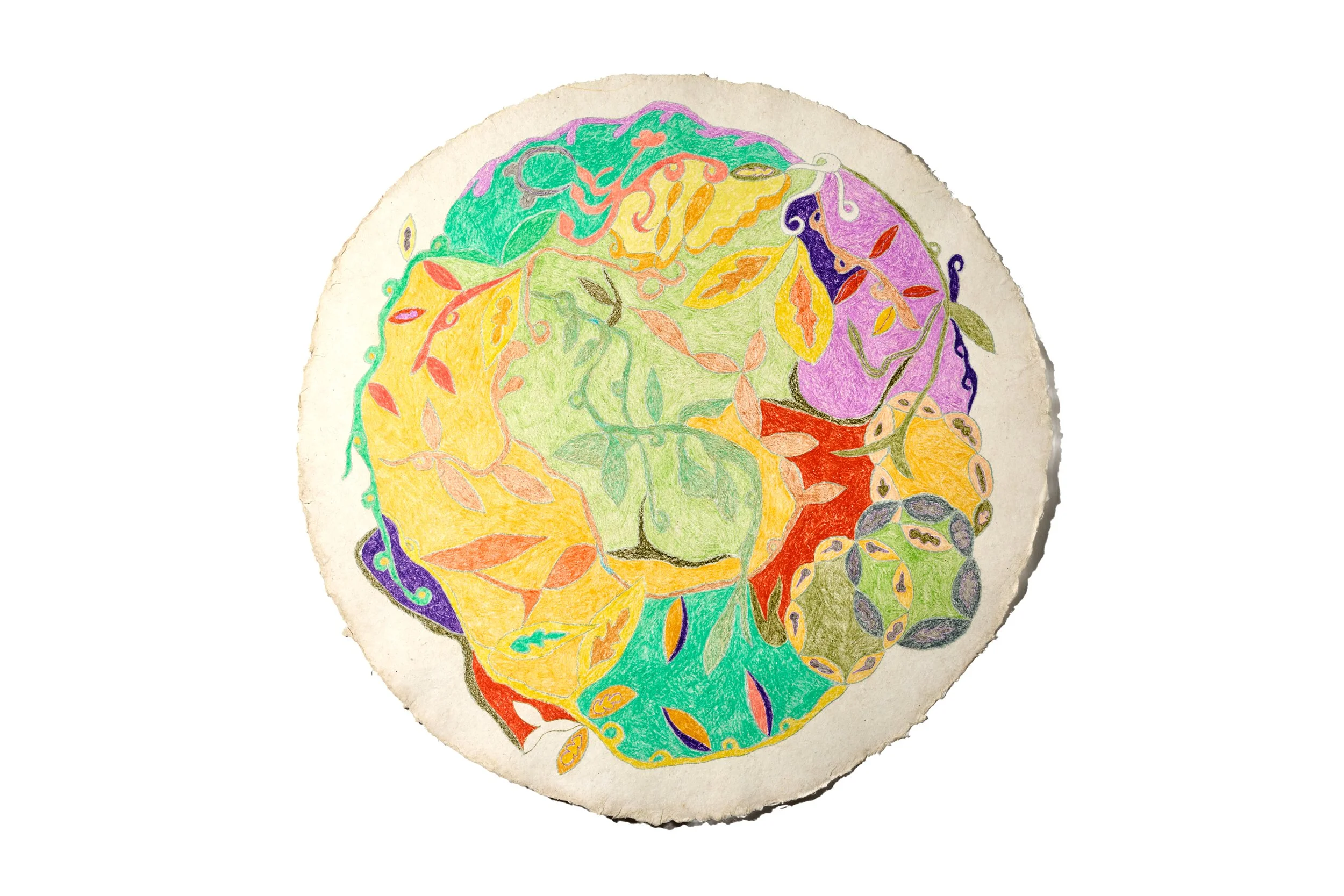
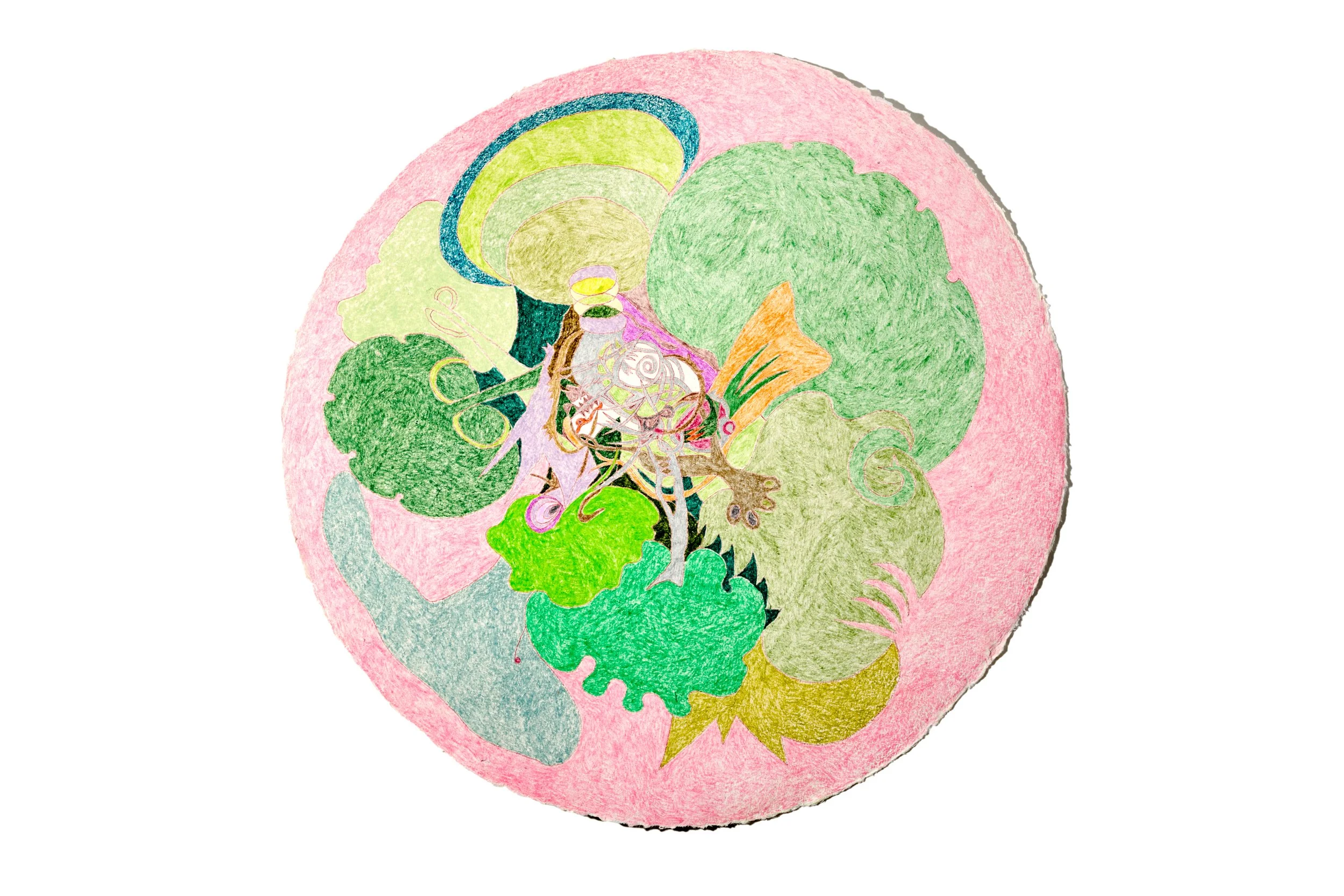
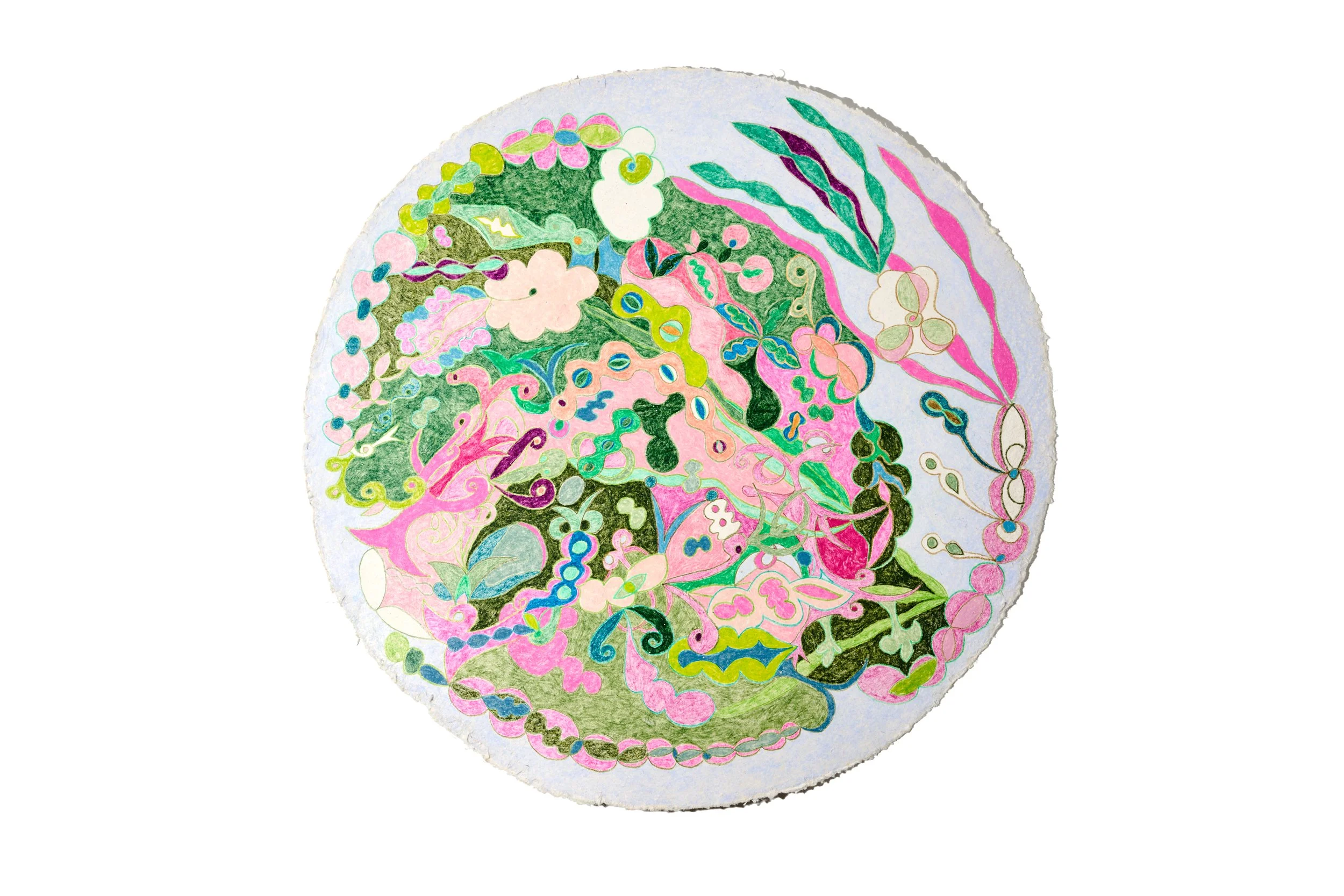
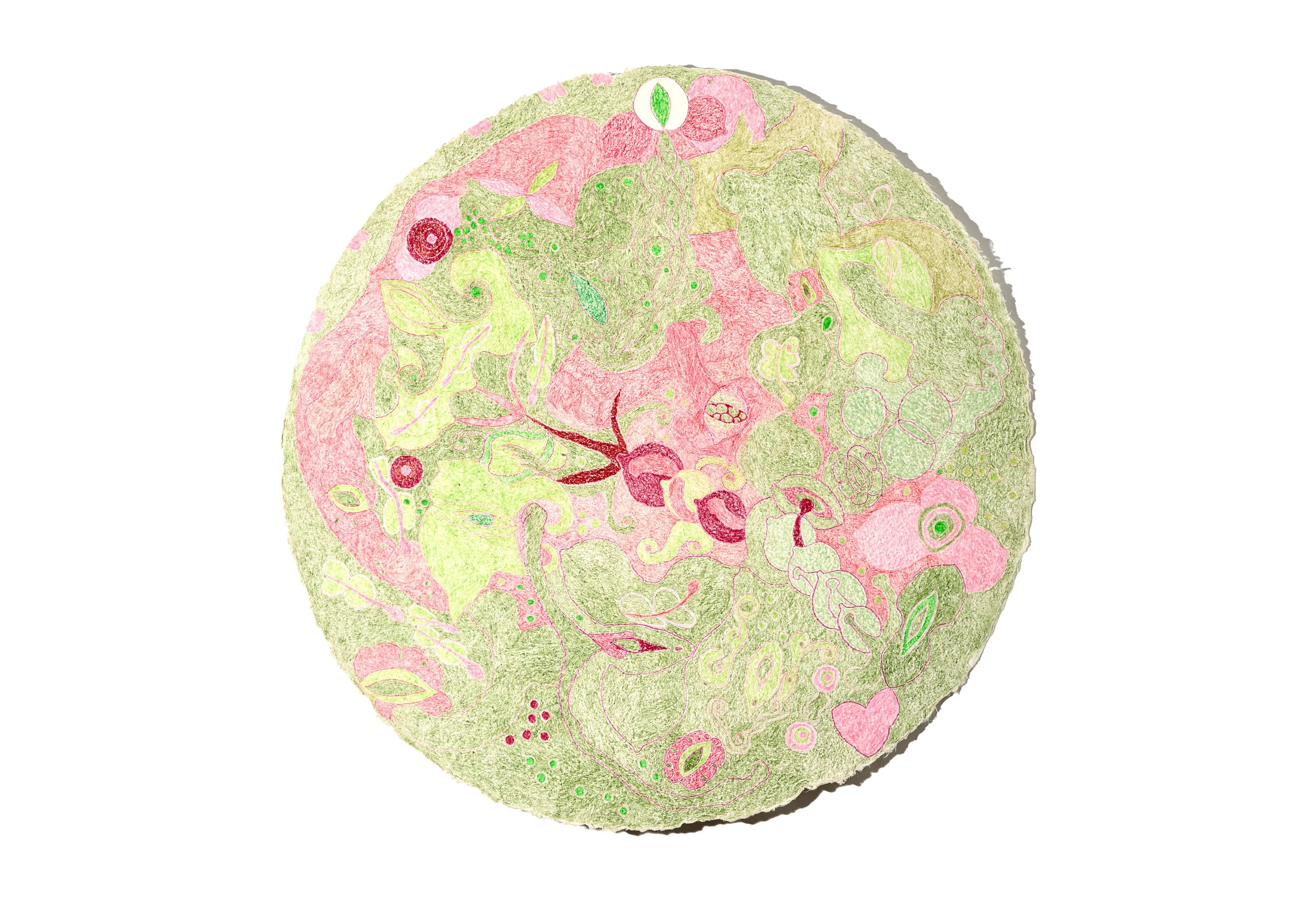
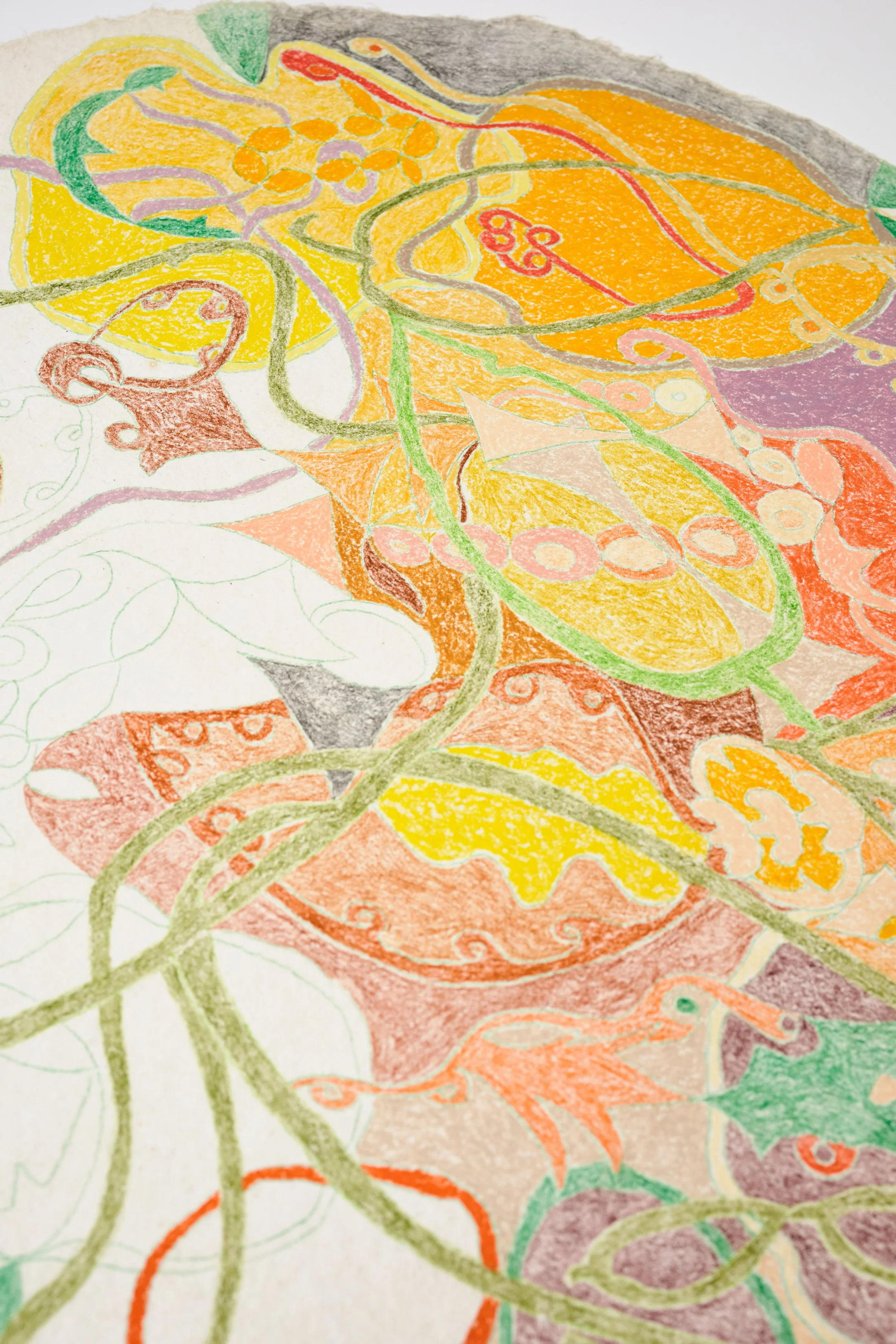
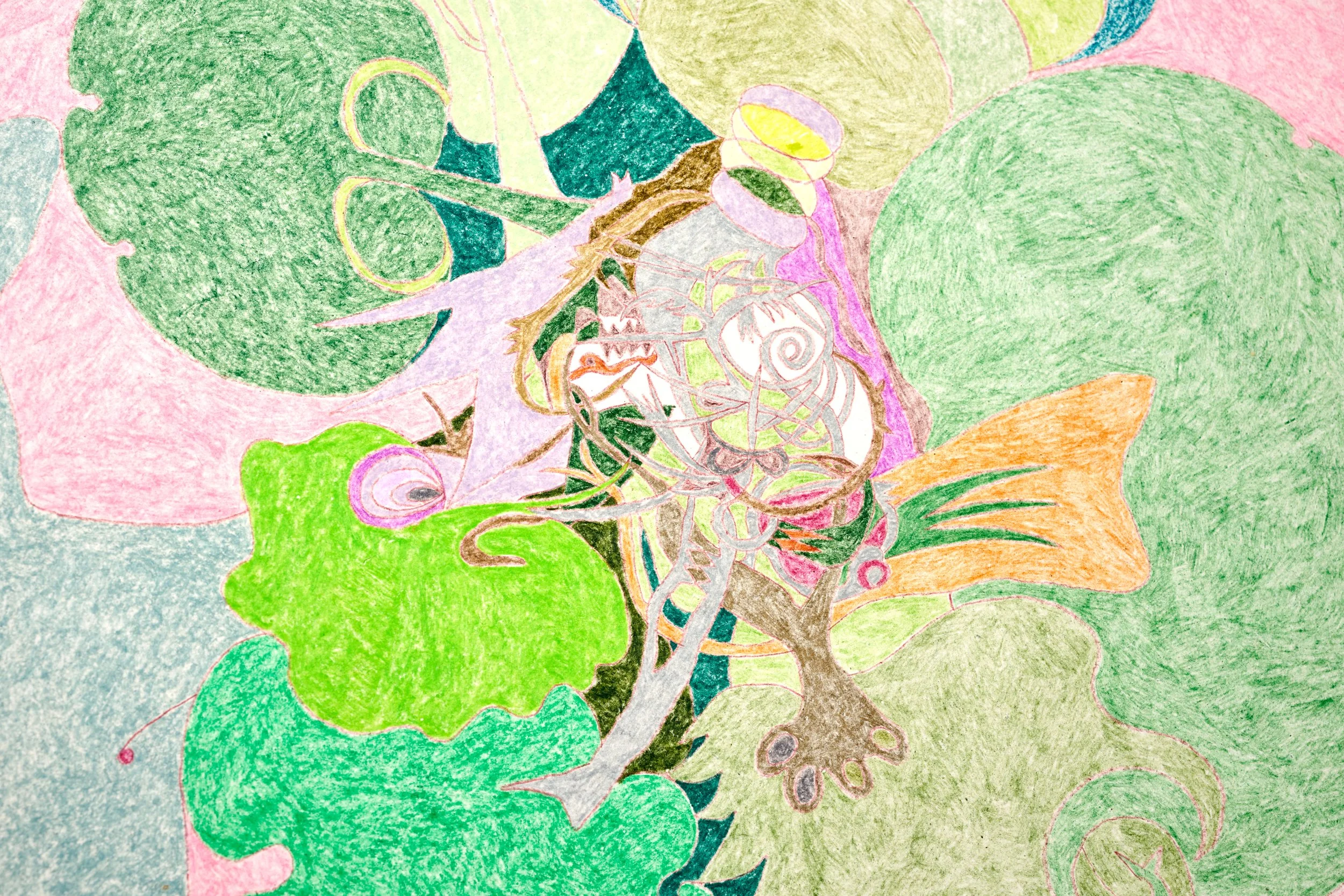
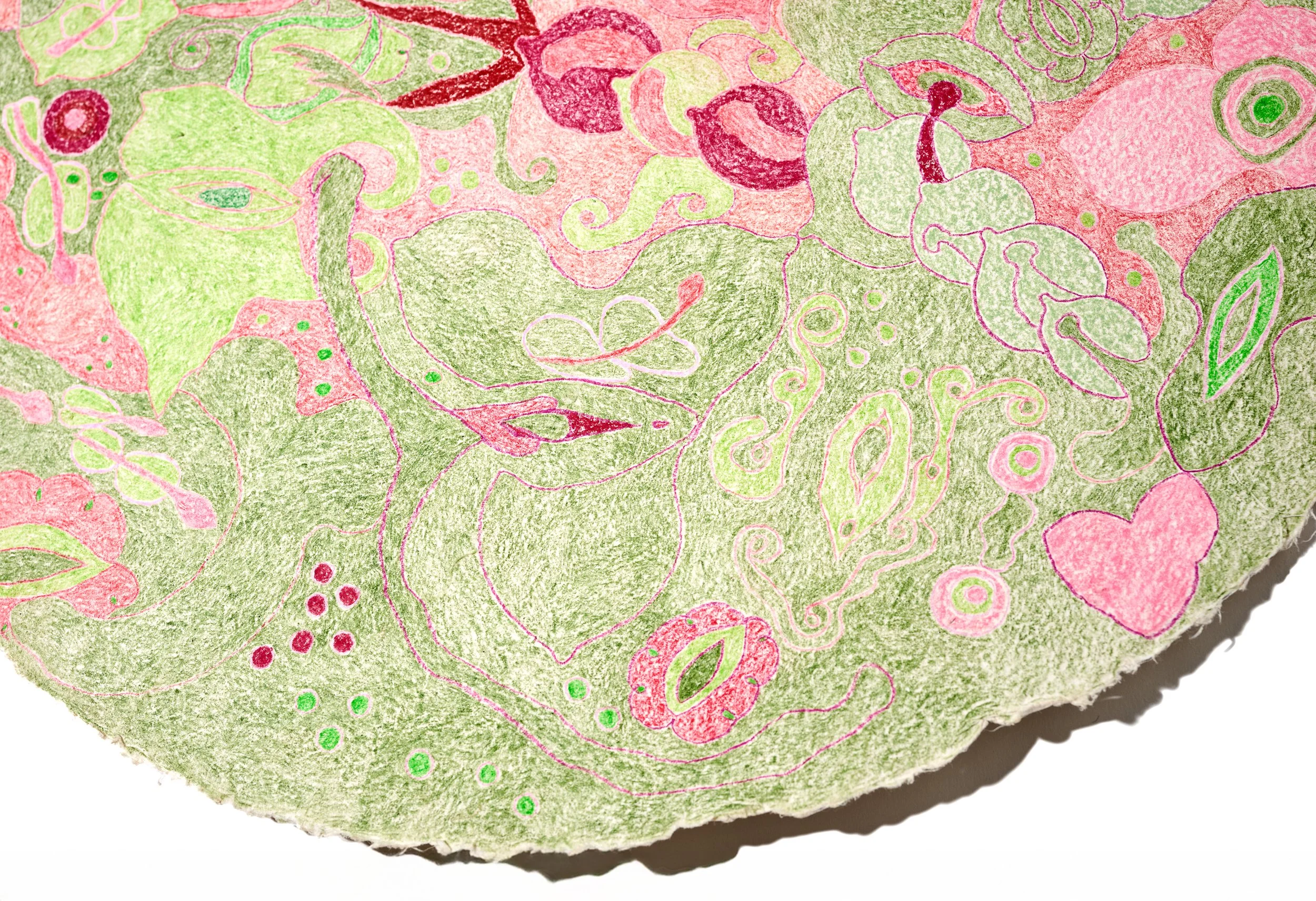
Top to Bottom
Dibujos Circulares 1 Color pencil drawing on hand-made cotton paper, 17 inches diameter, 2023, Esopus, NY
Dibujos Circulares 2 Color pencil drawing on hand-made cotton paper, 17 inches diameter, 2023, Bronx, NY
Dibujos Circulares 3 Color pencil drawing on hand-made cotton paper, 17 inches diameter, 2023, Esopus, NY
Dibujos Circulares 4 Color pencil drawing on hand-made cotton paper, 17 inches diameter, 2023, Esopus, NY
Dibujos Circulares 5 Color pencil drawing on hand-made cotton paper, 17 inches diameter, 2024, Esopus, NY
Dibujos Circulares 6 / La timidez de los árboles Color pencil drawing on hand-made cotton paper, 17 inches diameter, 2024 - 2025, New Paltz, NY
Dibujos Circulares 7 Color pencil drawing on hand-made cotton paper, 17 inches diameter, 2024 - 2025, New Paltz, NY
Dibujos Circulares 8 / The pleasure of nature Color pencil drawing on hand-made cotton paper, 17 inches diameter, 2025, New Paltz, NY
***
Photography documentation by Seth Britton
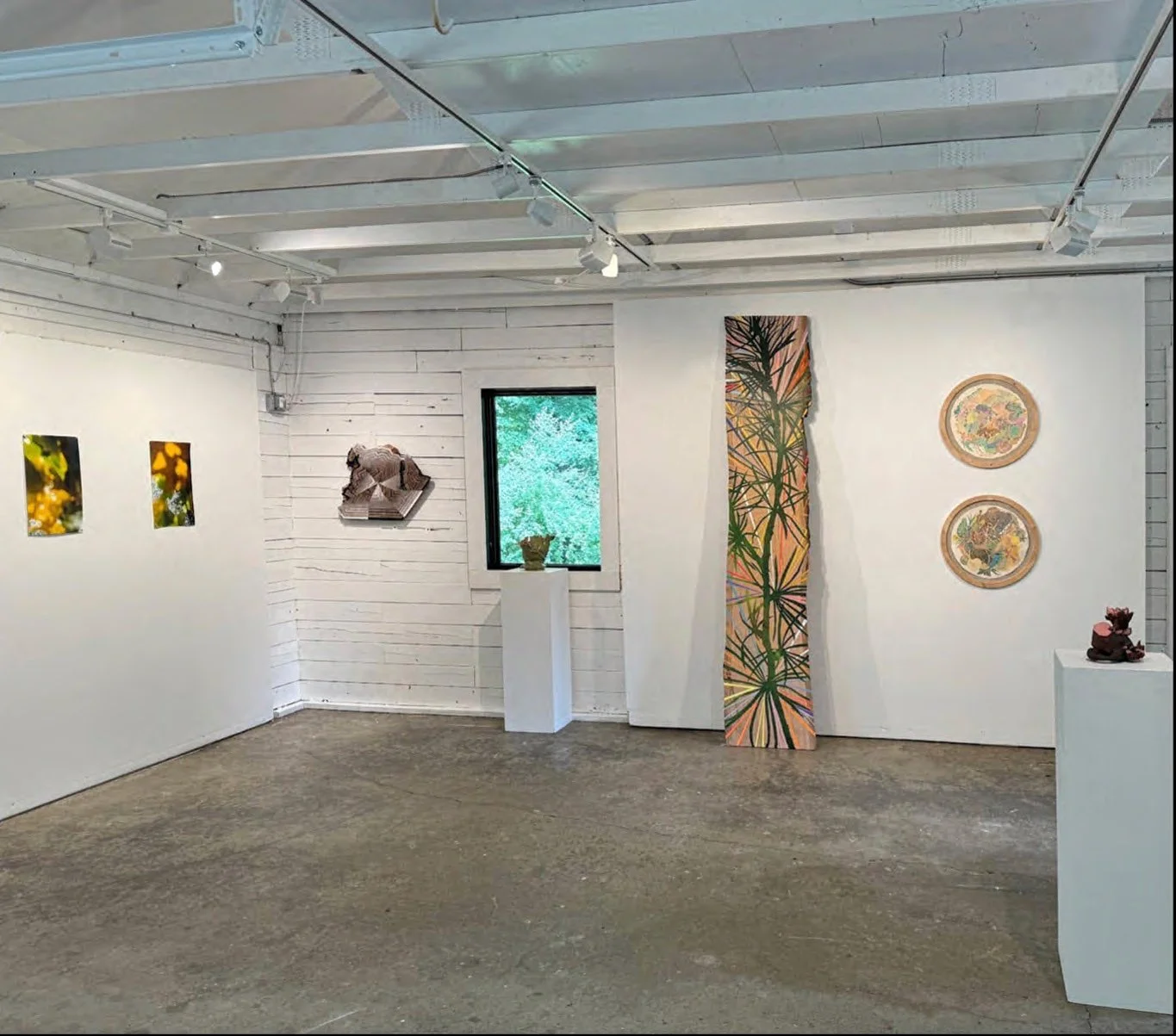
Second Nature / N/A project space
Artists: Aurora De Armendi Sobrino, Julie Evans, Mollie McKinley, Jason Middlebrook, Susan Walsh, Susan Wides, Kathleen Vance.
Curated by Karlyn Benson / July 13, 2024 - July 28, 2024 / New Paltz, NY
***
Photography documentation courtesy of Karlyn Benson
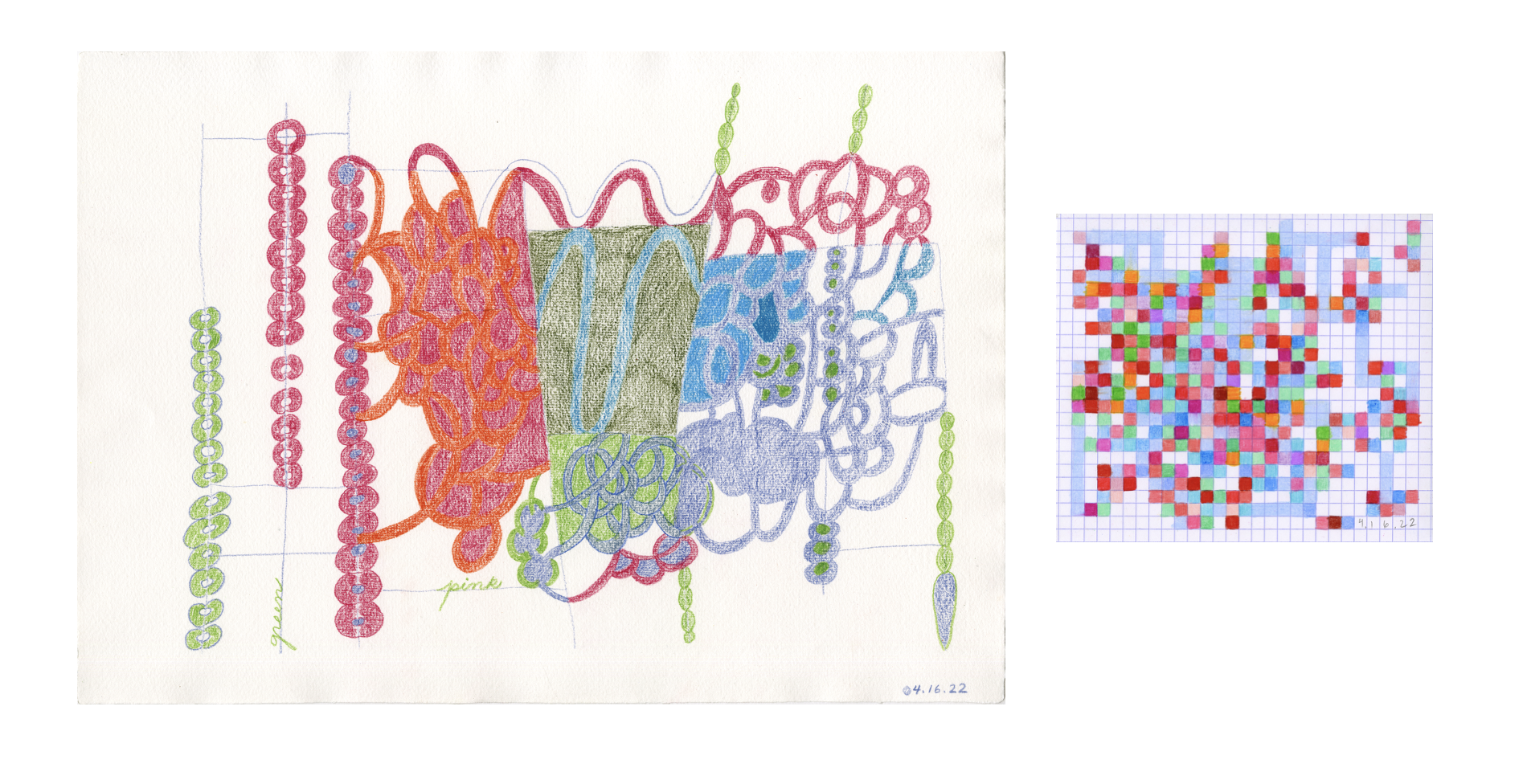
A Selection of Drawing Together / Dibujando Juntas / Project with Amy Pryor
Color pencil on paper Dimensions variable 2023 - 2025
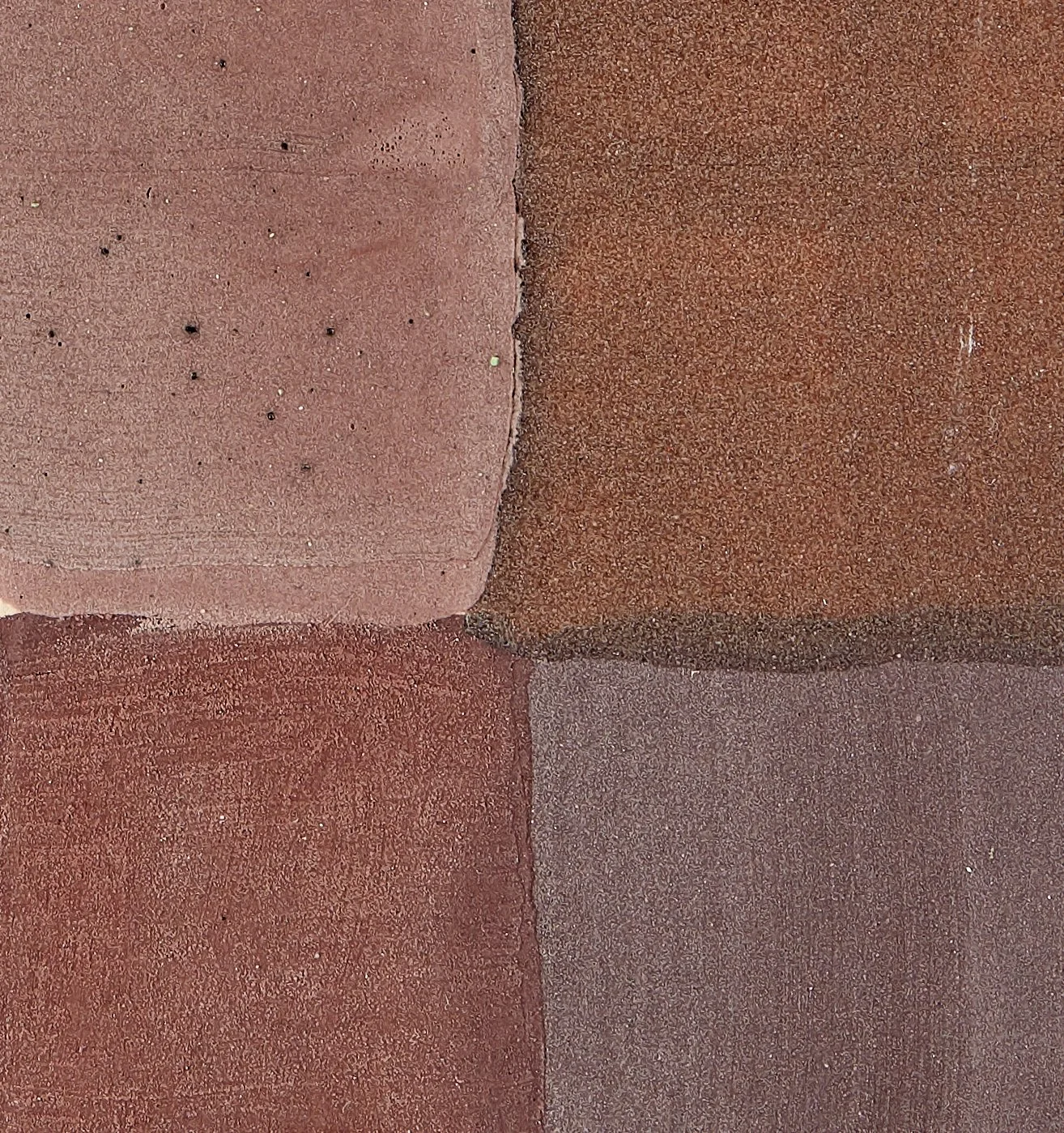
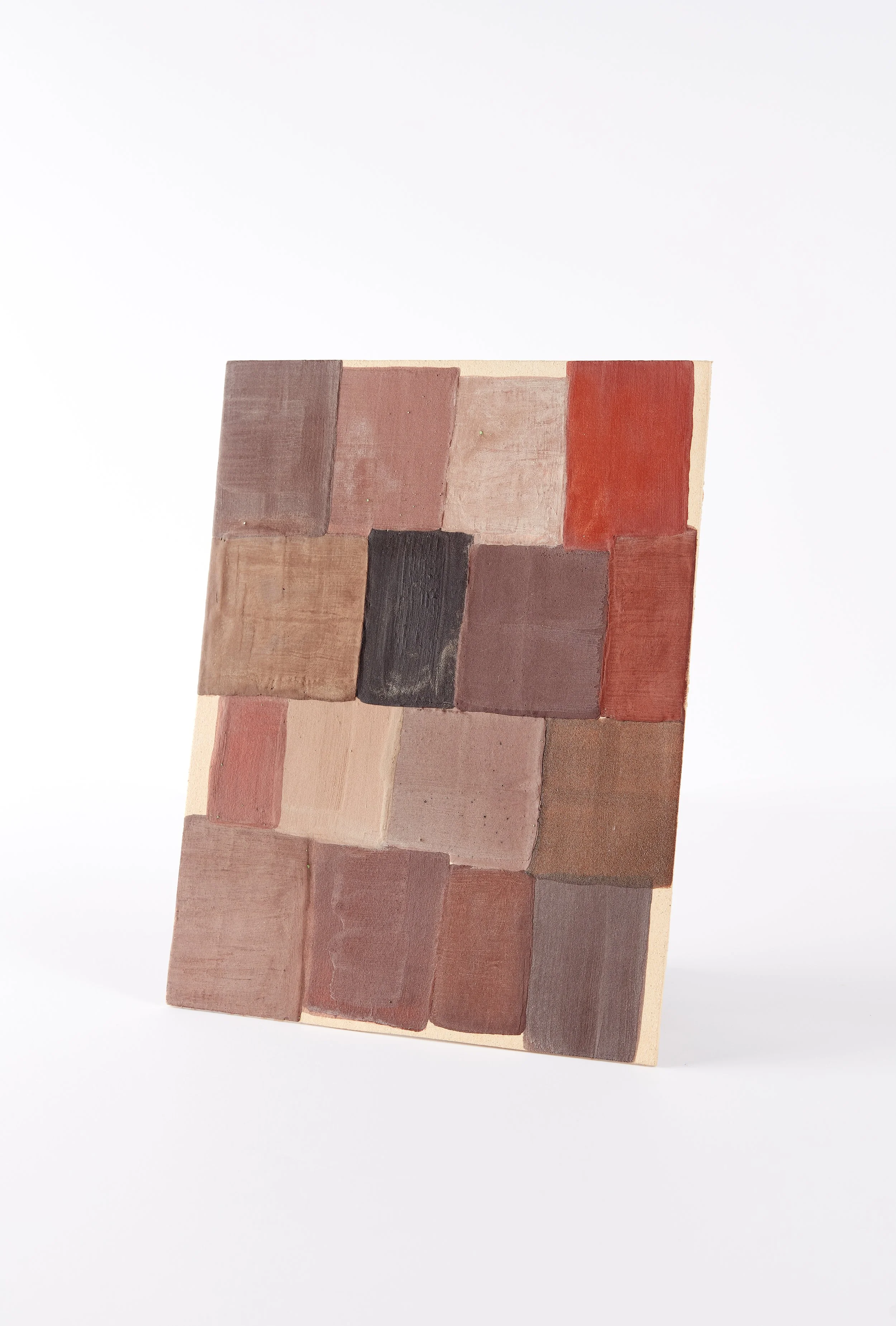
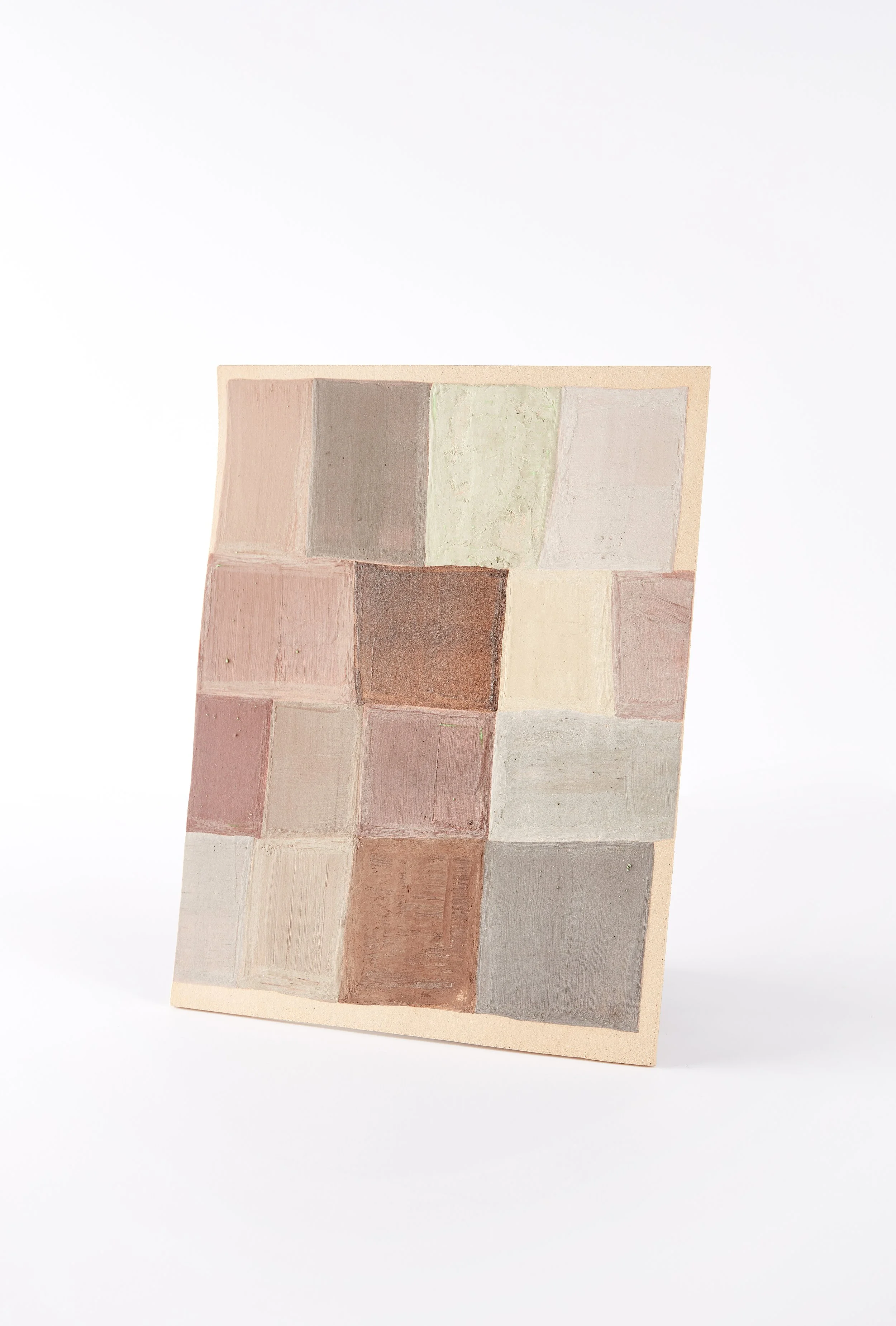
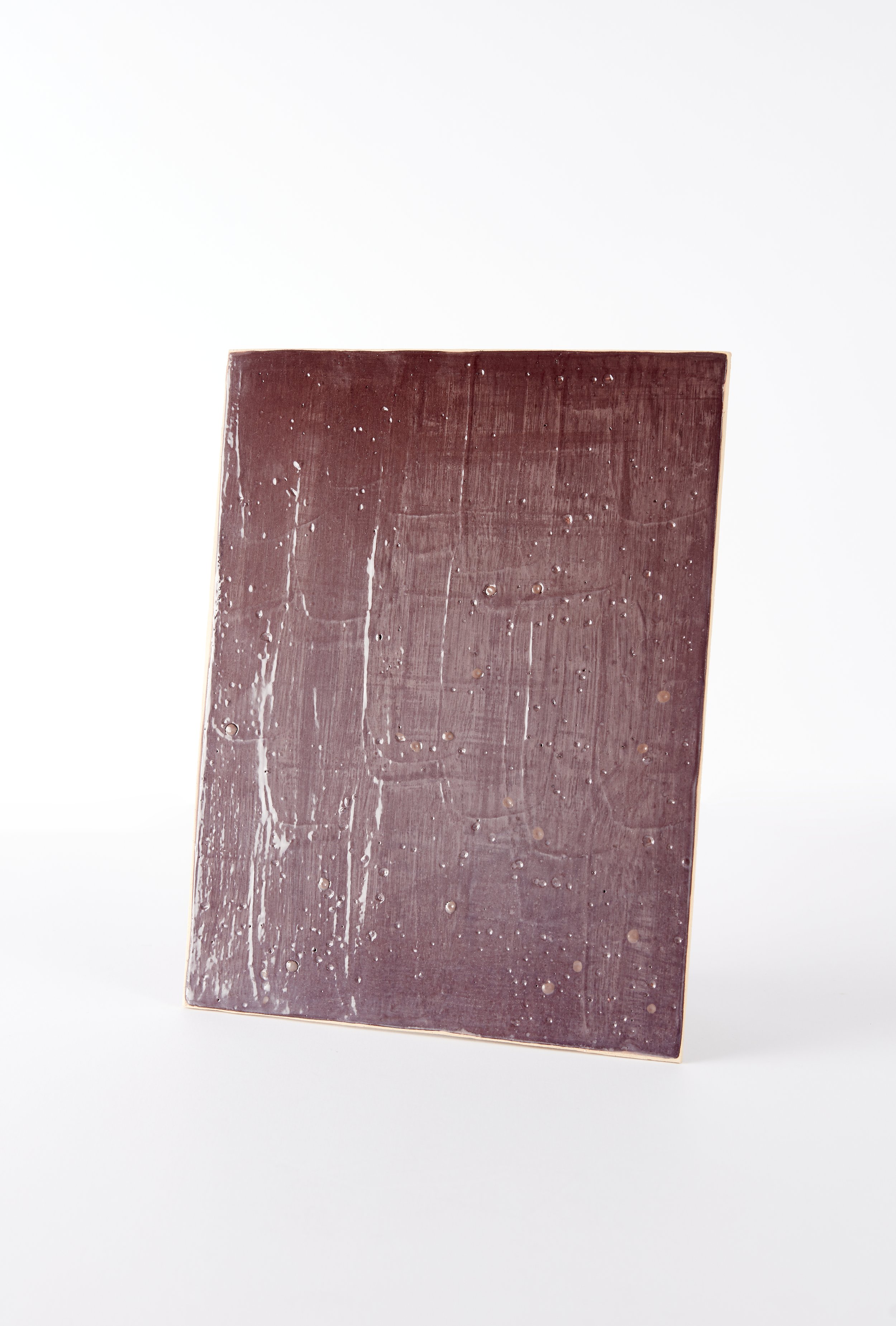
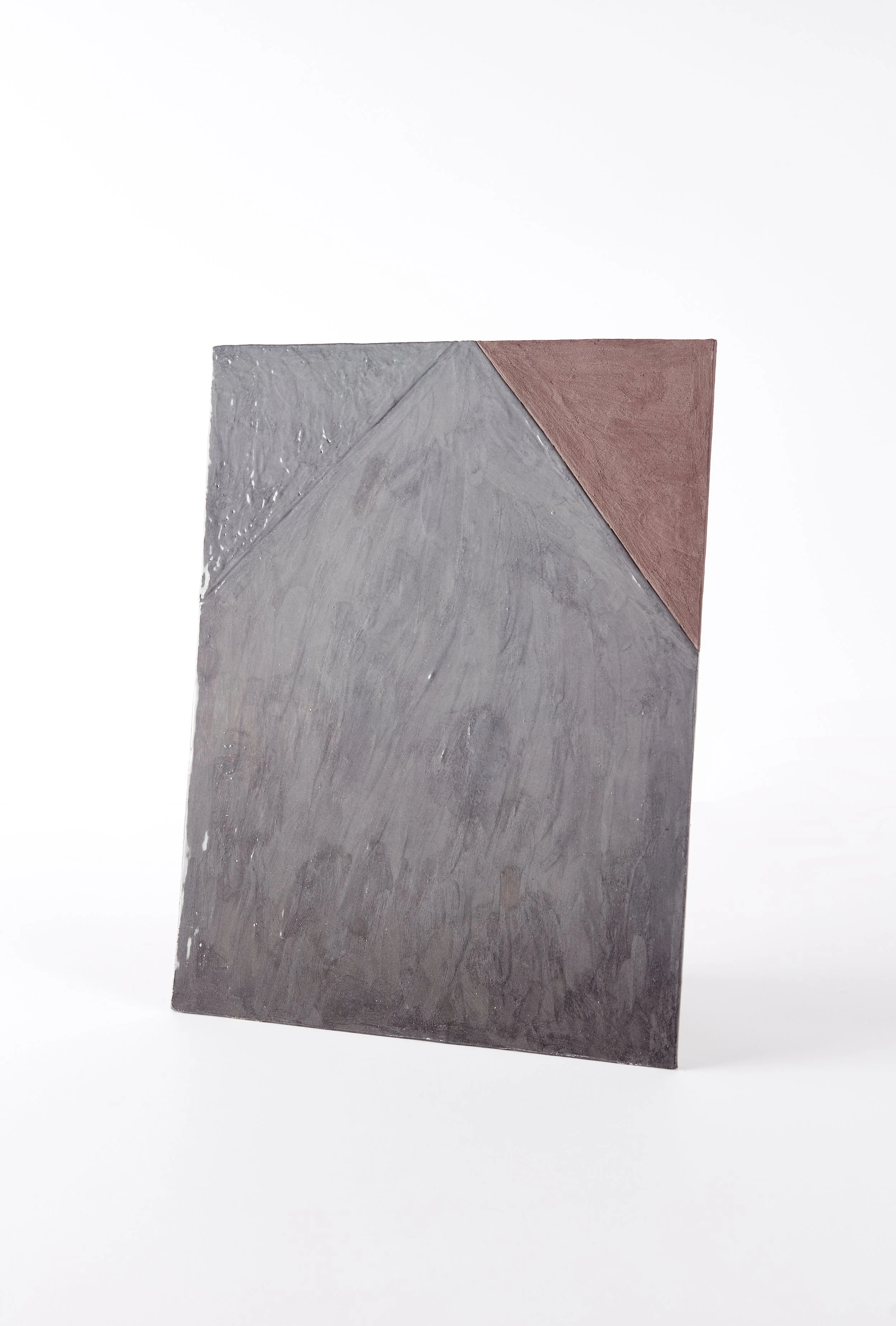
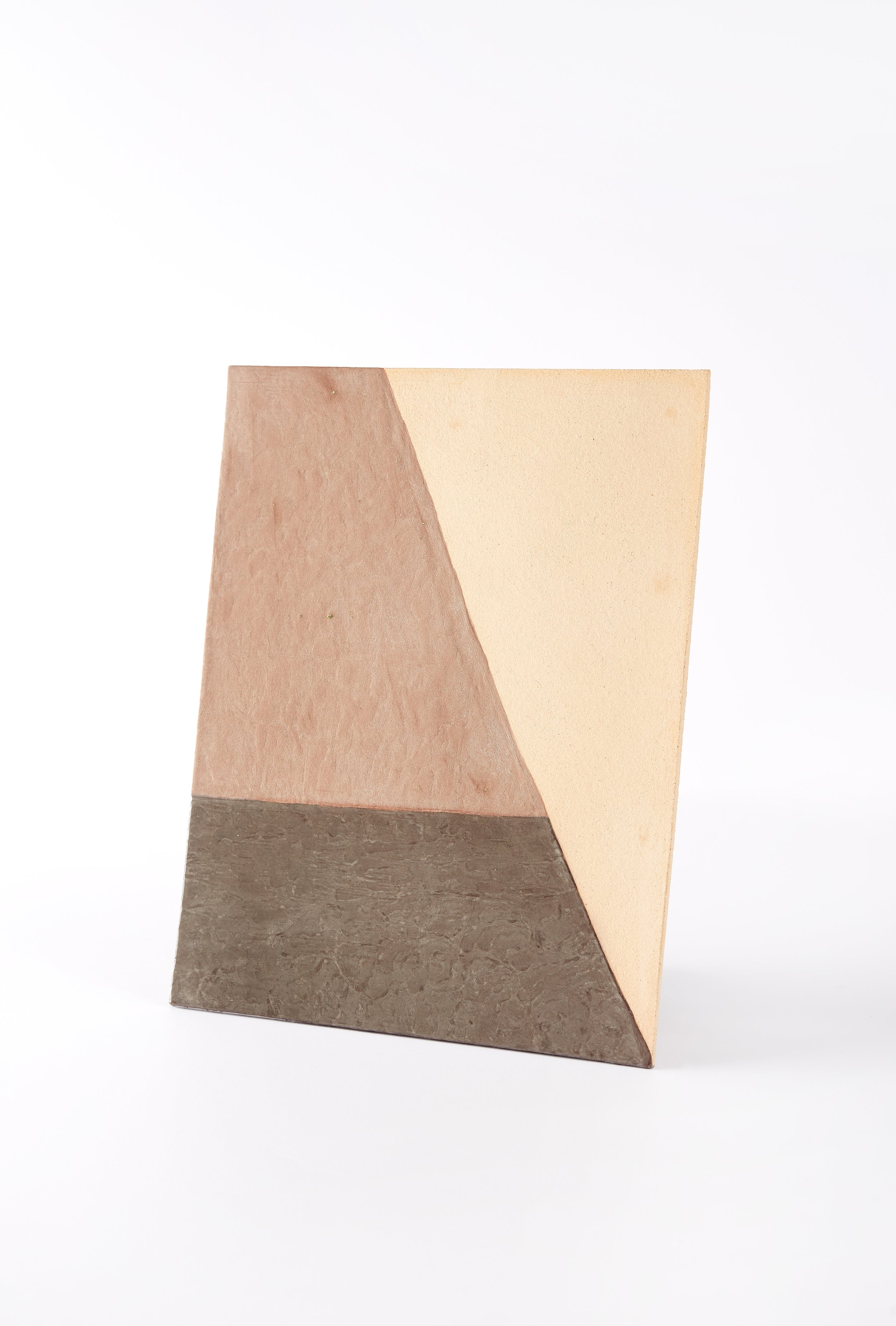
Colores y Territorios
Paintings on clay tablets using pigmented slips 8.5 x 11 inches 2019
***
Photography documentation by Argenis Apolinario
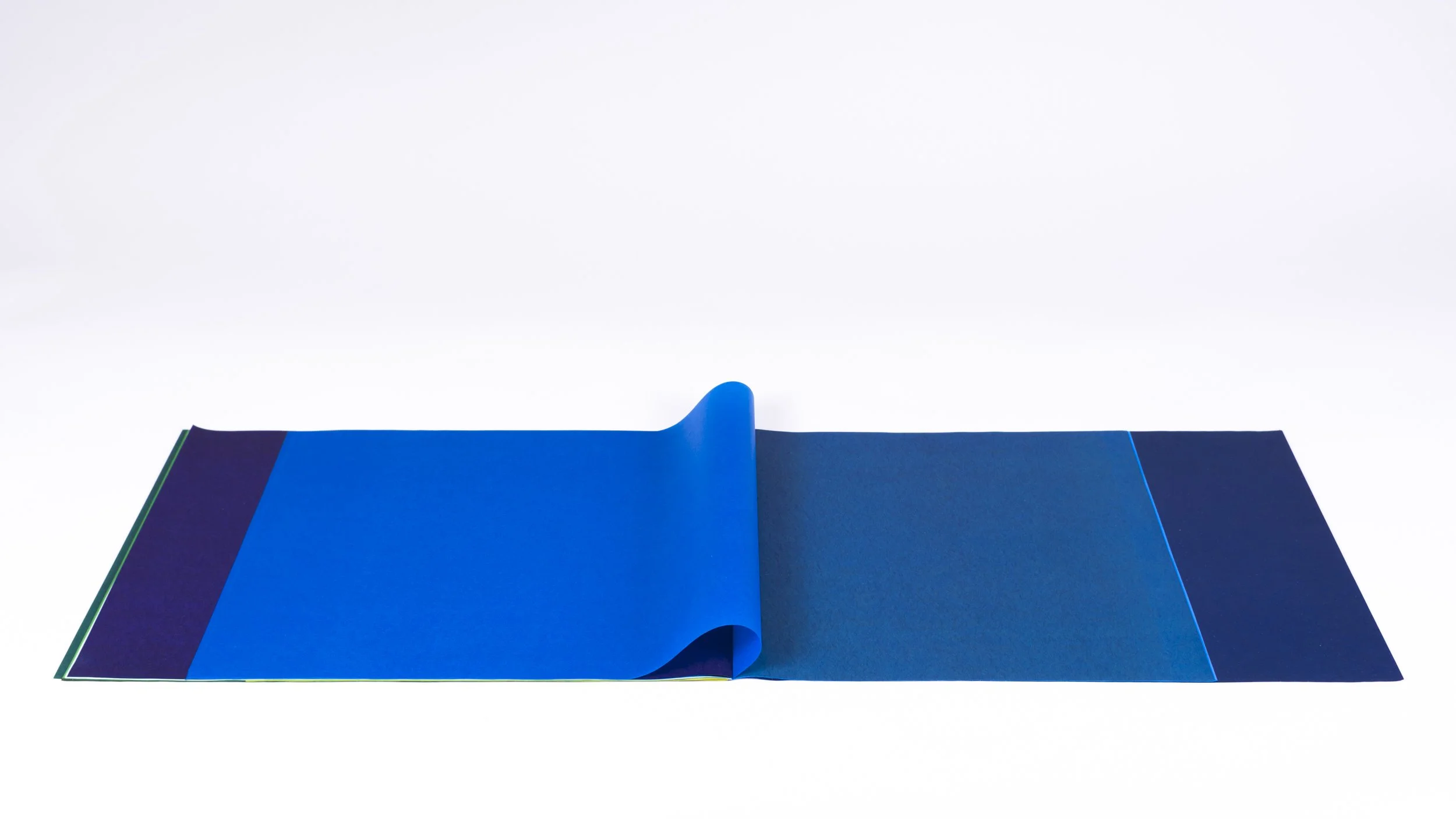
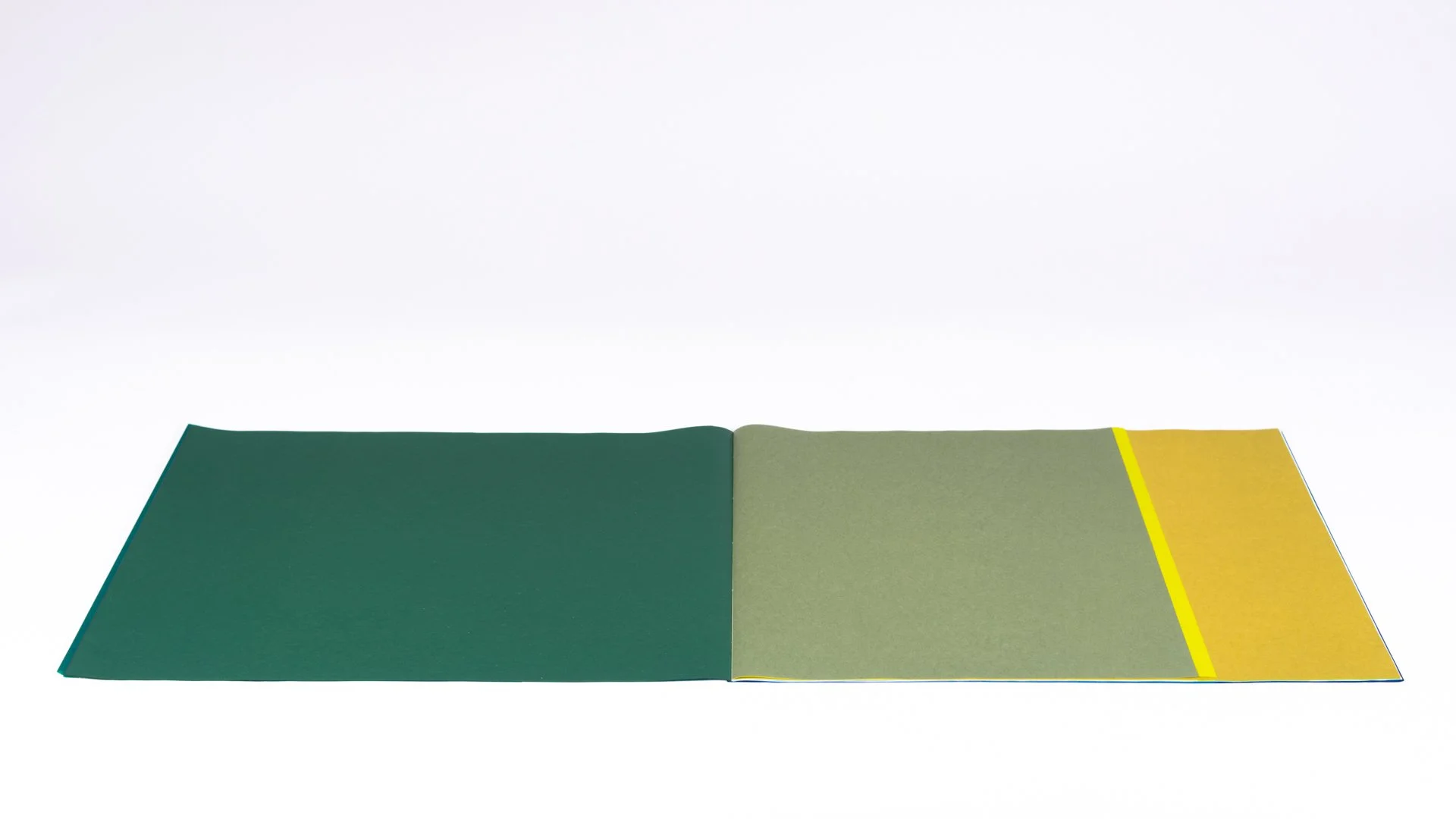
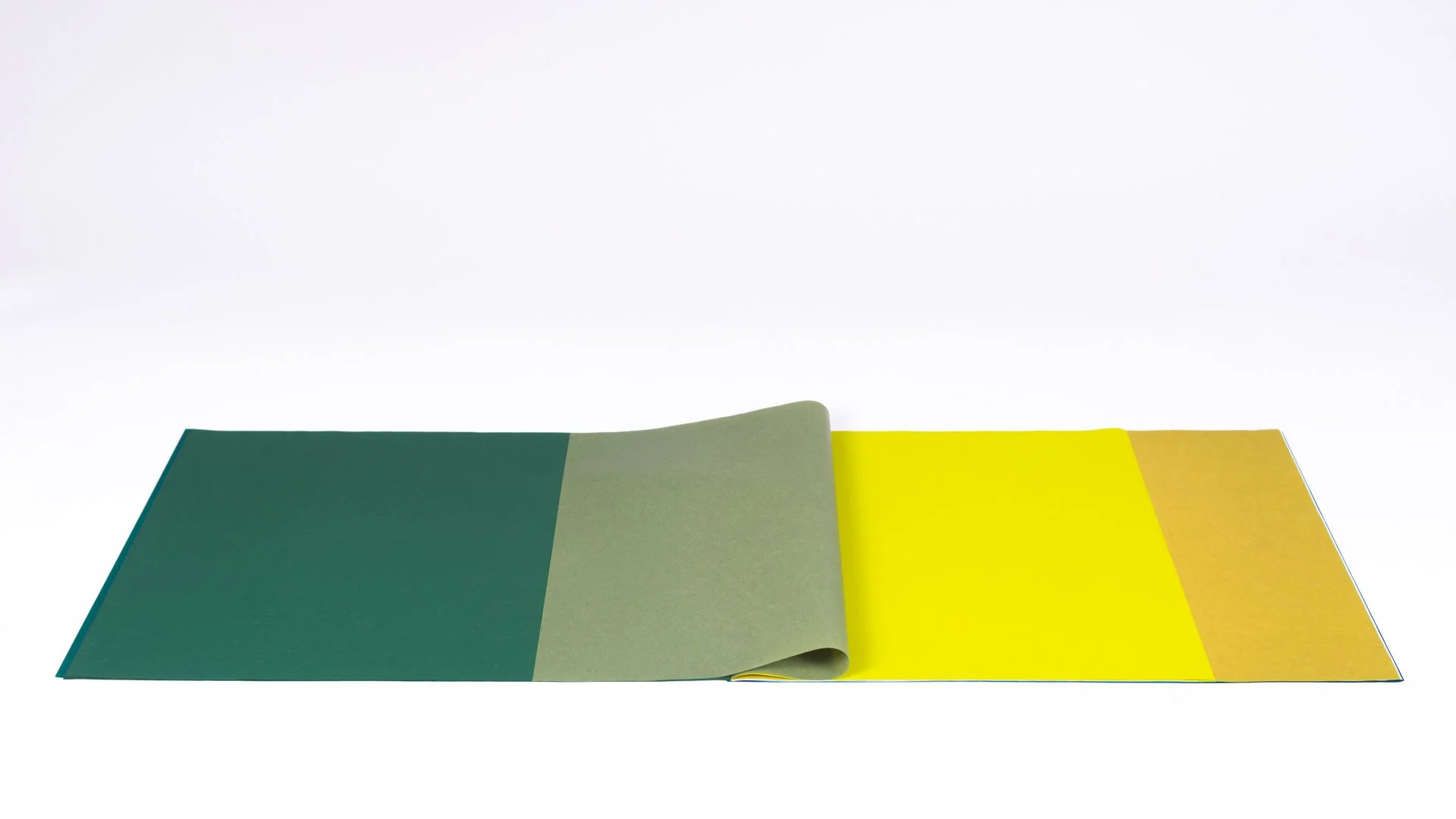
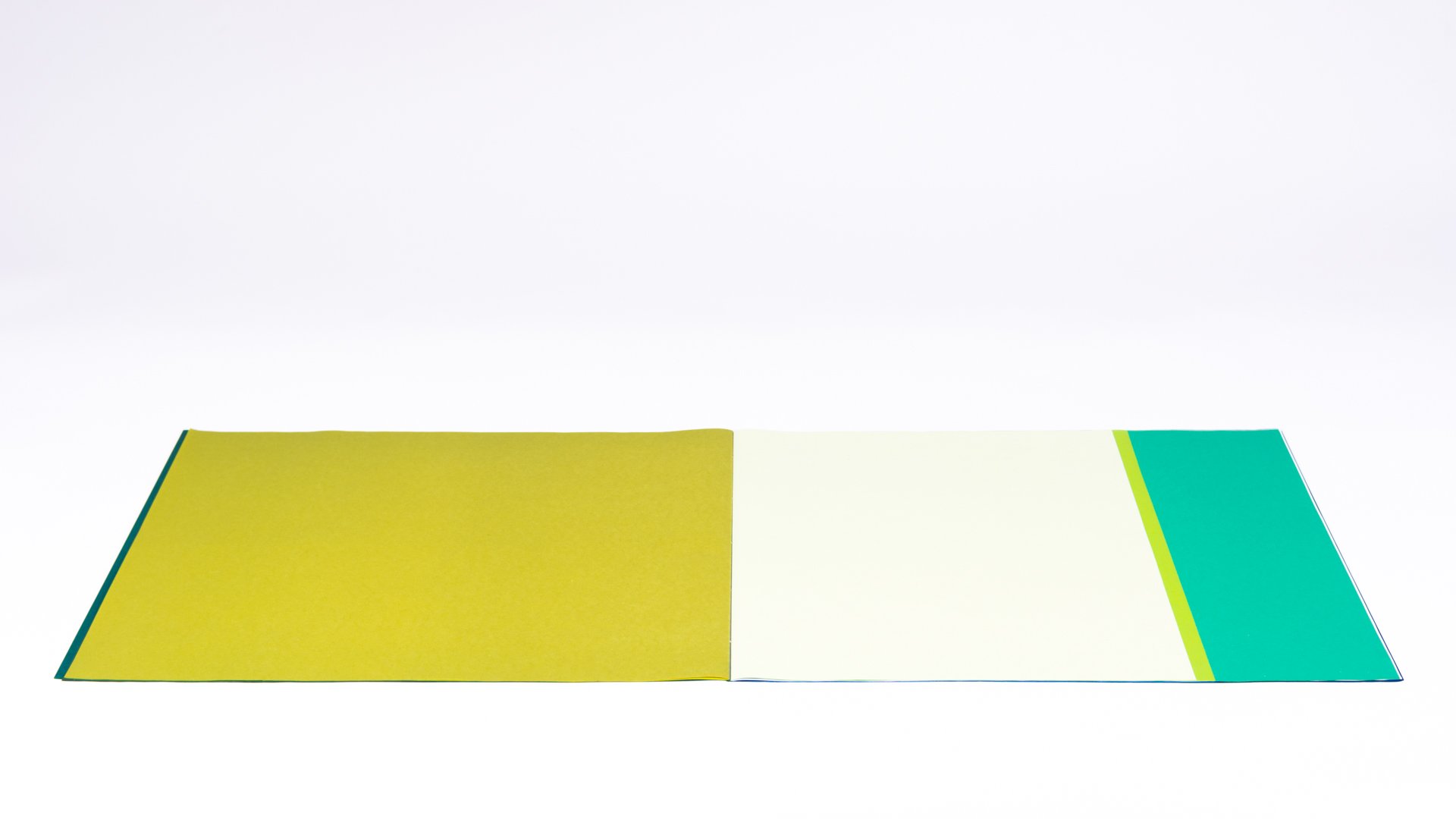
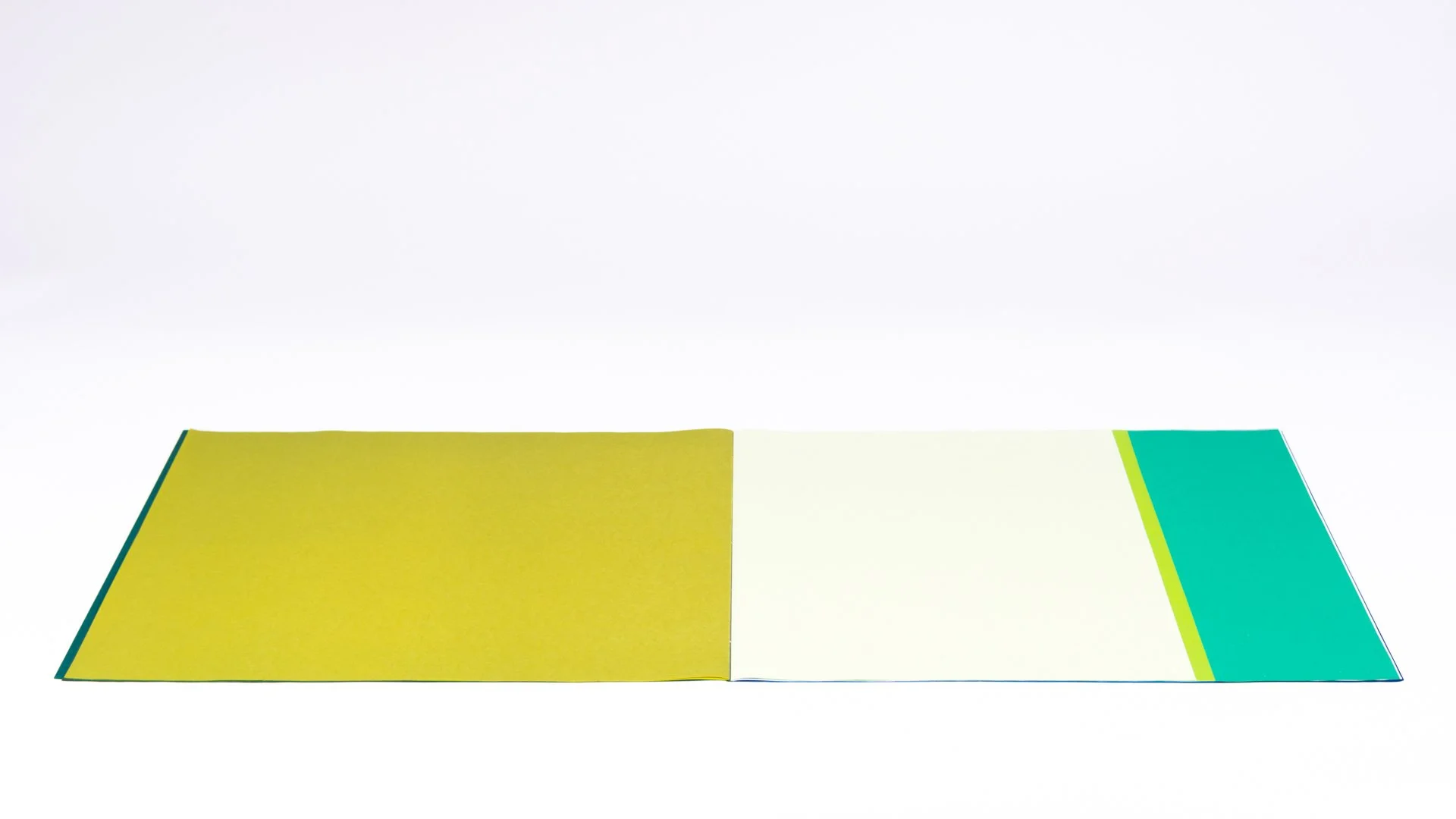
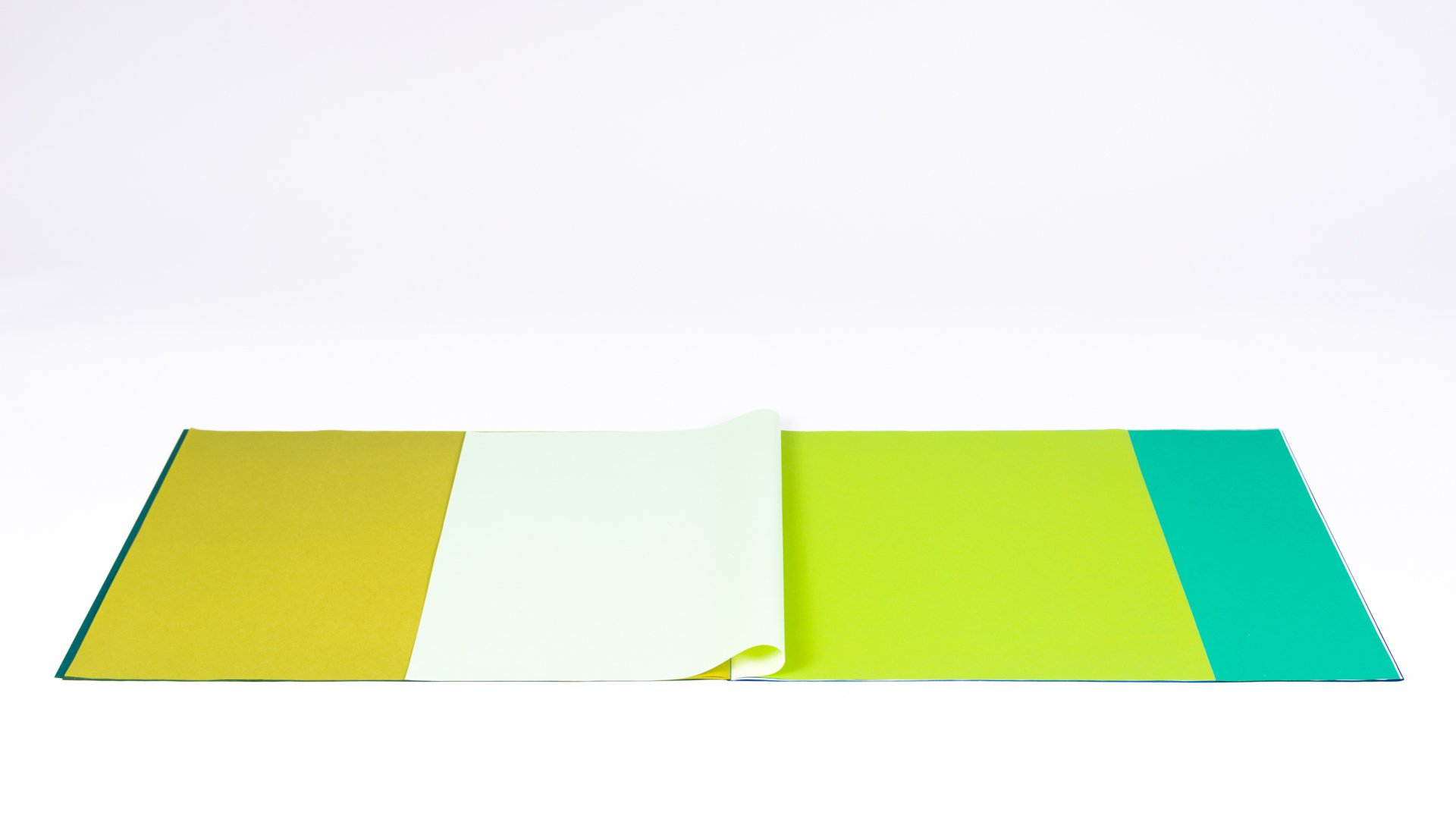
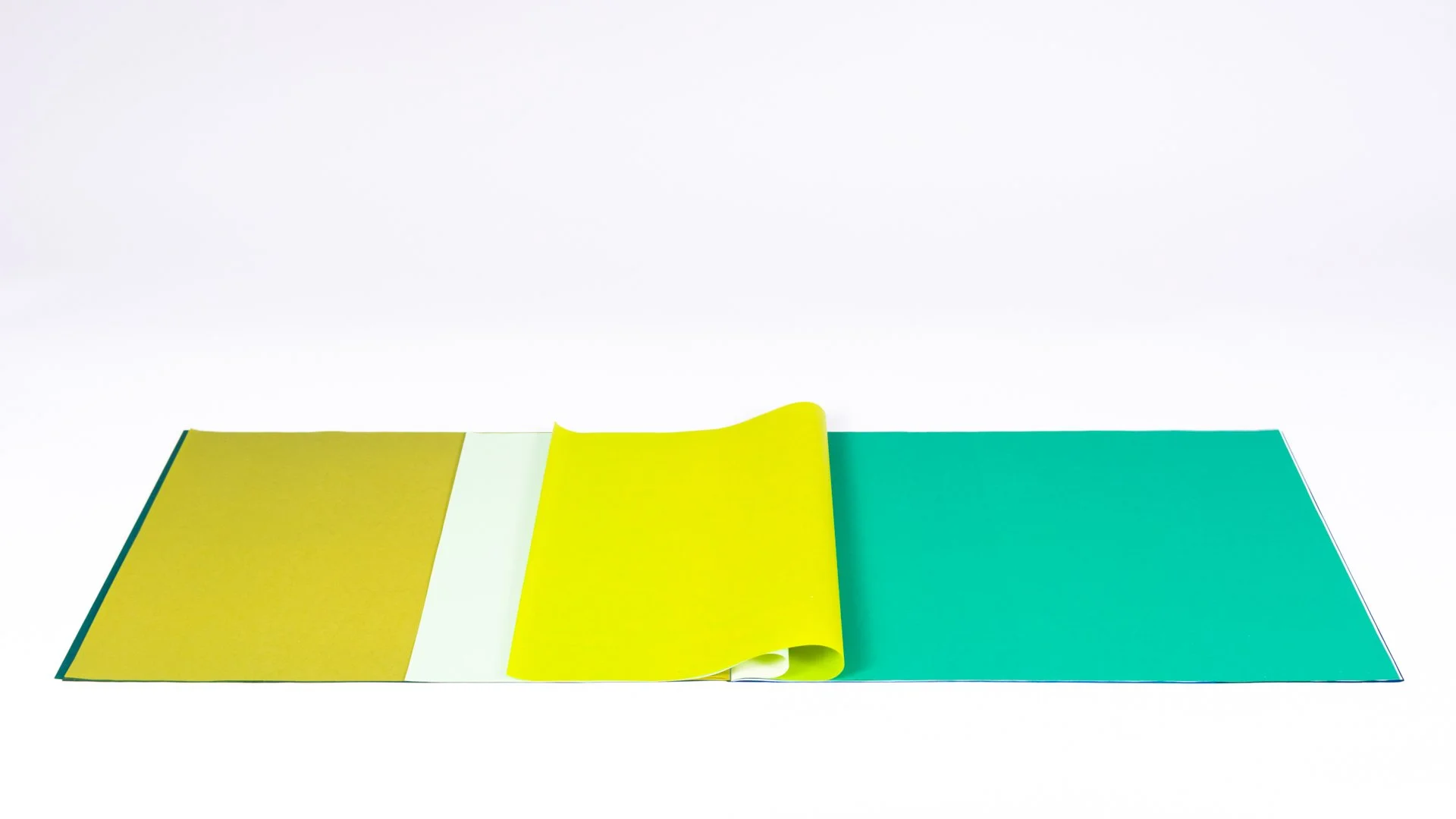
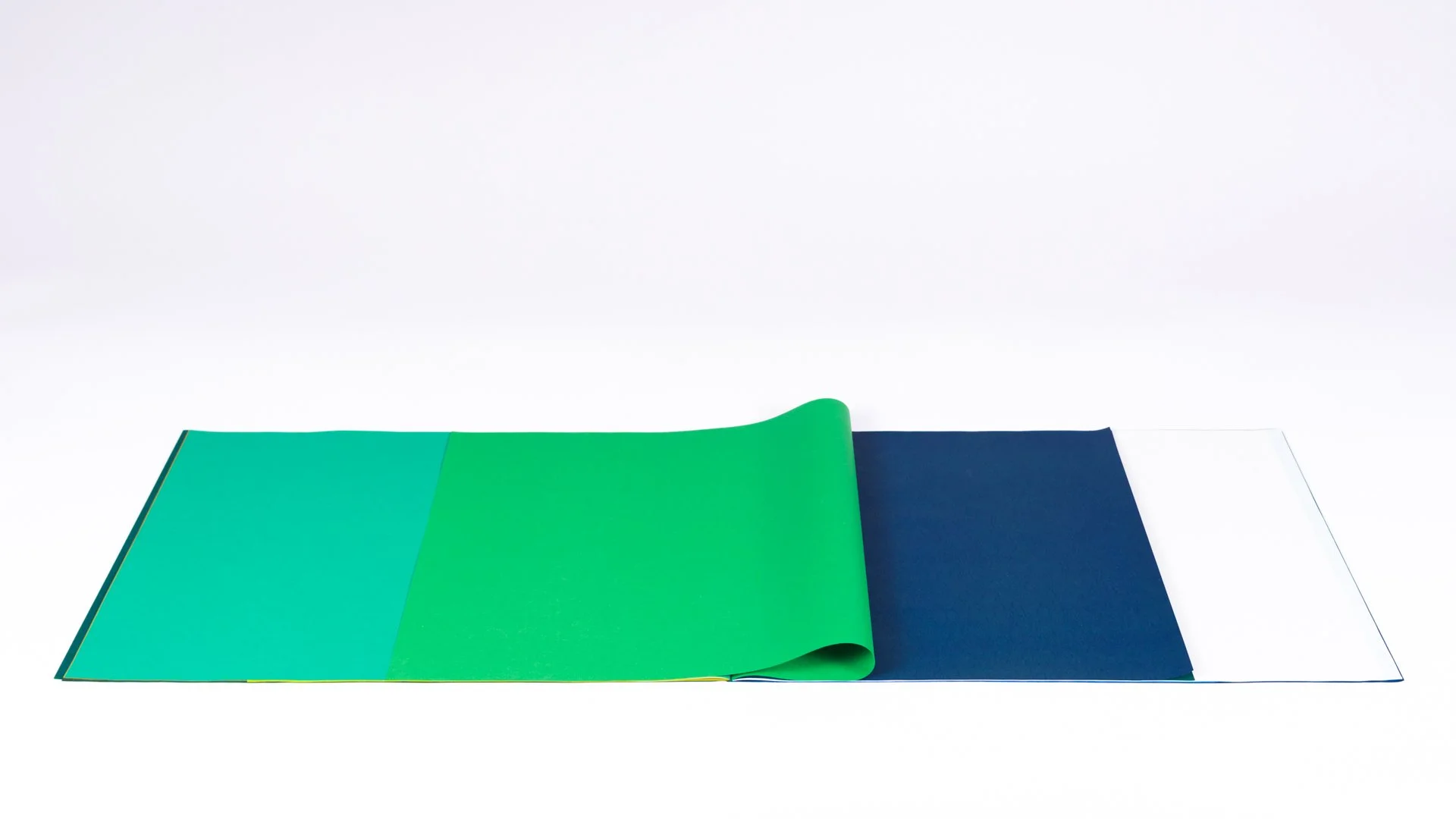
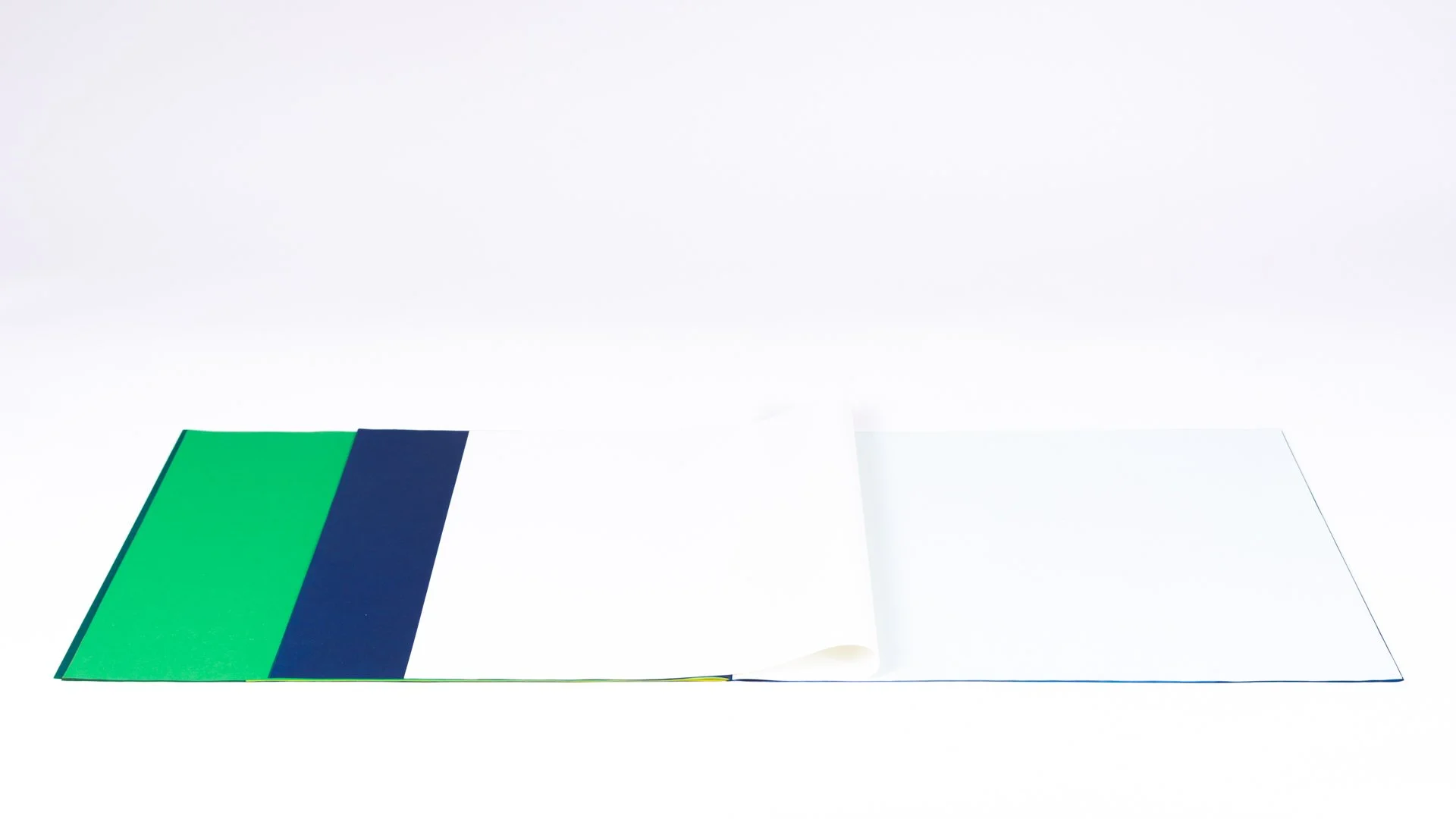
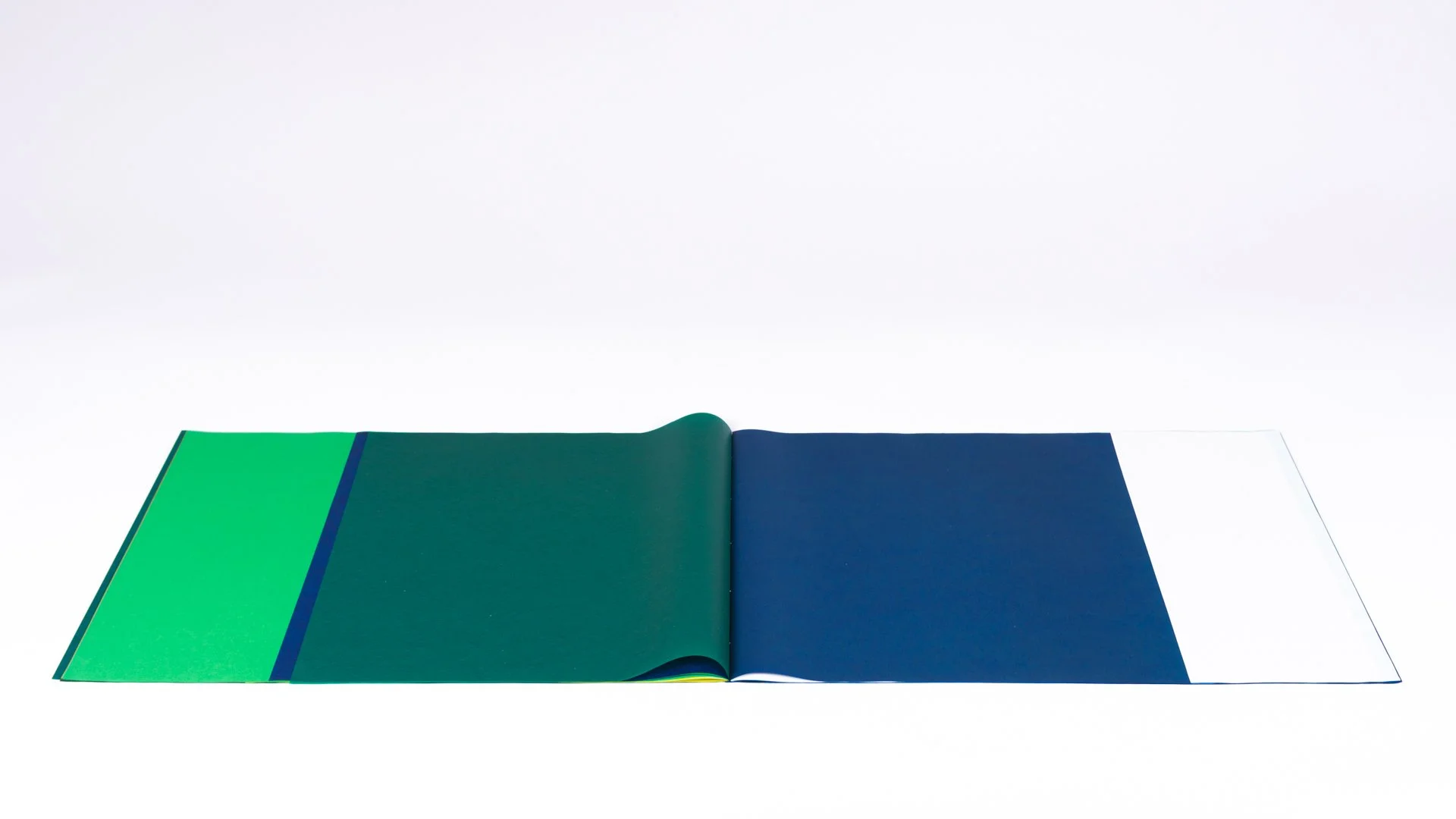
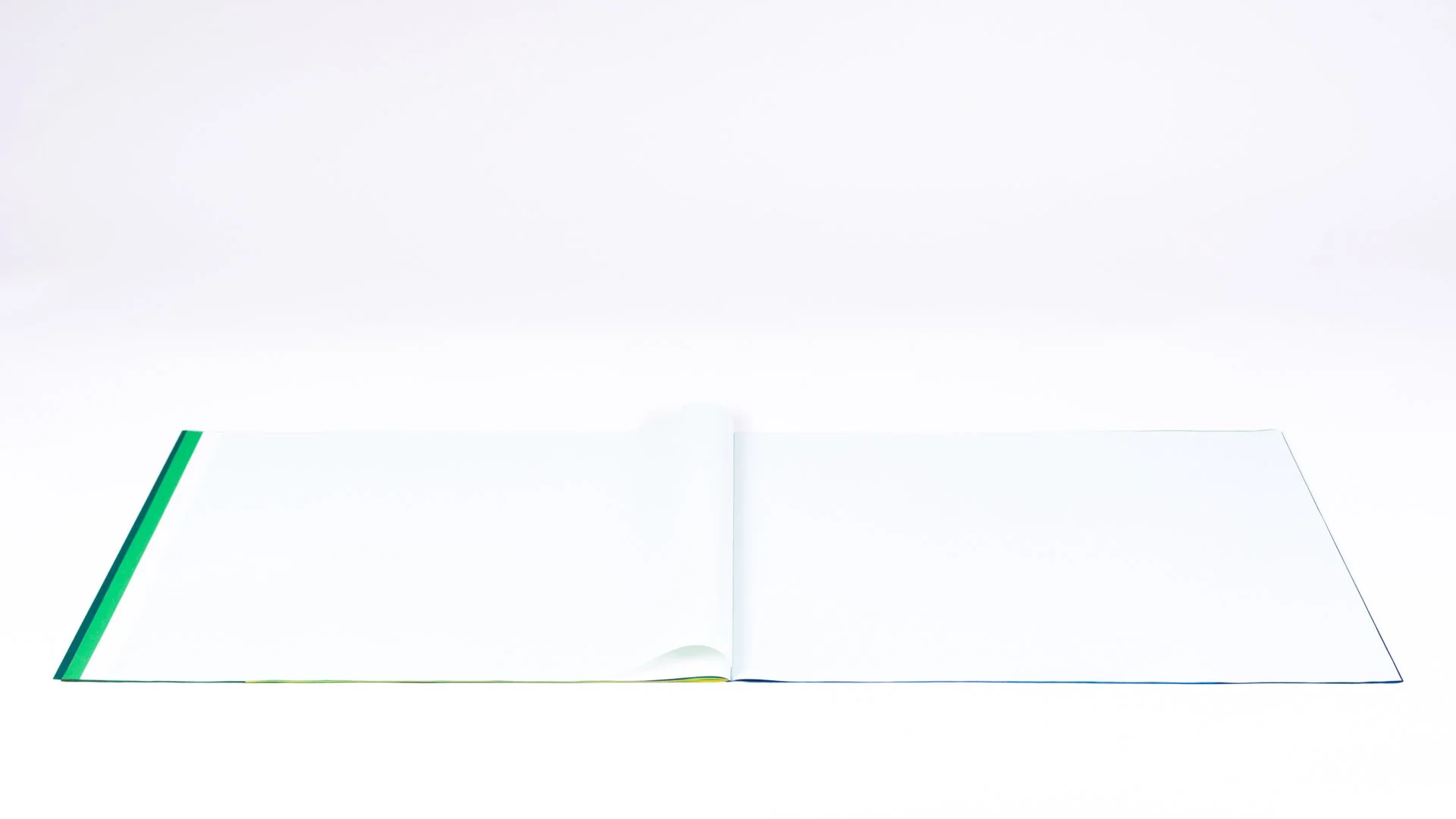
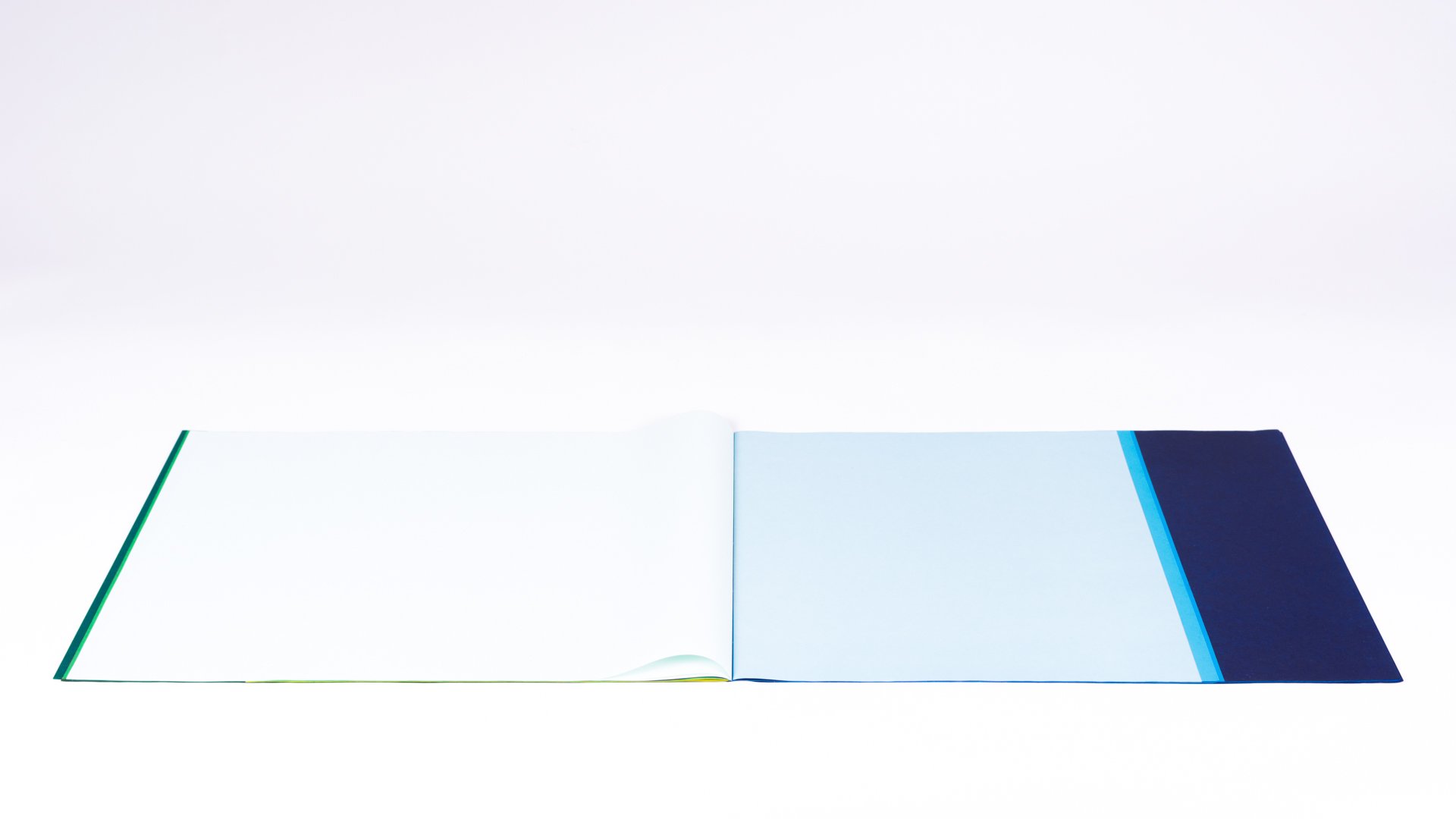
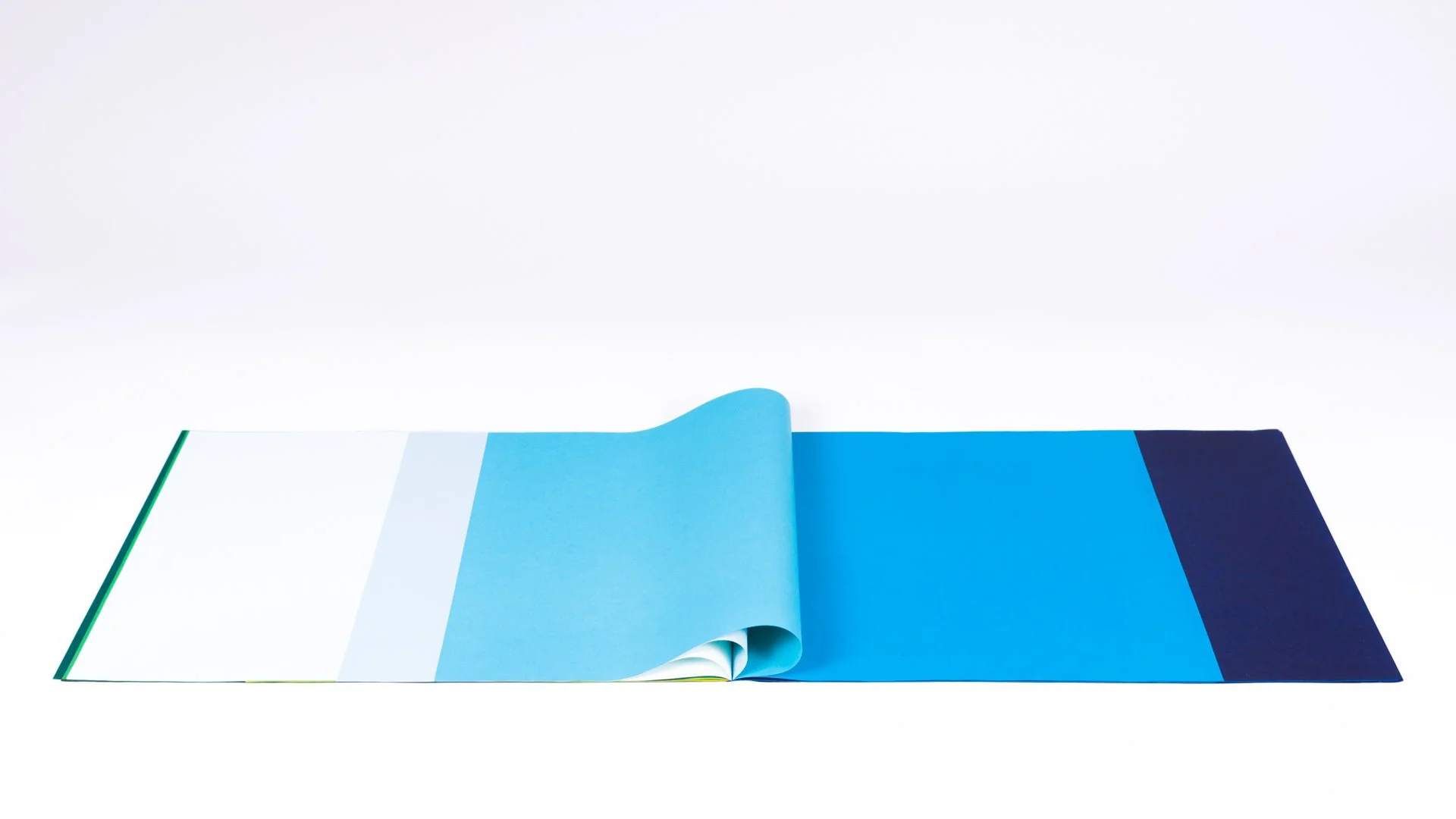
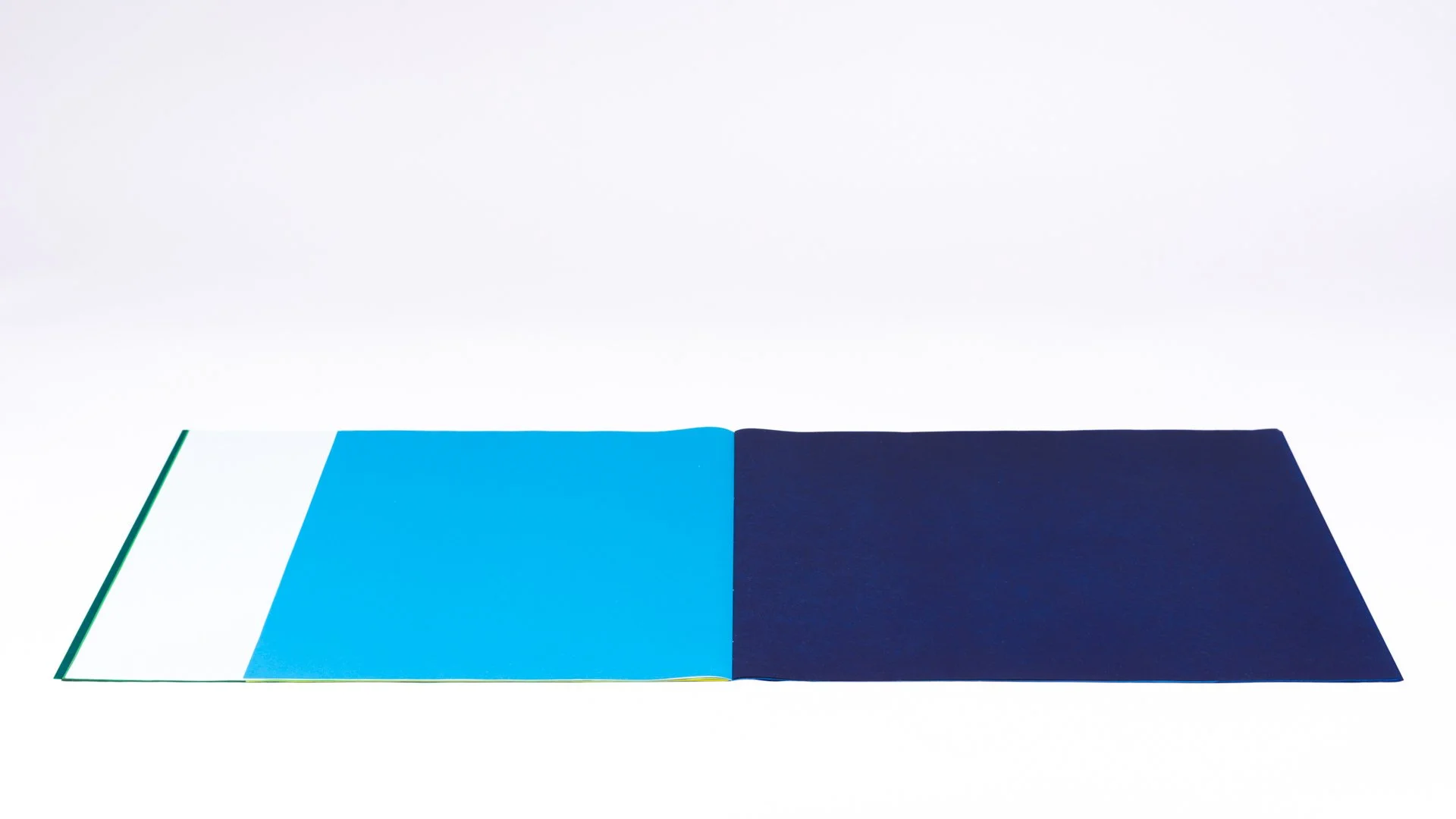
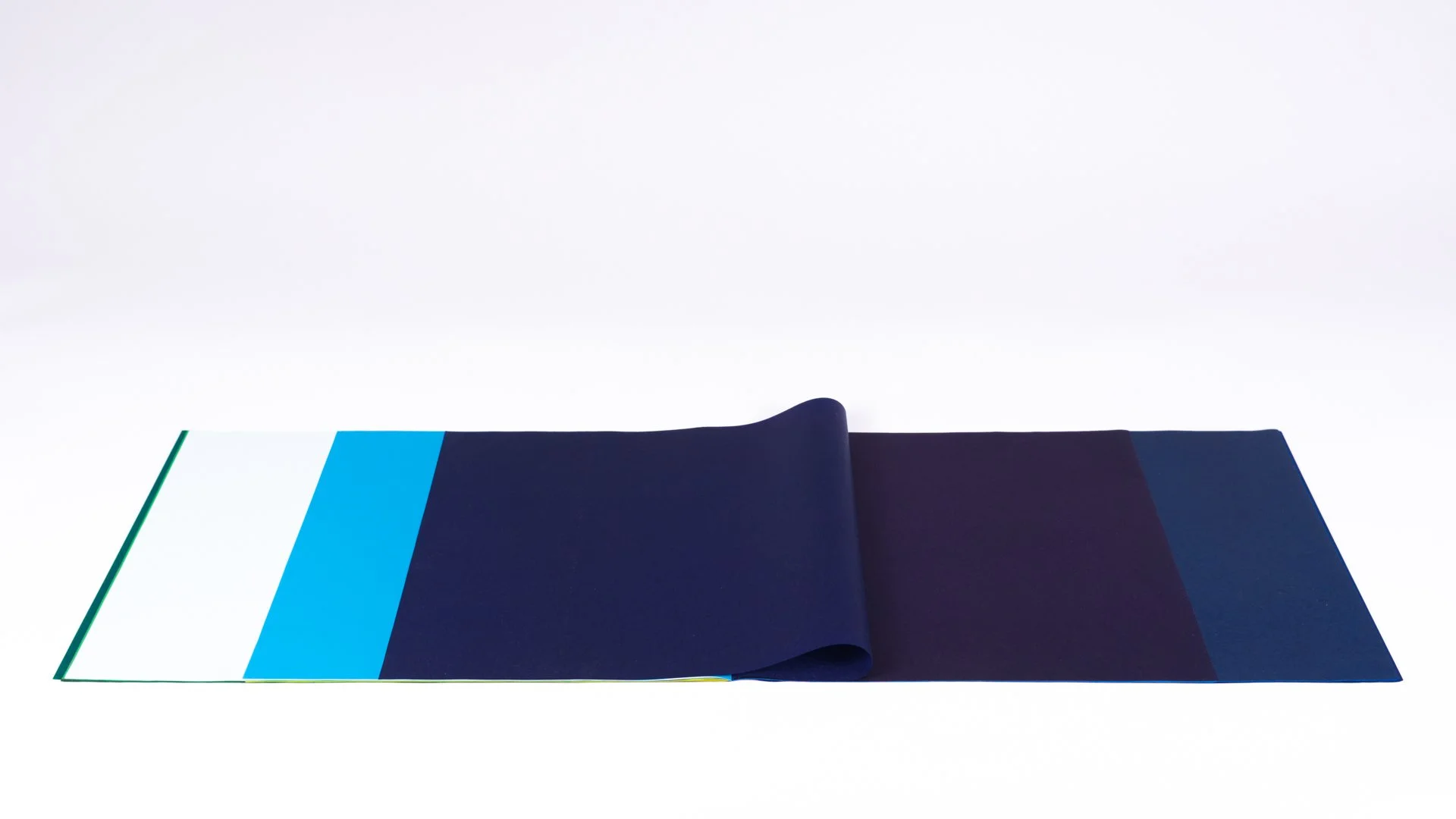
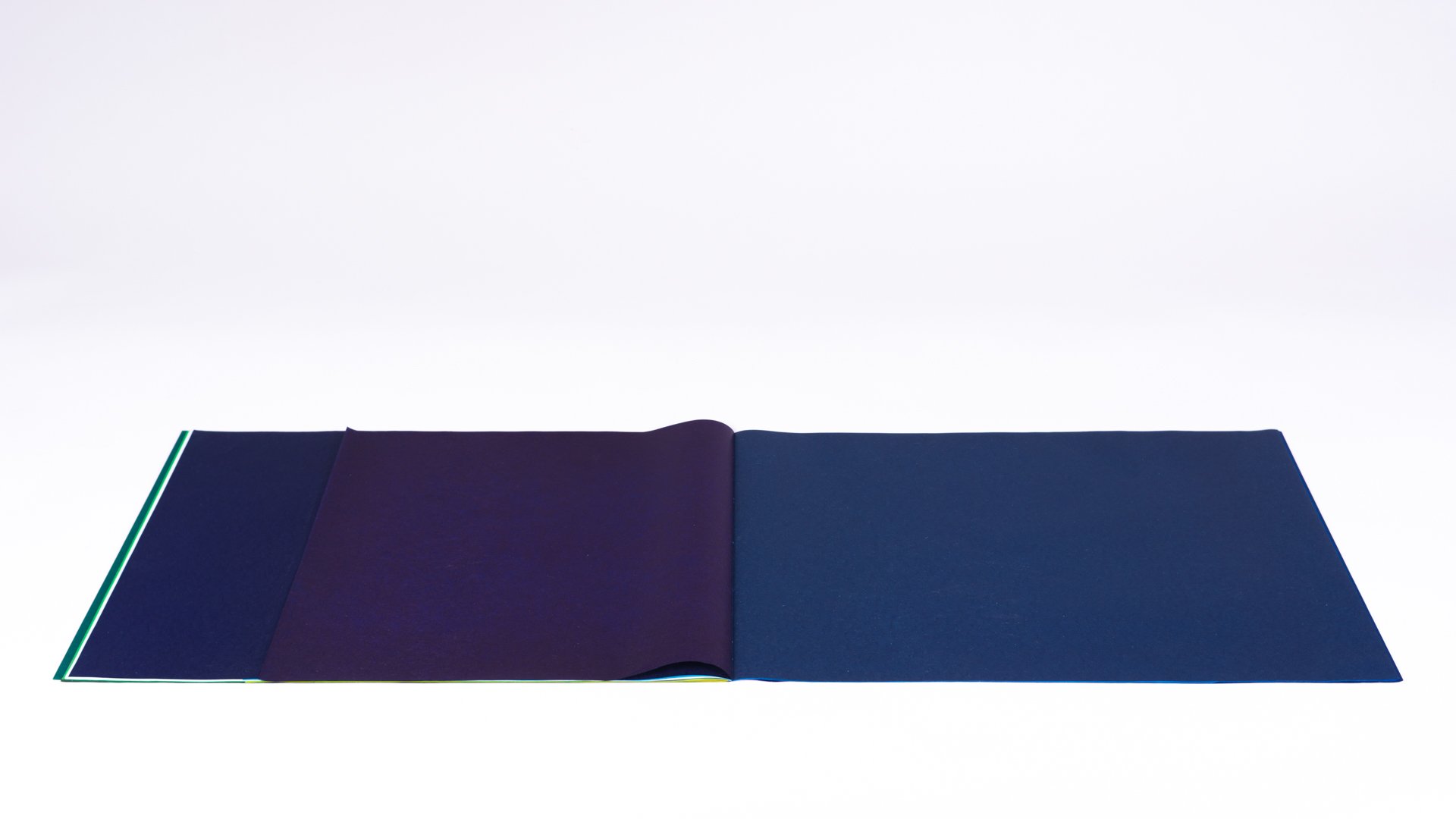
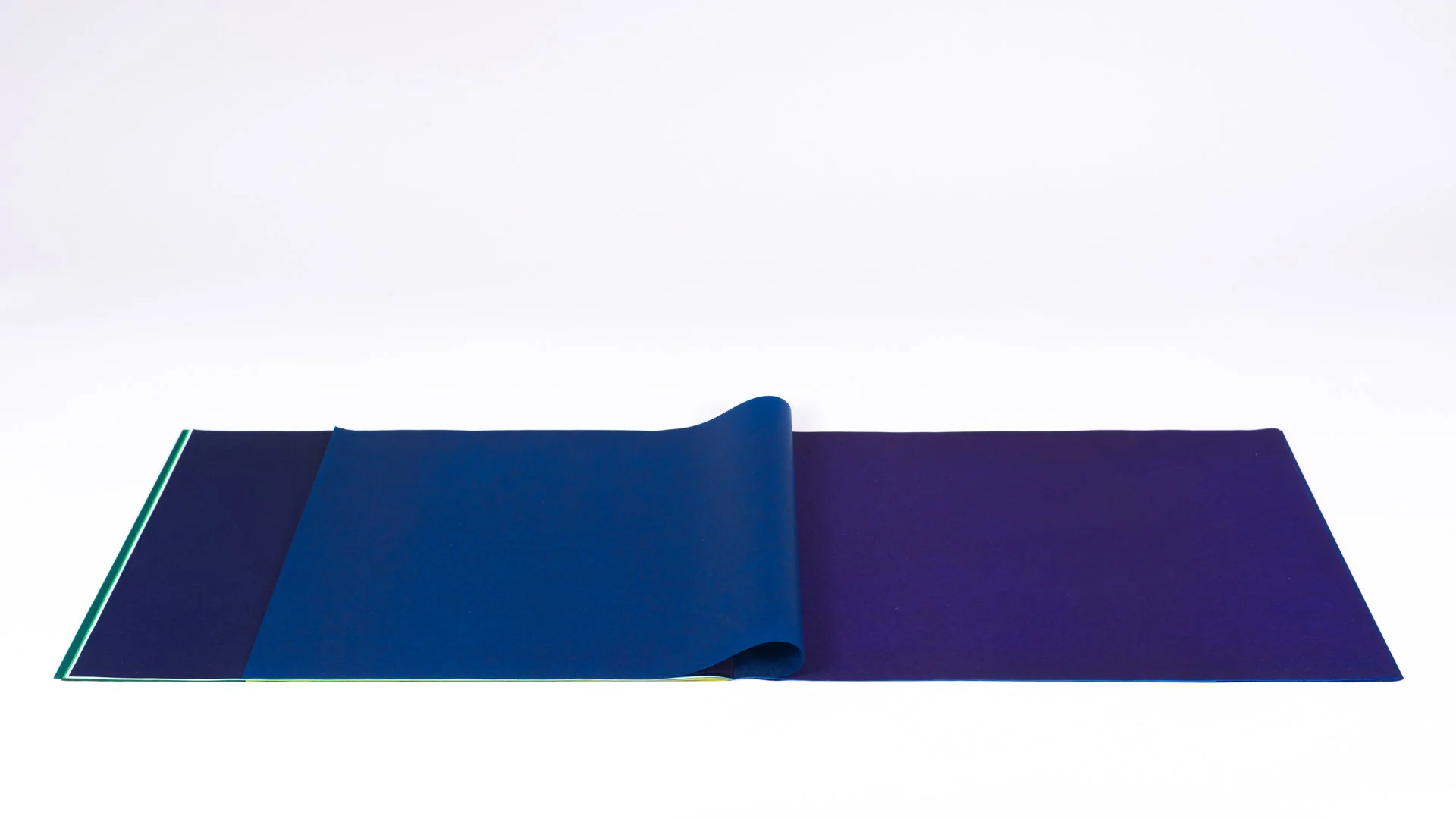
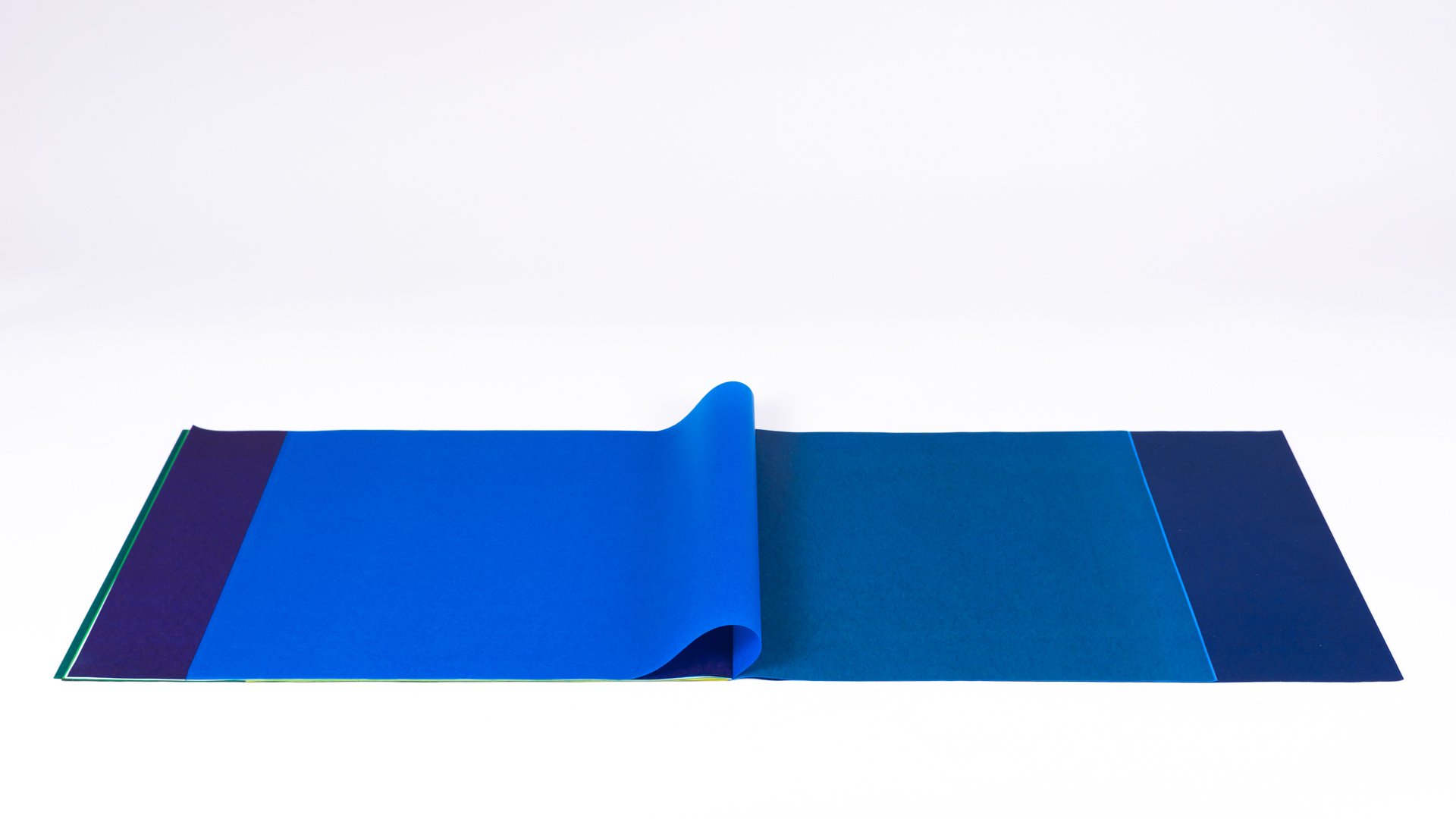
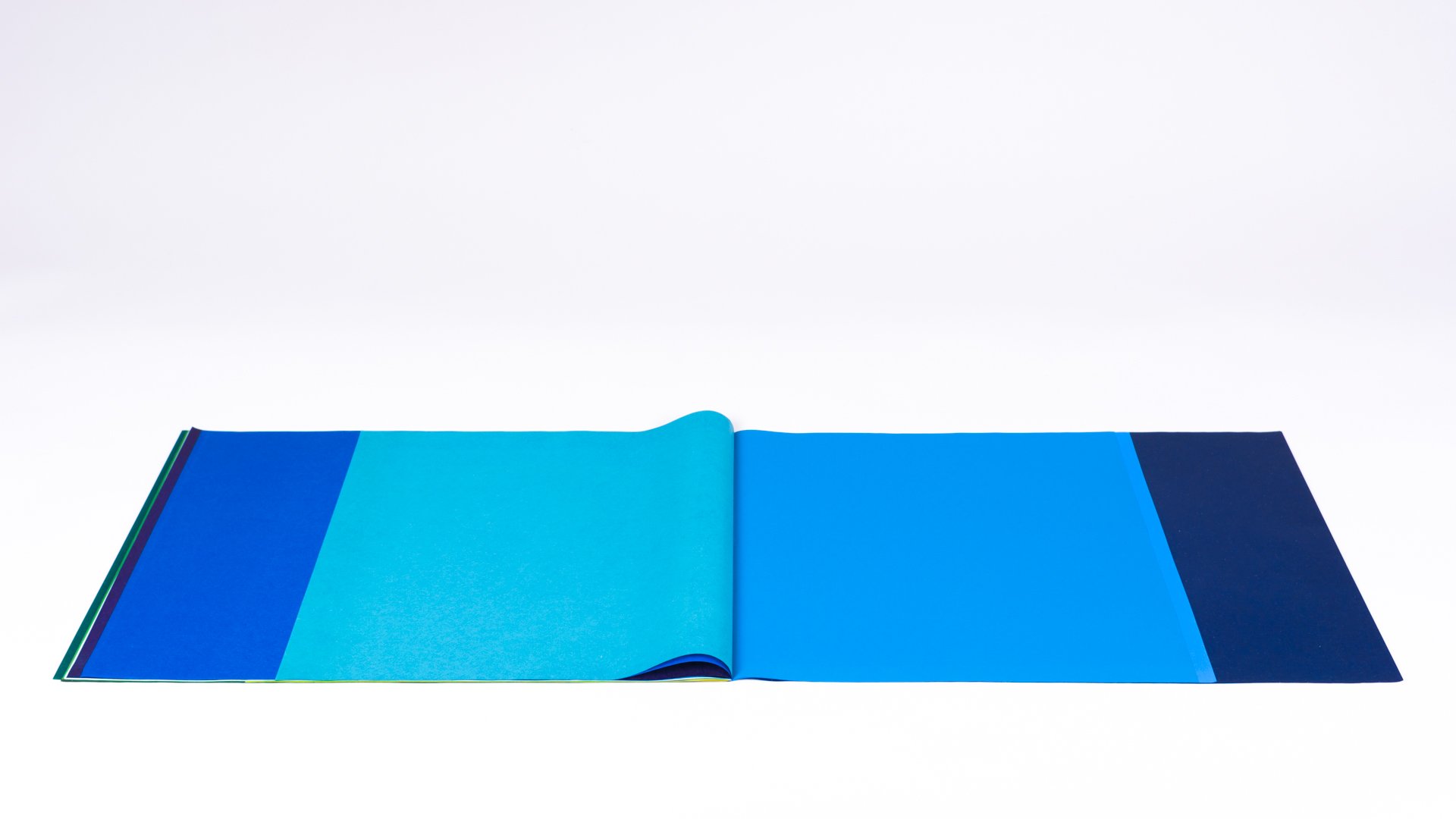
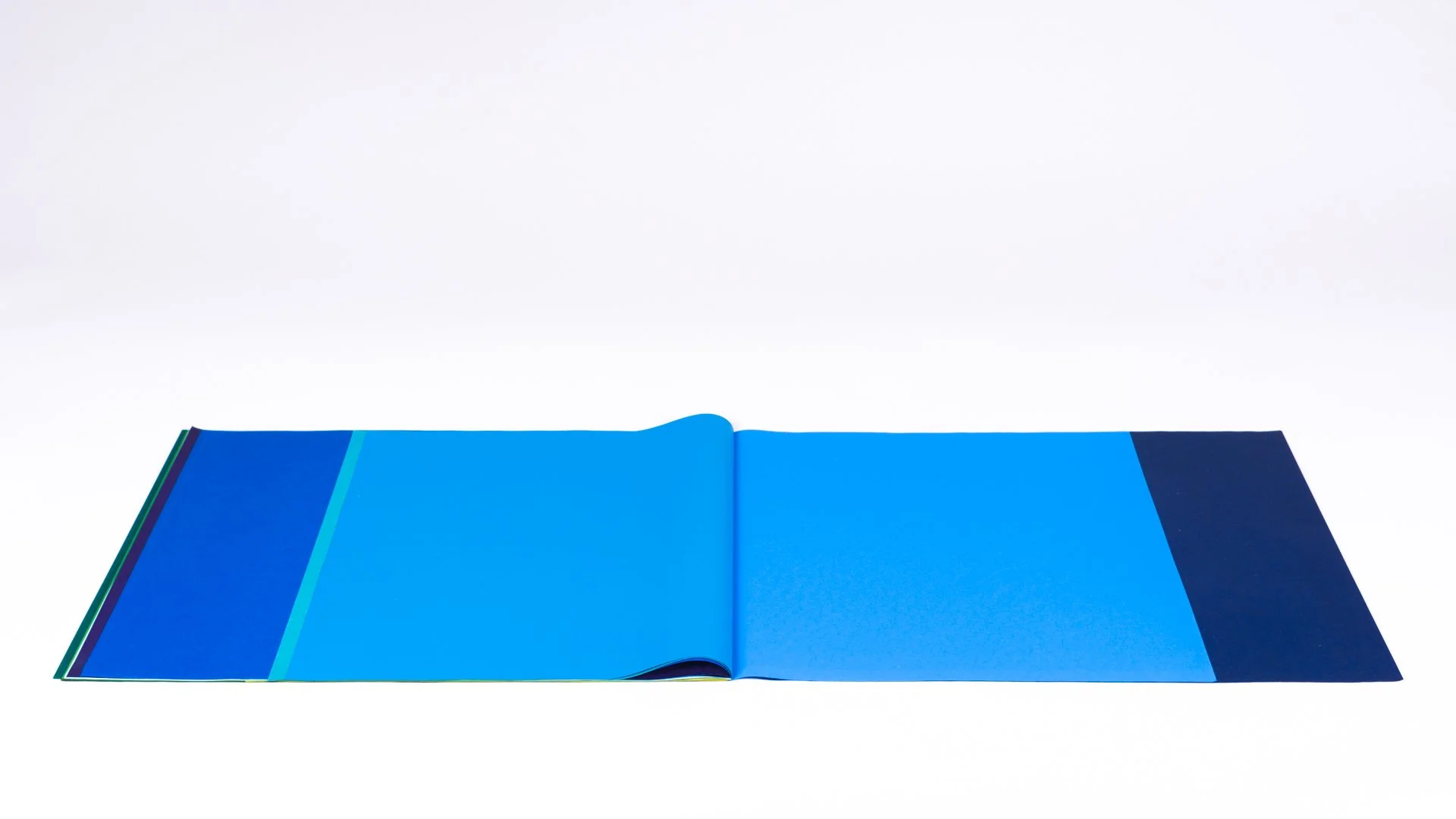
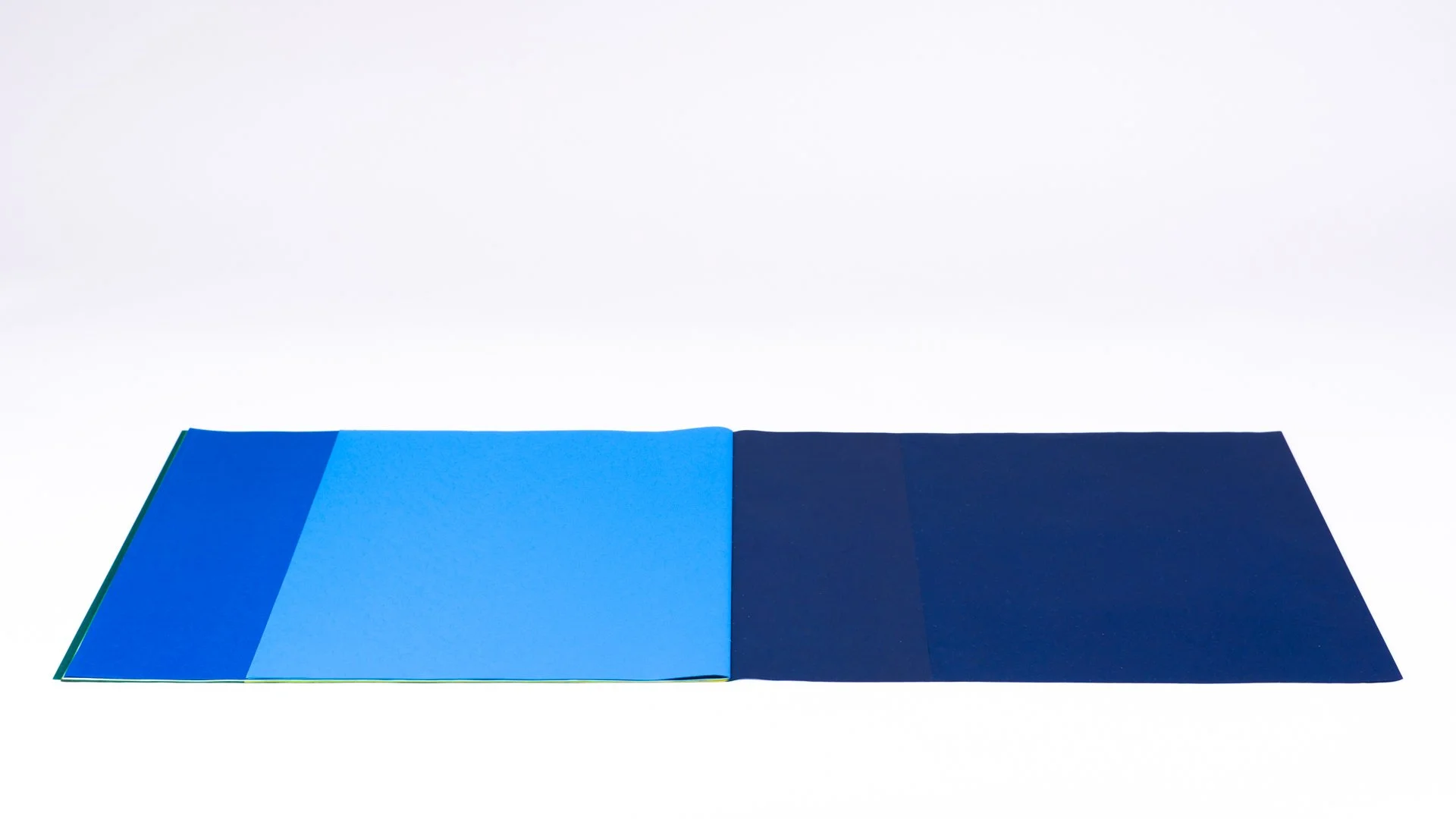
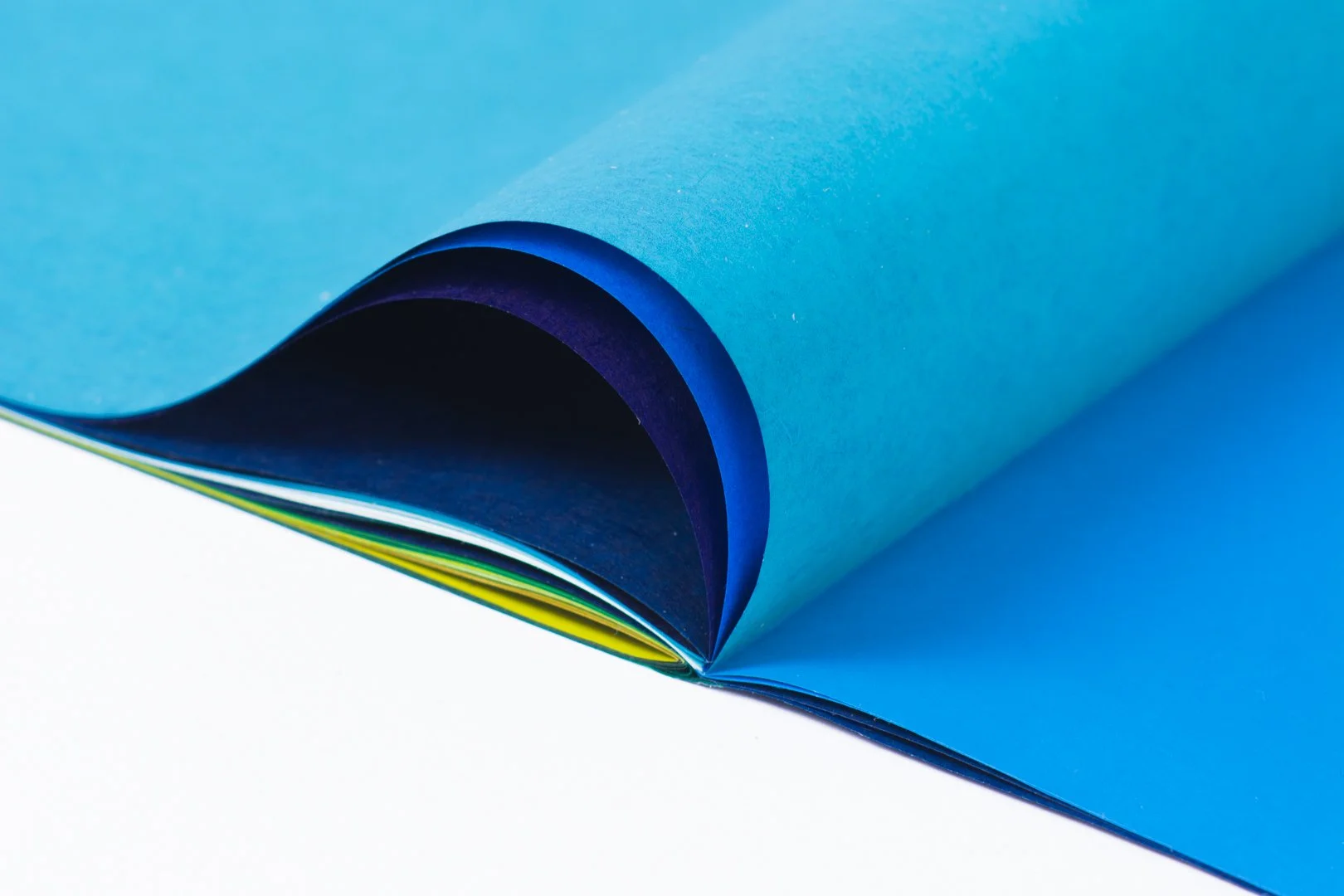
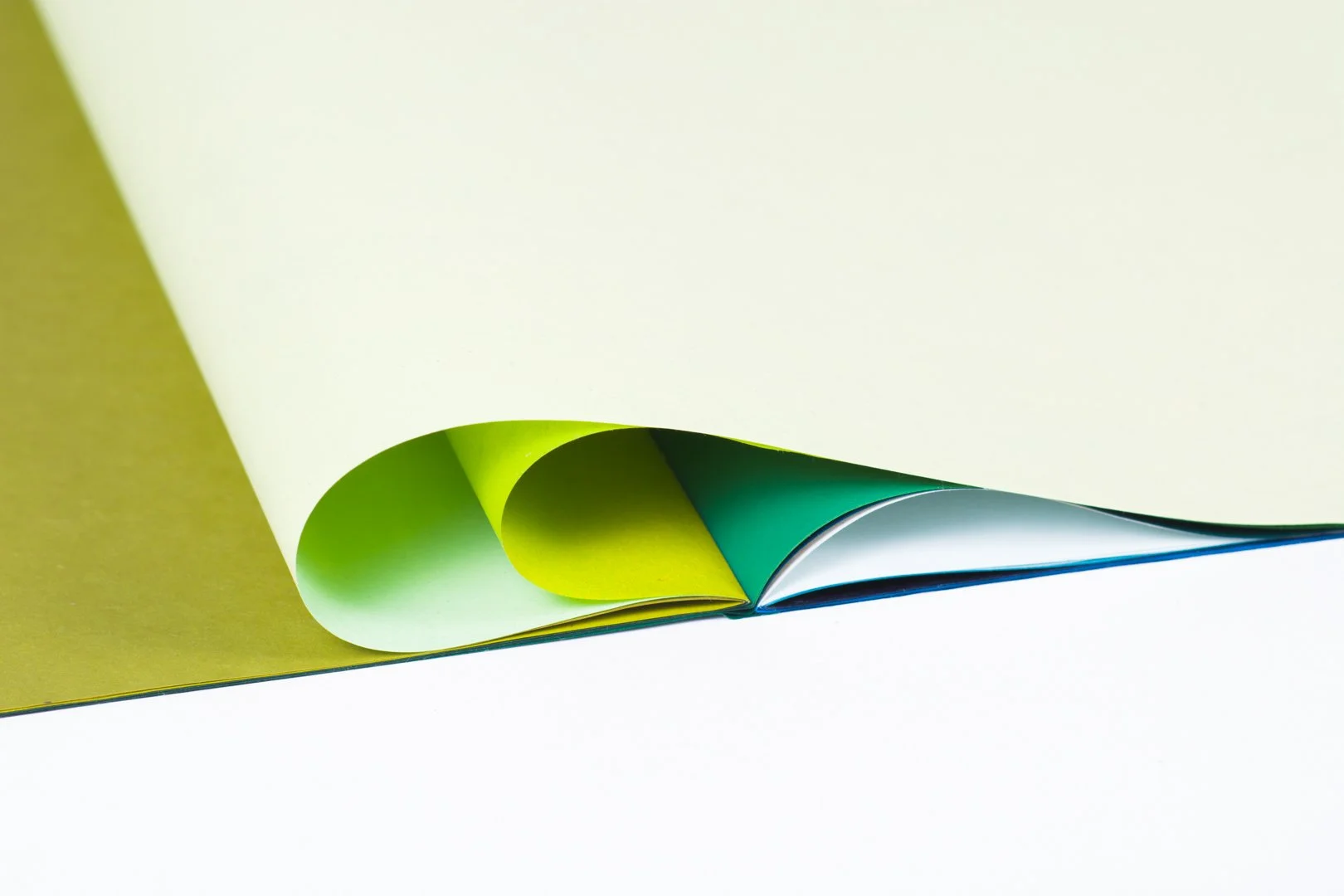
Libro de colores II / El monte y el mar
Bound Monotypes
Oil-based ink on Kitakata Paper
Closed Book: 20 1/4 x 14 1/8 x 1/4 inches
Open Book: 40 1/4 x 14 1/8 inches
Unique piece, 68 pages
2016
***
Libro de colores II / El monte y el mar
Monotipos encuadernados
Tintas a base de aceite sobre papel Kitakata
Libro cerrado: 51.4 x 35.9 x 0.64 cm
Libro abierto: 102.2 x 35.9 cm
Pieza única, 68 páginas
2016
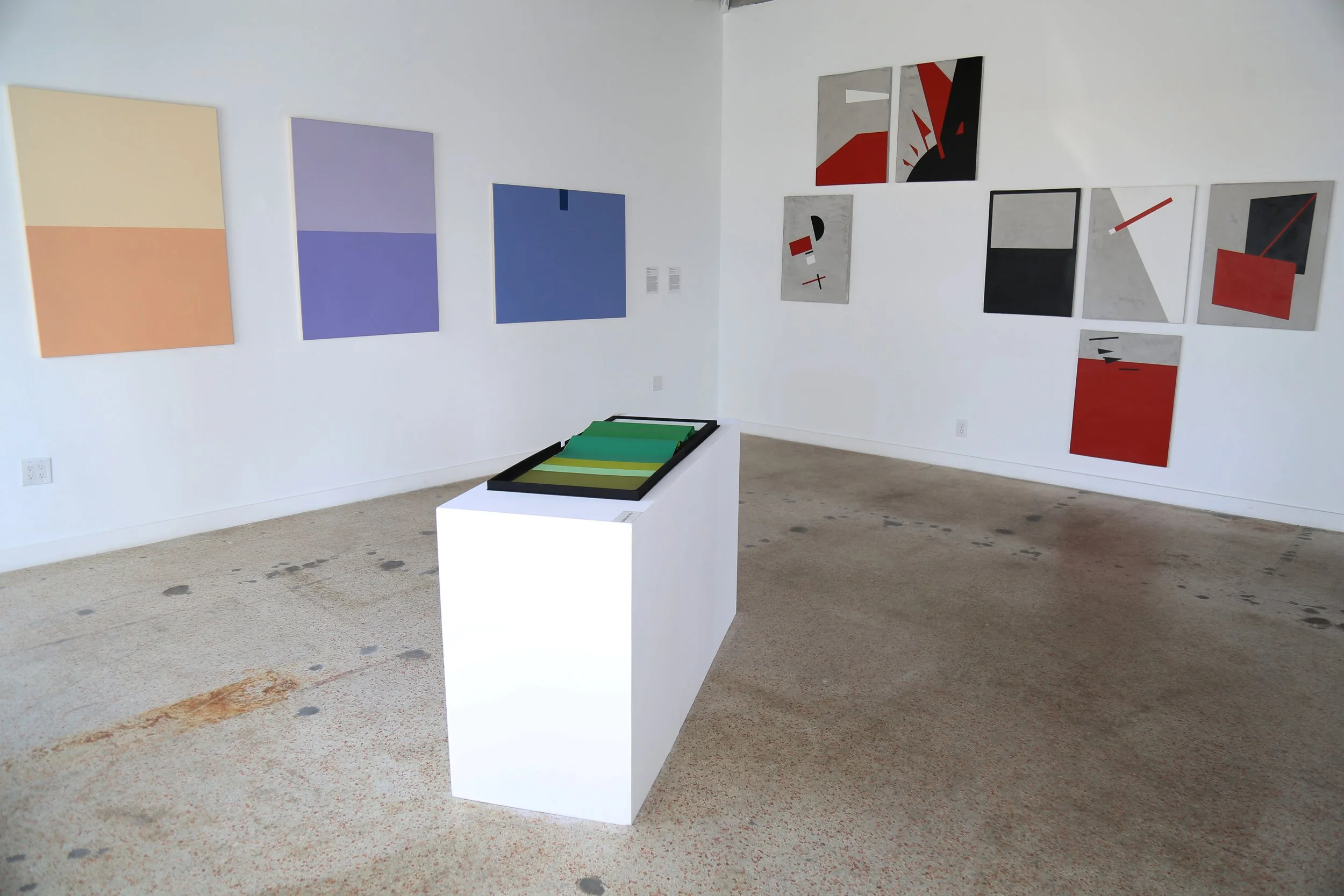
Abstracción Sólida: Estrategias desobedientes en el arte cubano contemporáneo
Solid Abstraction: Disobedience strategies in contemporary Cuban Arts
Artists: Yaima Carrazana, Aurora De Armendi, Rafael Domenech, Filio Gálvez, Quisqueya Henríquez, Reynier Leyva Novo, Francisco Masó, Glexis Novoa, Ernesto Oroza (Collaboration with Gean Moreno), Ana Olema and Annelys PM. Casanova, Rodolfo Peraza
Curated by Aldeide Delgado / April 19, 2018 - June 25, 2018 / Miami Biennale, Florida
***
Photography documentation by Alejandro Taquechel
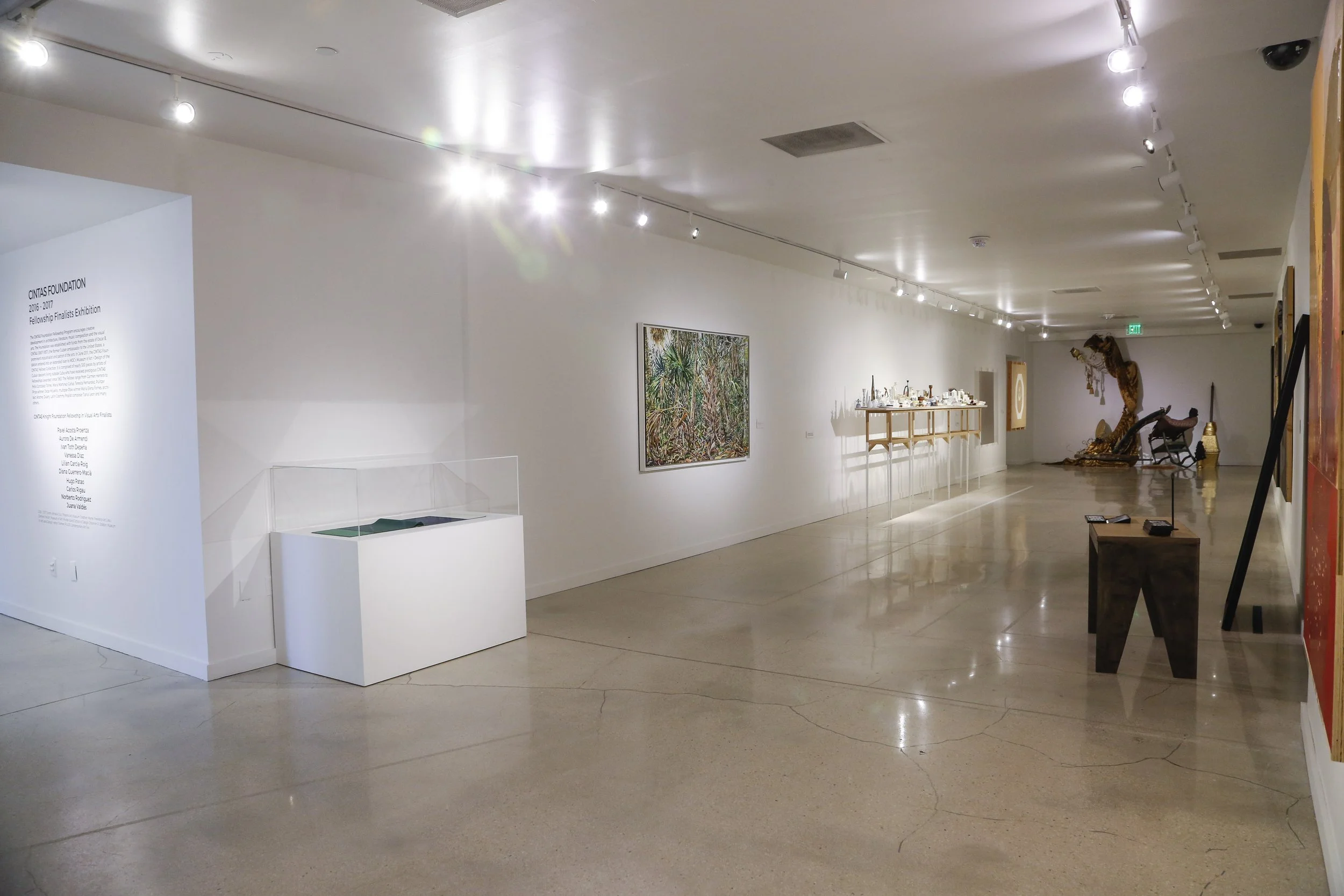
Cintas Foundation 2016 - 2017 / Fellowship Finalists Exhibition
Artists: Pavel Acosta Proenza, Aurora De Armendi, Ivan Toth Depeña, Vanessa Diaz, Lilian Garcia-Roig, Diana Guerrero-Maciá, Hugo Patao, Carlos Rigau, Norberto Rodriguez, Juana Valdés
***
Photography documentation courtesy of the Cintas Foundation

Con mi abecedario a cuestas
26 clay pieces installed on a painted wall
10 x 7 feet
2016
***
Con mi abecedario a cuestas
26 piezas en barro instaladas directamente en la pared pintada
3.048 x 2.13 m
2016
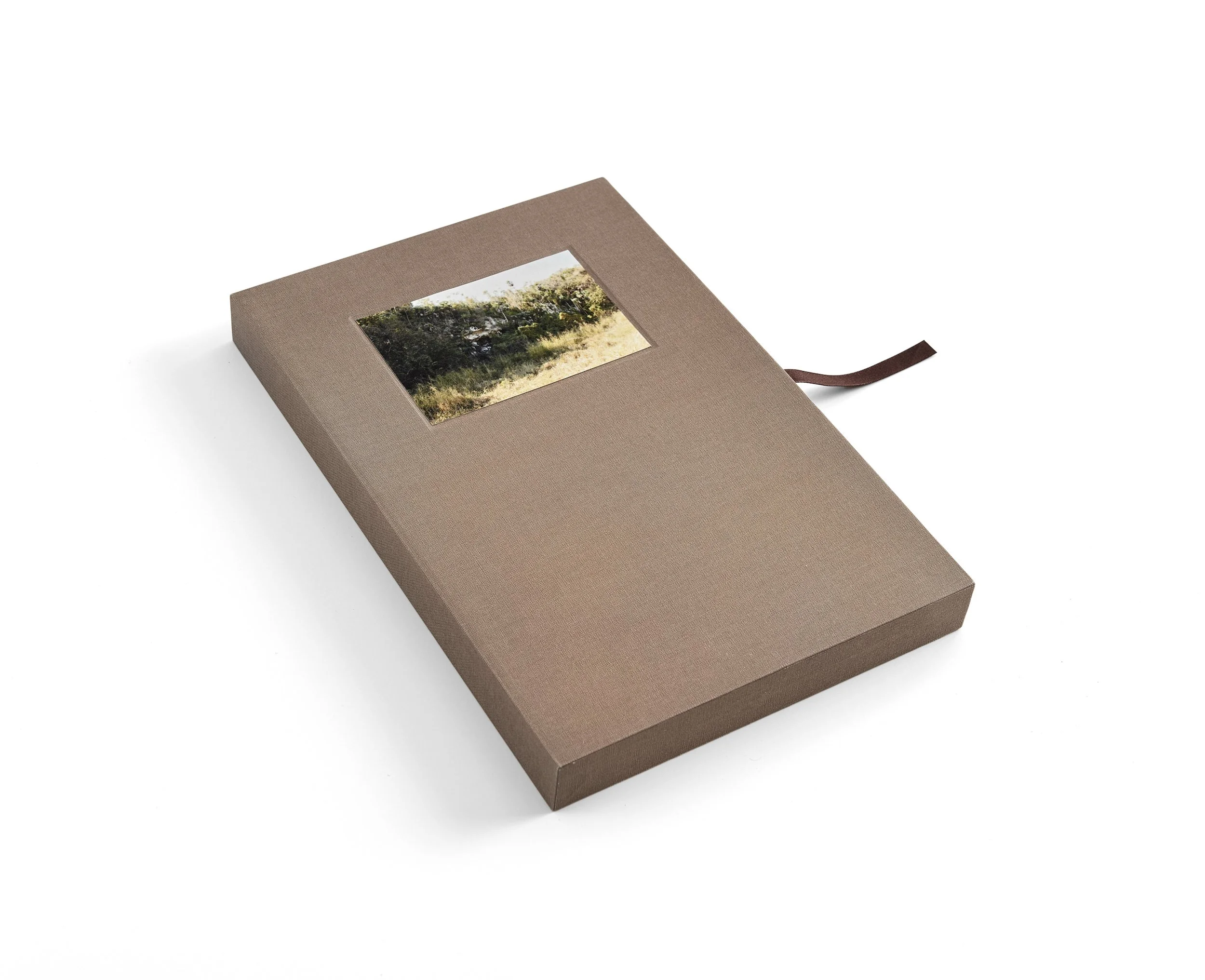
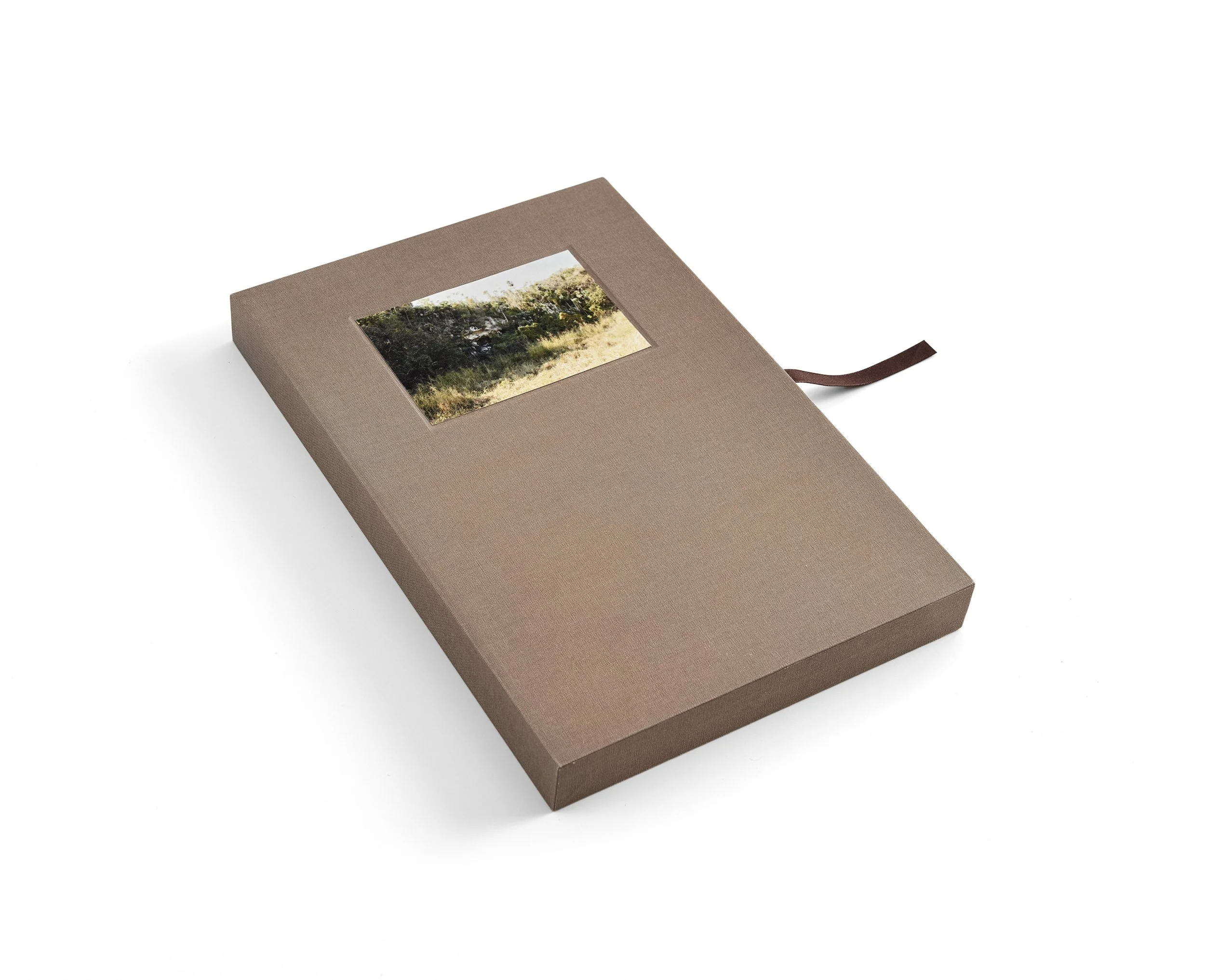
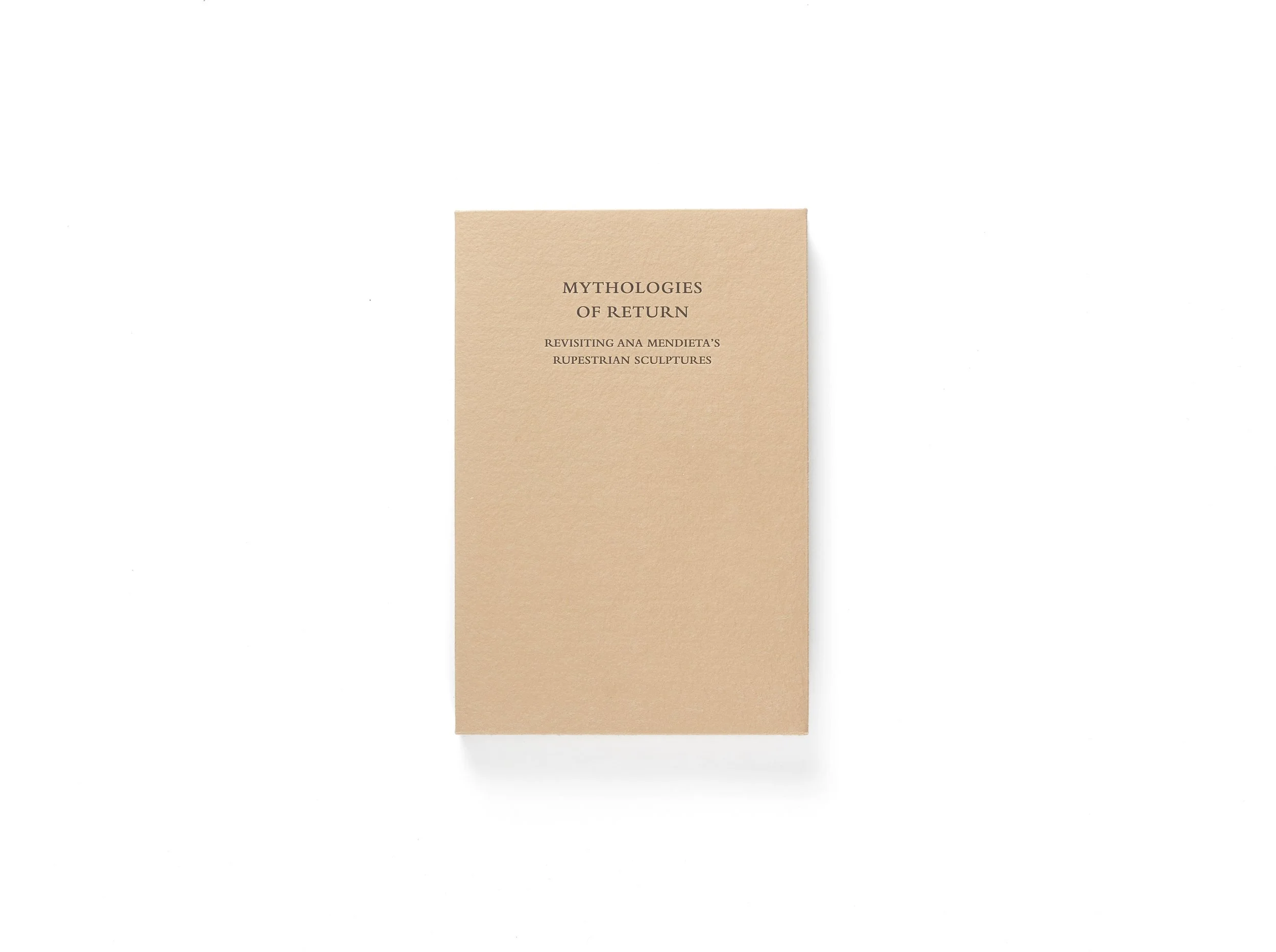
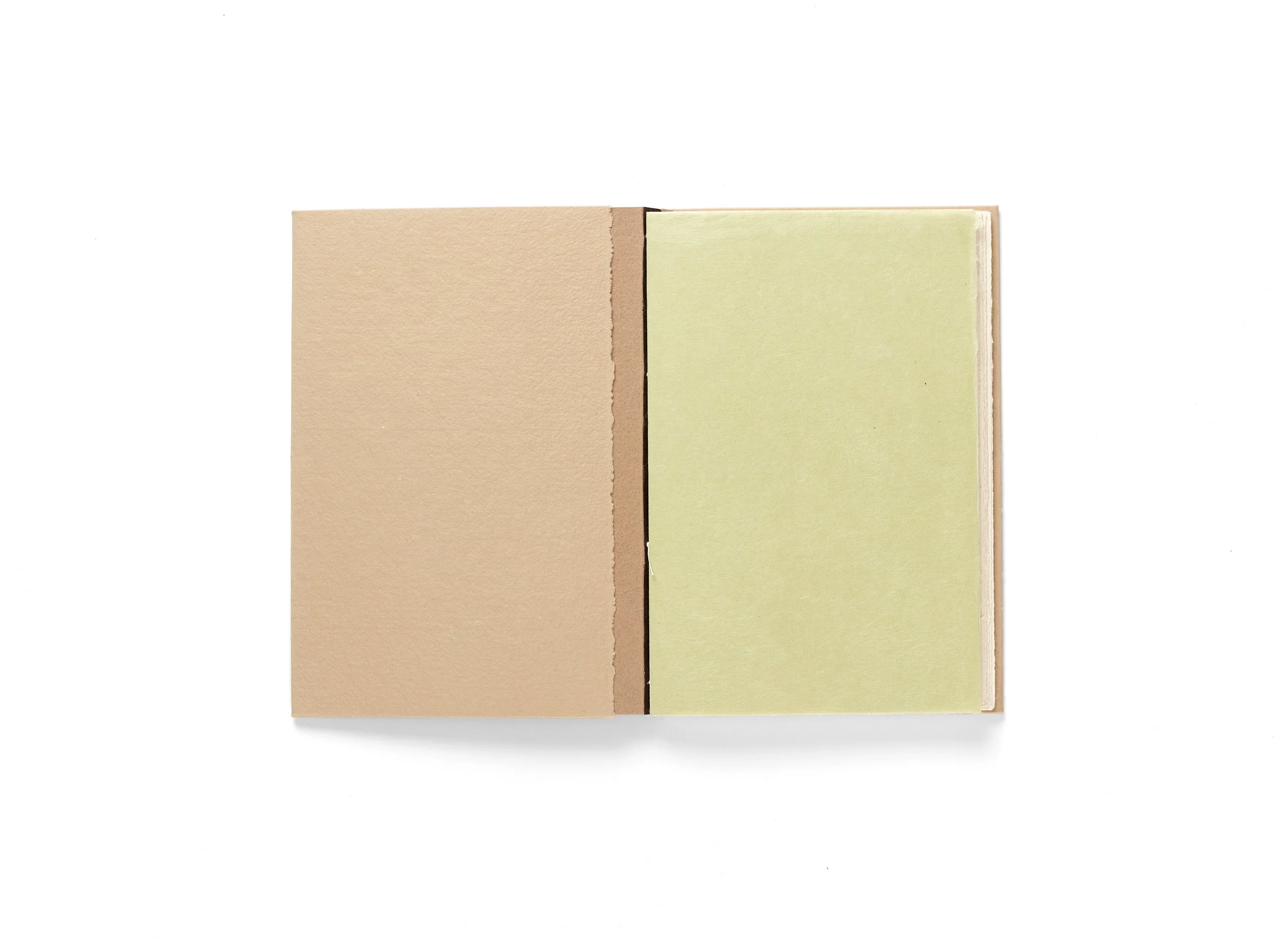
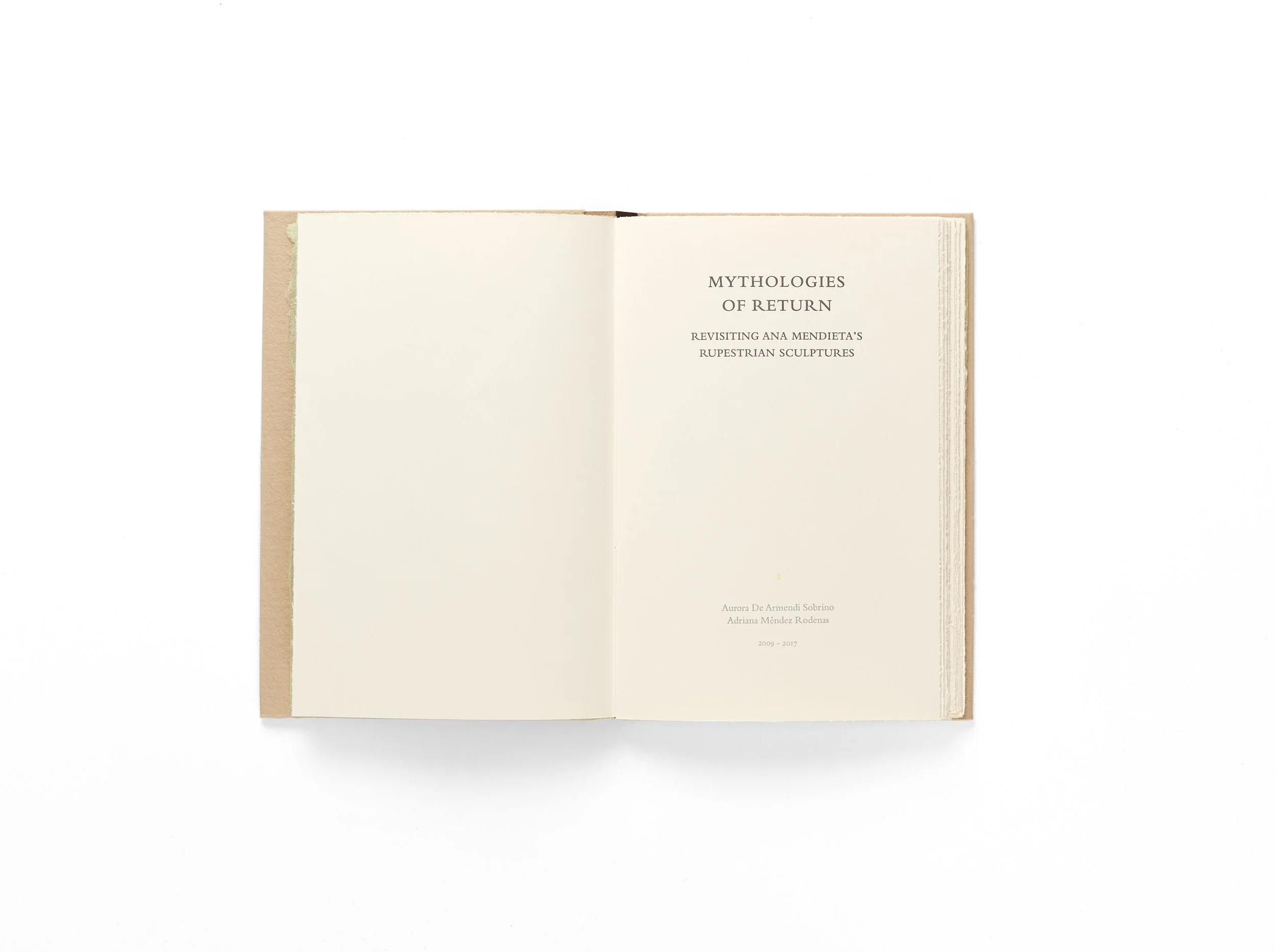
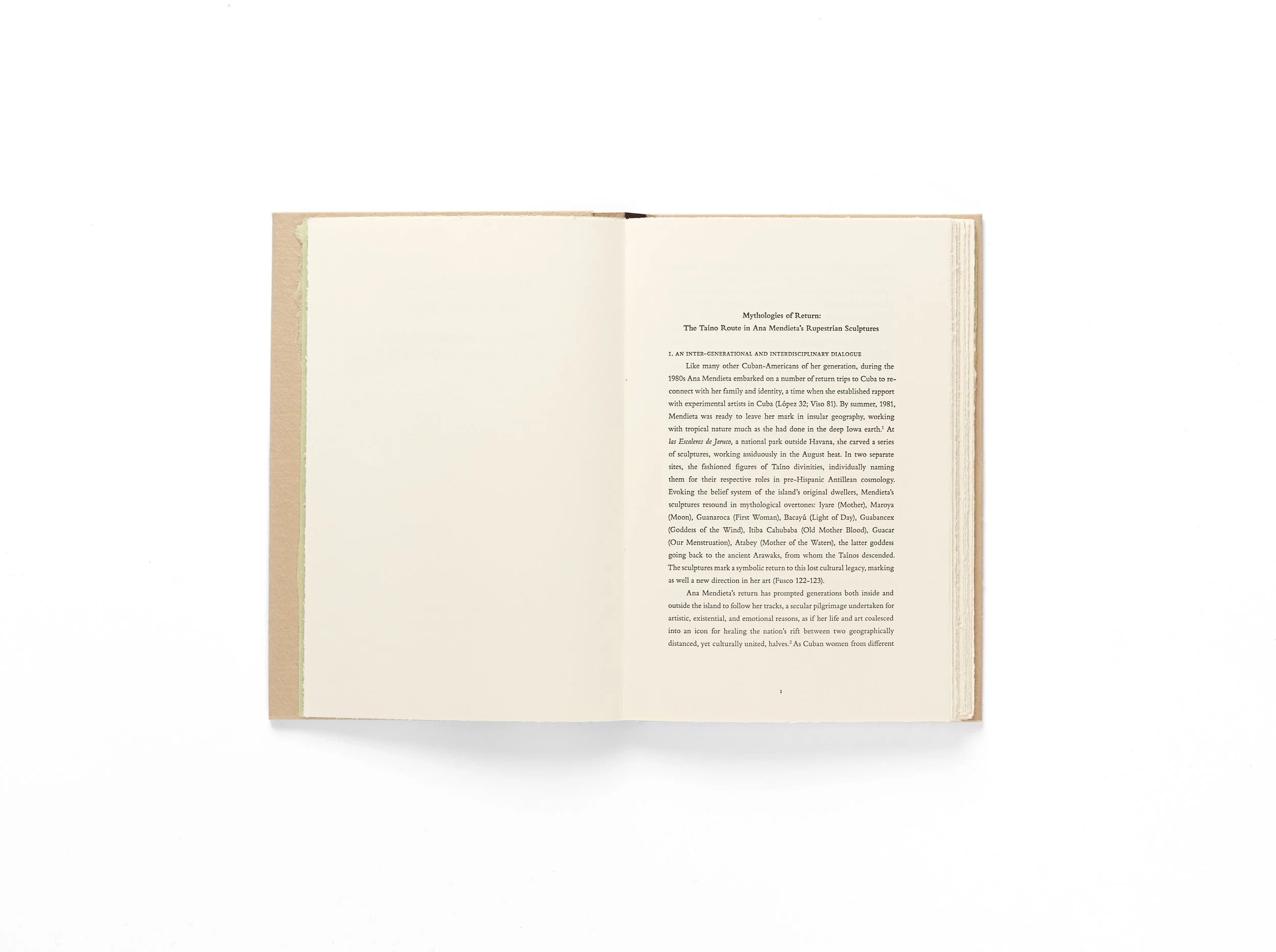
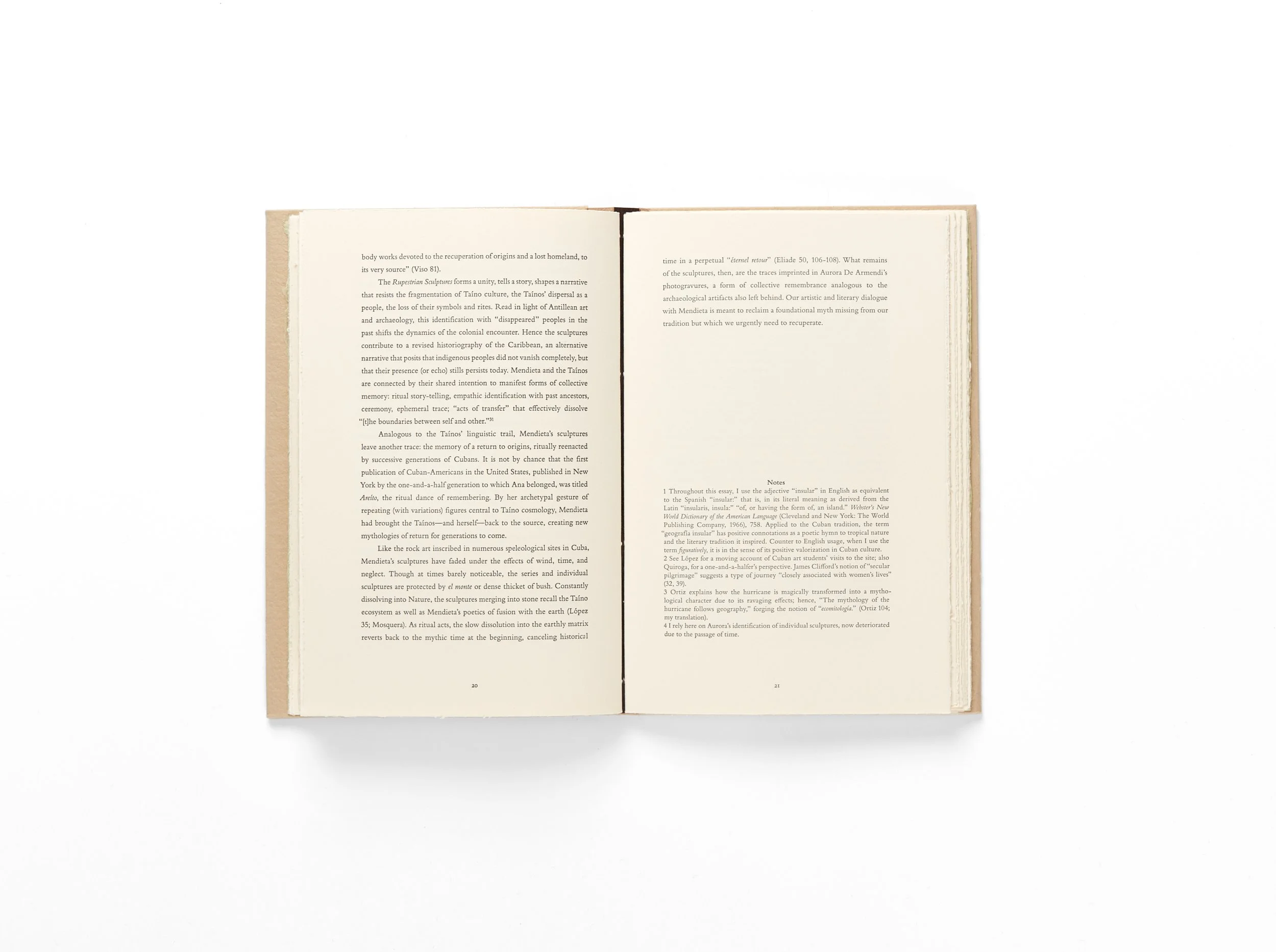
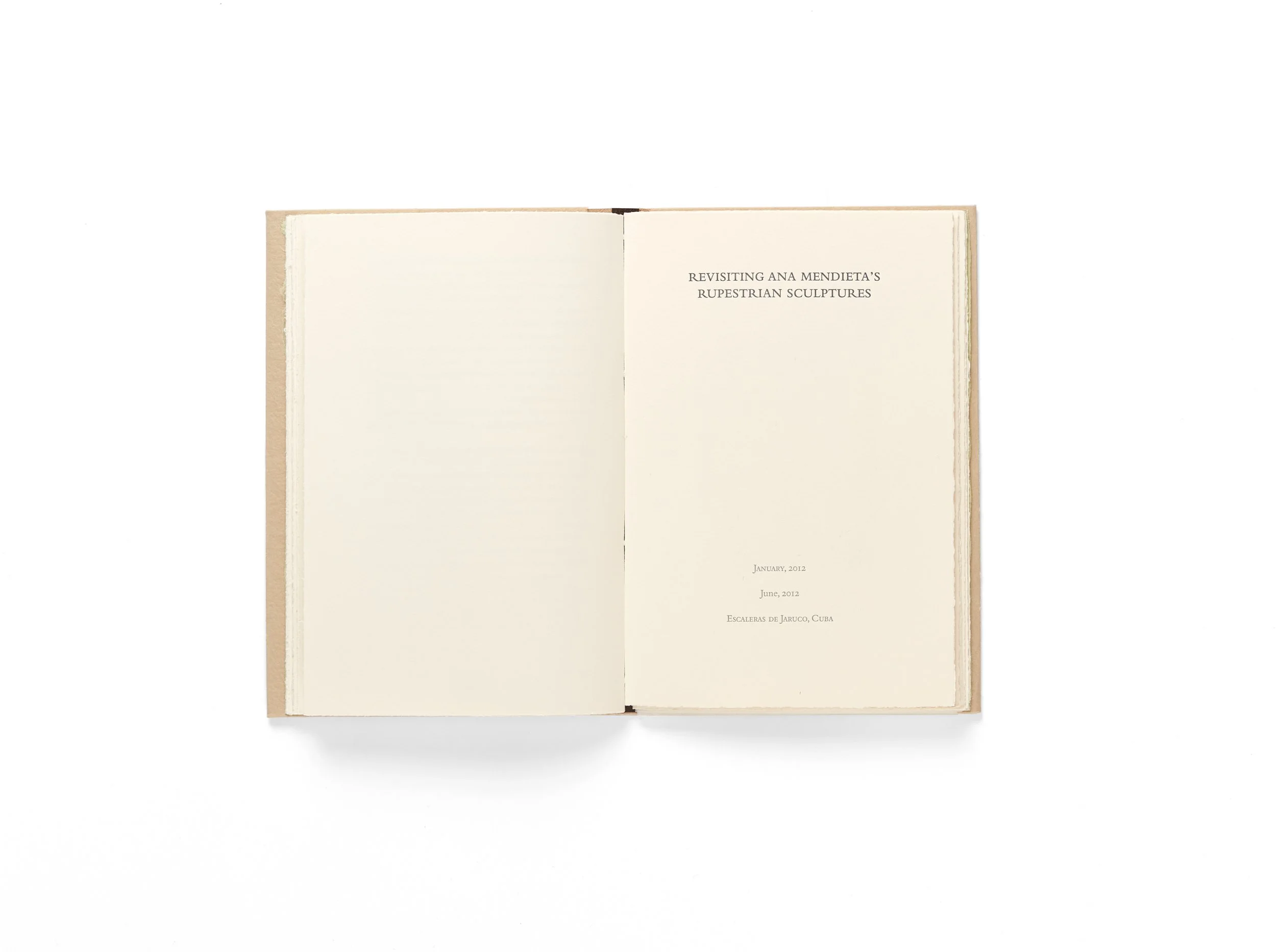
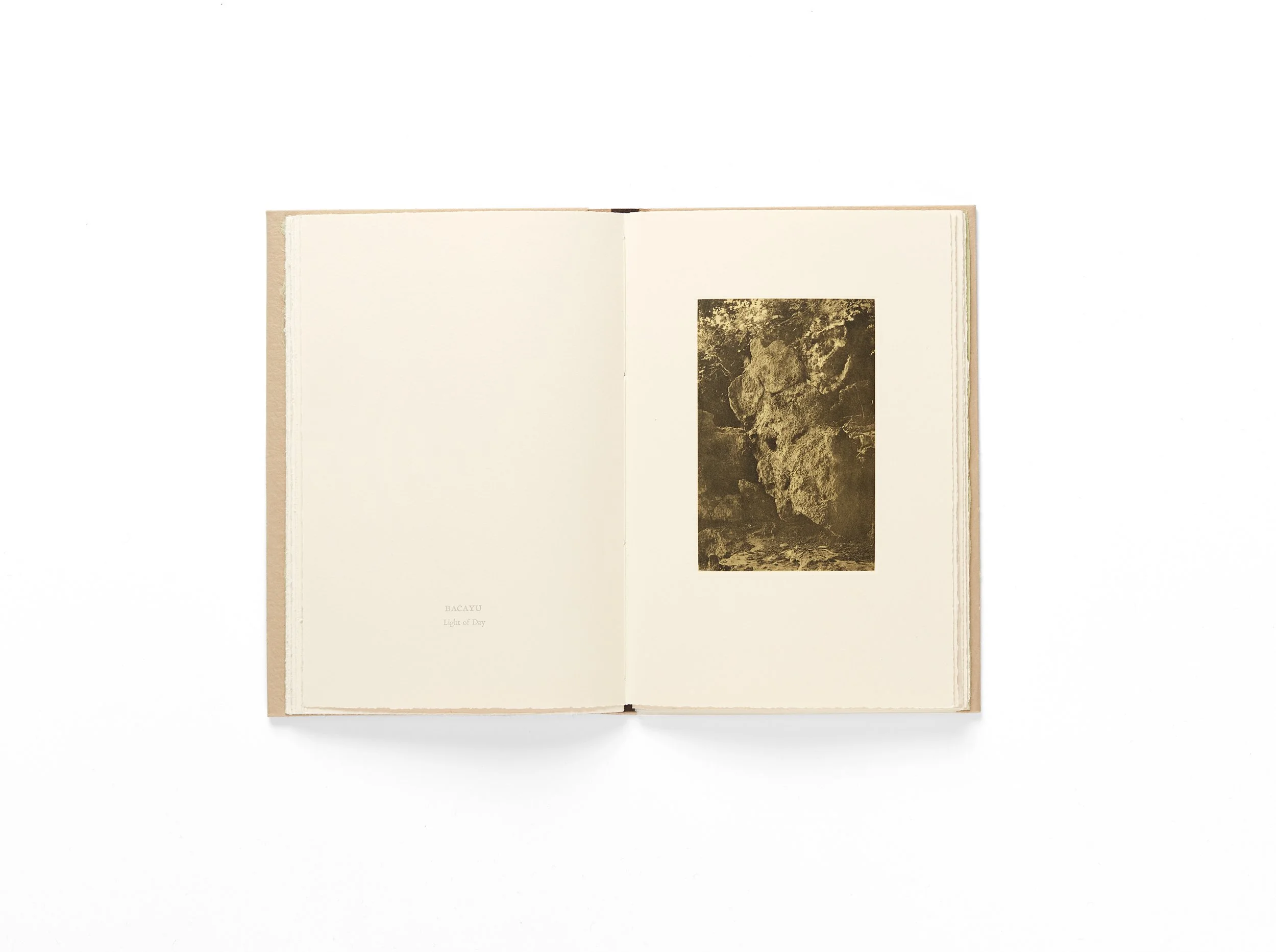
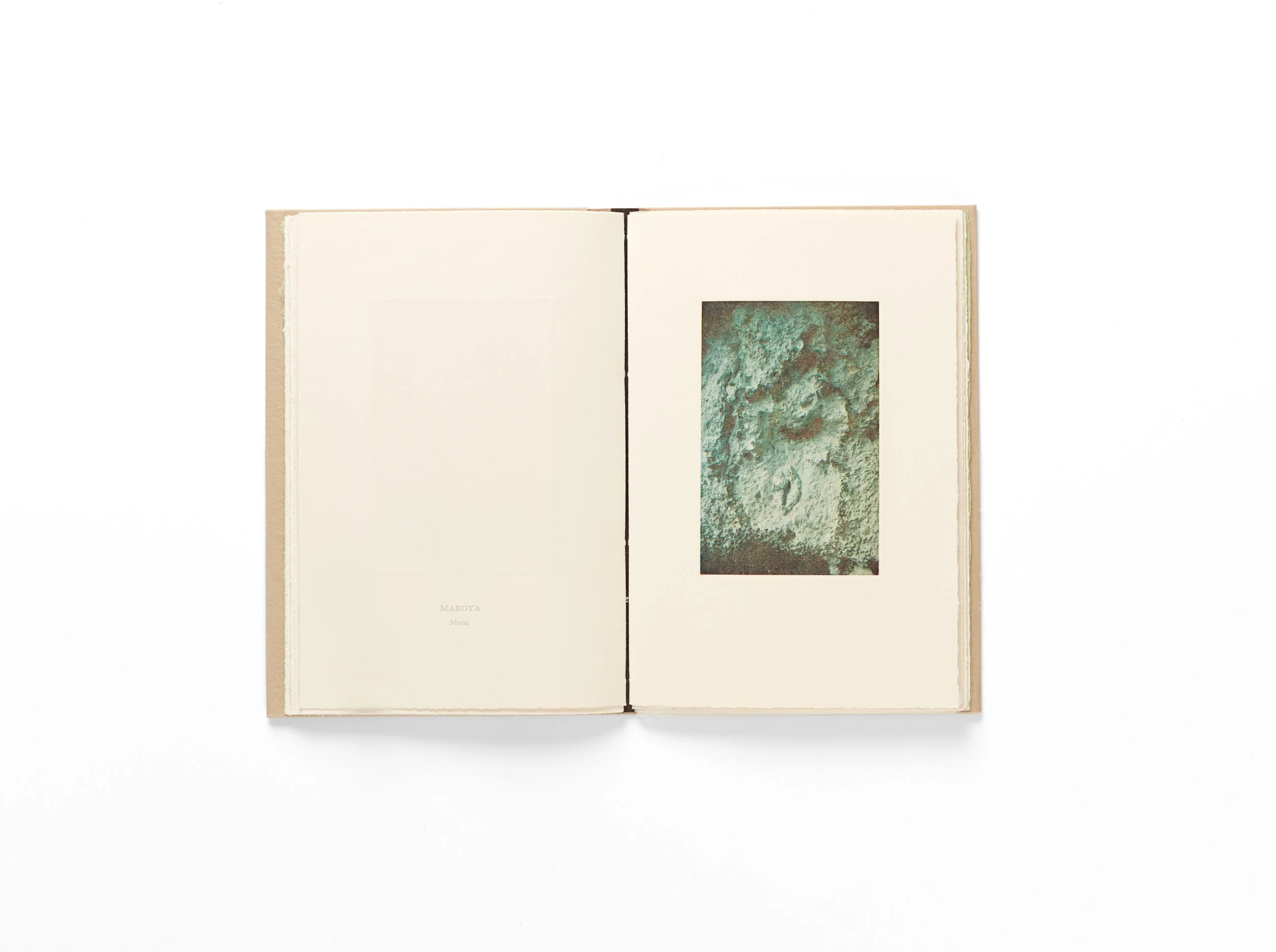
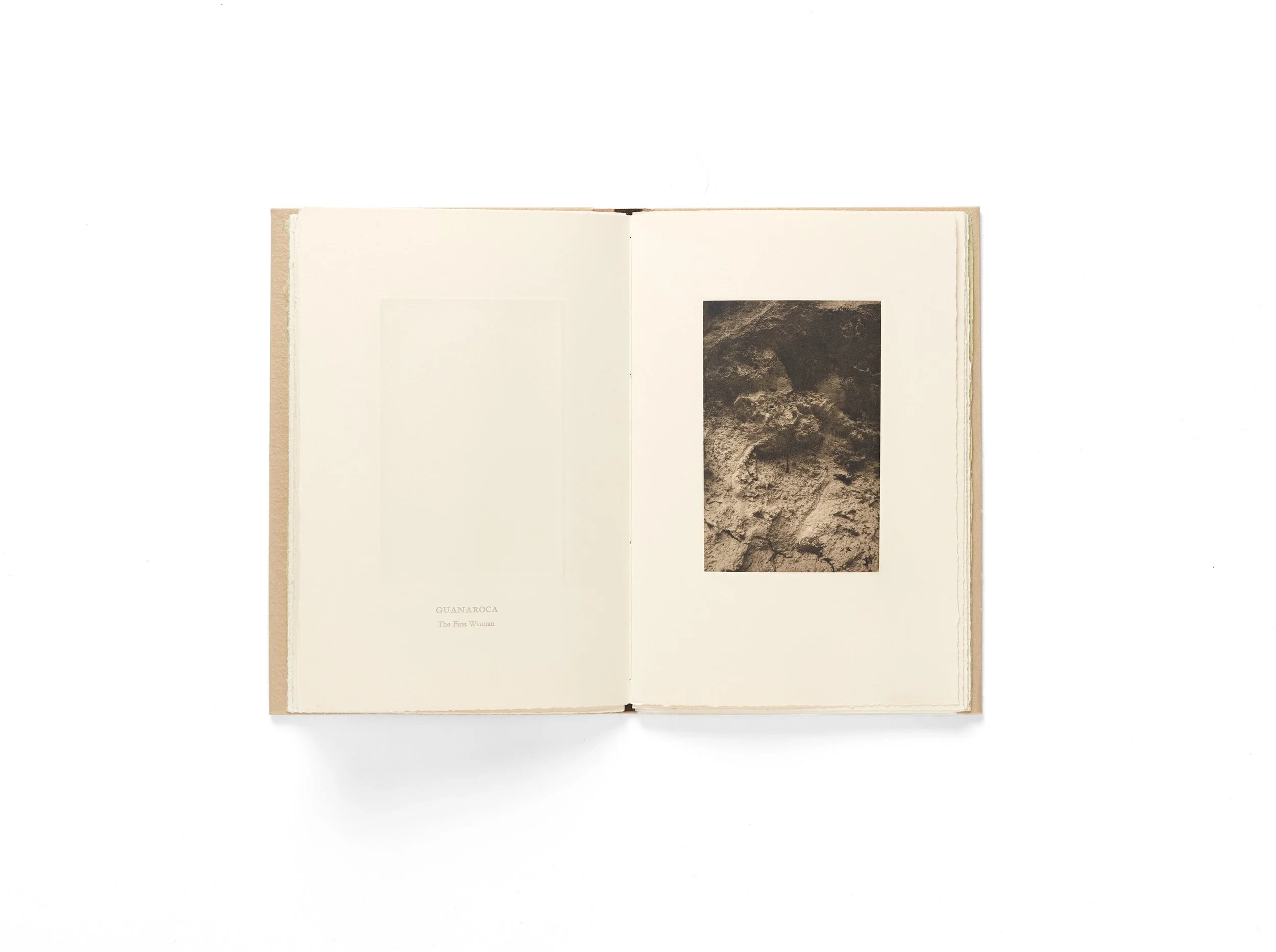
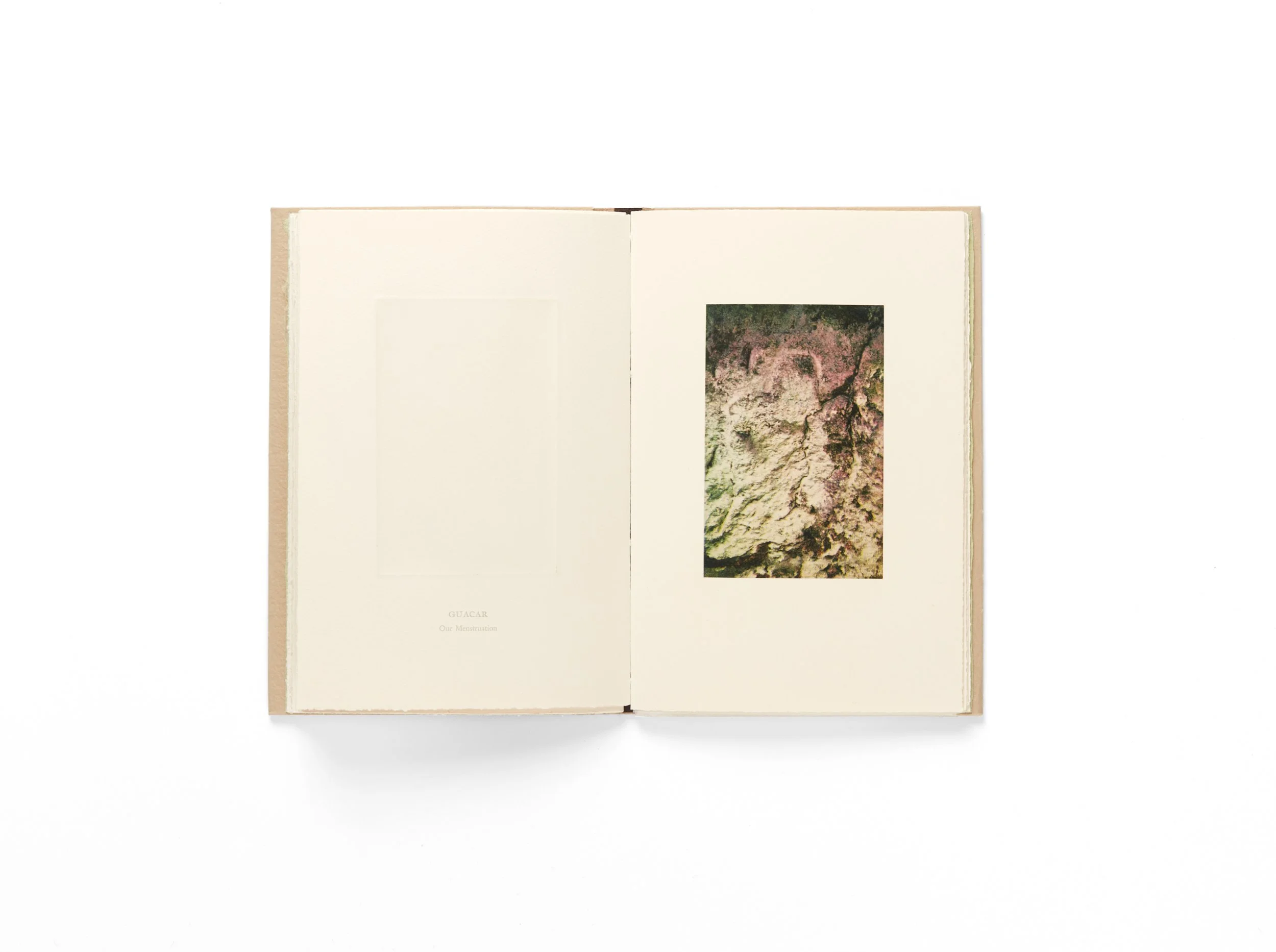
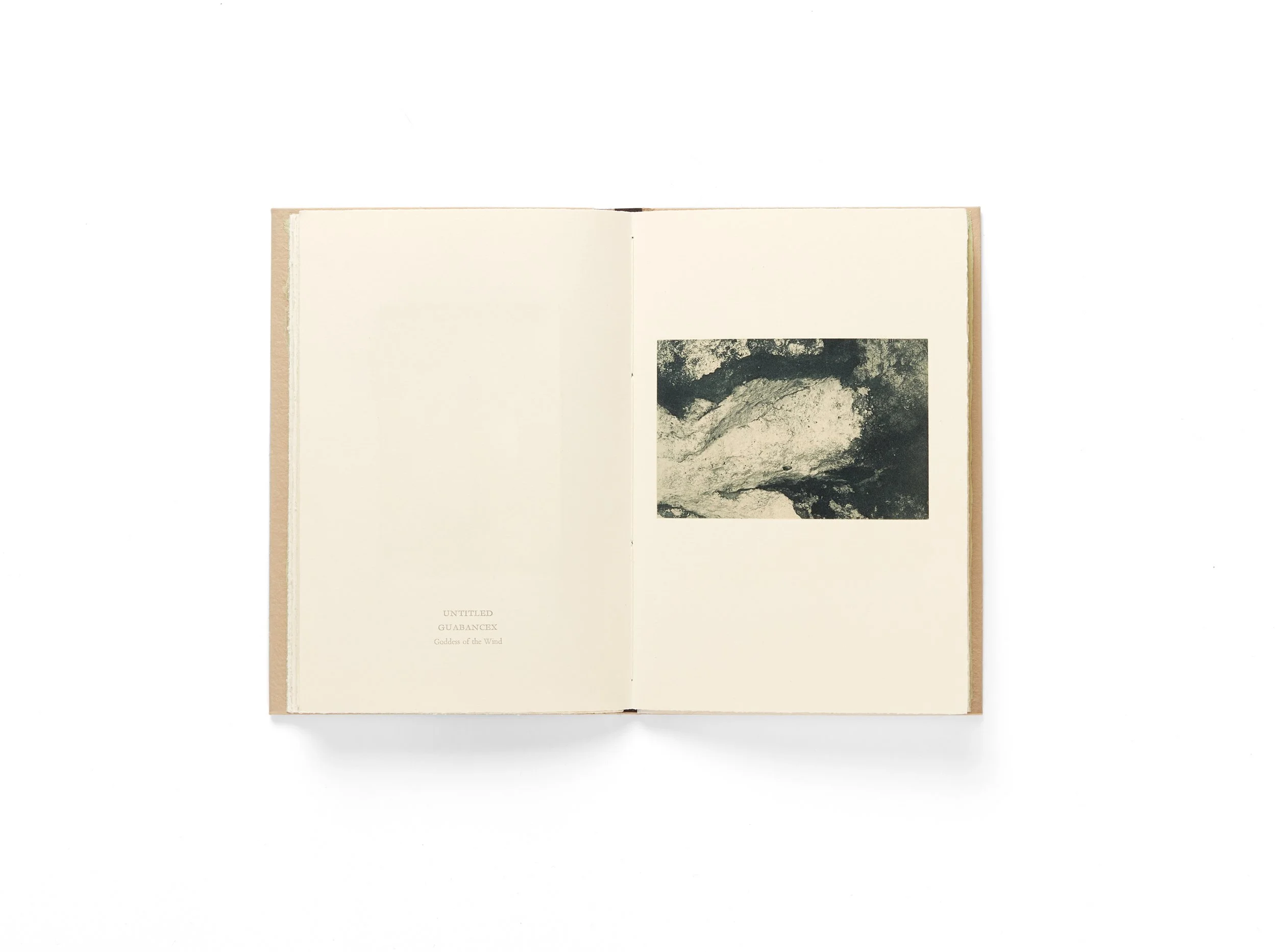
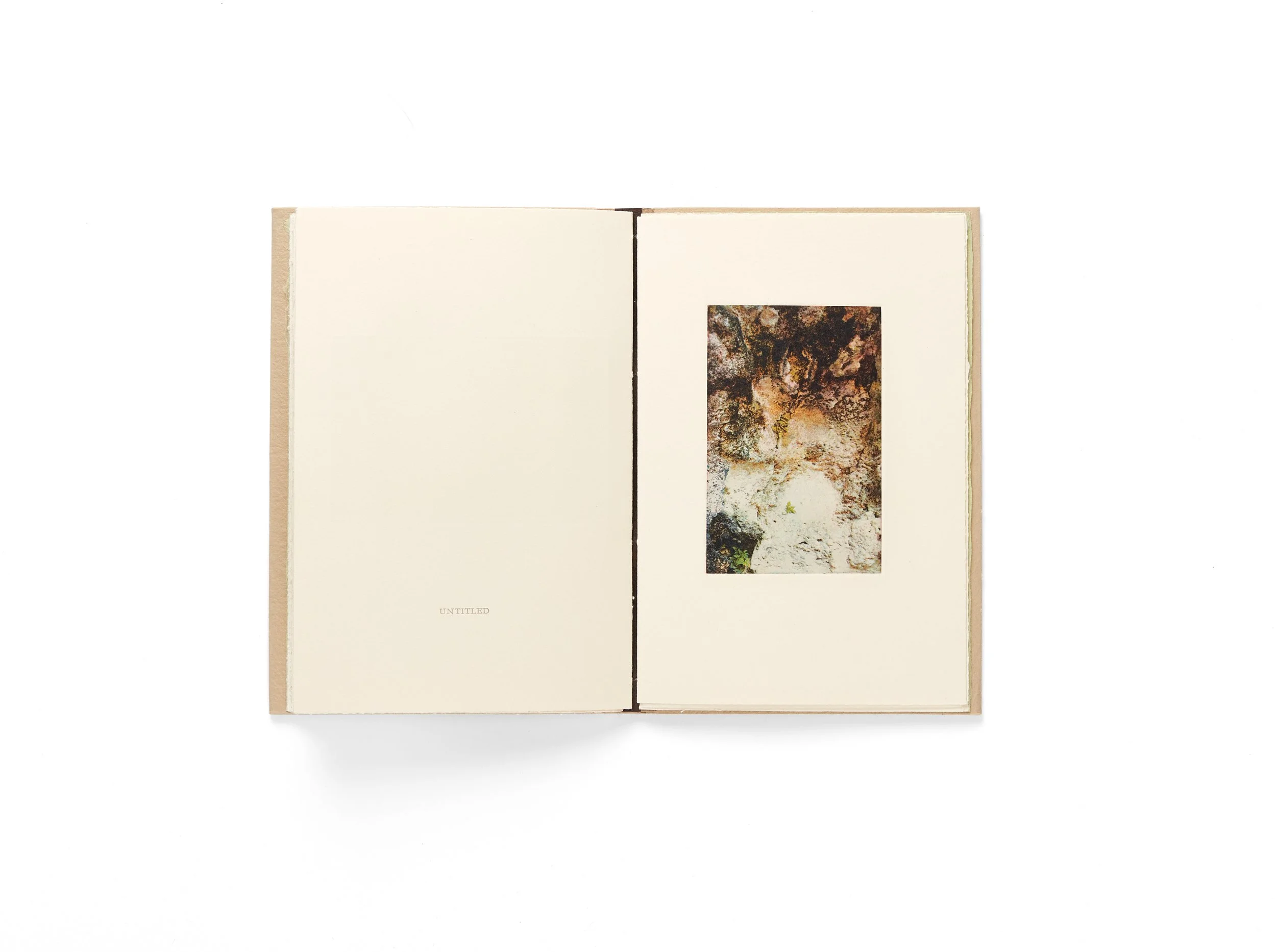
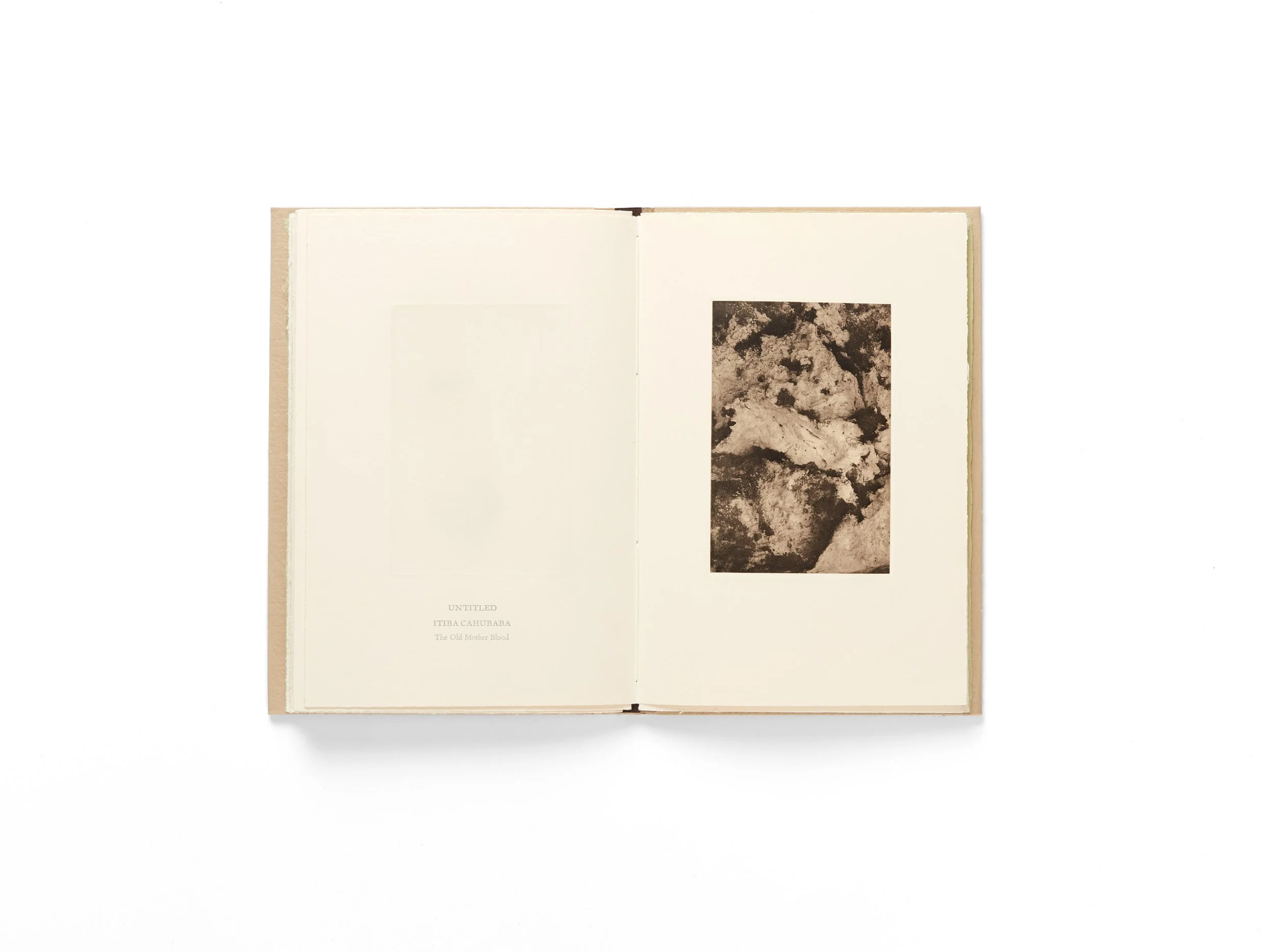
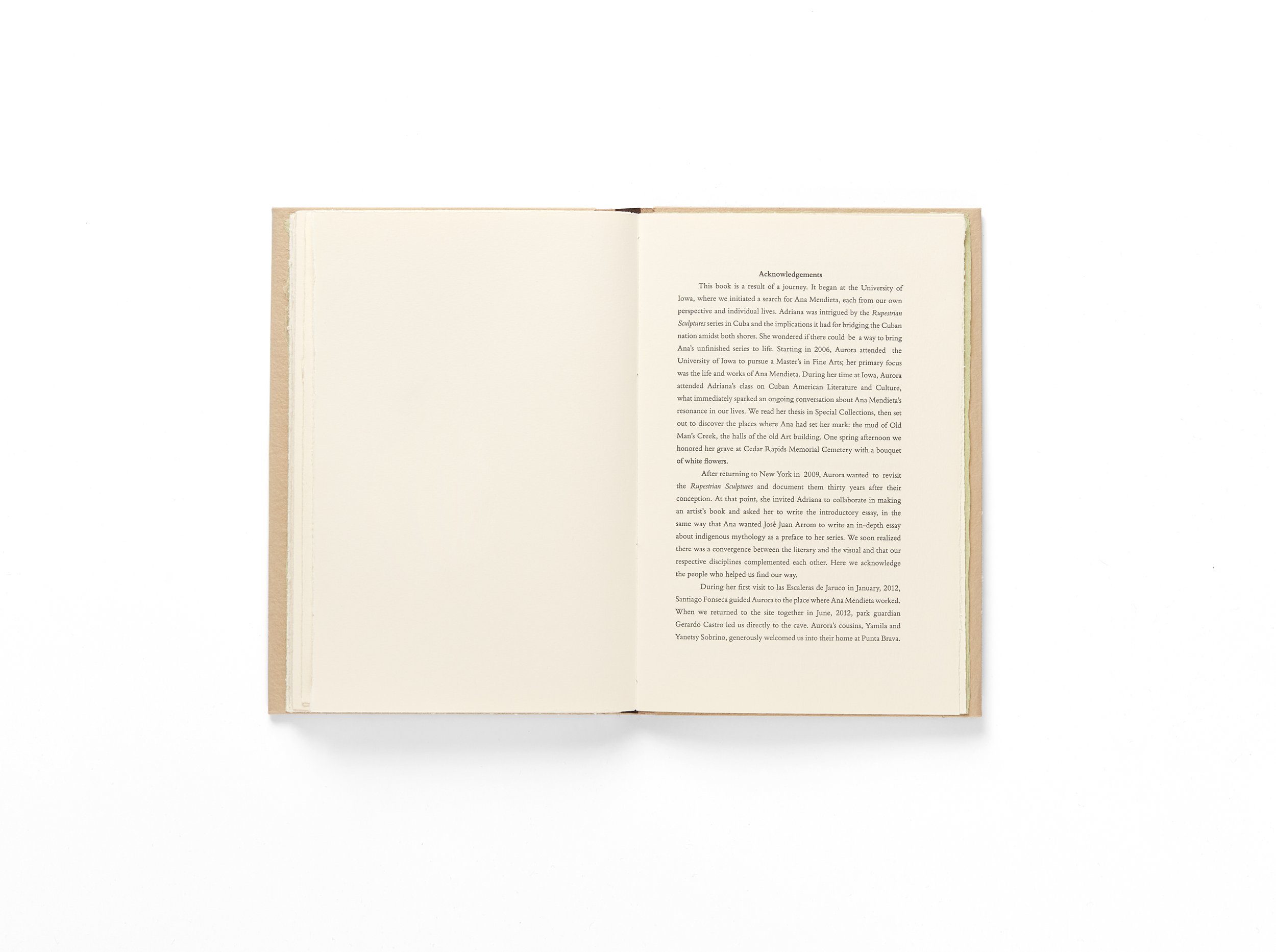
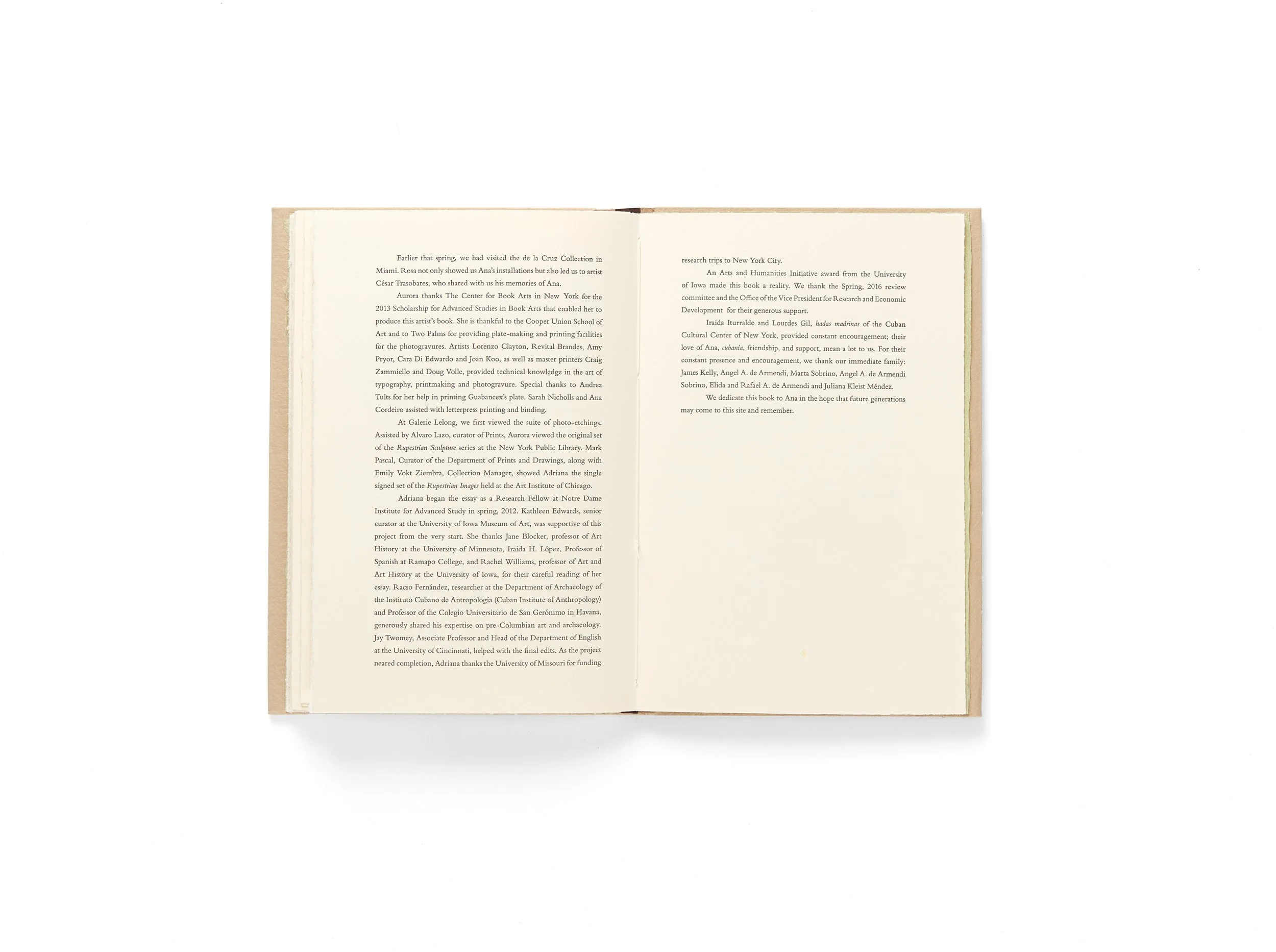
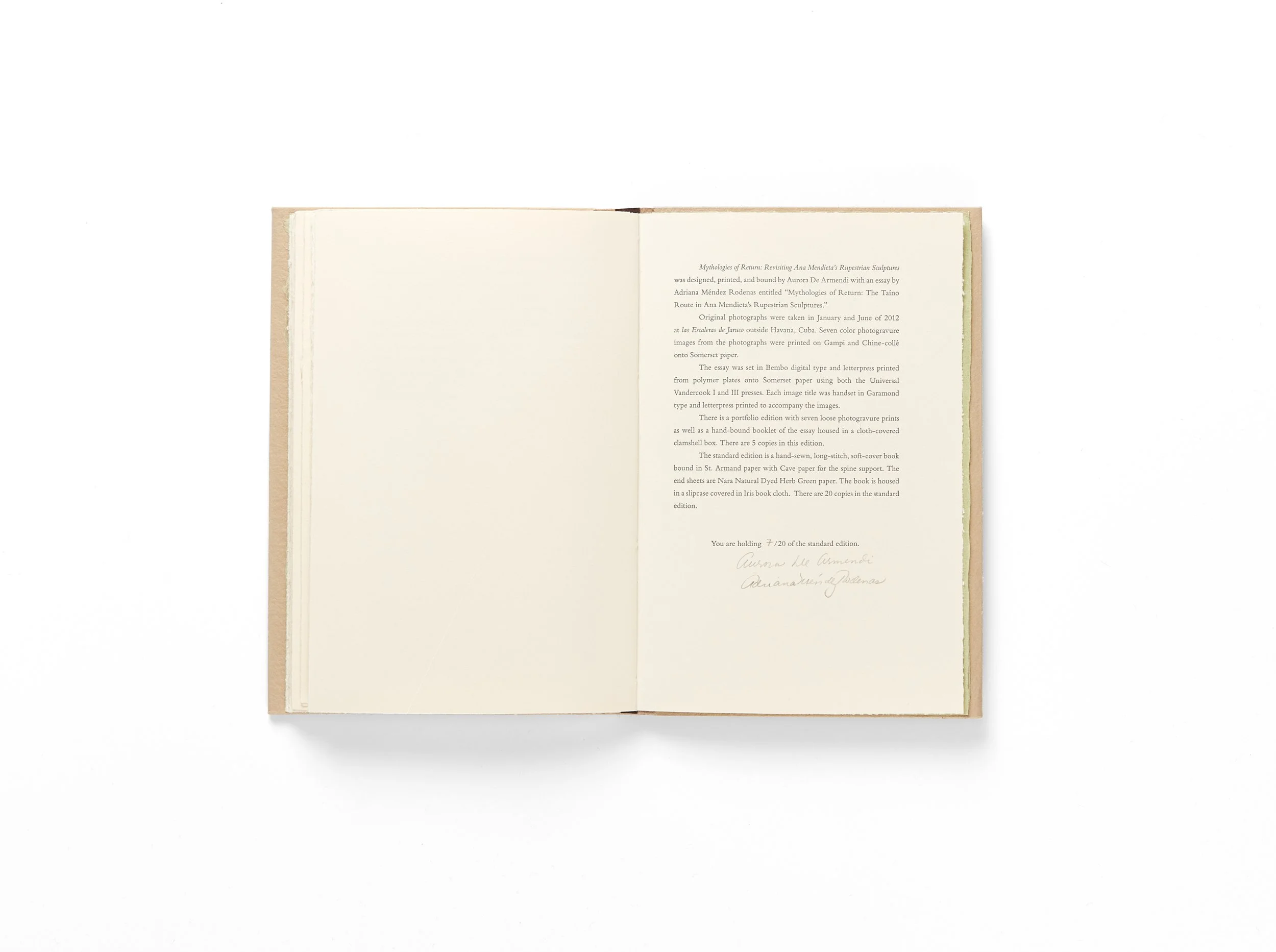
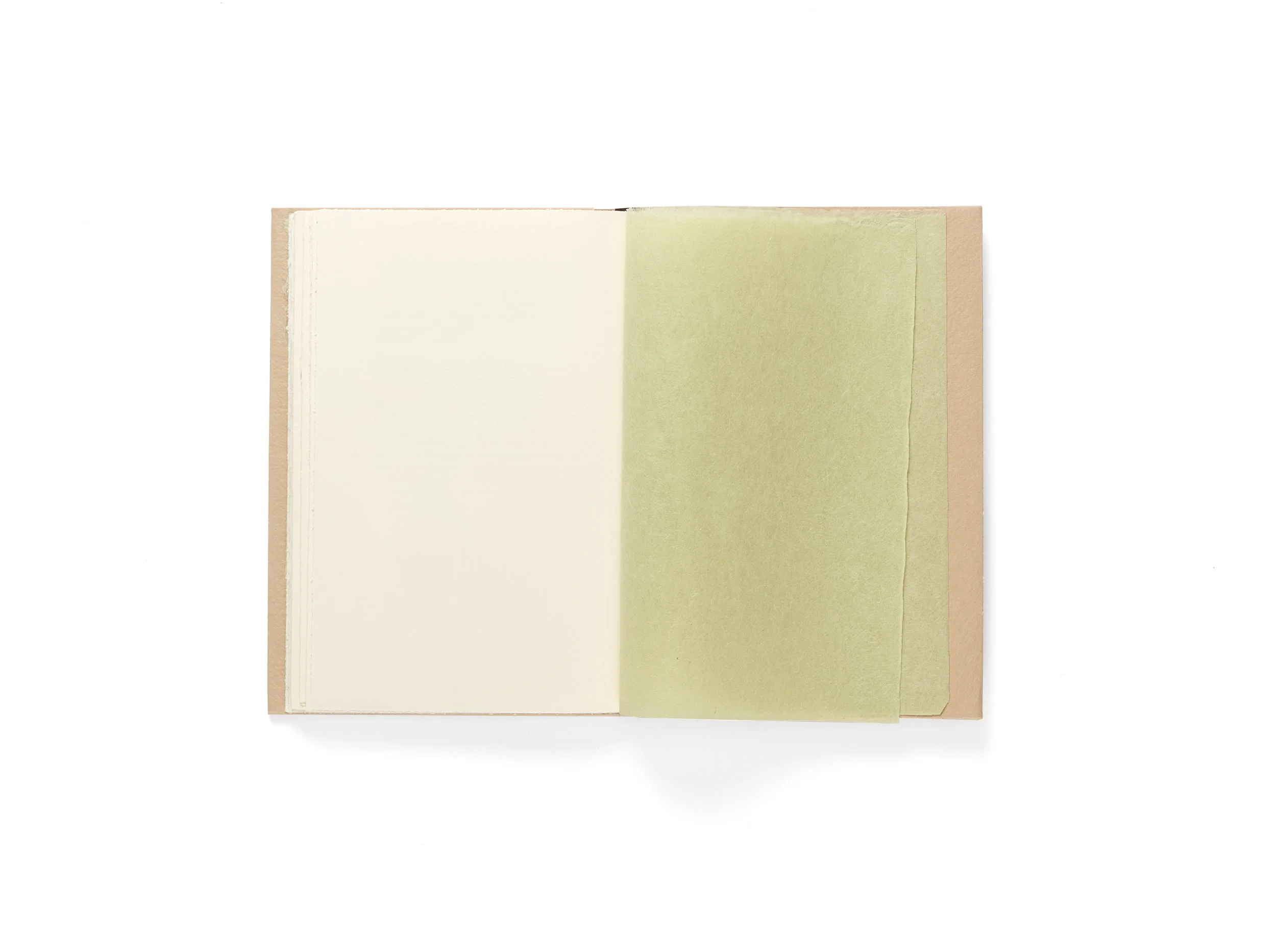

Mythologies of Return: Revisiting Ana Mendieta’s Rupestrian Sculptures
This hand-sewn, long-stitch, soft-cover artist’s book is bound with St. Armand paper and Cave paper for the spine support. The end sheets are Nara Natural Dyed Green paper. Each image title was handset in Garamond type. The essay was set in Bembo digital type and letterpress printed from polymer plates onto text-weight paper. The copperplate photogravures were printed on Gampi and chine collé onto Somerset paper. The book is housed in a slipcase covered in Iris book cloth.
6.9 x 10.24 x 0.7 inches
Edition of 20, 56 pages.
2009 – 2017
***
Mythologies of Return: Revisiting Ana Mendieta’s Rupestrian Sculptures
Libro encuadernado a mano en punto largo con tapa blanda usando los papeles St. Armand y Cave. El tipo Bembo fue utilizado para el ensayo, el tipo Garamond para los títulos de las imágenes. Ambos, el ensayo y los siete fotograbados a color en cobre fueron impresos en el papel Gampi con el soporte del papel Somerset. Cada libro tiene su propio estuche.
17.5 x 26 x 1.75 cm
Edición limitada de 20 ejemplares, 56 pages.
2009 – 1017
Mythologies of Return: Revisiting Ana Mendieta’s Rupestrian Sculptures
In the summer of 1981, Ana Mendieta returned to Cuba for the first time after a long period of exile to reconnect with her ancestry and identity, working at las Escaleras de Jaruco, a national park outside Havana. Inside the limestone walls of the caves, she carved low-relief sculptures, naming her pieces Iyaré (Mother), Maroya (Moon), Guanaroca (The First Woman), Bacayú (Light of the Day), among others, and gathering them under the title, Rupestrian Sculptures Series. In 2012, I traveled twice to Cuba, in January and in June to document and study the carvings Mendieta had made in 1981. Mendieta photographed these works intending to publish a book of etchings titled Rupestrian Sculptures Series (transcription of artist’s notes, Clearwater 39 - 41); José Juan Arrom, then professor of anthropology at Yale and author of Mythology and Arts of the Prehispanic Antilles (1975), a work which deeply influenced Mendieta, was to write the preface for the book (Clearwater, artist’s notes, 40).
Due to her untimely death in 1985, Mendieta did not finish the project. She completed only five of the twelve sets of photo etchings she had originally conceived, and signed only one of the completed portfolios, now held at the Art Institute of Chicago. Galerie Lelong then hired Liliana Porter to print the rest in 1993, which was followed by Clearwater’s facsimile edition, Ana Mendieta--A Book of Works (1993).
Mythologies of Return: Revisiting Ana Mendieta’s Rupestrian Sculptures is a limited edition artist’s book honoring Ana Mendieta’s Rupestrian Sculptures and her original proposal of making an artist’s book of this series. With the project concept, copperplate photogravure images, printing and binding by Aurora De Armendi and an interdisciplinary scholarly essay entitled Mythologies of Return: The Taíno Route in Ana Mendieta’s Rupestrian Sculptures by Adriana Méndez Rodenas.
***
En el verano del 1981, Ana Mendieta regresa a Cuba por primera vez después de haber estado exiliada en los Estados Unidos para reconectarse con su ascendencia e identidad. En Las escaleras de Jaruco, en las afueras de la Habana, deja su marca como artista en la roca caliza de dos cuevas. En uno de los sitios donde trabajó, Mendieta esculpió esculturas de bajo relieve, evocando el sistema de creencias del pueblo indígena Taíno de Cuba y titulando sus obras: Iyaré (madre), Maroya (luna), Guanaroca (primera mujer), Bacayú (luz del día), entre otras, y nombrando la serie Esculturas Rupestres. En el 2012, yo viajé a Cuba dos veces en busca de las esculturas rupestres. En enero viajé al sitio con mis primas y en Julio con mi colaboradora Adriana Méndez Rodenas para documentar y estudiar las esculturas de Ana Mendieta que todavía permanecen allí.
Mendieta documentó a través de la fotografía su obra con la intención de publicar un libro de artista de fotograbados titulado Esculturas Rupestres (transcripción de notas de la artista, (Clearwater 39 – 41). José Juan Arrom, en aquel entonces profesor en la universidad de Yale, y autor de Mitología y artes prehispánicas de las Antillas (1975), una obra que influyó muchísimo en esta serie de Mendieta, era la persona asignada para escribir el prefacio del libro de acuerdo con las notas de la artista (Clearwater, 40).
Debido a su inesperada muerte en 1985, Mendieta no terminó el libro de artista. En ese entonces había completado cinco de las ediciones de doce imágenes y solamente había firmado un portafolio con la obra completa, ubicada en el Instituto de Arte de Chicago (Viso [2004], 250). Posterior a su muerte, Galerie Lelong contrató a Liliana Porter como grabadora para imprimir el resto de los fotograbados y terminar el proyecto en 1993. Según las notas de la artista, el libro iba a ser “’small in scale’” para evocar un sentimiento íntimo en el espectador/lector (Clearwater 40). Al trabajar y recrear la mitología y simbolismo de los Taínos, ella quería establecer una colaboración – quizás una conversación – entre nuestros ancestros y su propia experiencia de migración y exilio.
Mythologies of Return: Revisiting Ana Mendieta’s Rupestrian Sculptures es un libro de artista en una edición limitada de 20 ejemplares donde se reúne un ensayo académico interdisciplinario escrito por Adriana Méndez Rodenas titulado Mythologies of Return: The Taíno Route in Ana Mendieta’s Rupestrian Sculptures con siete fotograbados desarrollados desde la documentación fotográfica desempeñada por mi en el sitio de las Esculturas Rupestres. Ambas colaboradoras hemos unido nuestras distintas áreas de especialización para estudiar y reinterpretar la serie original de Ana Mendieta treinta años después de su concepción.
Works Cited:
Clearwater, Bonnie. Ana Mendieta, A Book of Works. Ed. Bonnie Clearwater. Miami Beach: Grassfield Press, 1993.
Mendieta, Ana. Esculturas Rupestres / Rupestrian Sculptures. Suite of 10 photo etchings. Made from photographs taken by Ana Mendieta in 1981, Jaruco Park, Cuba [las Escaleras de Jaruco, Cuba]. Edition of 20. Galerie Lelong, New York.
Viso, Olga M. Ana Mendieta. Earth, Body, Sculpture, and Performance, 1972 - 1985. Washington, D.C.: Smithsonian Institution; Ostfildern-Ruit, Germany: Hatje Cantz Publishers, 2004
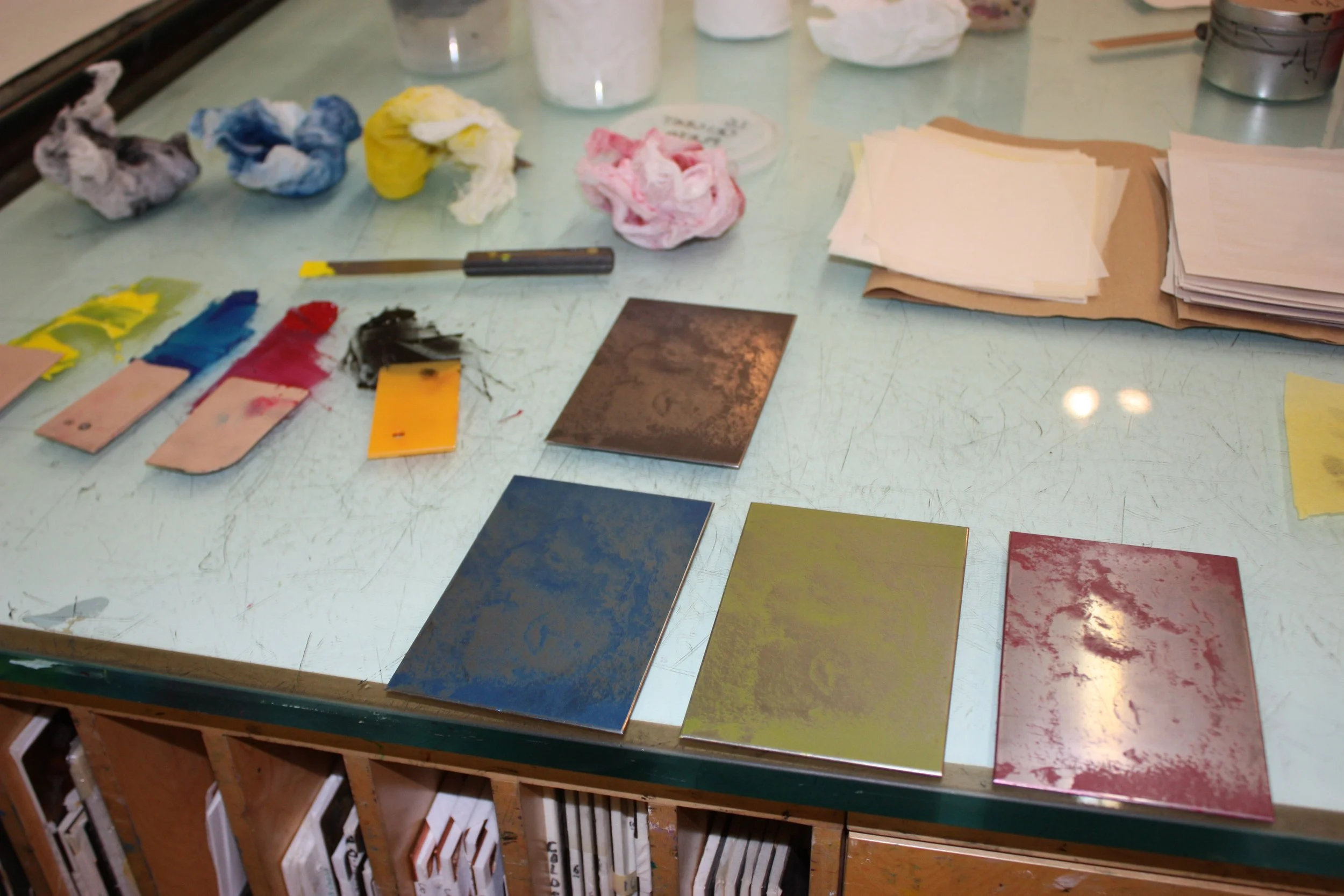
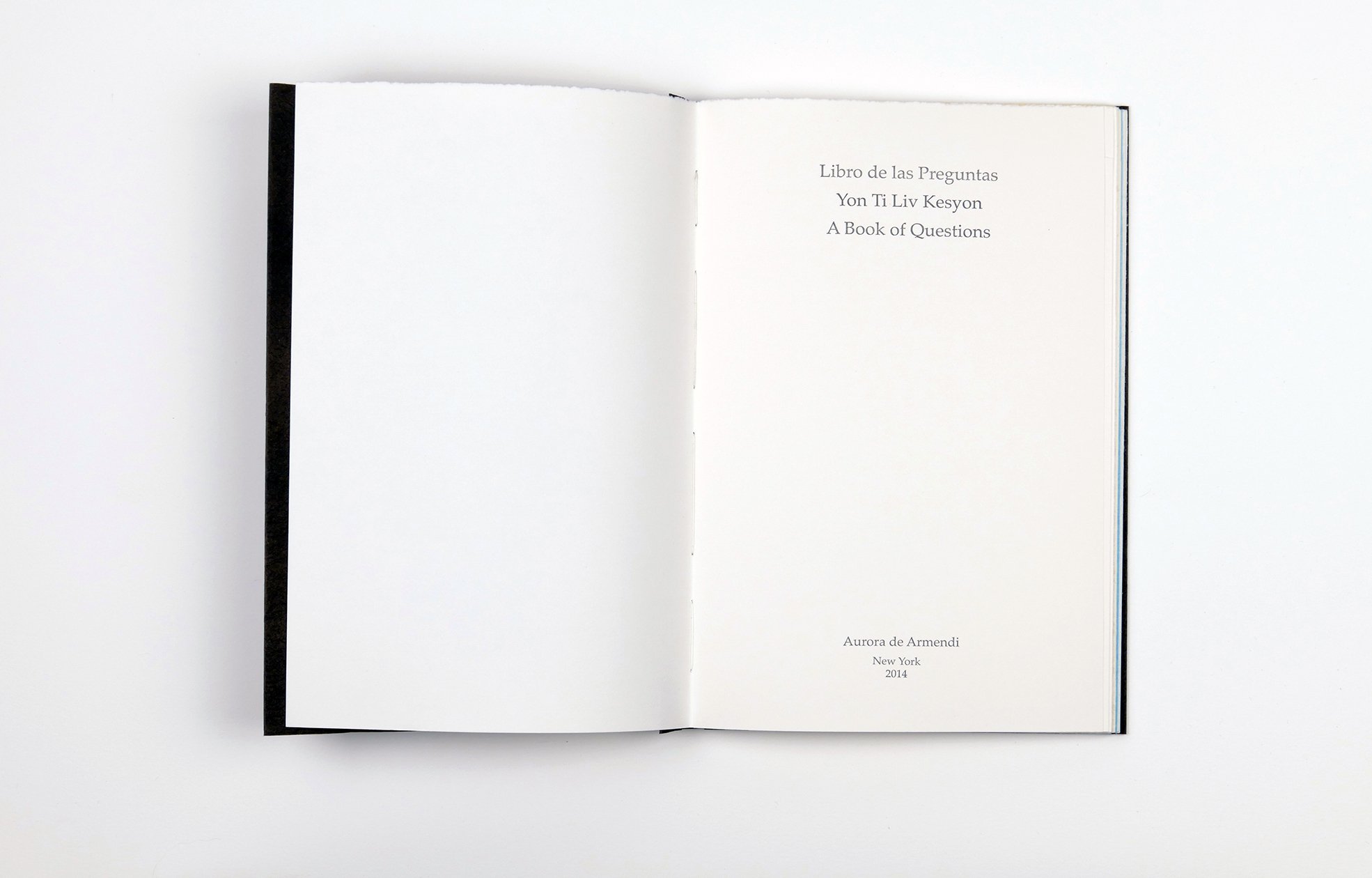
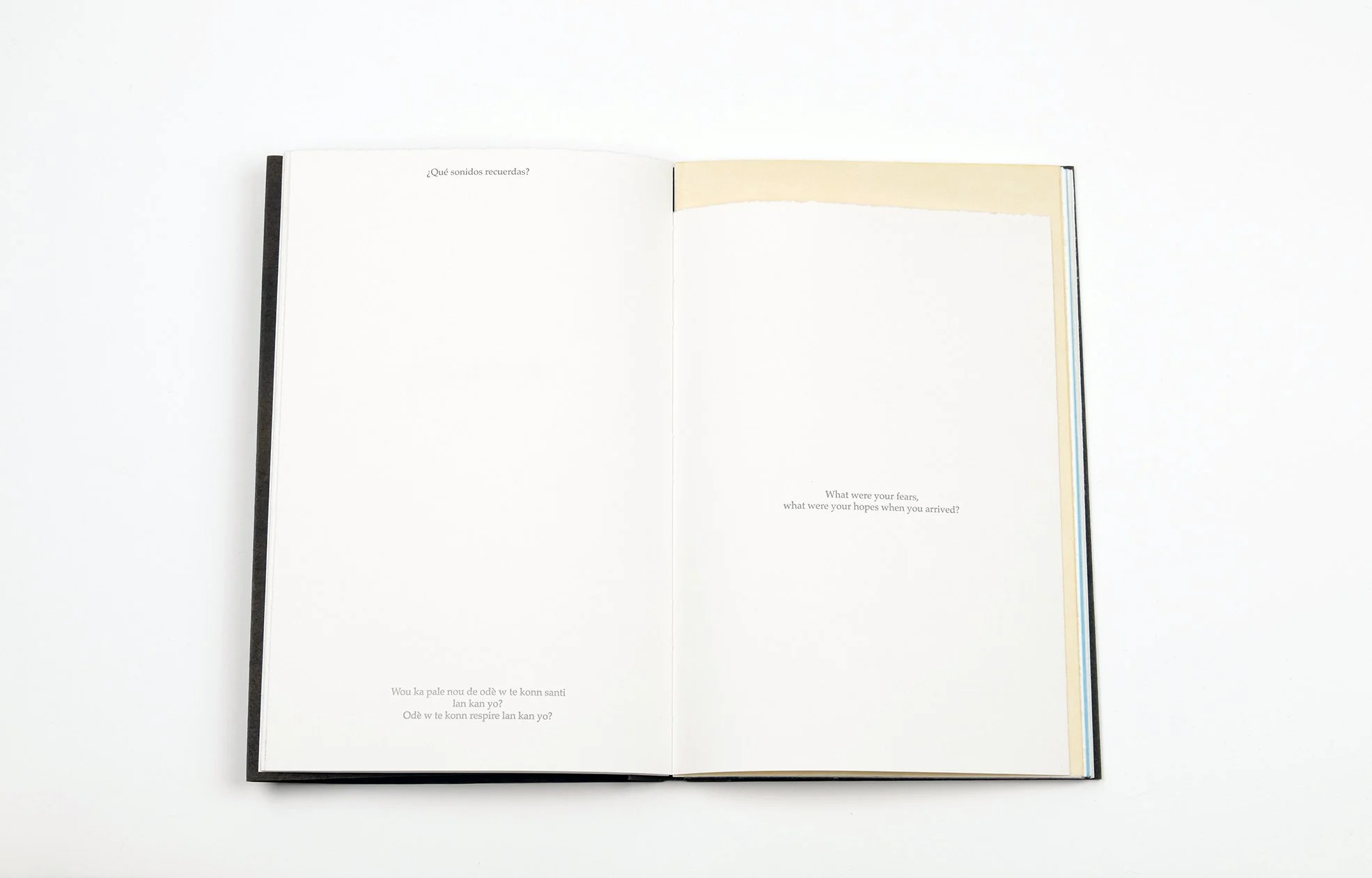
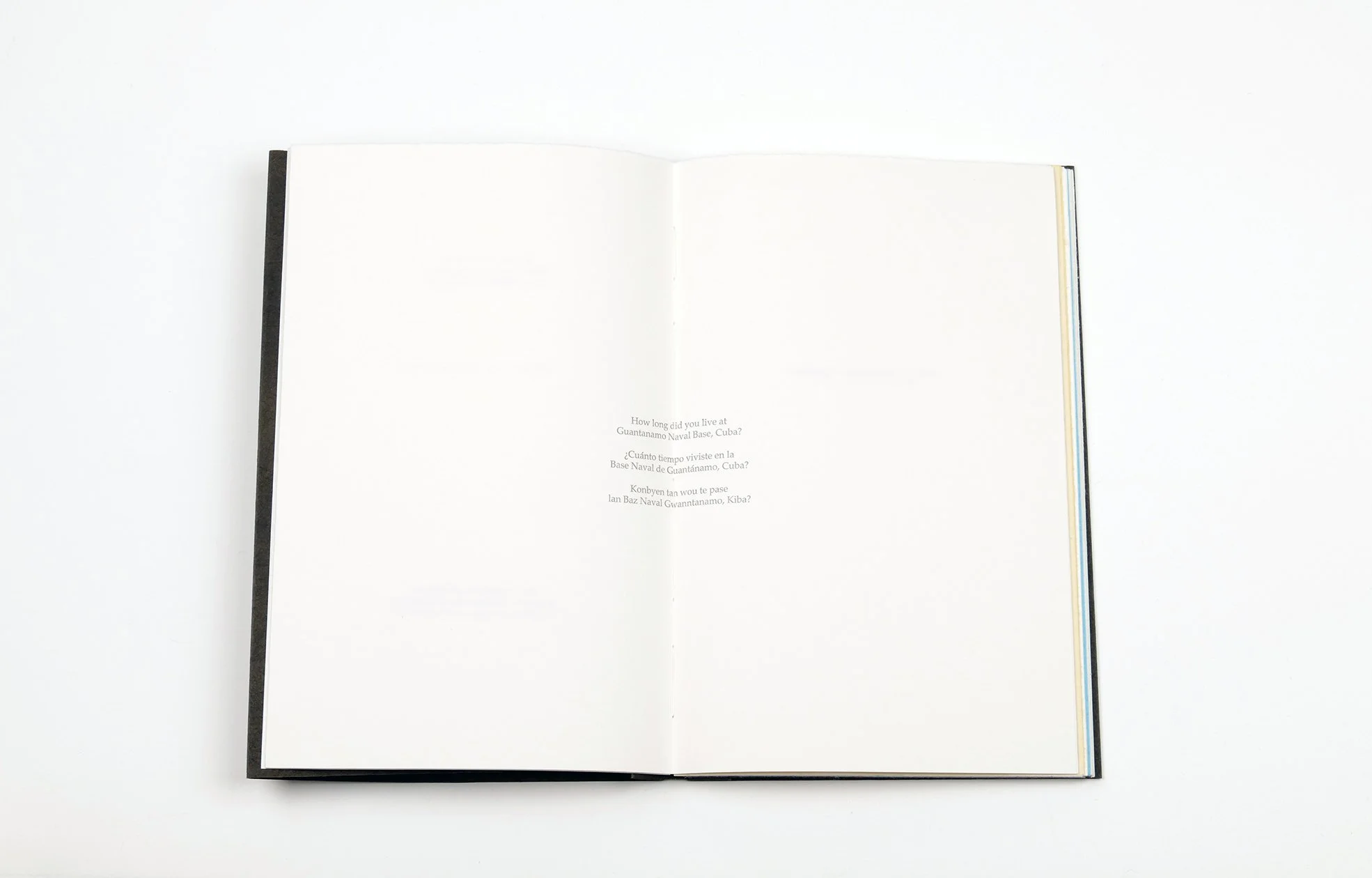
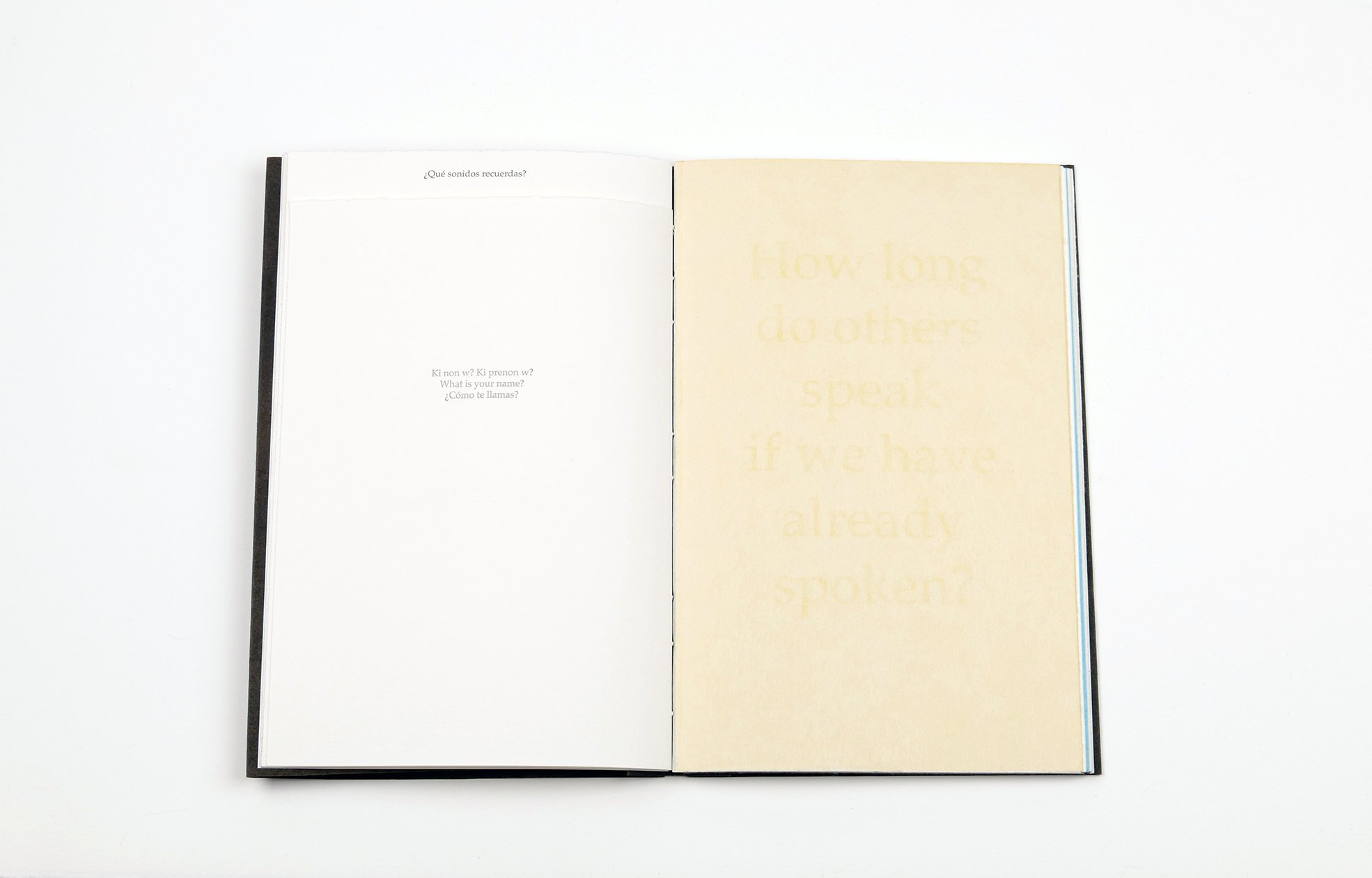
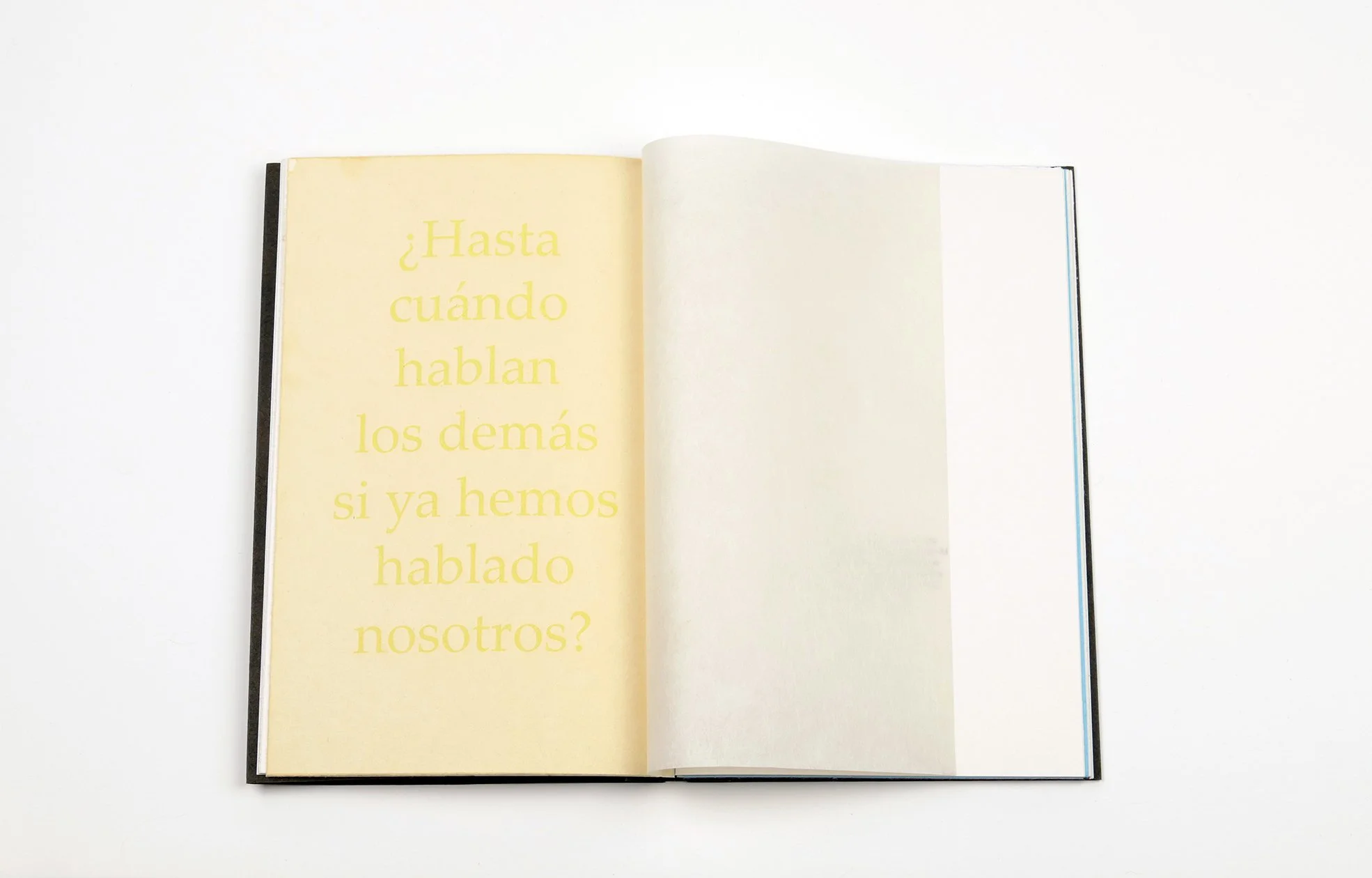
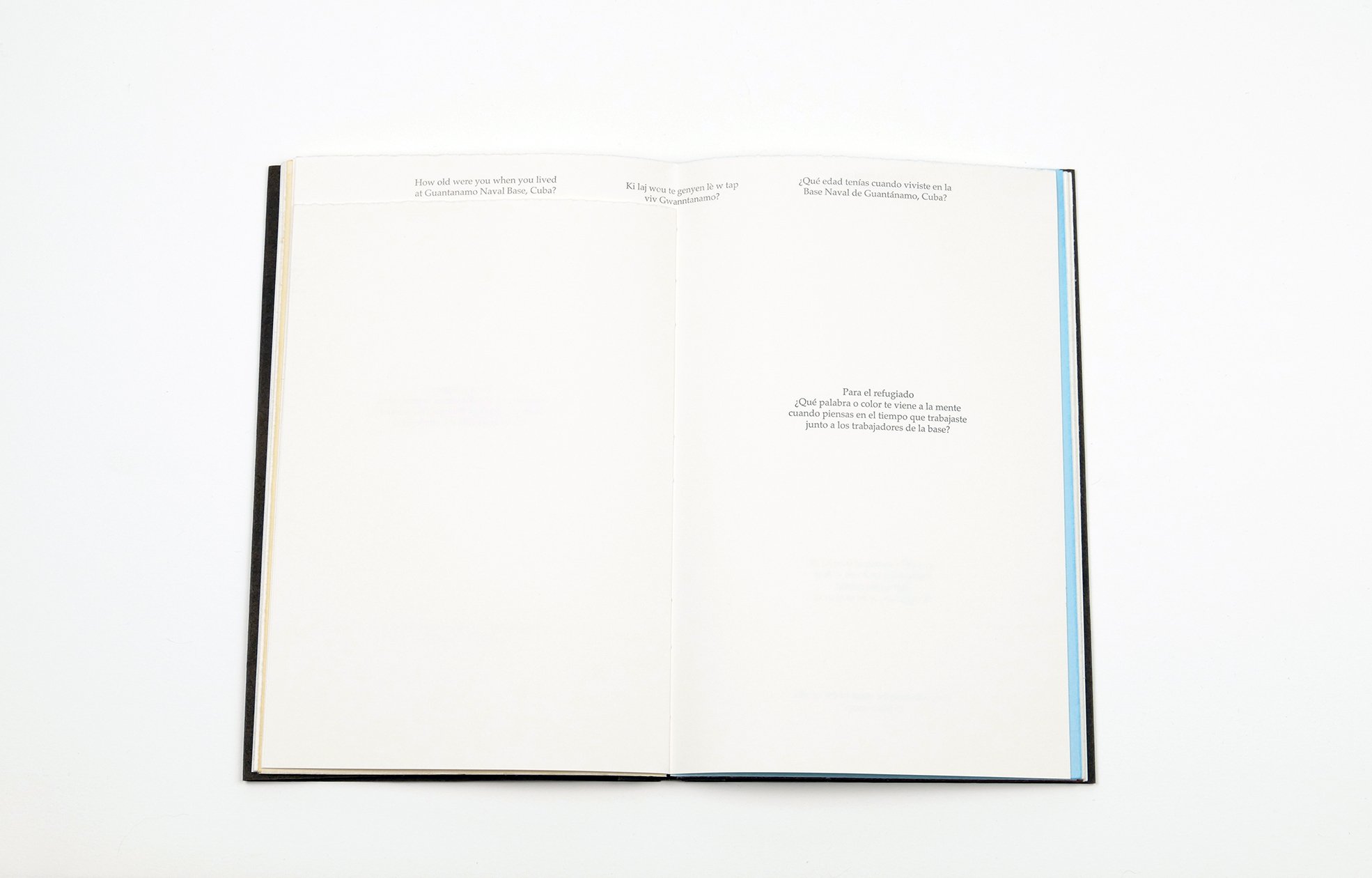
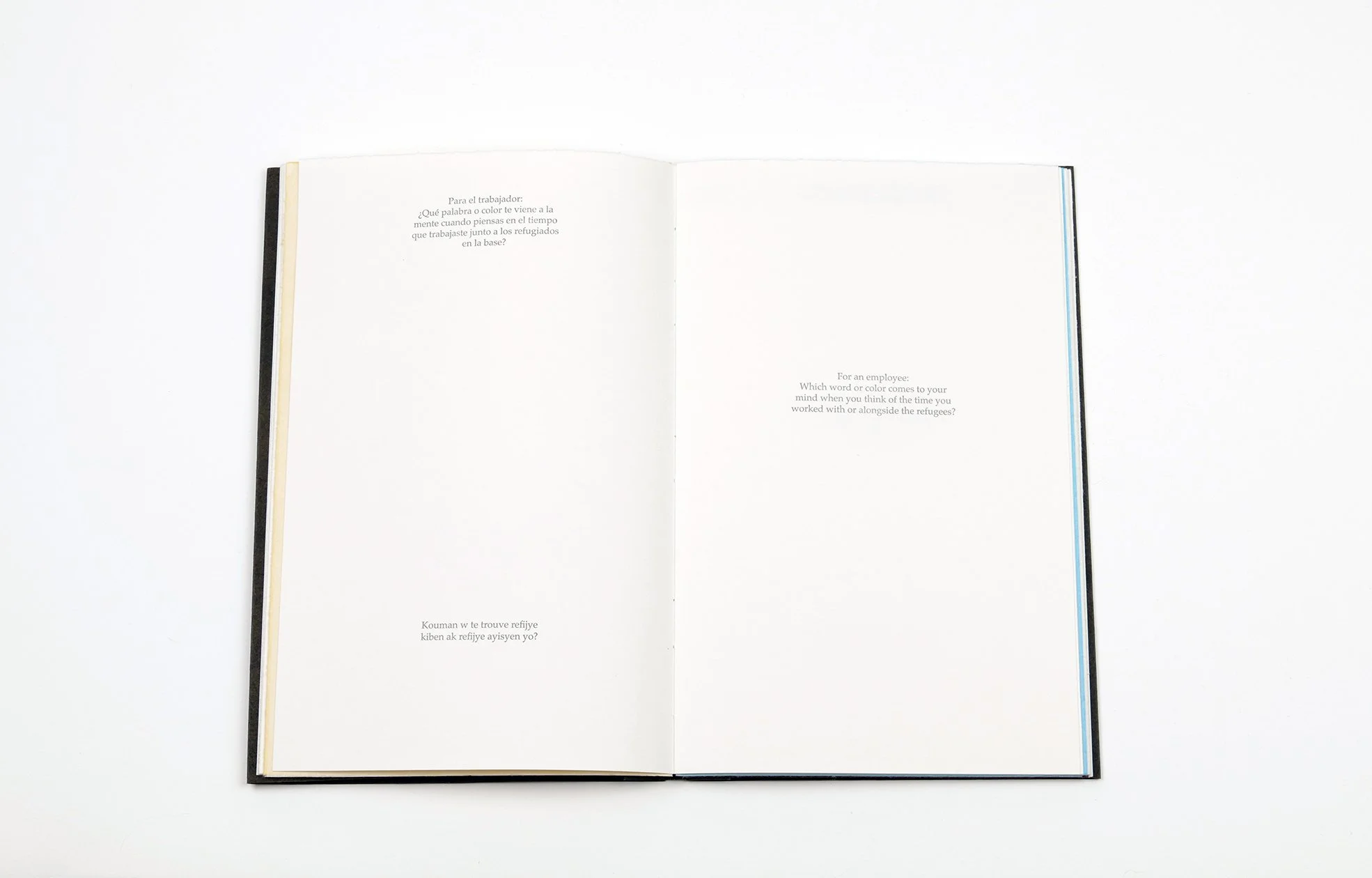
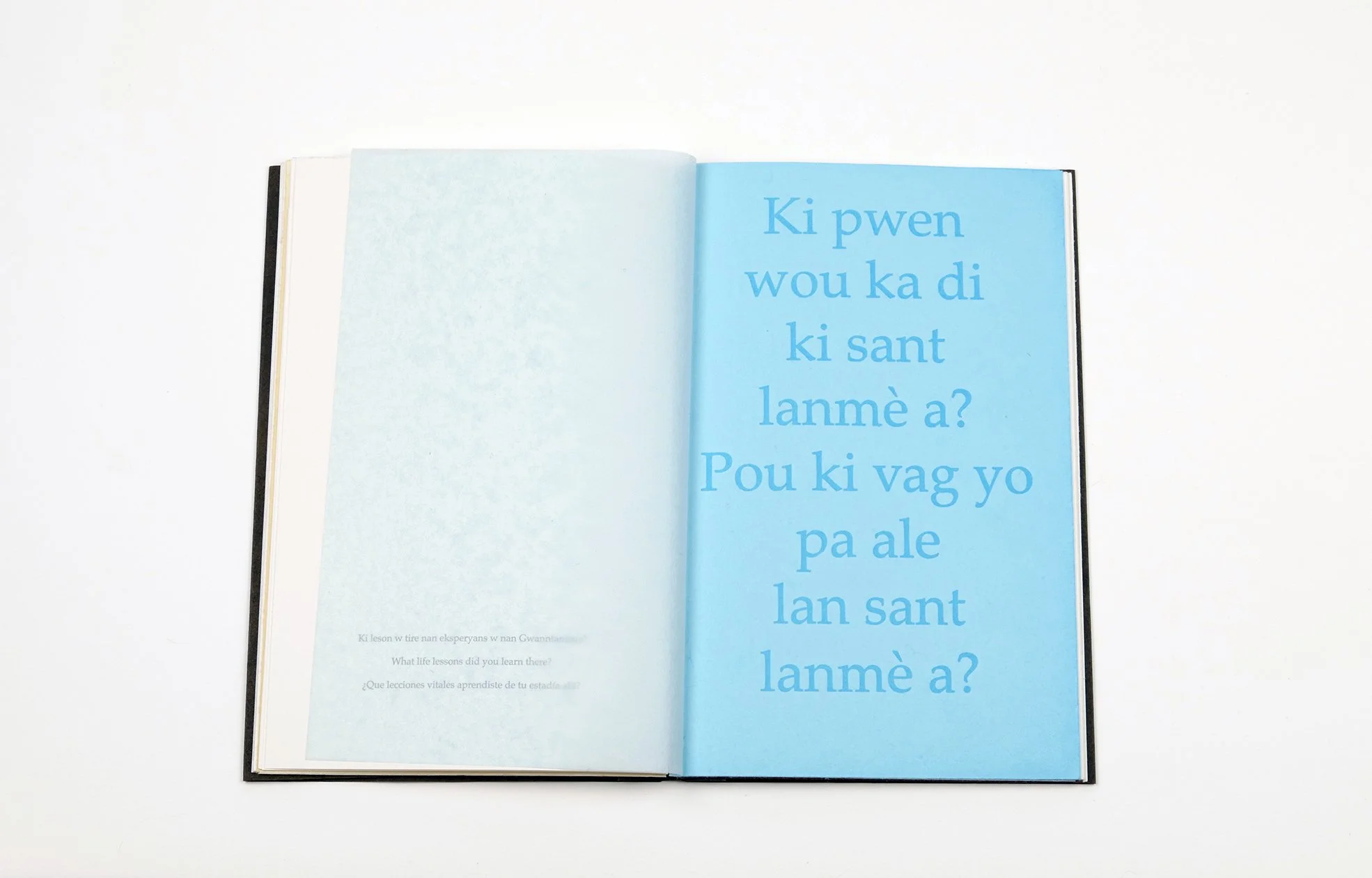
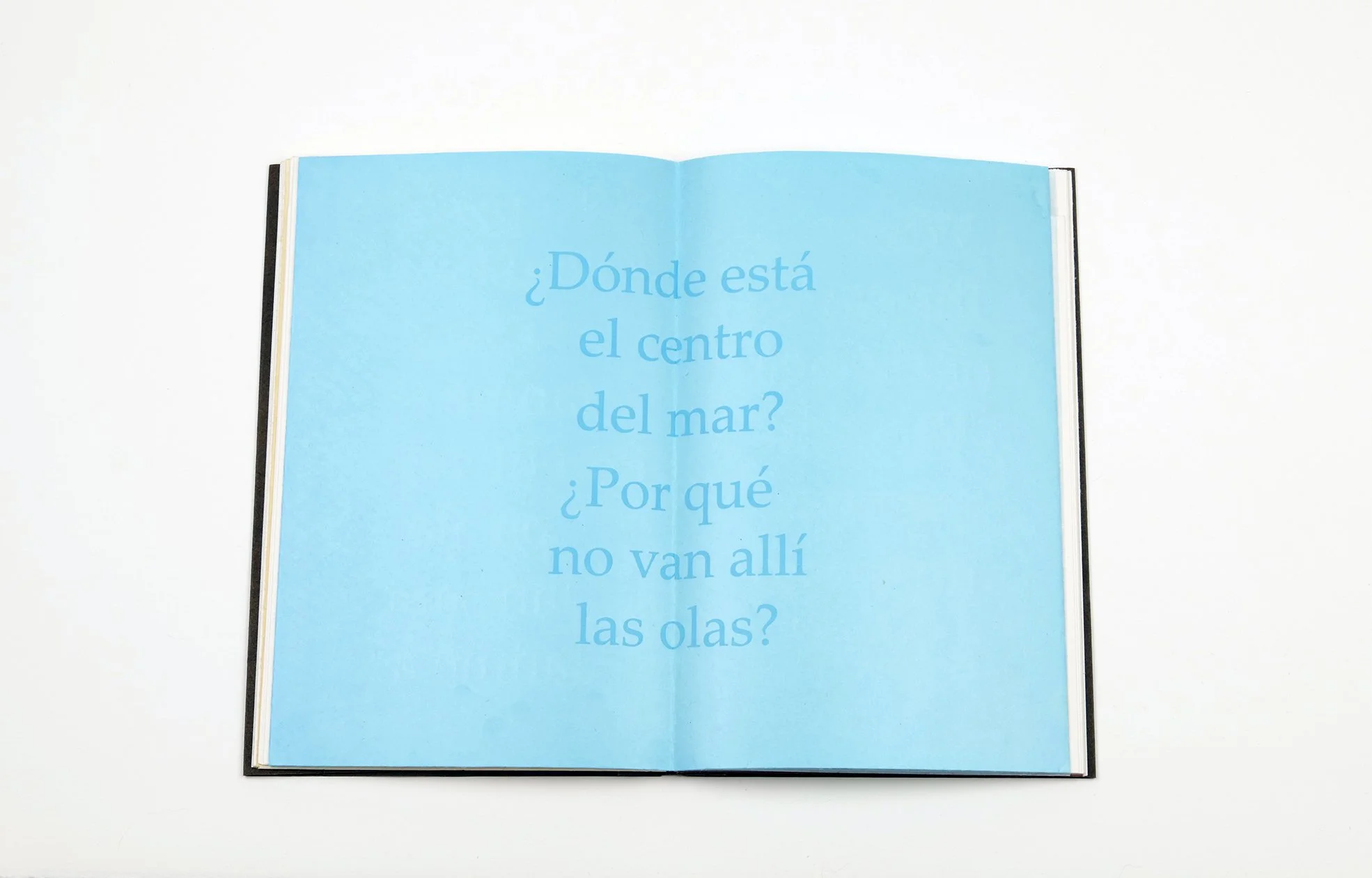
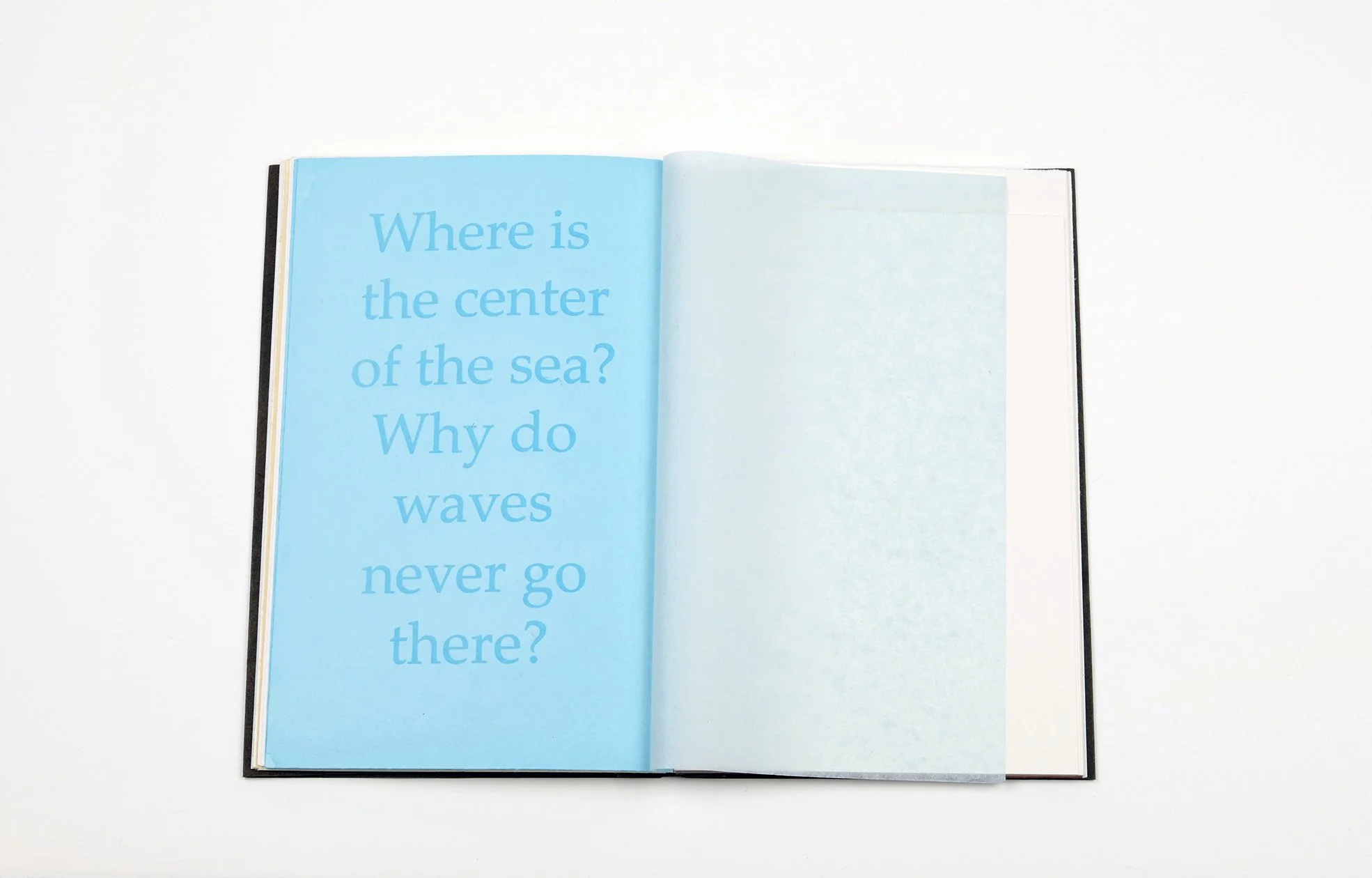
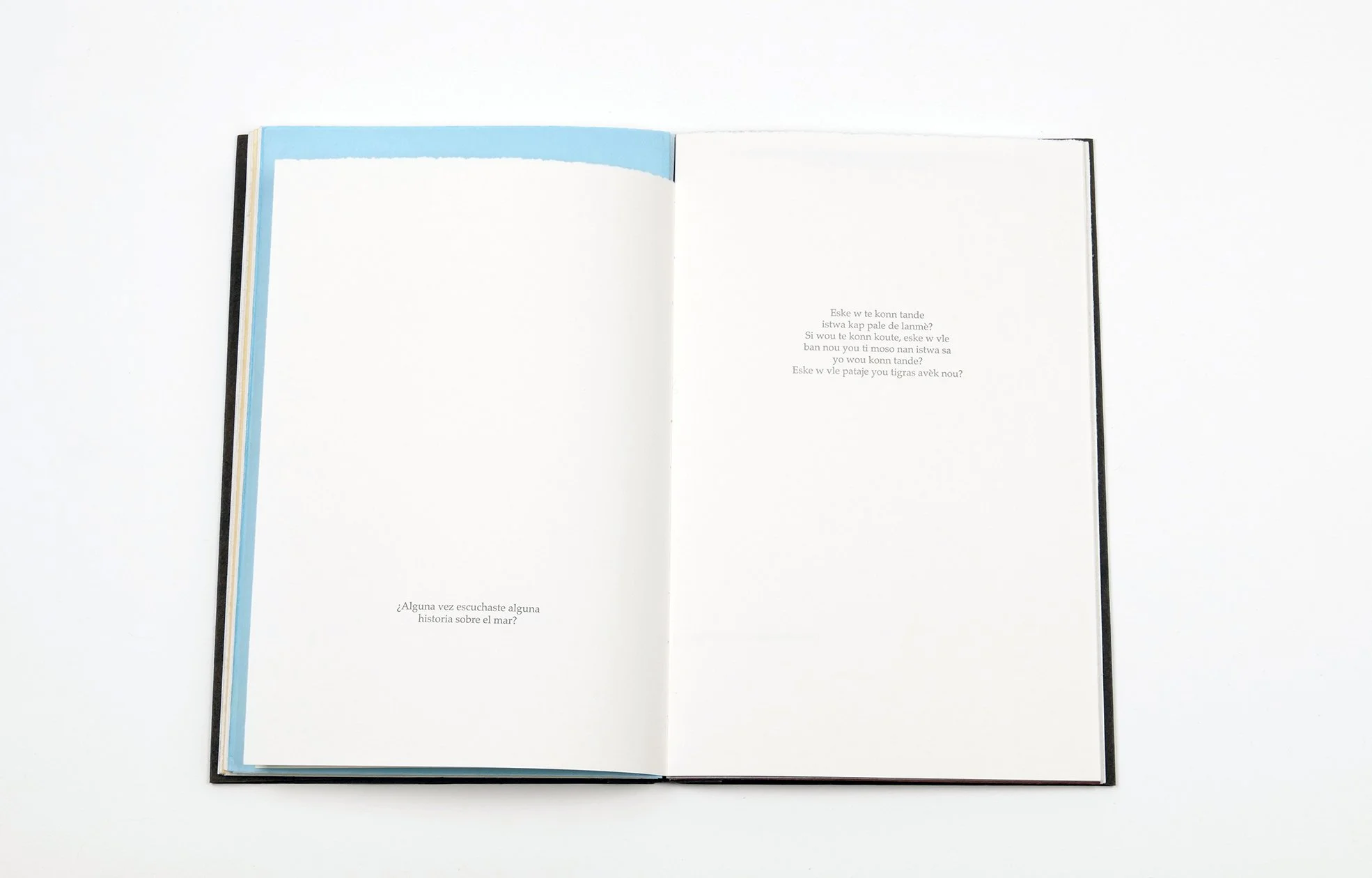
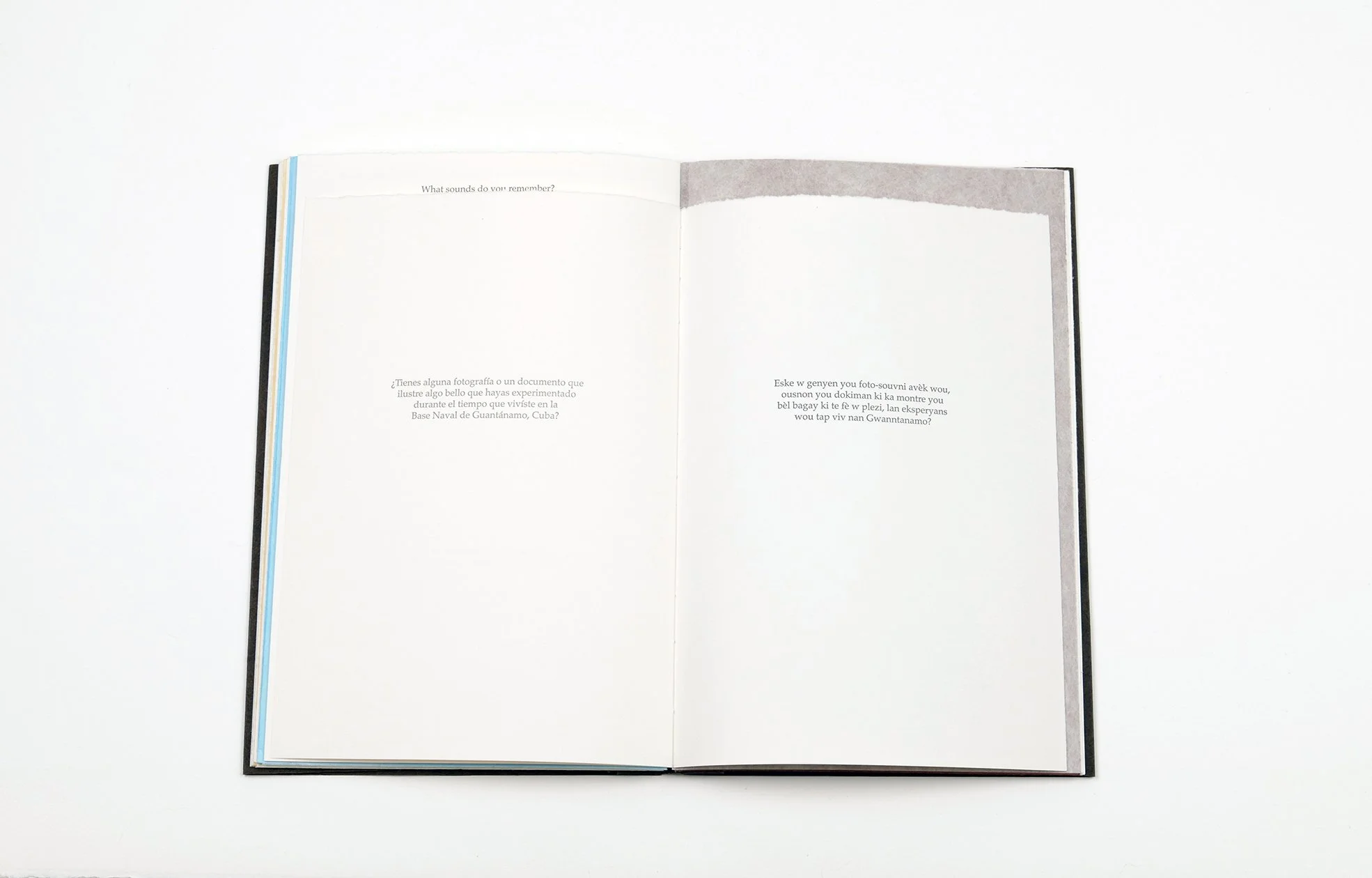
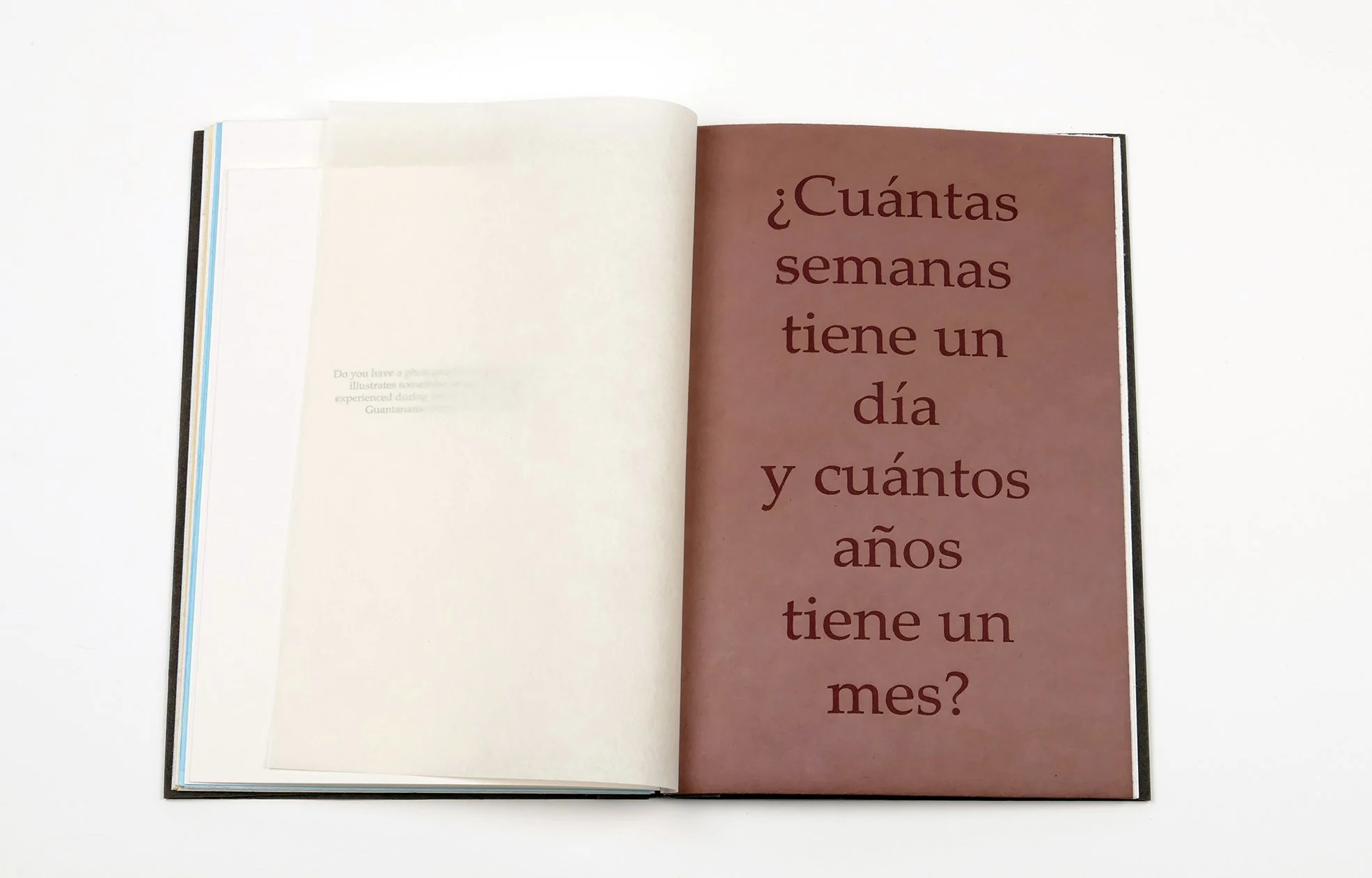
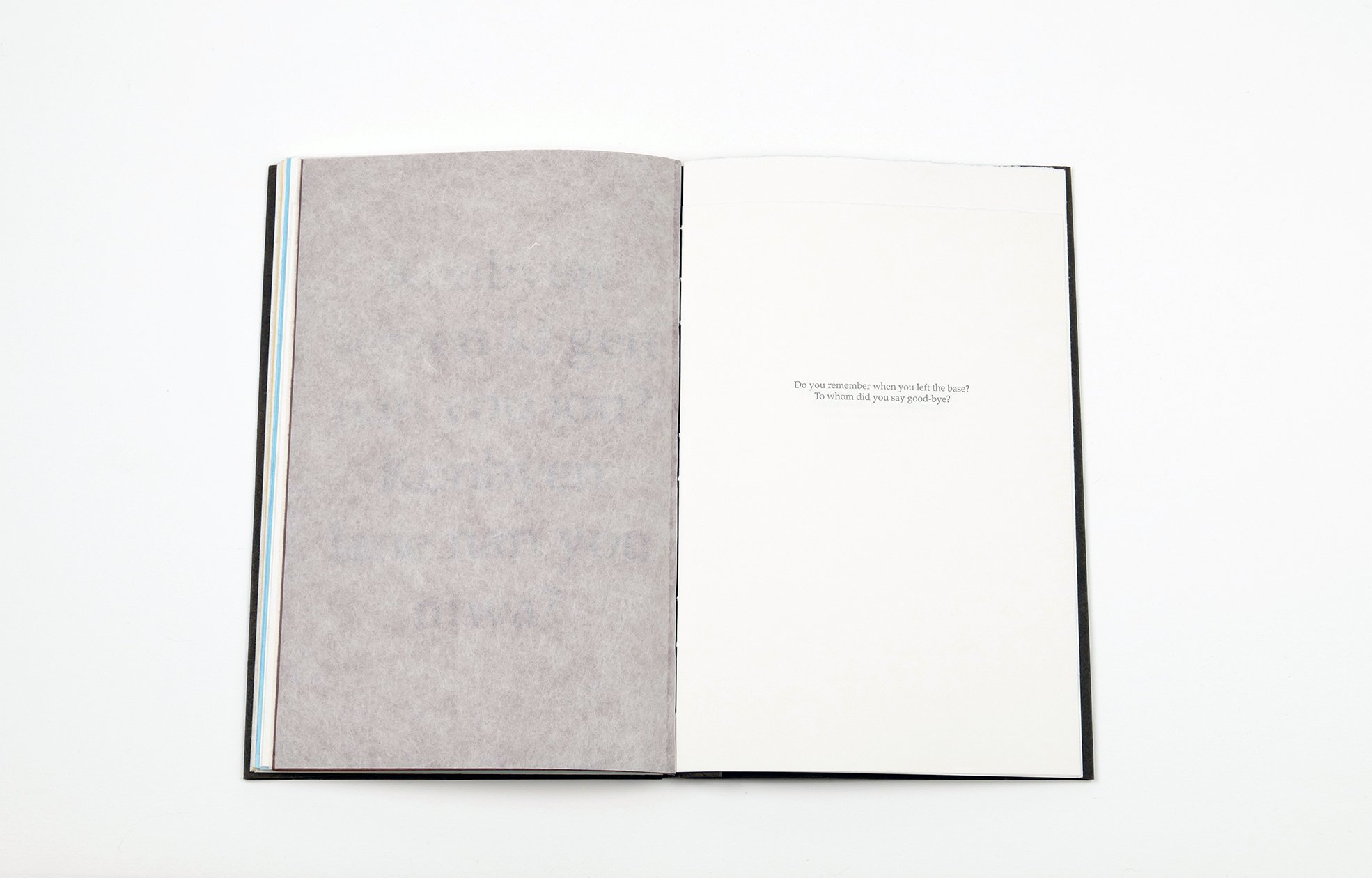
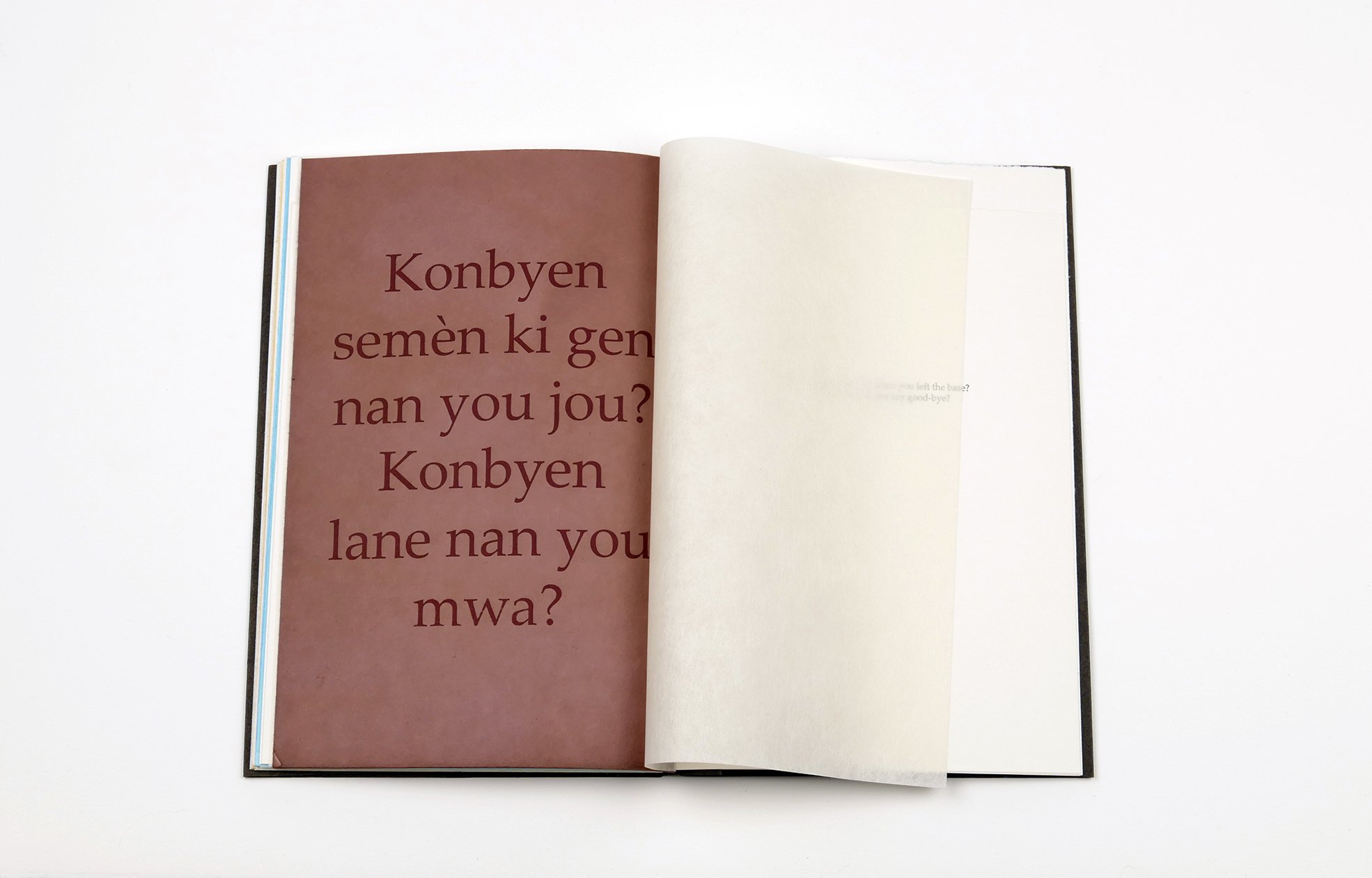
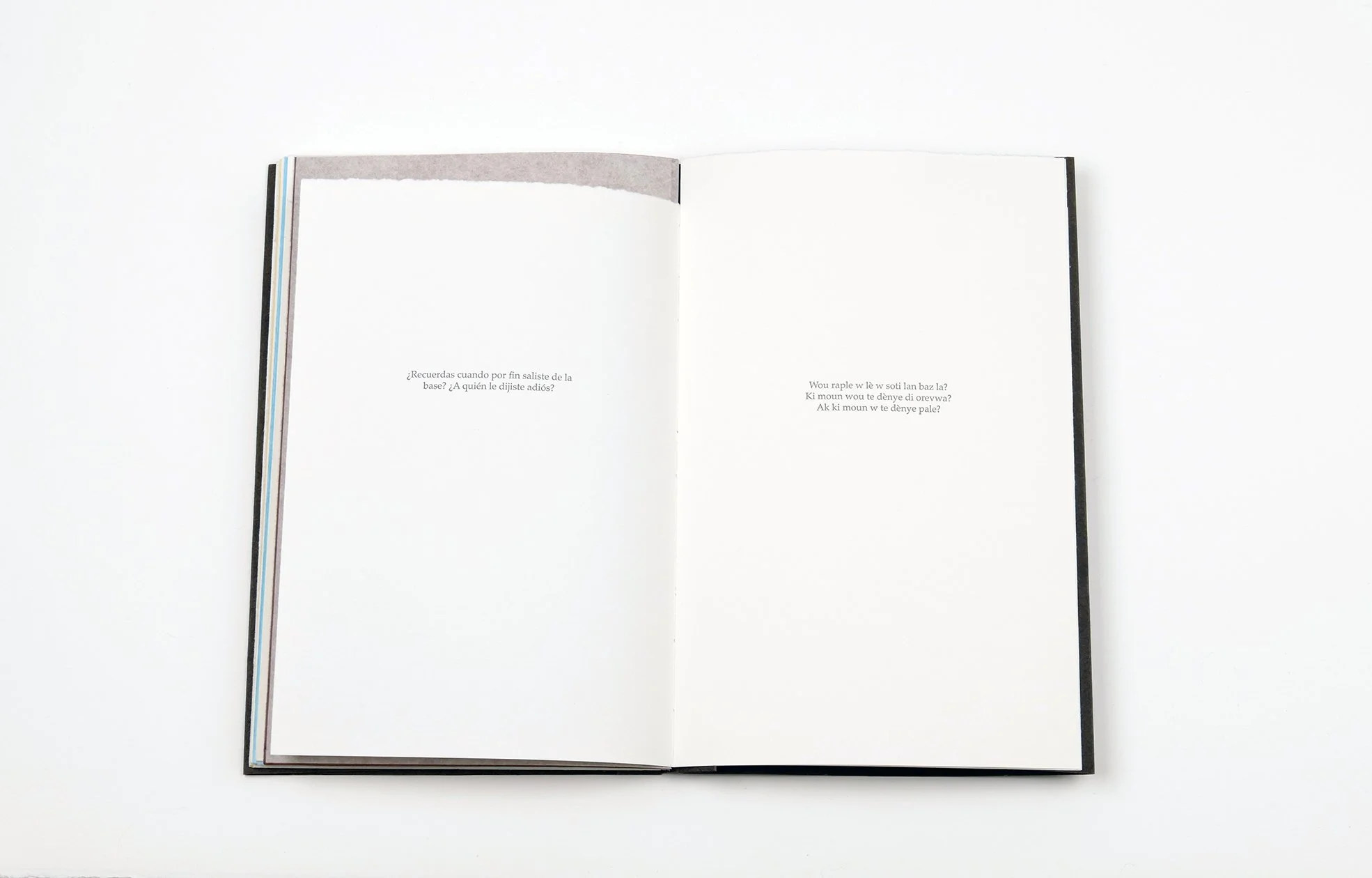
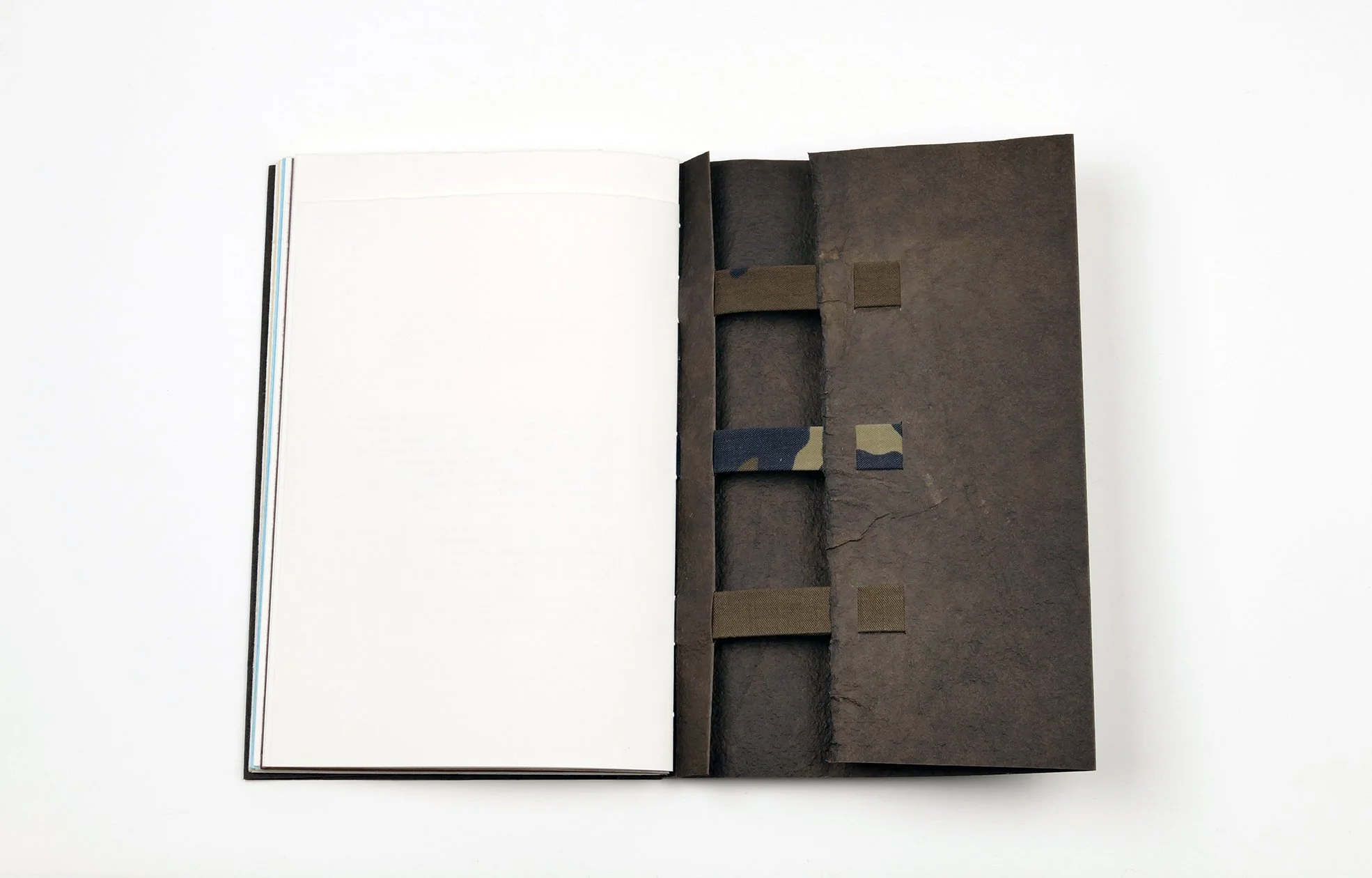
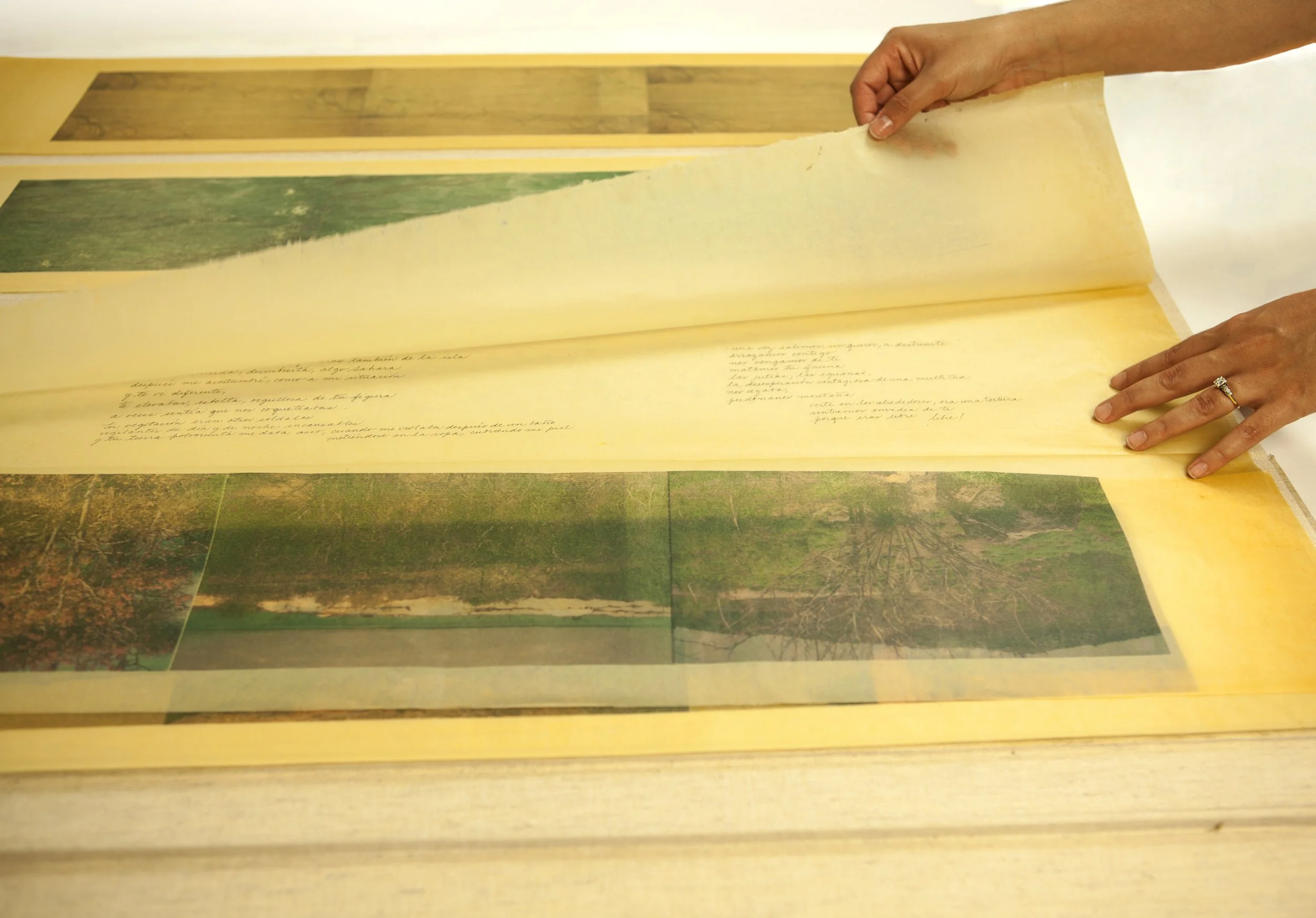
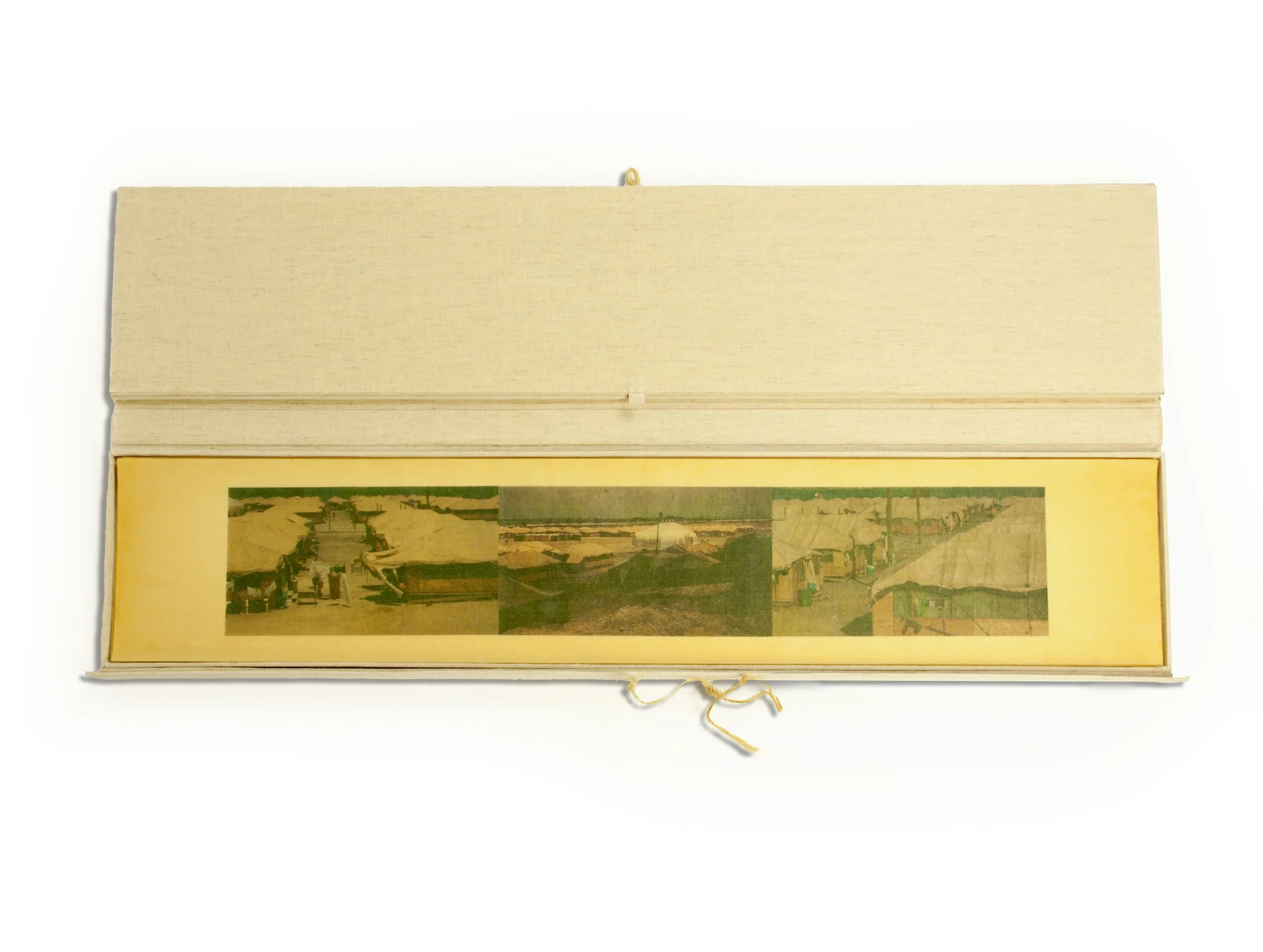
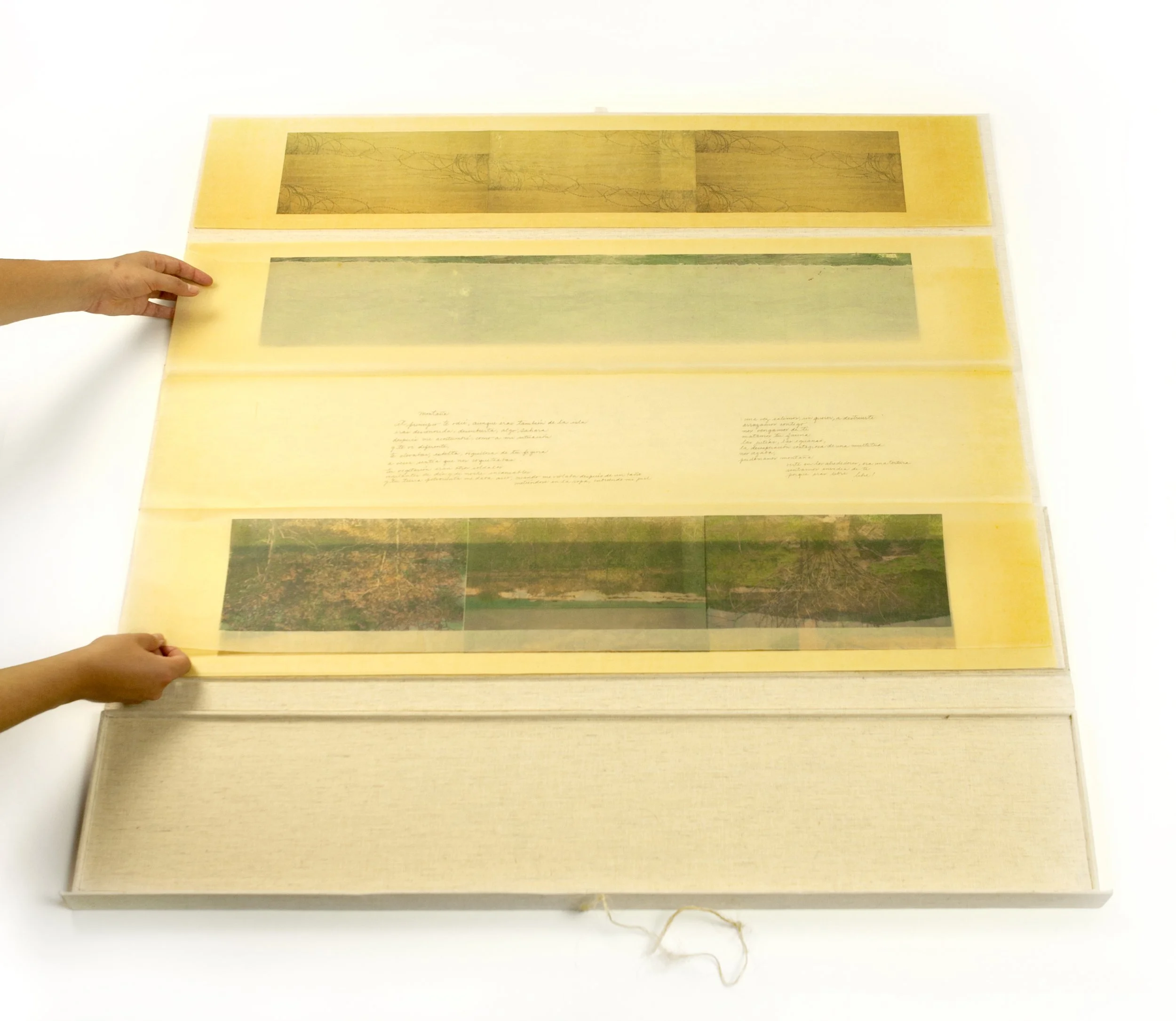
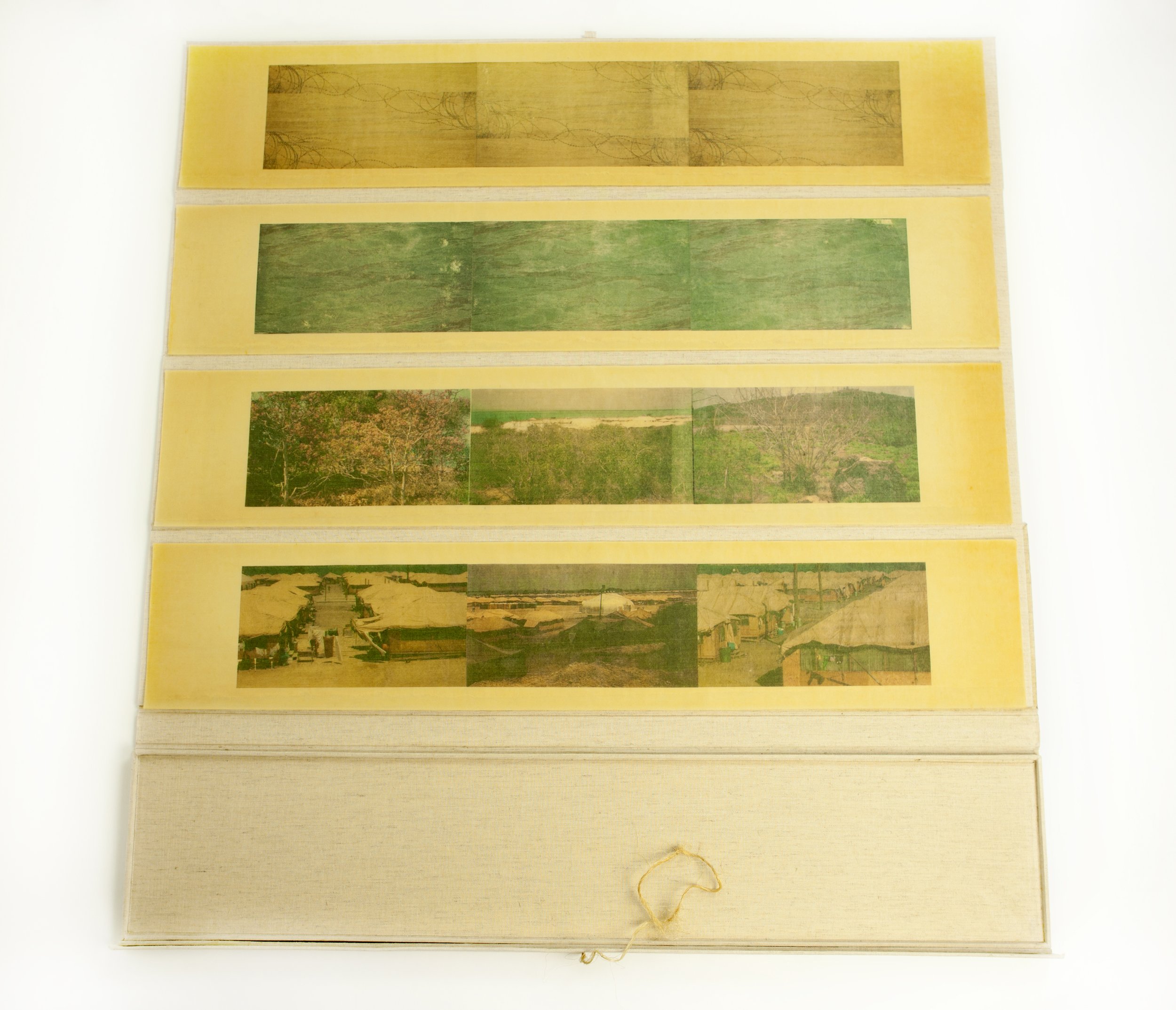
Libro de las Preguntas, Yon Ti Liv Kesyon, A Book of Questions
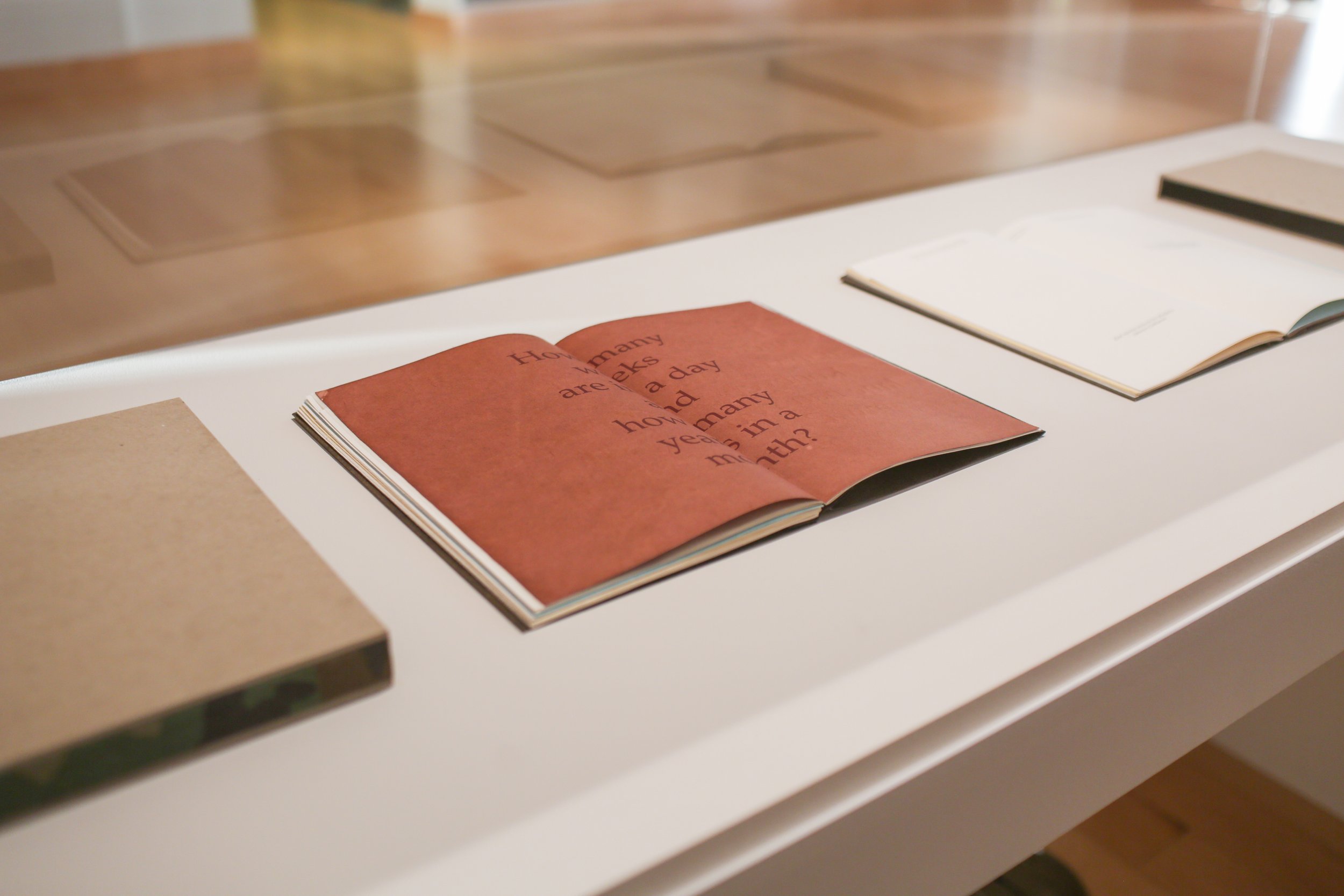
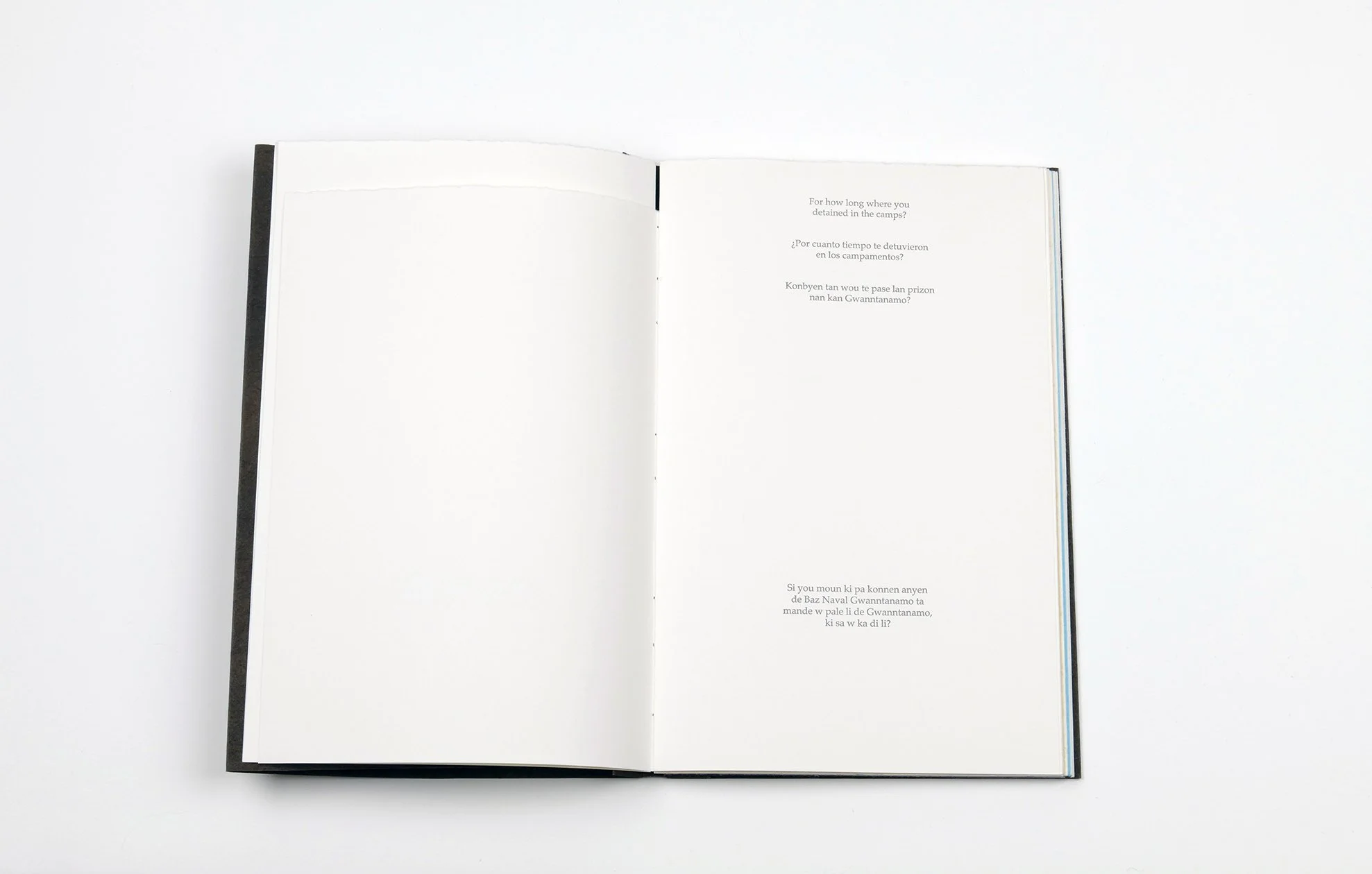
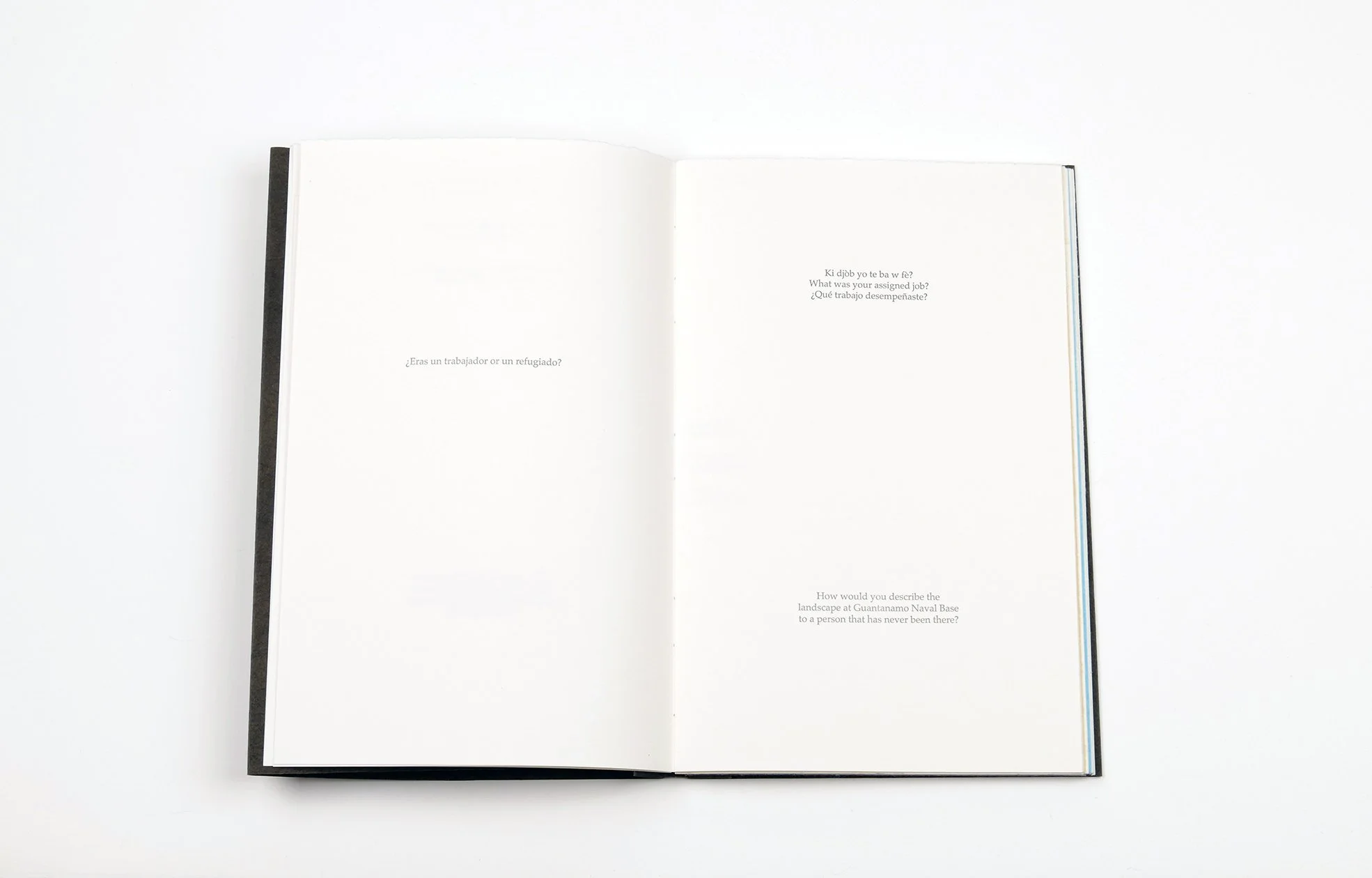
In the early 1990’s, Haitian and Cuban refugees were detained in Guantánamo Bay, Cuba under the supervision of the American military. A Book of Questions, is comprised of queries directed toward three groups of people (Haitian detainees, Cuban detainees and GTMO employees, including soldiers, physicians and social workers) whose paths intersected during a specific moment in GTMO’s history. It is a gesture of memory and reconciliation, to remember together. The questions were written in Spanish by Aurora De Armendi Sobrino and translated into Haitian Creole and English.
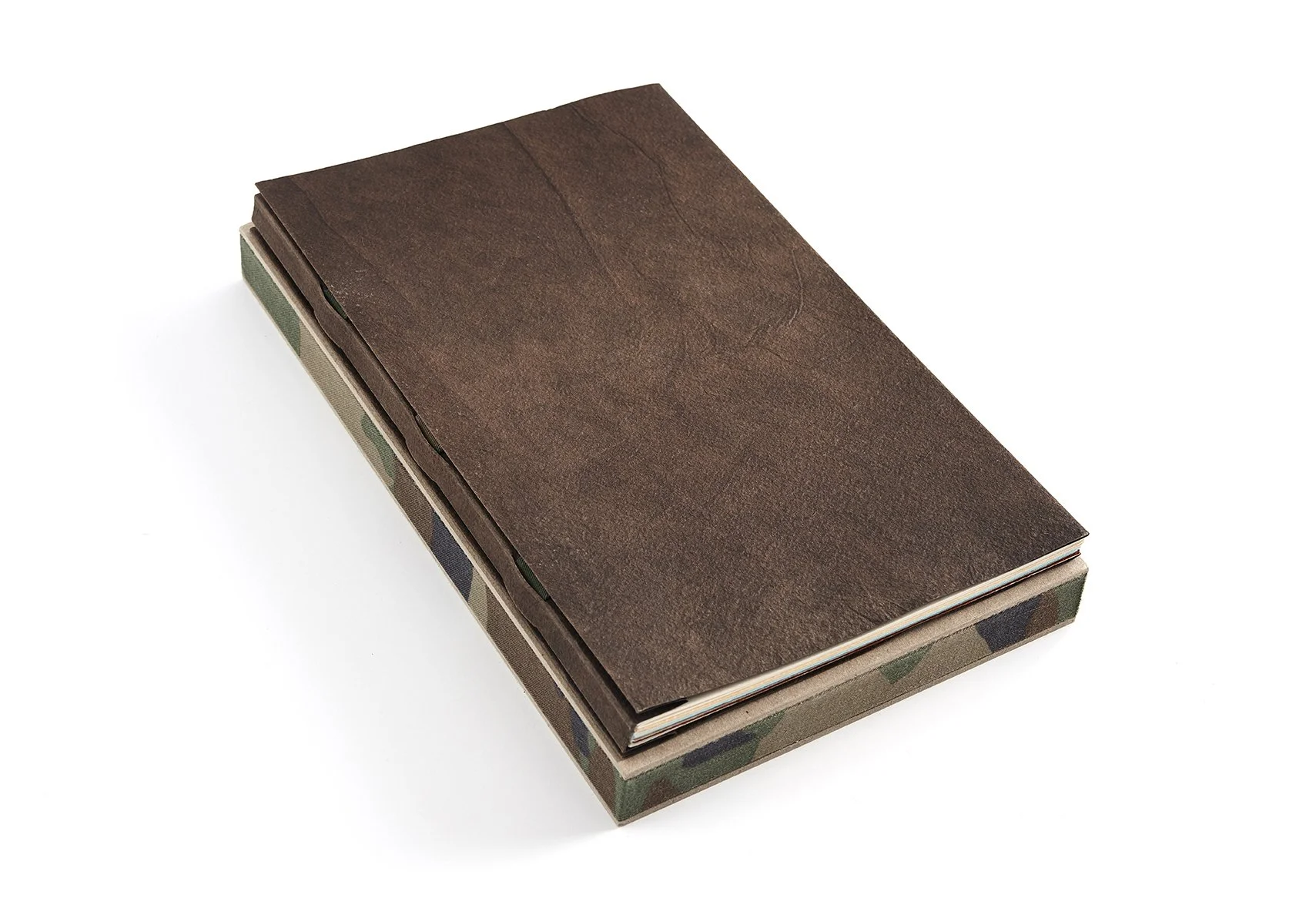
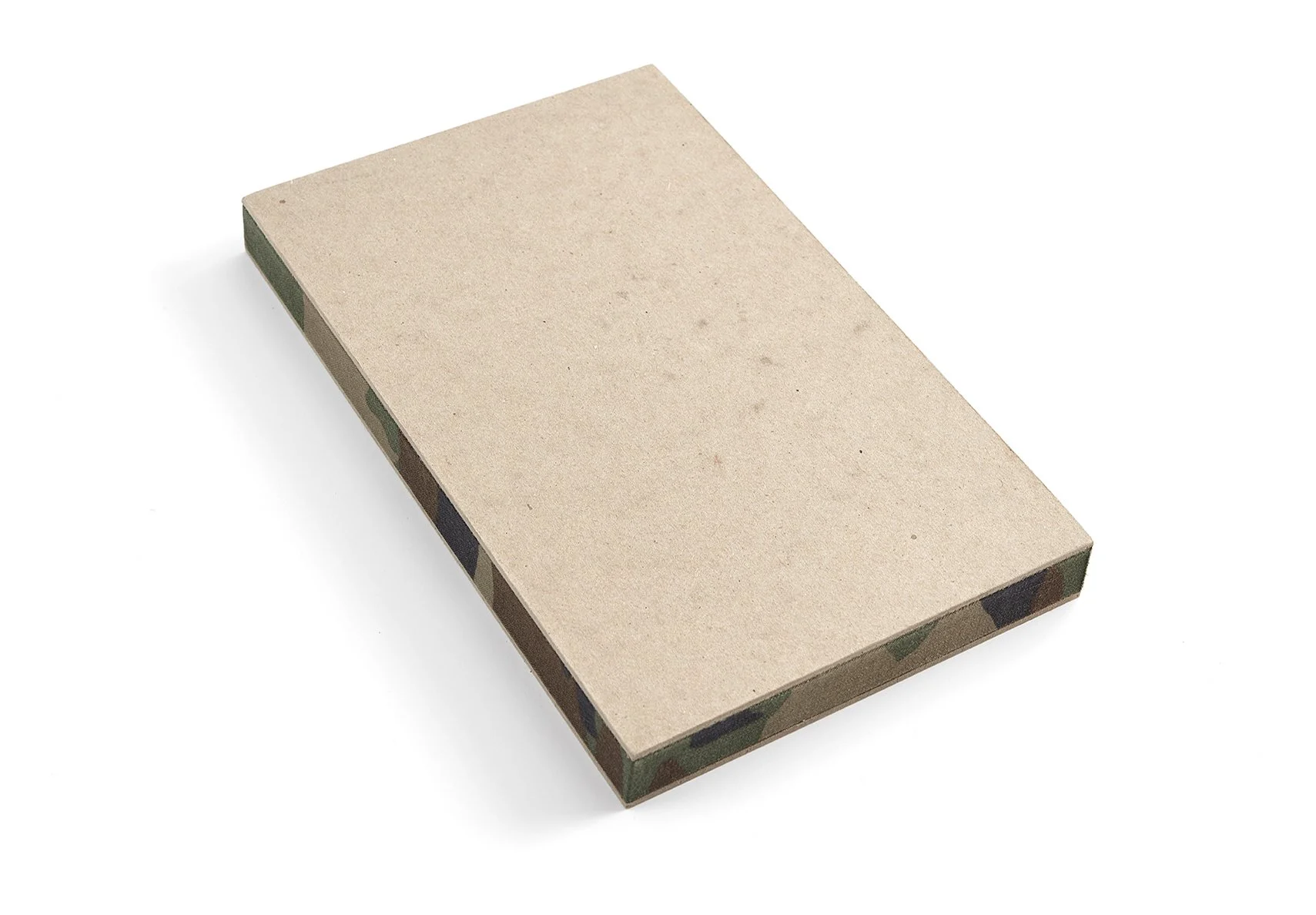
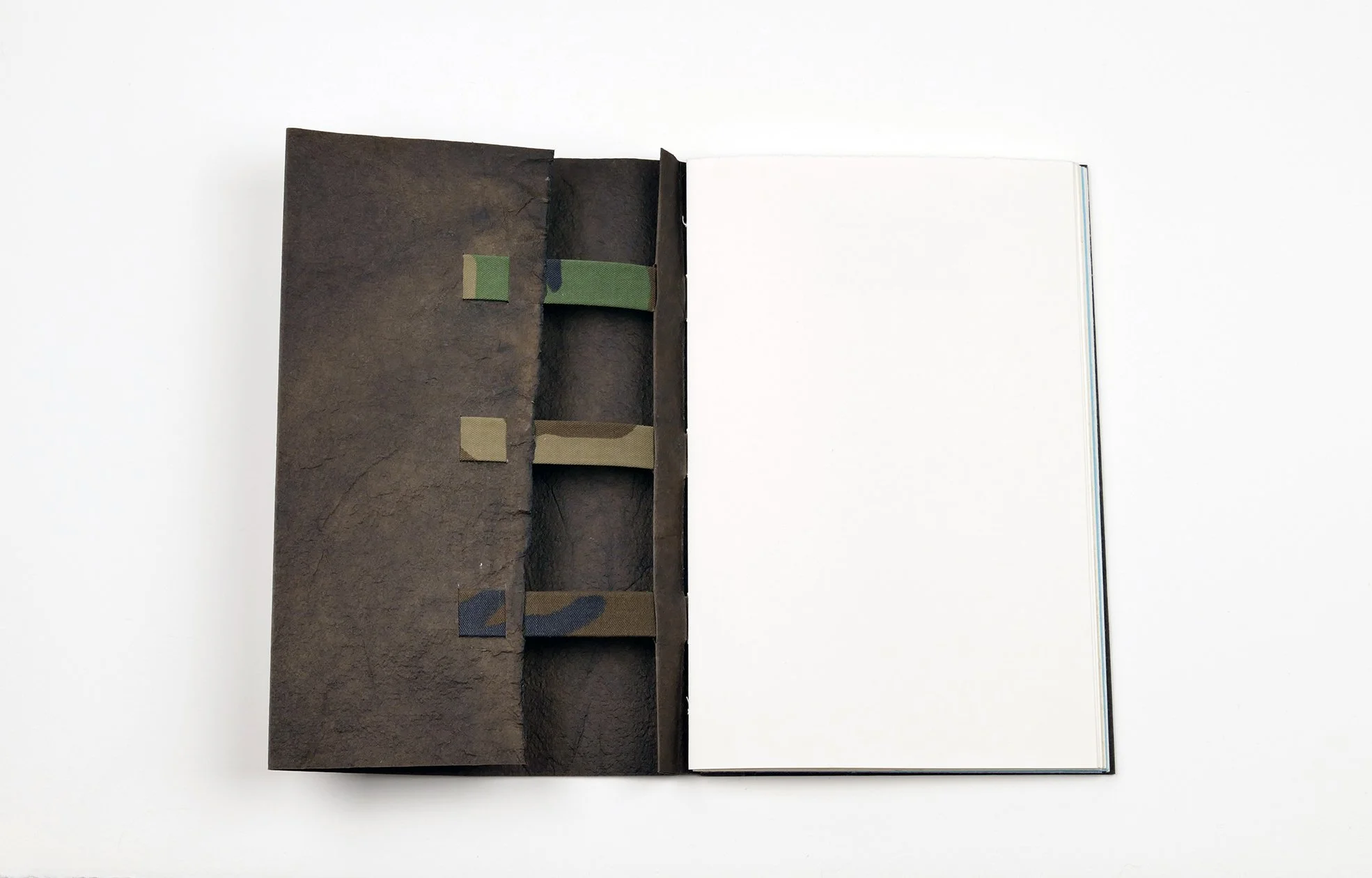
This hand-sewn artist’s book, inspired in part by Pablo Neruda’s El libro de las preguntas, was letterpress printed on Zerkall book paper from polymer plates made by Boxcar press. The yellow, blue, and rust colored texts silk screened onto dyed paper were appropriated from poems XI, XXI, and XXIII in Neruda’s book. Cave Handmade paper was used for the cover. The book was sewn on tapes. Tapes were constructed using military uniform from the 1990’s. The book comes with a hand-made slipcase.
Dimensions: 7 1/4 x 11 7/16 x 1 inches
Edition: 10
Year: 2014 – 2015
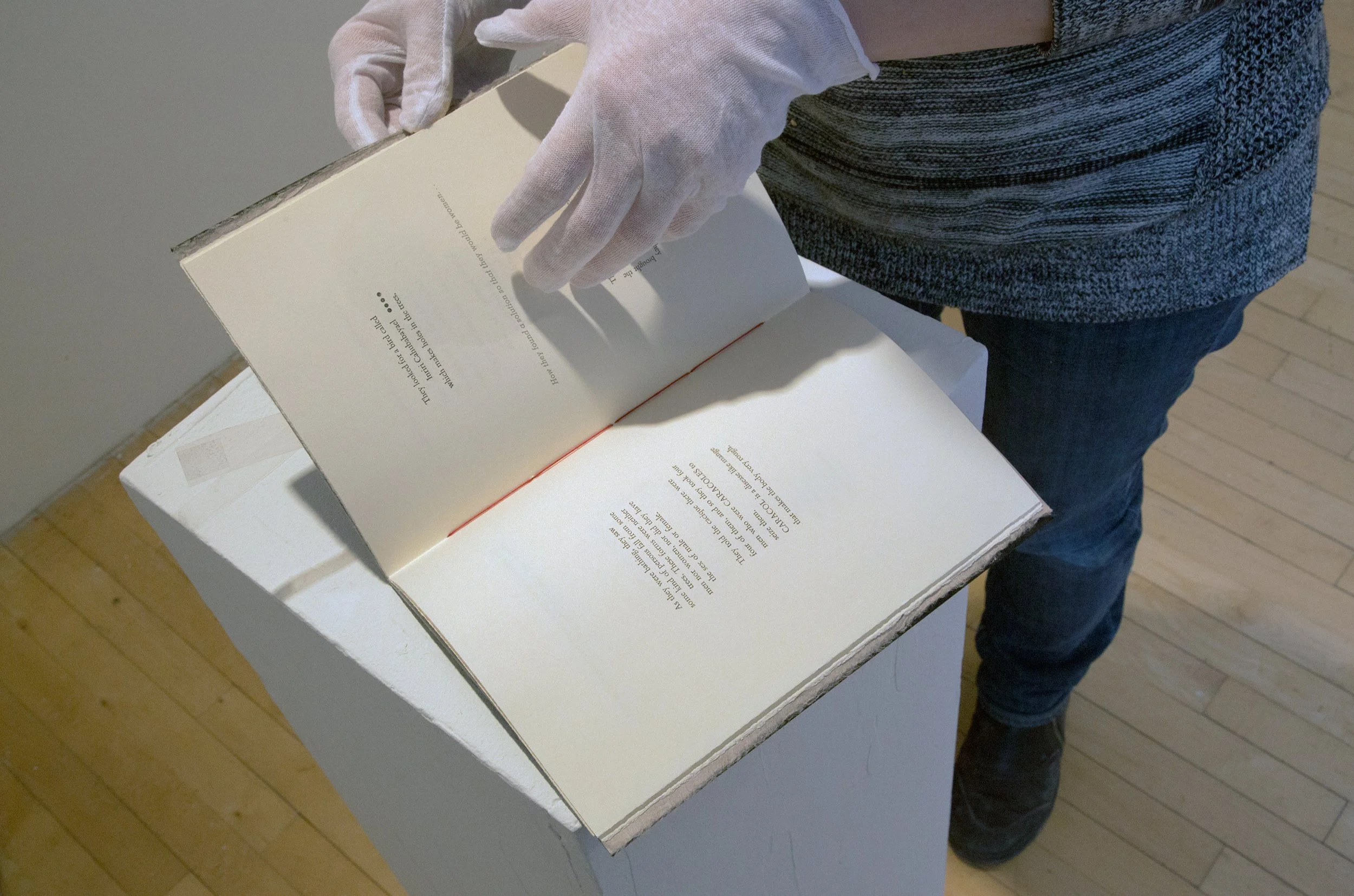
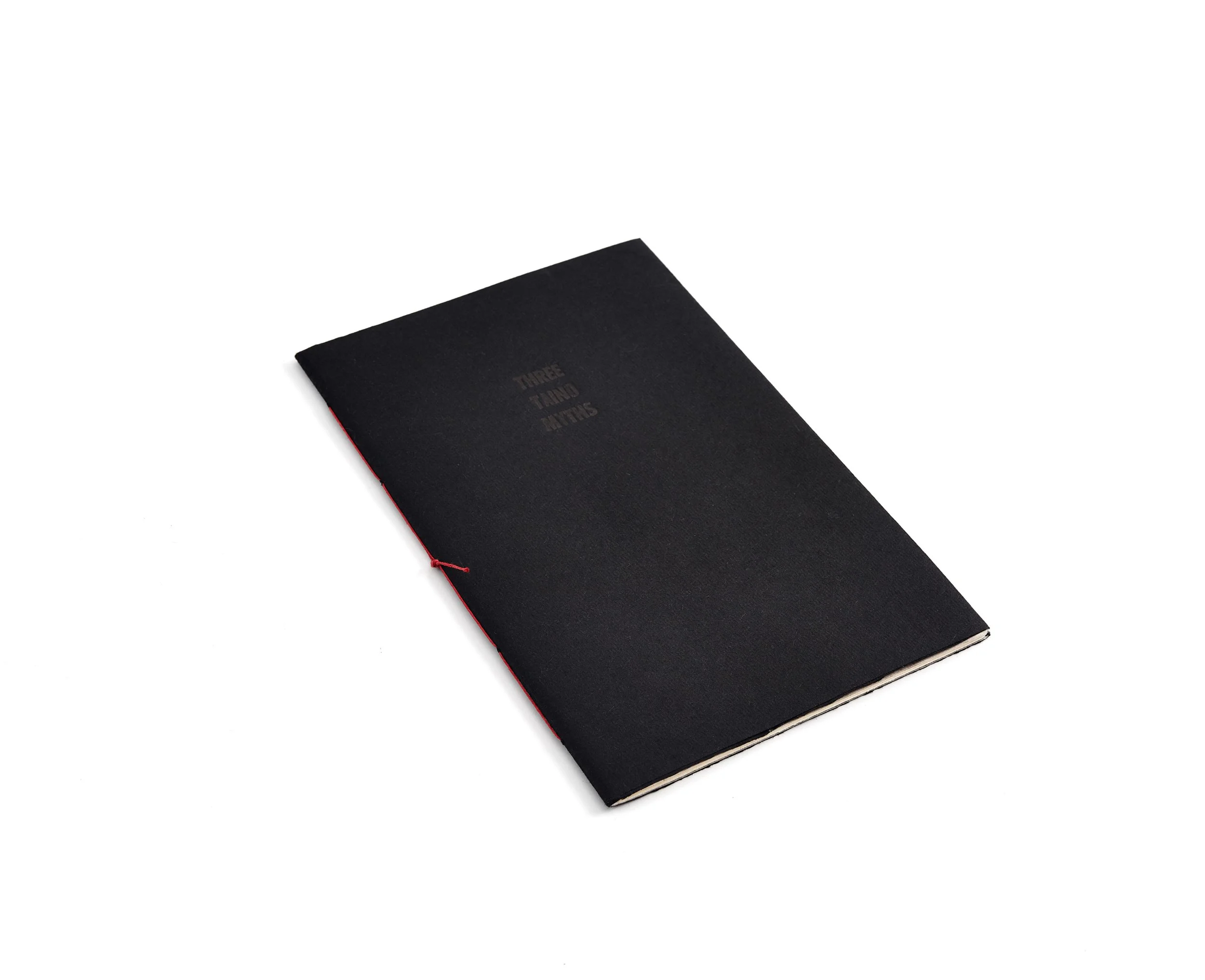
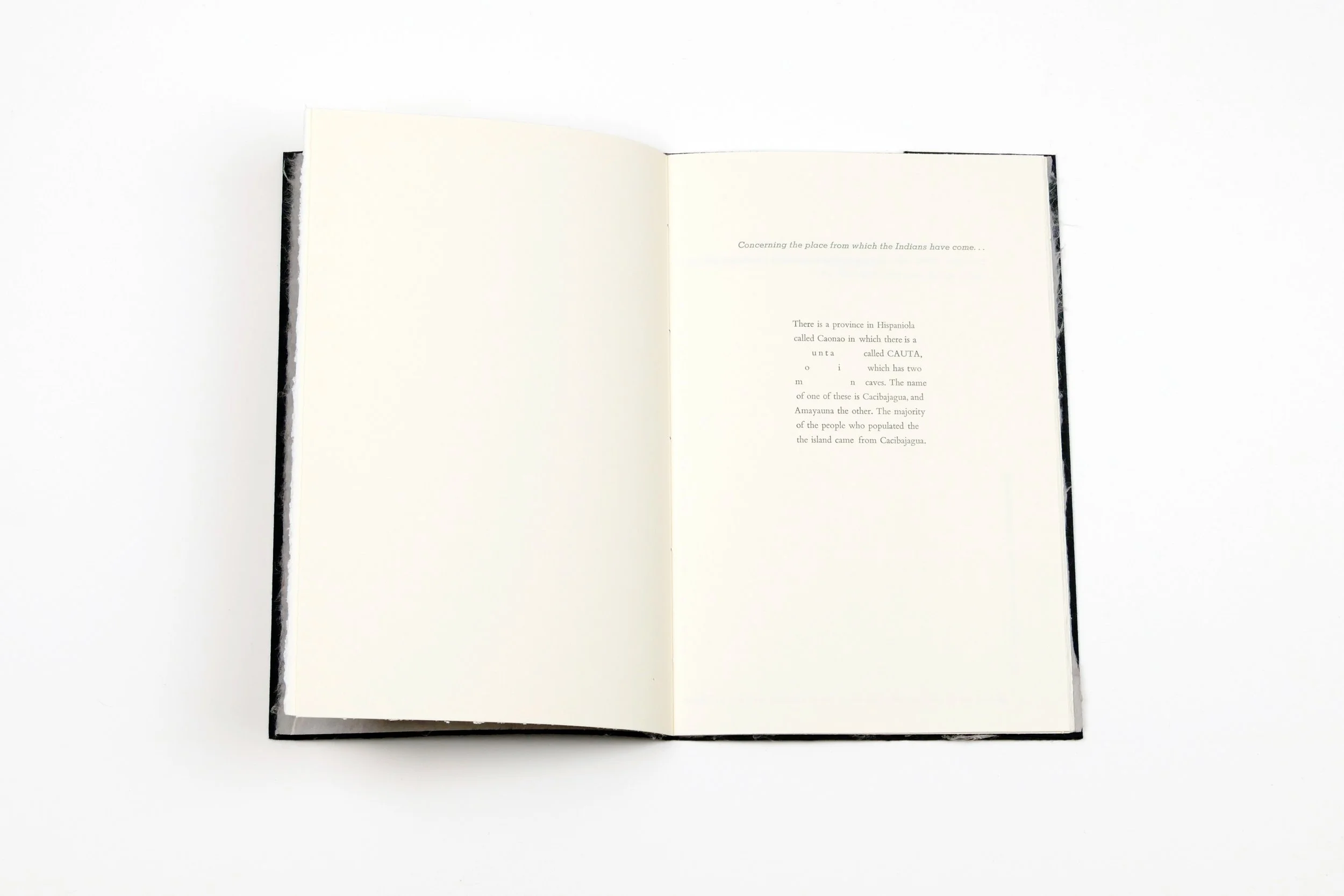
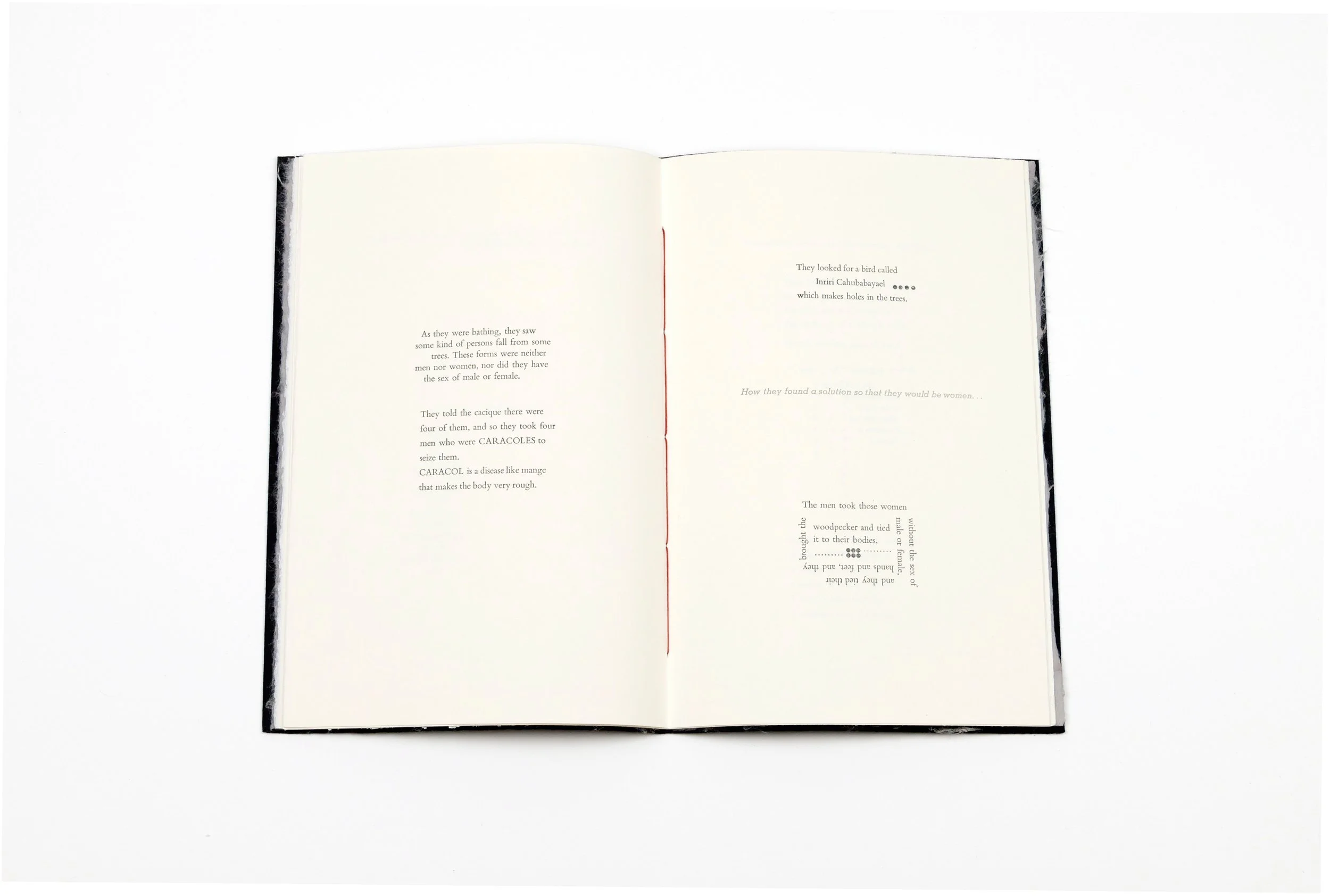
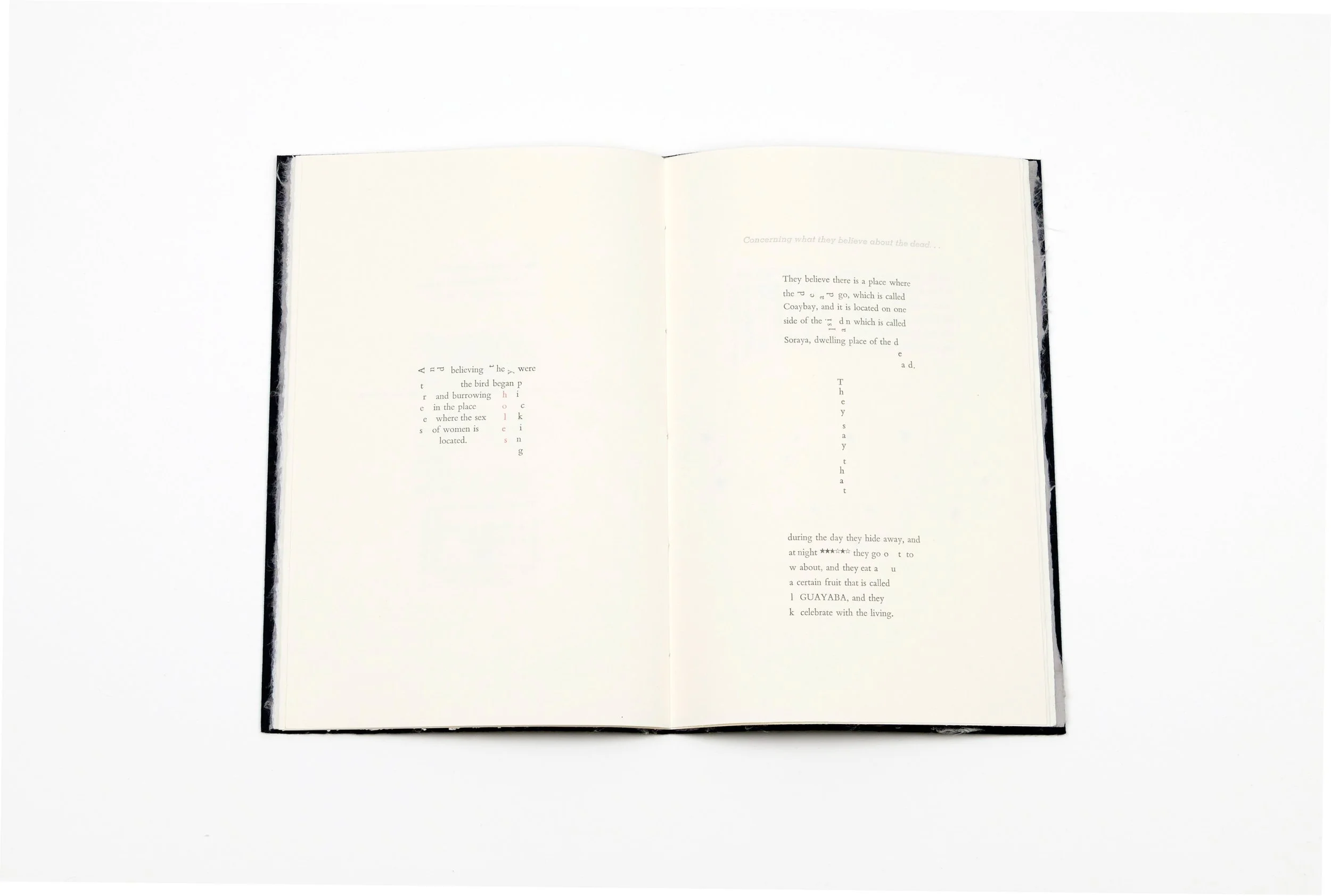
Three Taíno Myths
The text for this pamphlet was excerpted from a selection of stories and myths gathered in Fray Ramón Pané’s An Account of the Antiquities of the Indians. Edited by Juan José Arrom and translated by Susan C. Griswold. Durham and London: Duke University Press, 1999.
Hand-sewn five-hole pamphlet, letterpress printed on Somerset book soft white using 12-point Bembo, 10-point Stymie Med. Italic and 30 & 36-point Spartan Black hand set type.
6 3/4 x 10 1/8 x 1/8 inches
Edition of 15, 20 pages
2013
***
Tres Mitos Taínos
El texto utilizado en este cuadernillo fue seleccionado de las historias y mitos encontrados en la Relación acerca de las antigüedades de los indios, del fraile jerónimo Ramón Pané, editado por Juan José Arrom y traducido por Susan C. Griswold. Durham and London: Duke University Press, 1999.
Cuadernillo de cinco hoyos con tipografía impresa en el papel Somerset usando los siguientes tipos: Bembo de 12 puntos, Stymie Med. Italic de 10 puntos y Spartan Black de 30 y 36 puntos.
17 x 25.5 x 0.32 cm
Edición limitada de 15 ejemplares, 20 páginas
2013
Grupo < >
Experimental Gallery, Cornell University, Ithaca, NY
2016
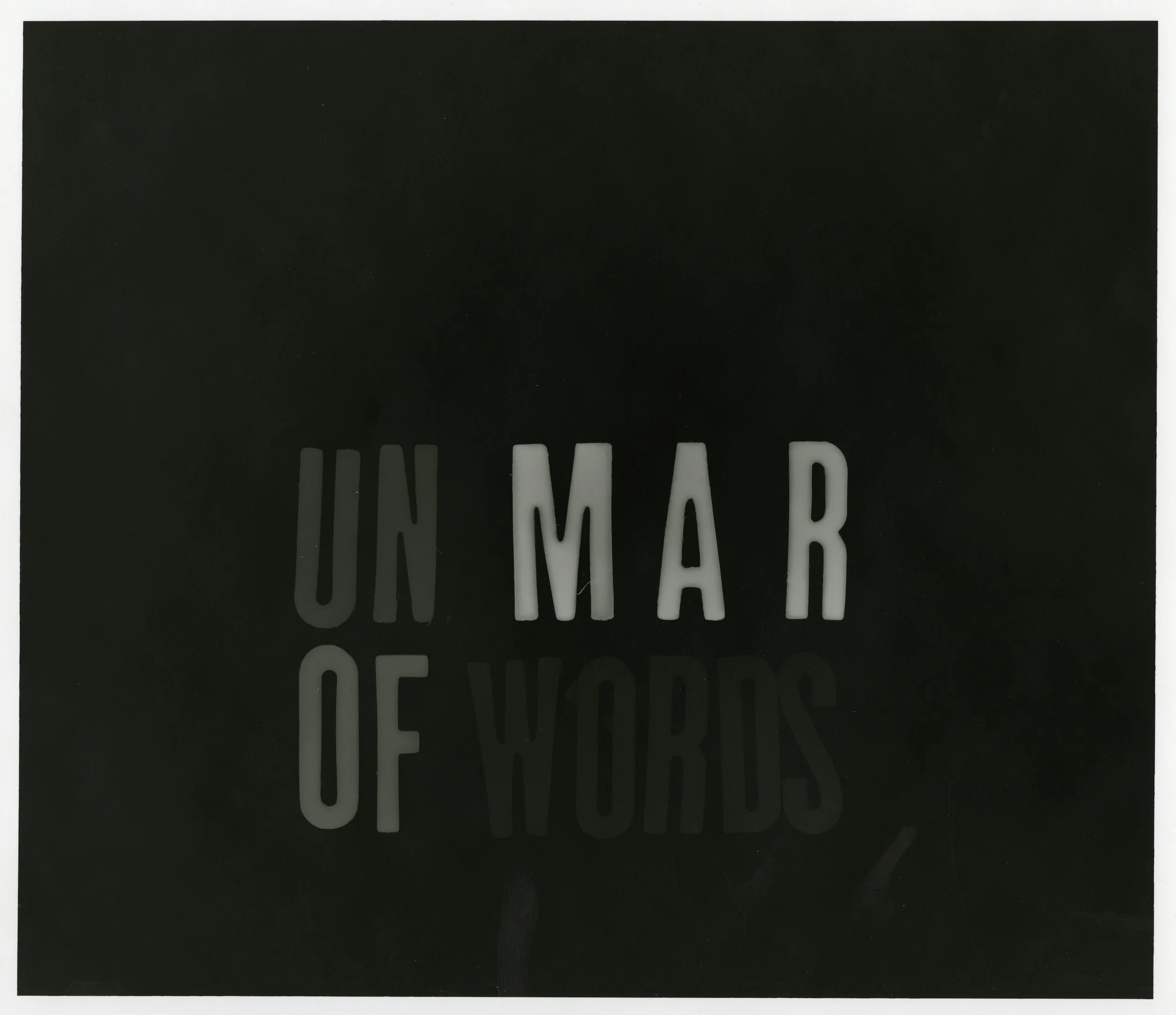
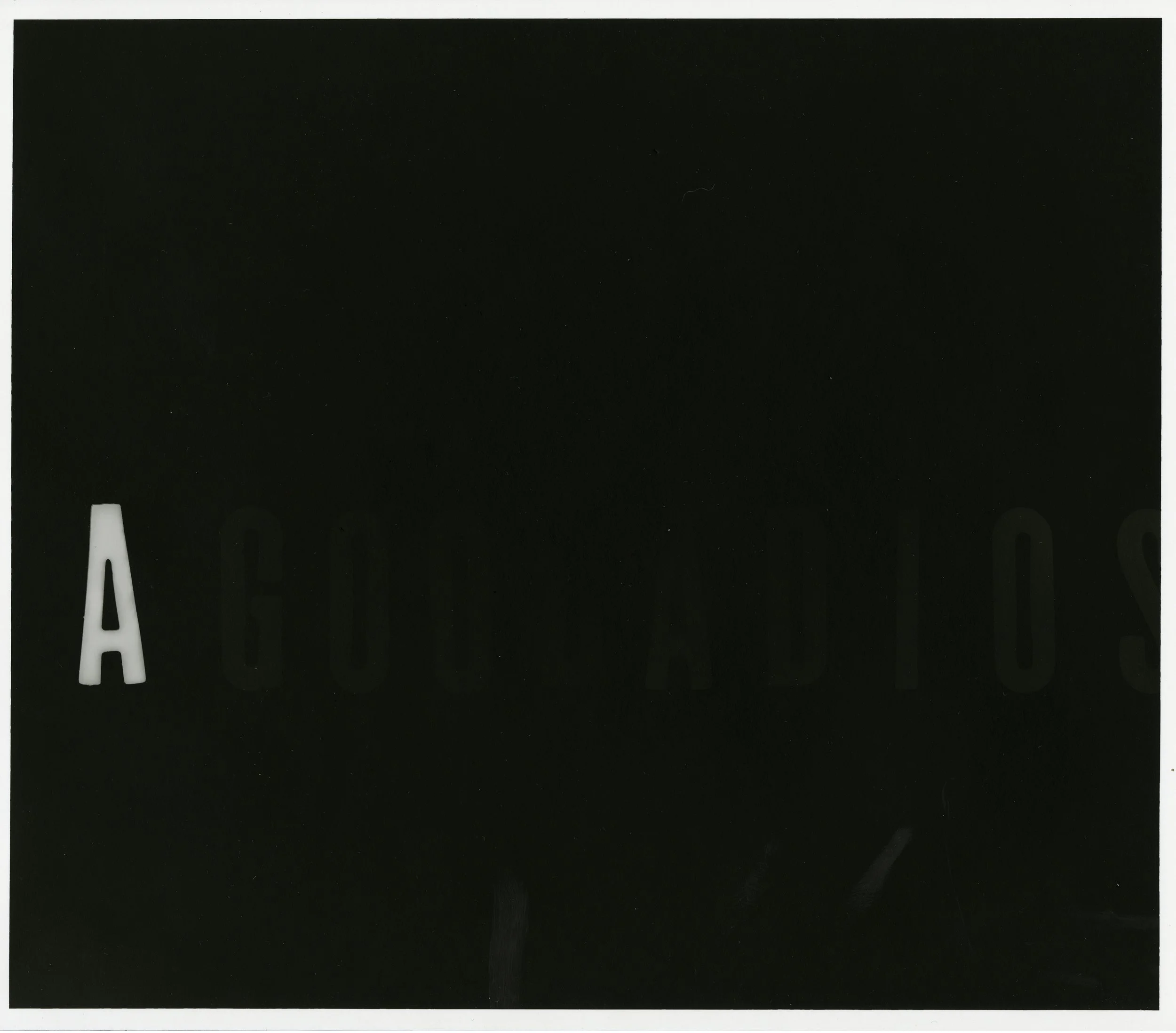
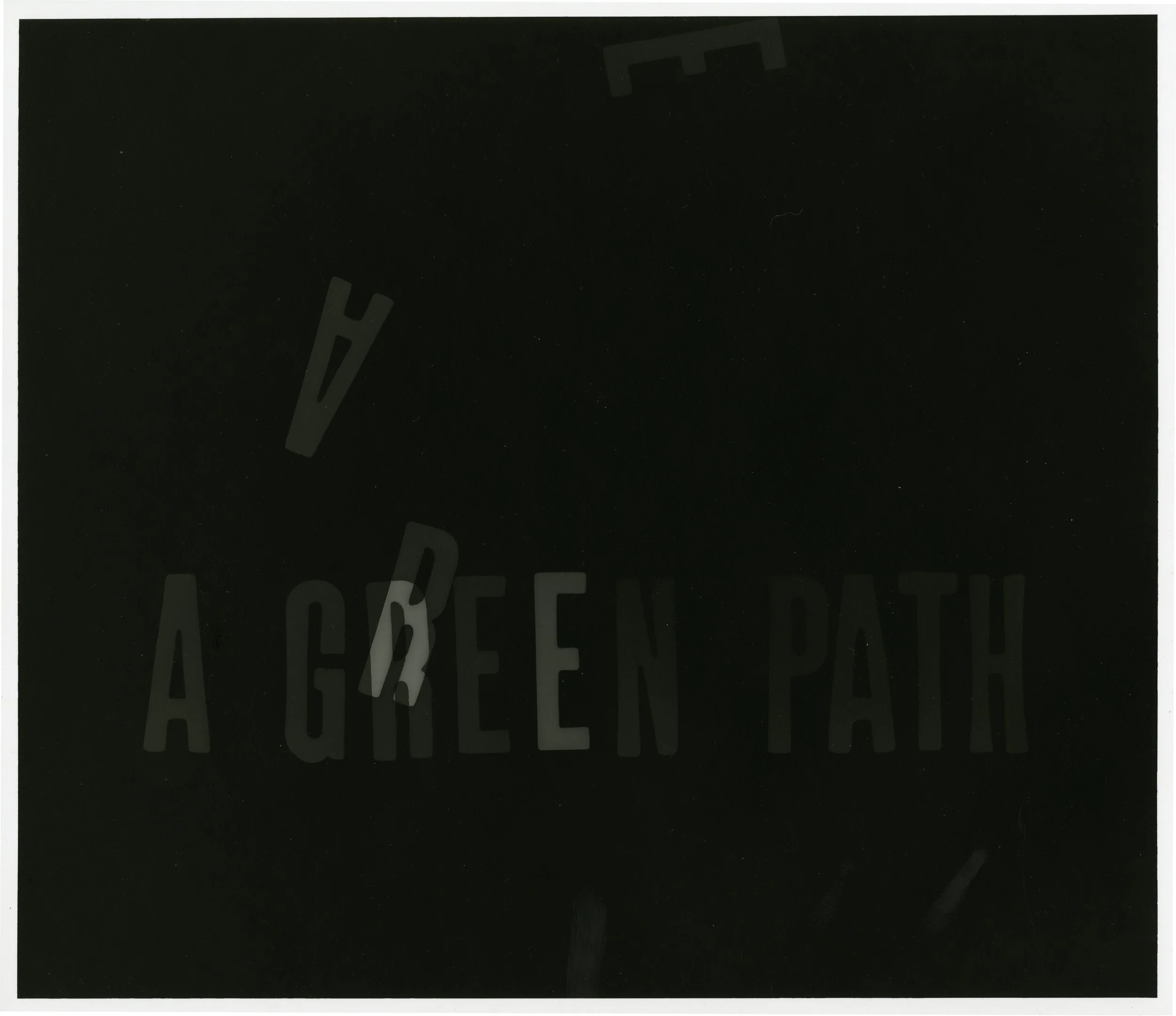
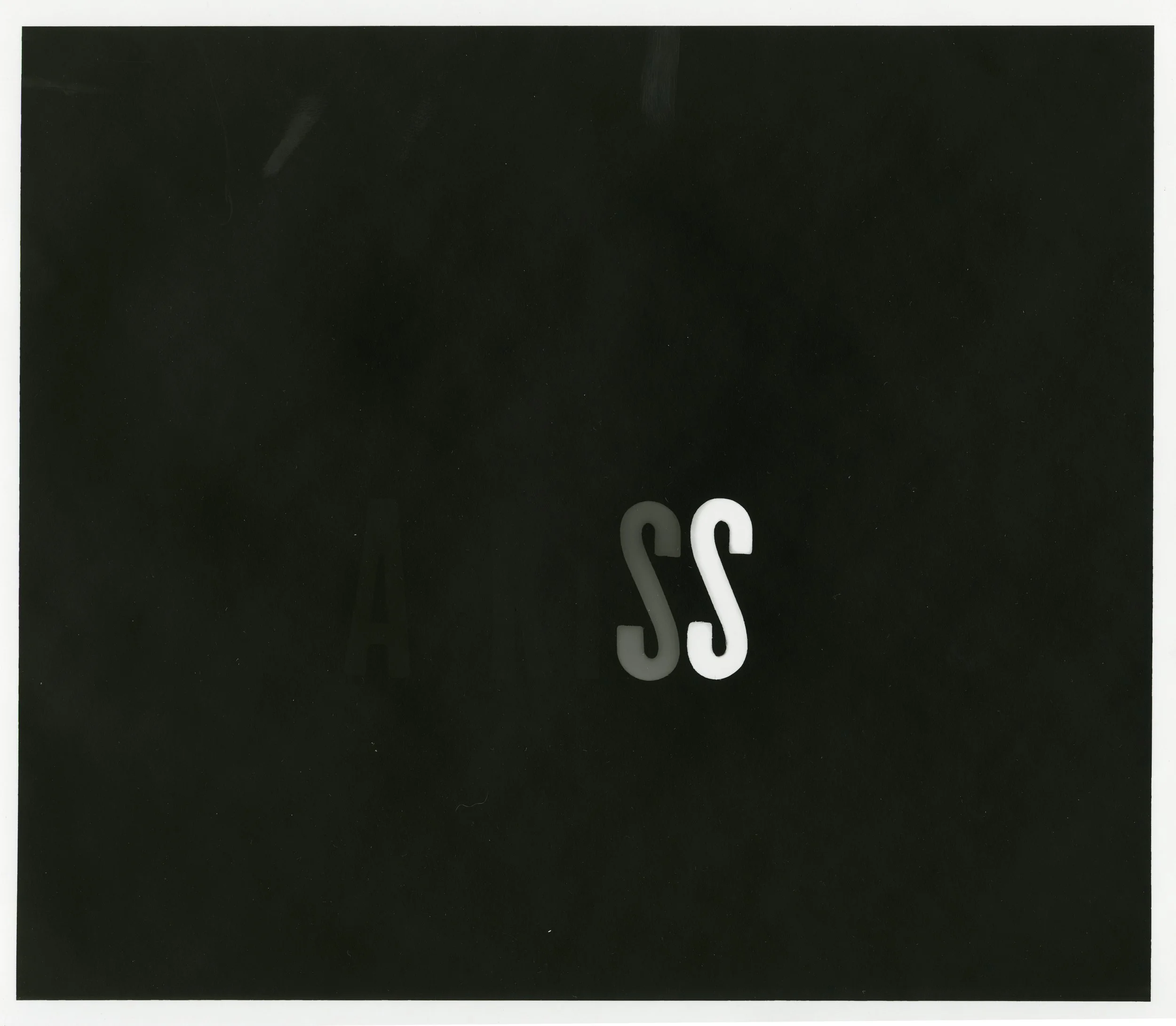
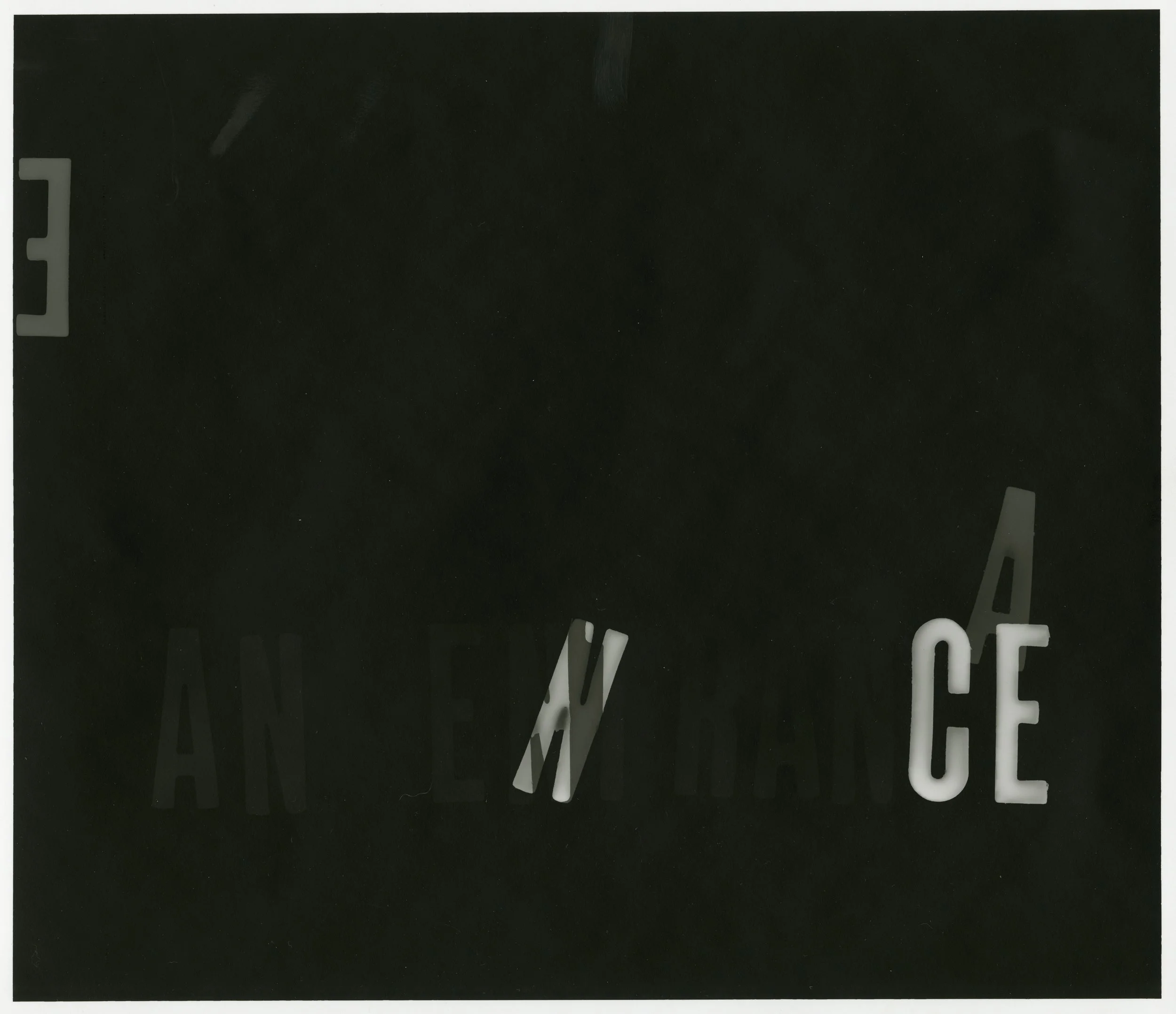
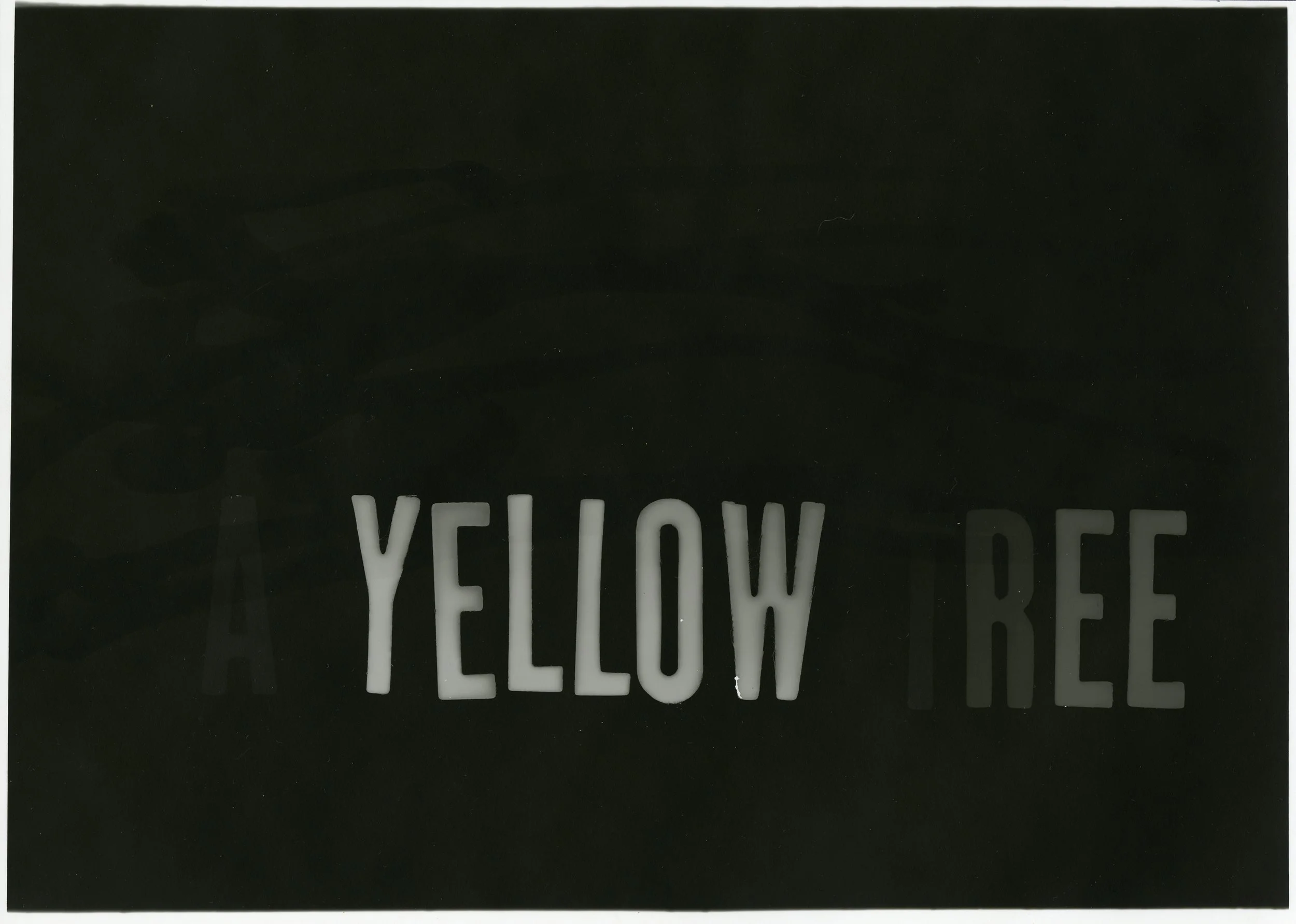
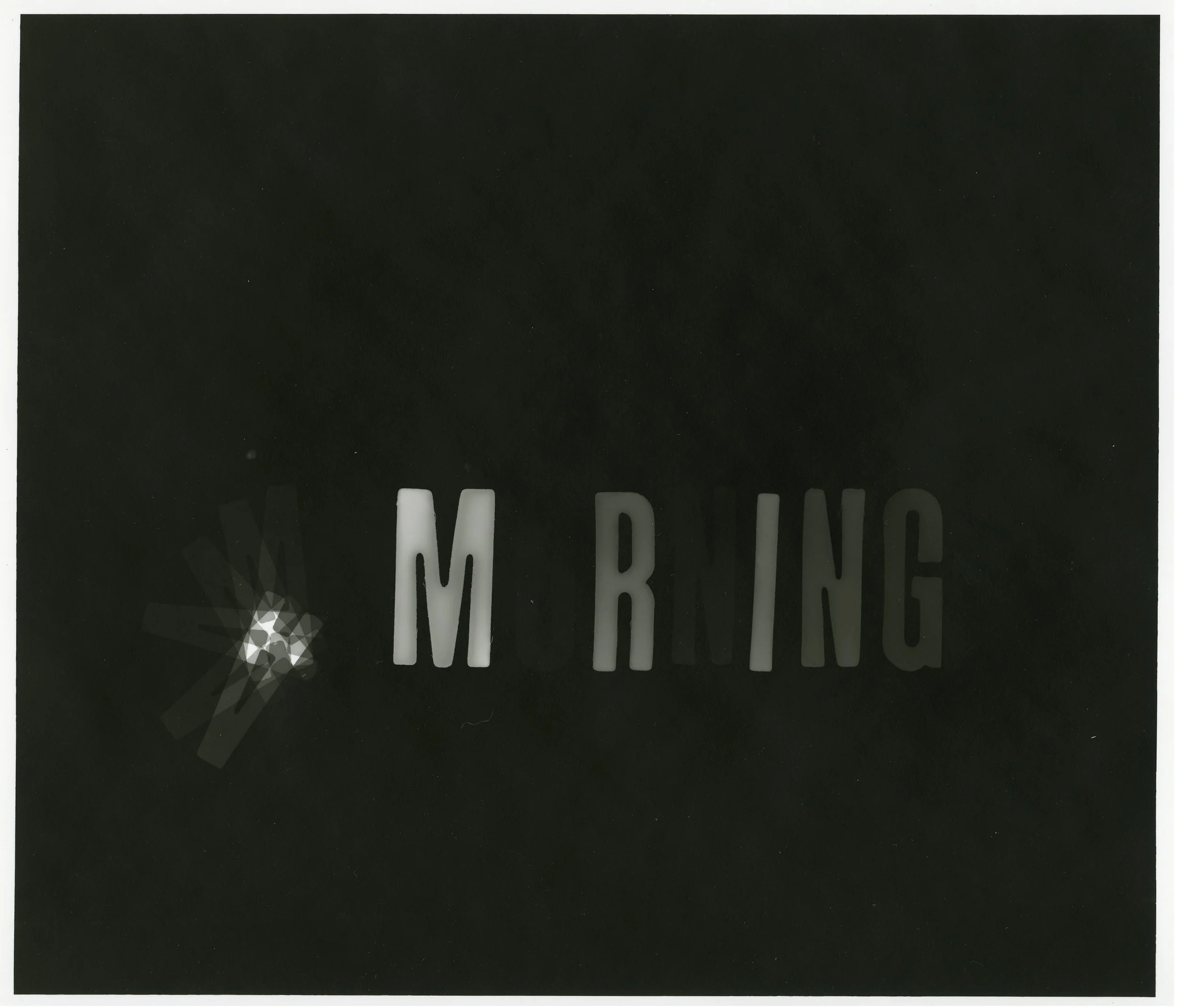
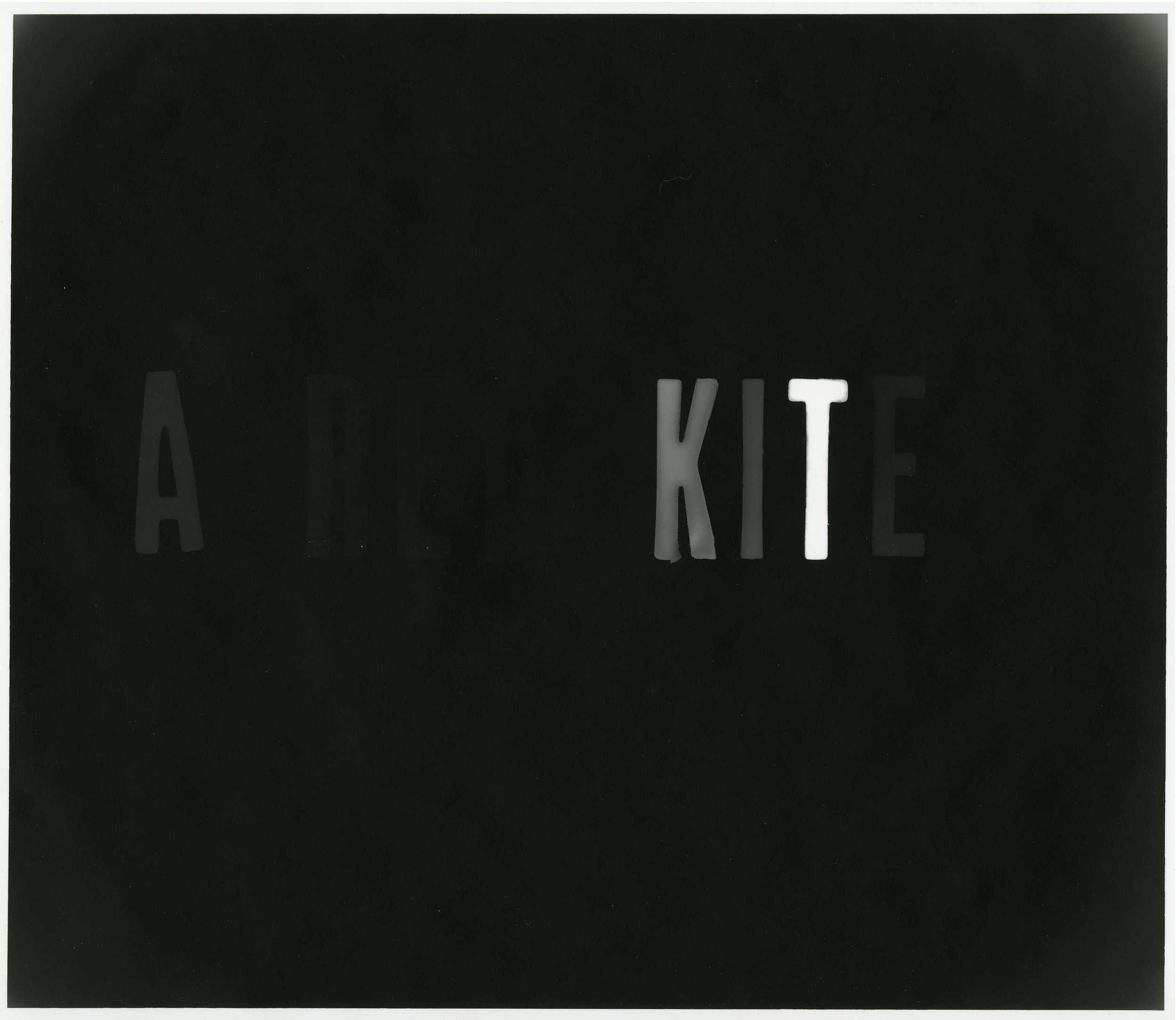

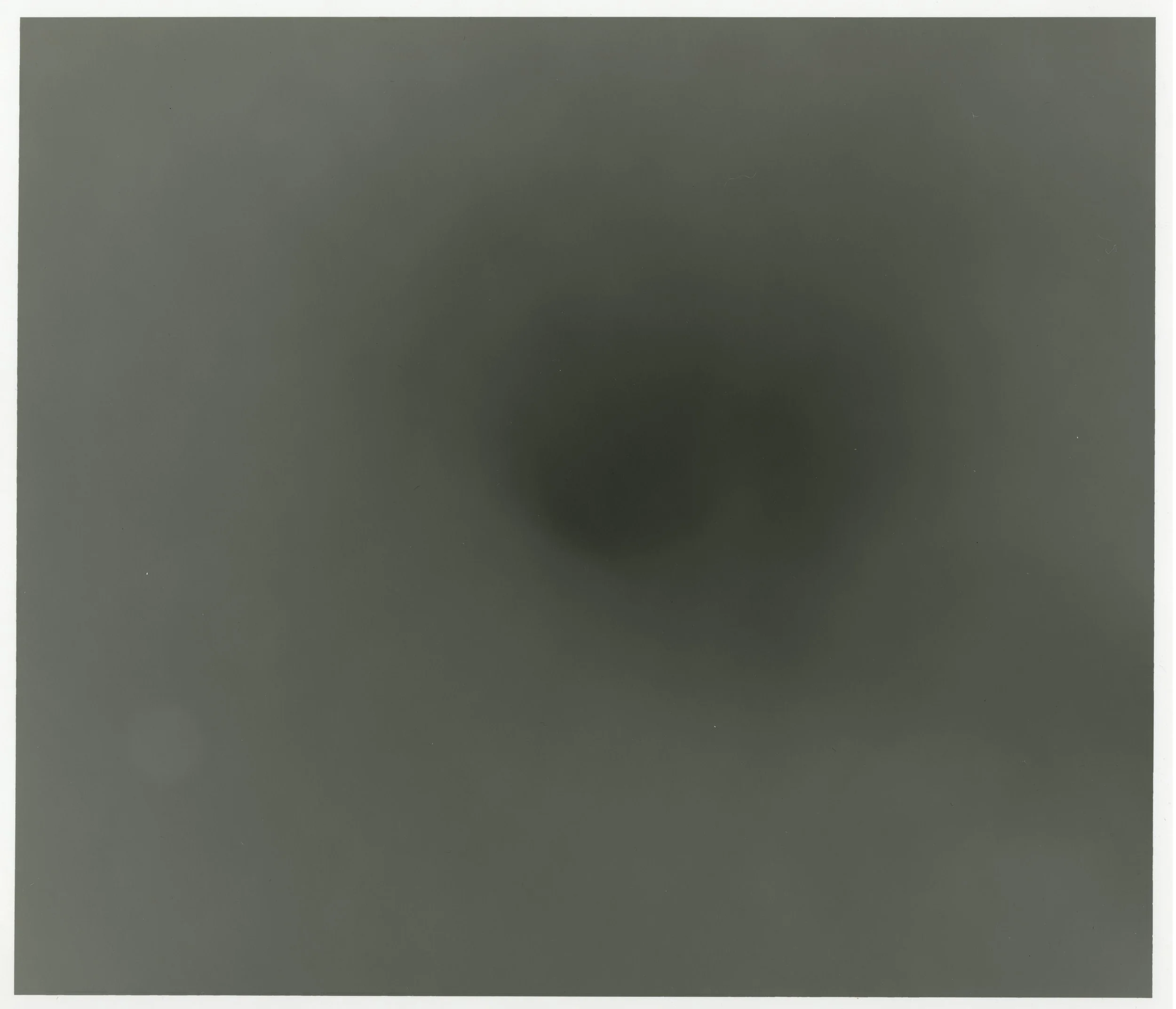
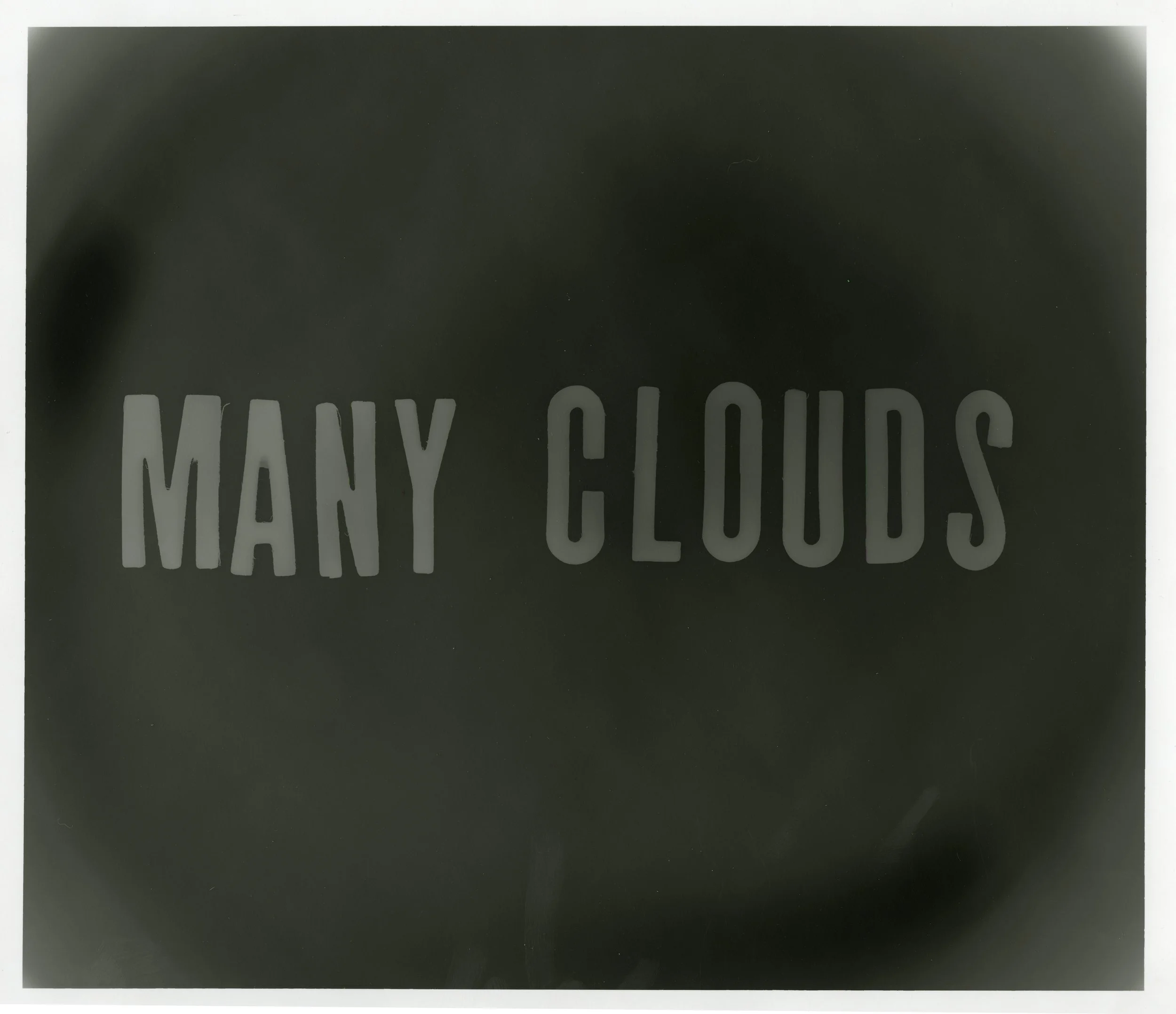
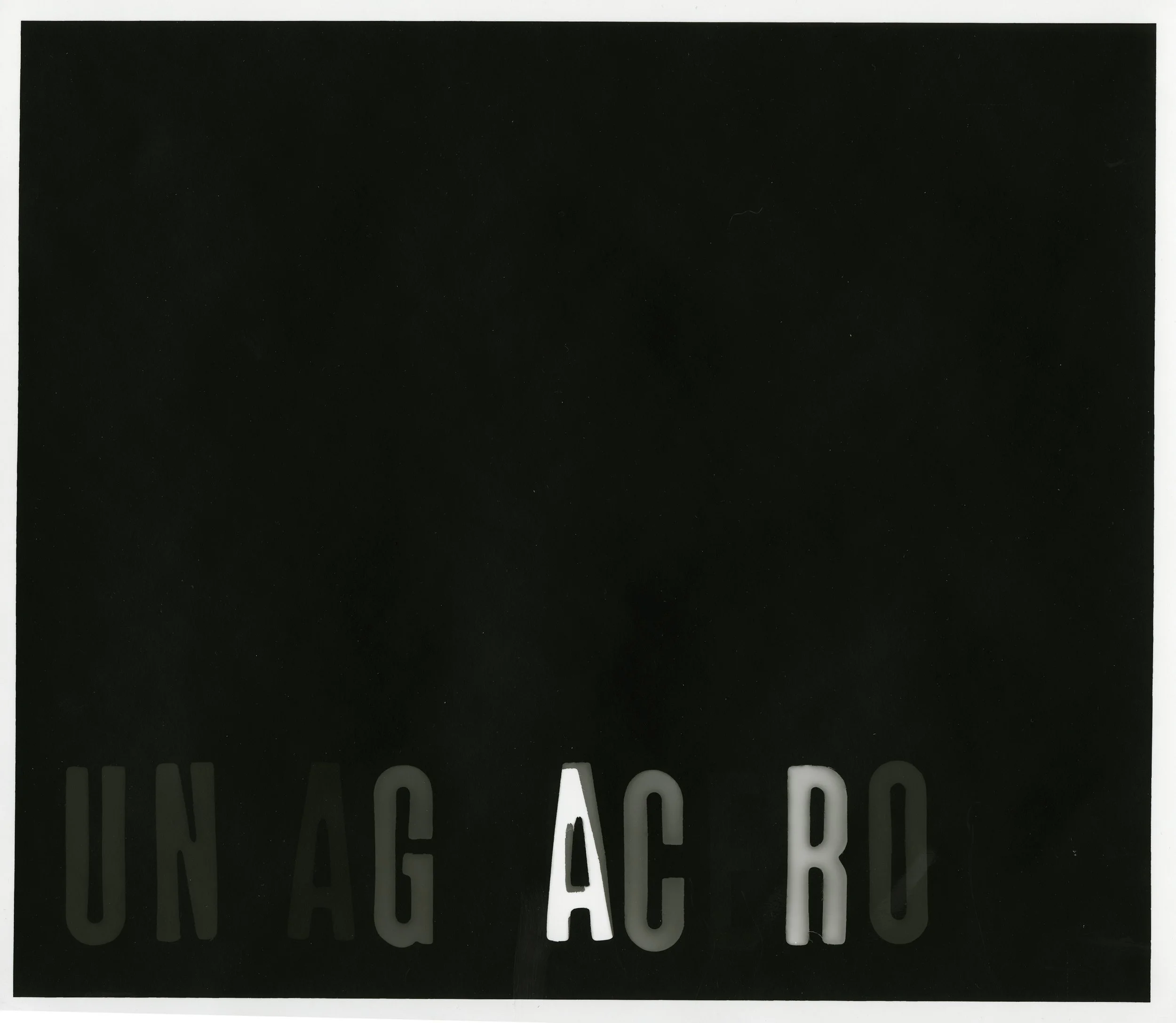
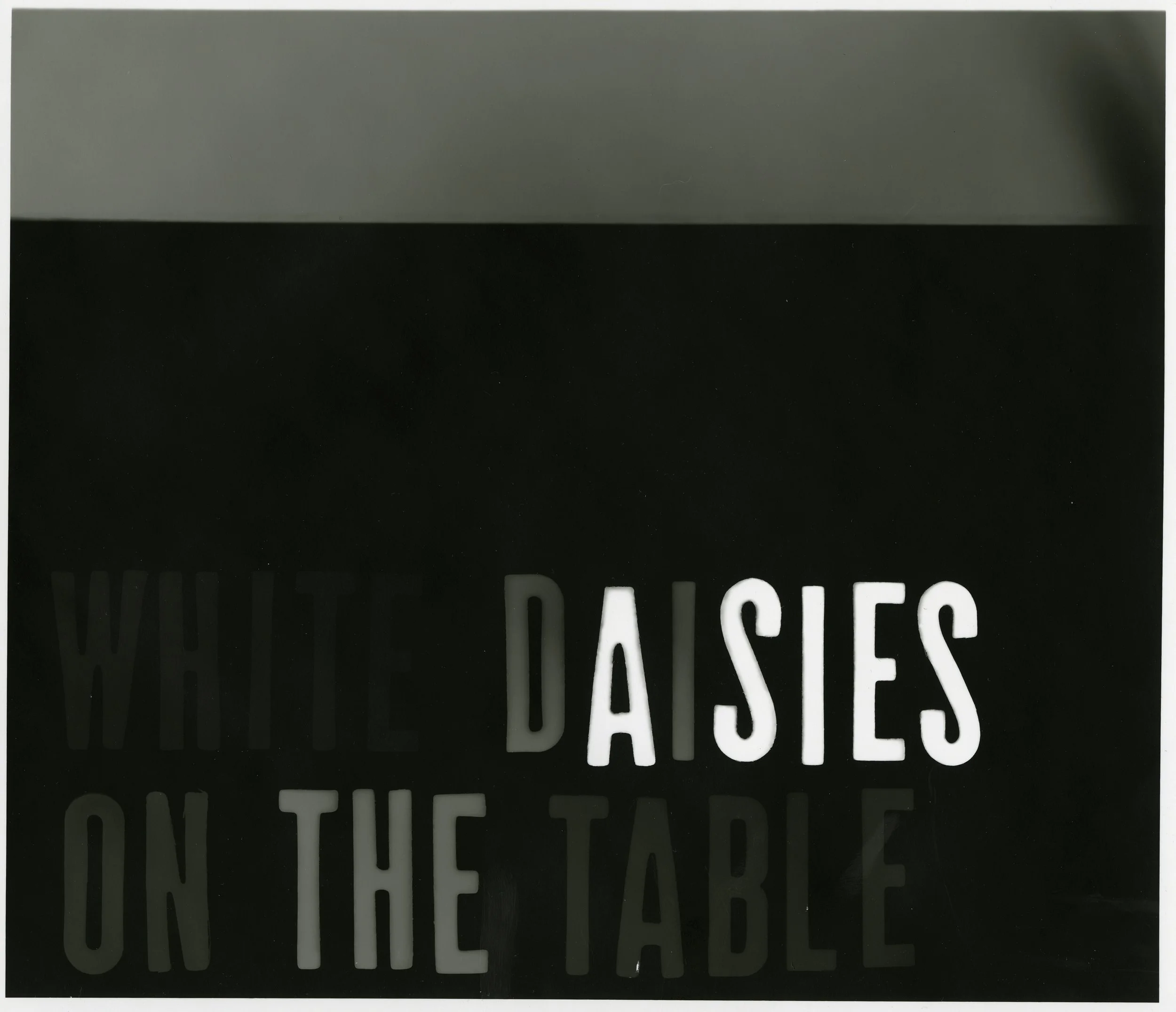
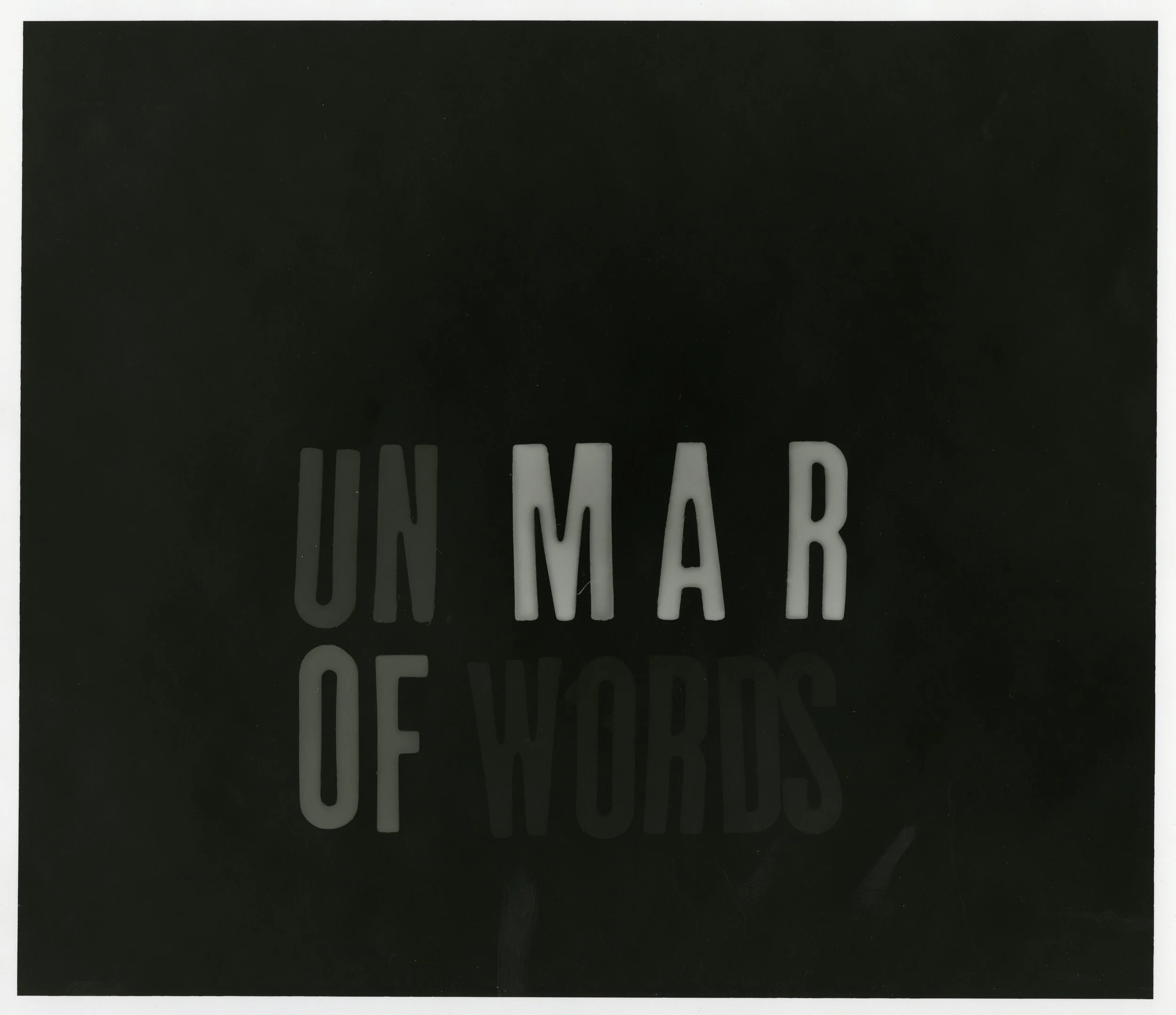
Photogram Poems
8 x 11 inches
2009 - 2010
***
Poemas en forma de fotogramas
20.3 x 27.9 cm
2009 - 2010


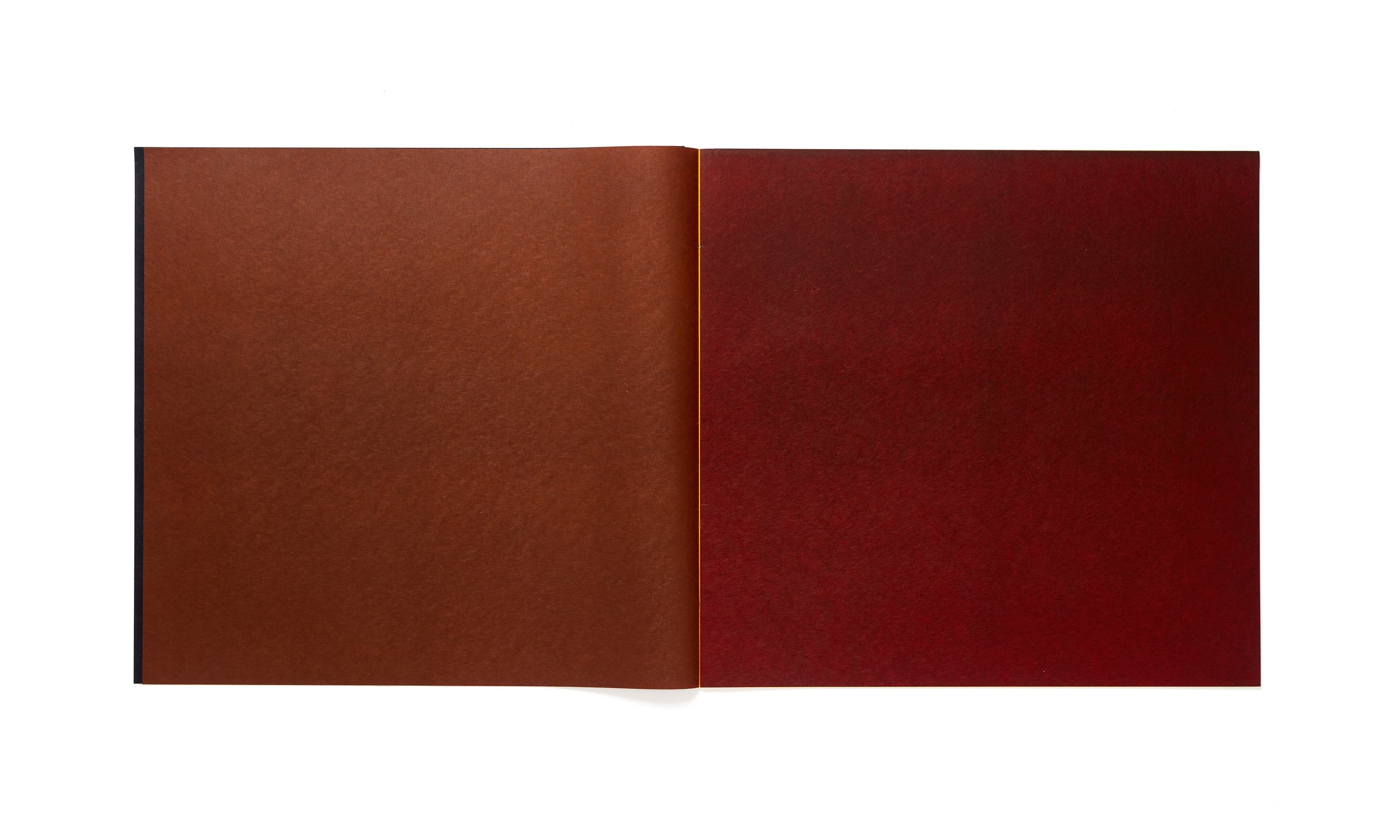
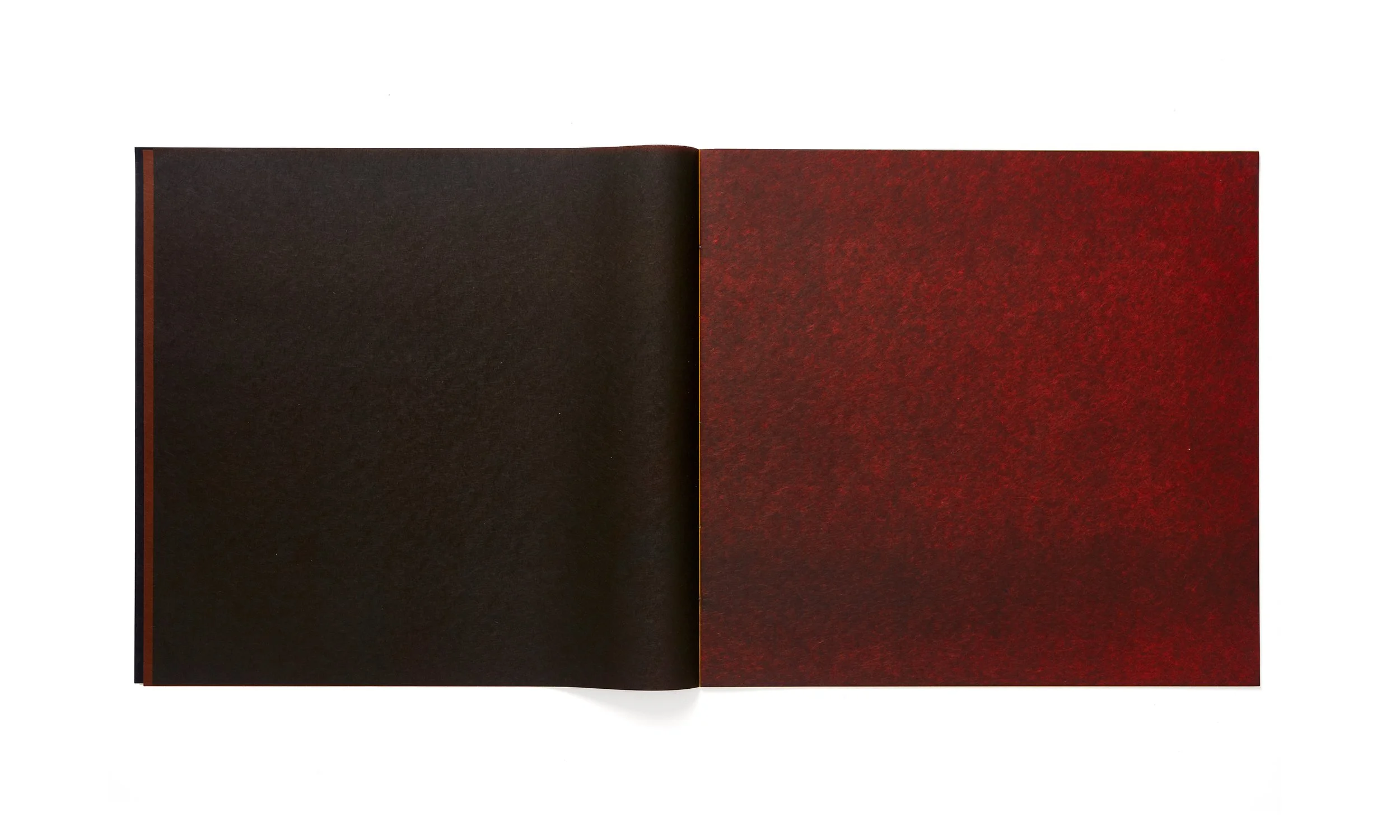
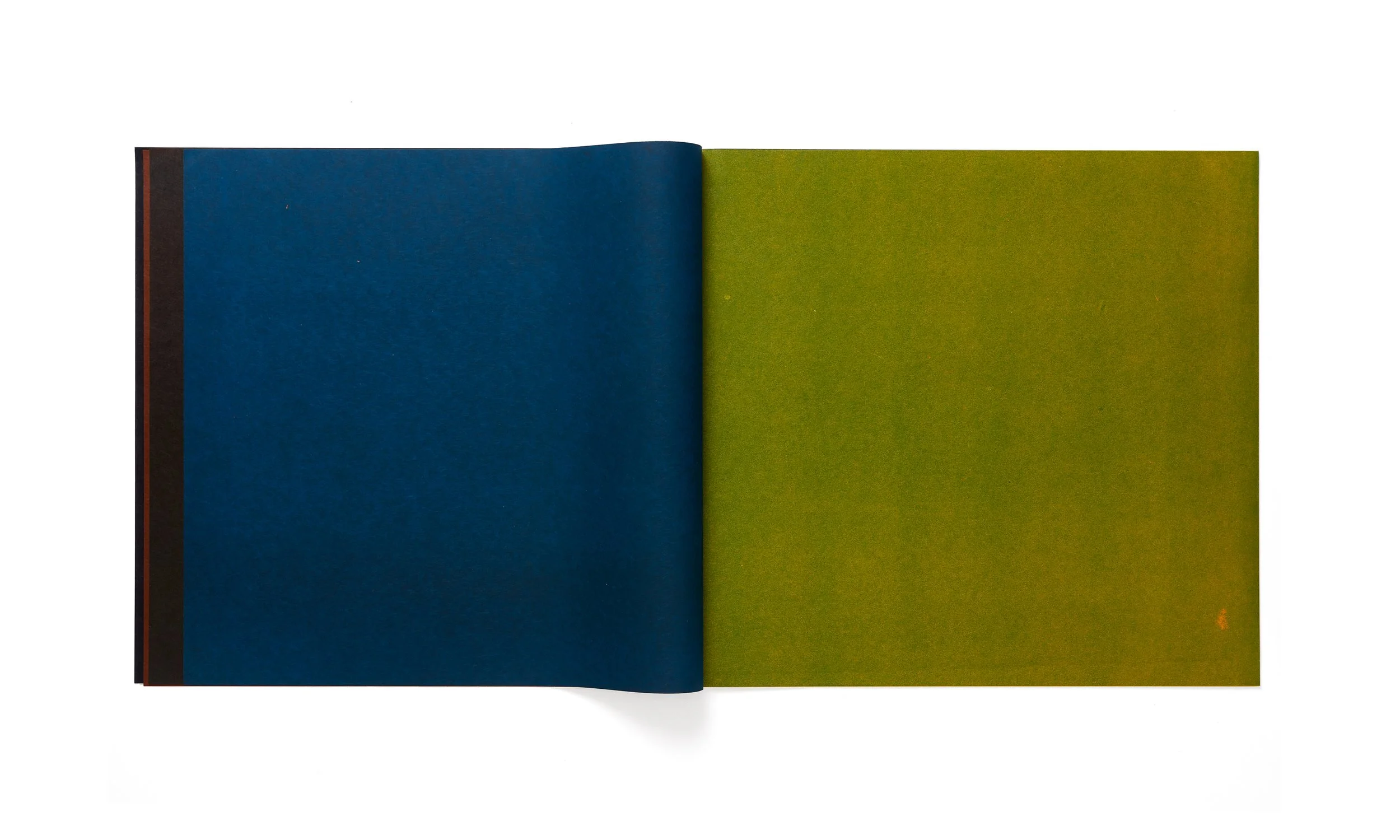
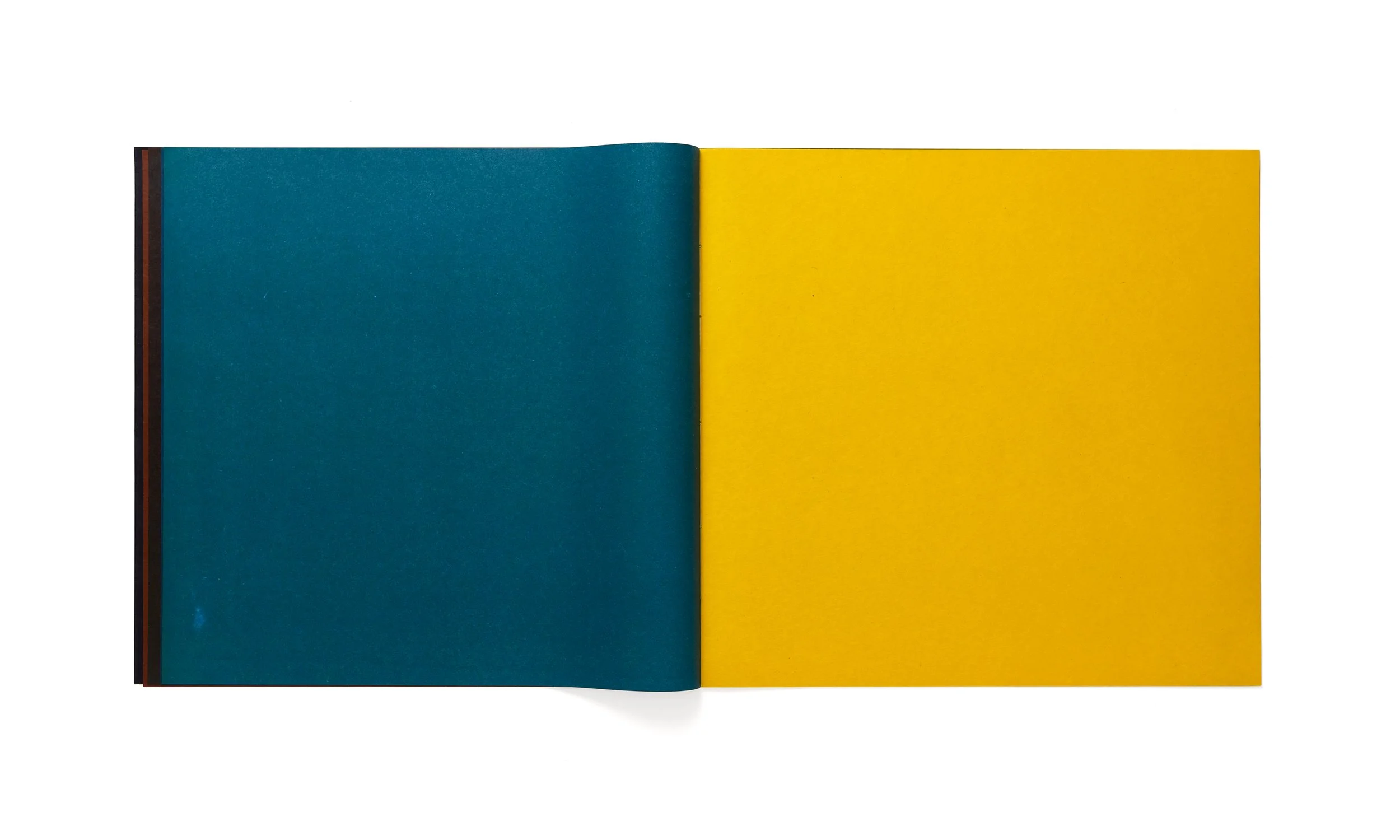

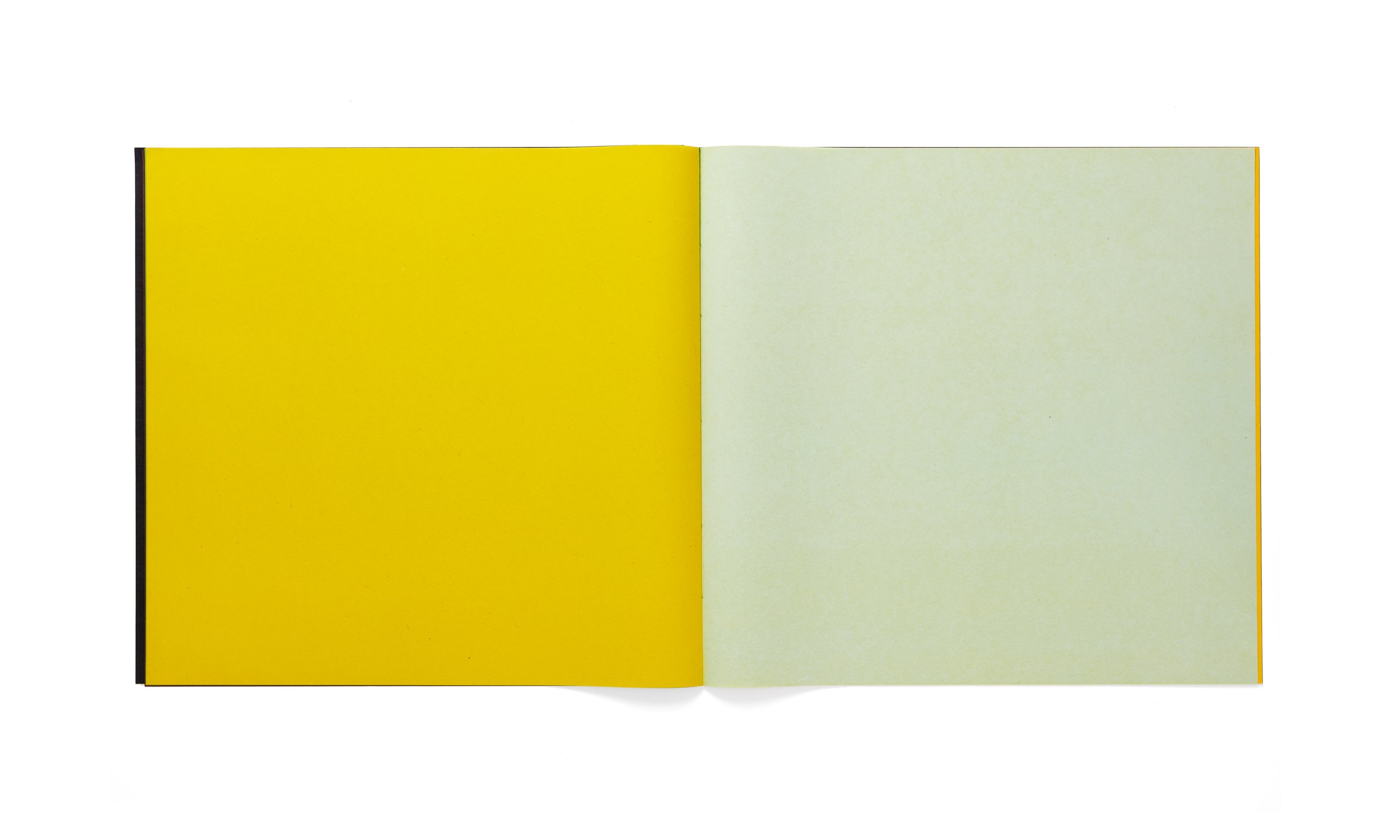

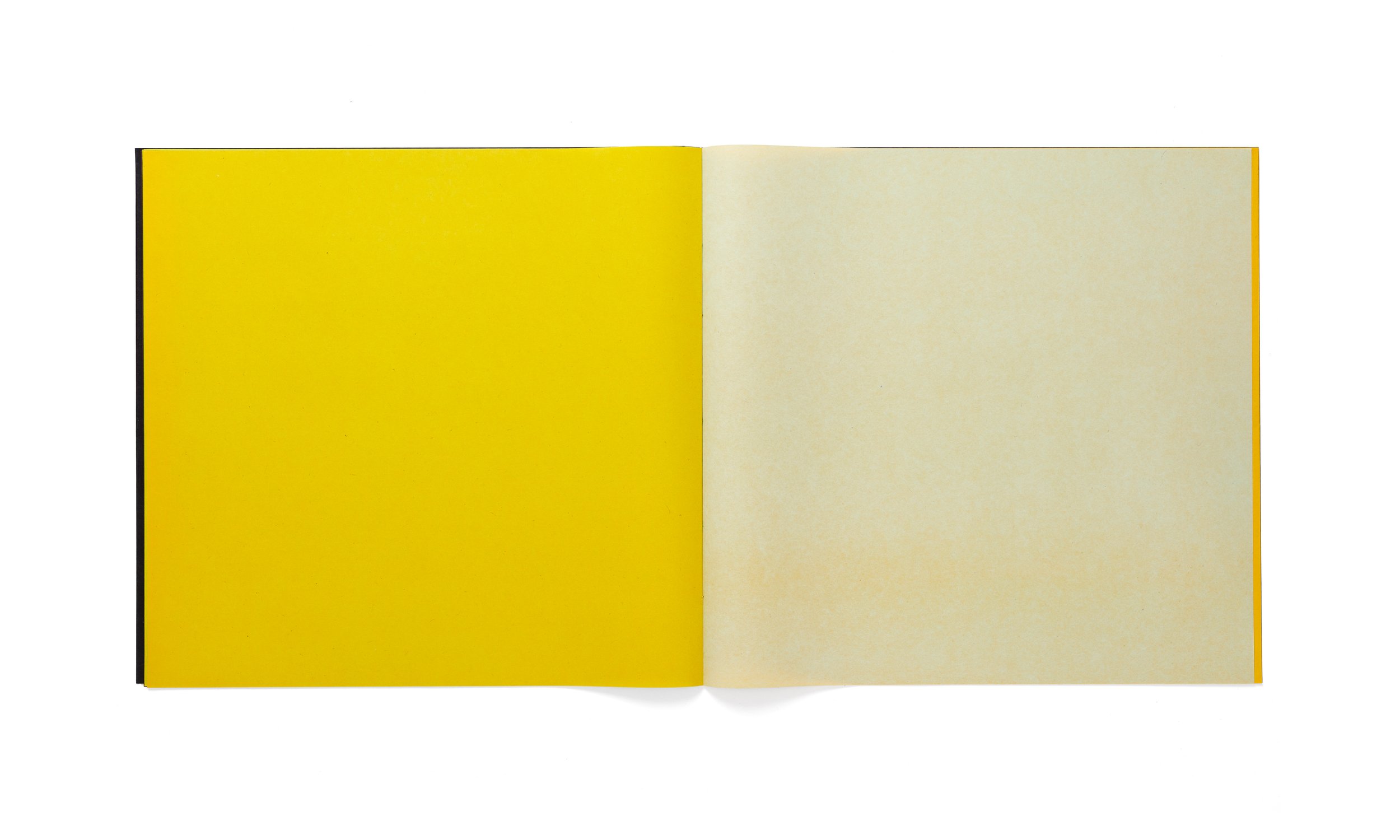


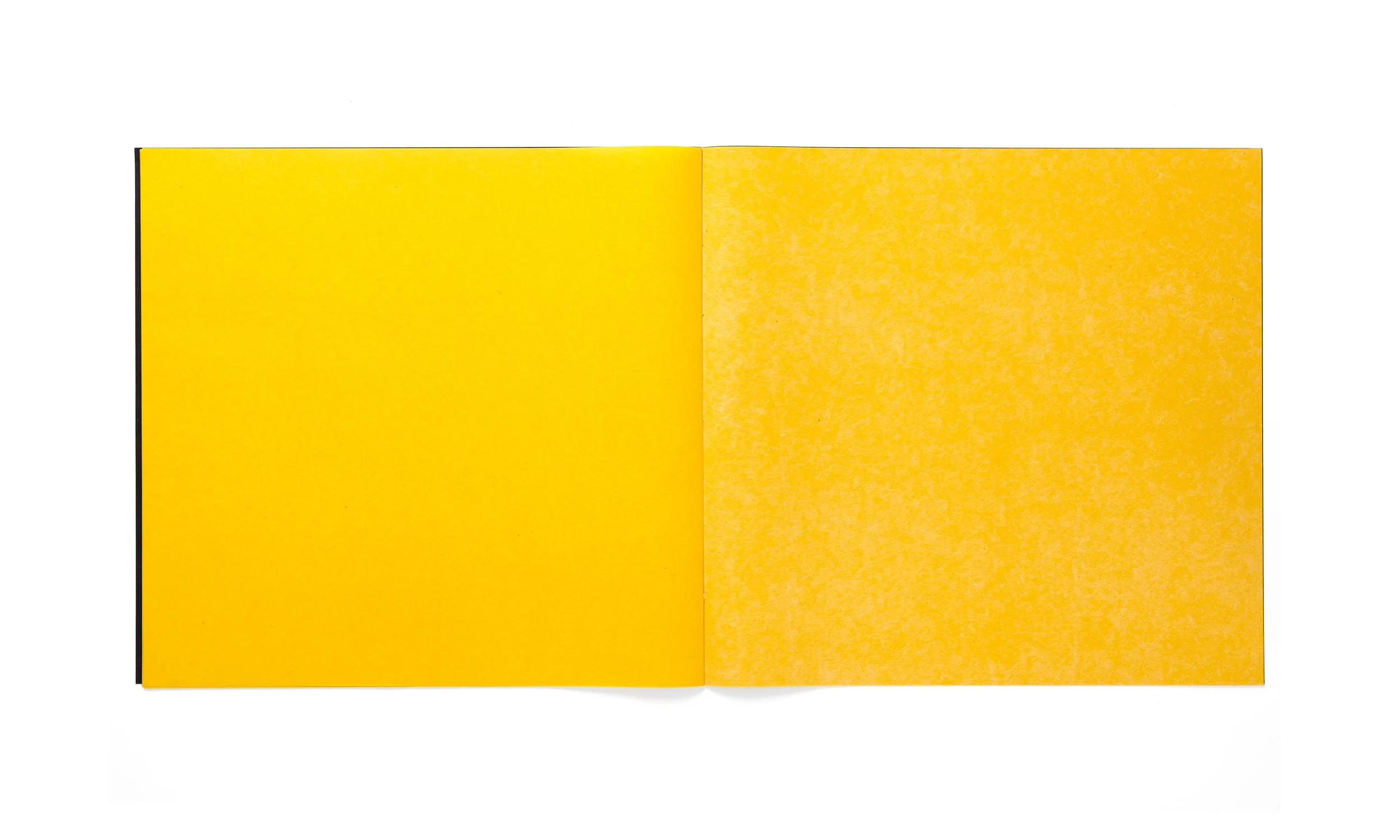

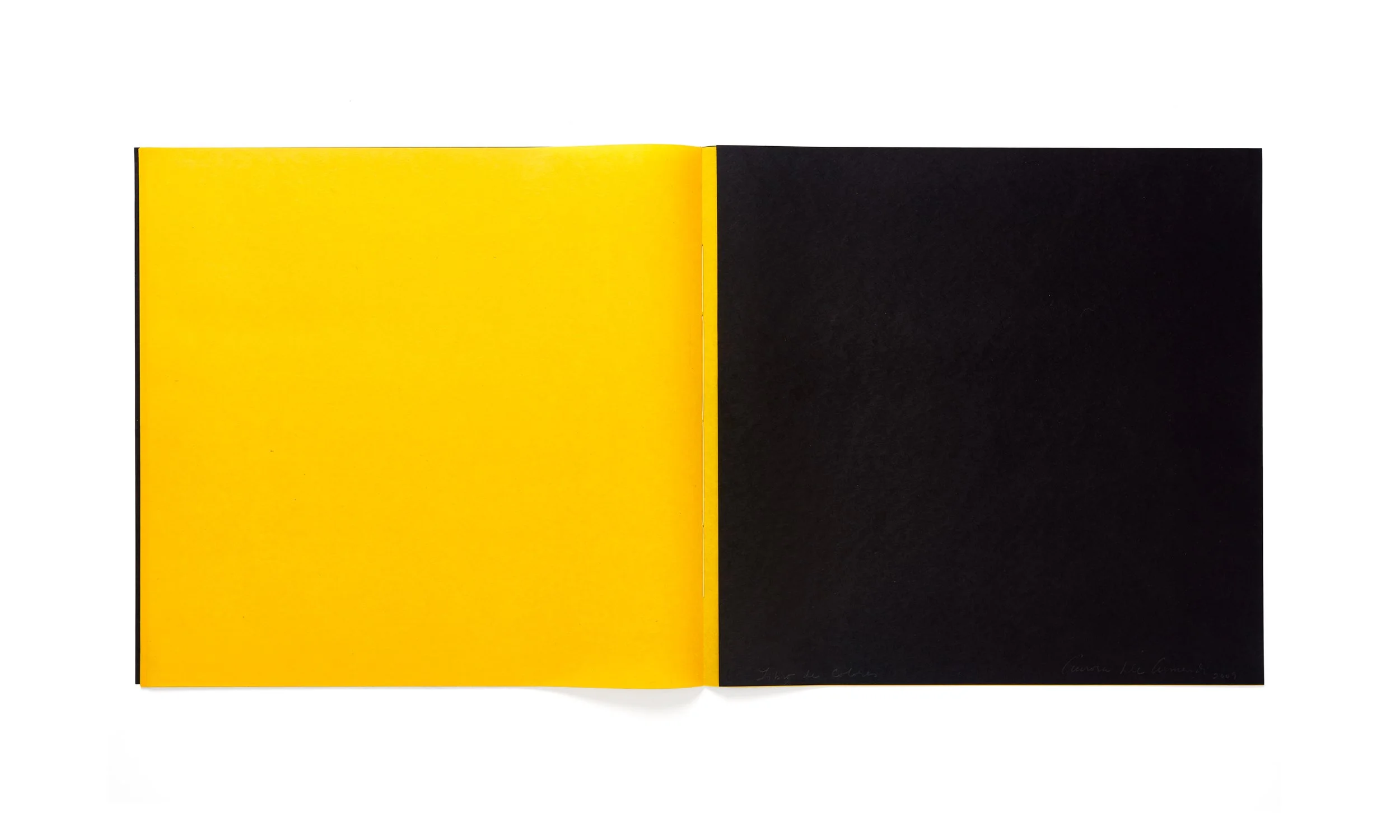

Libro de Colores I
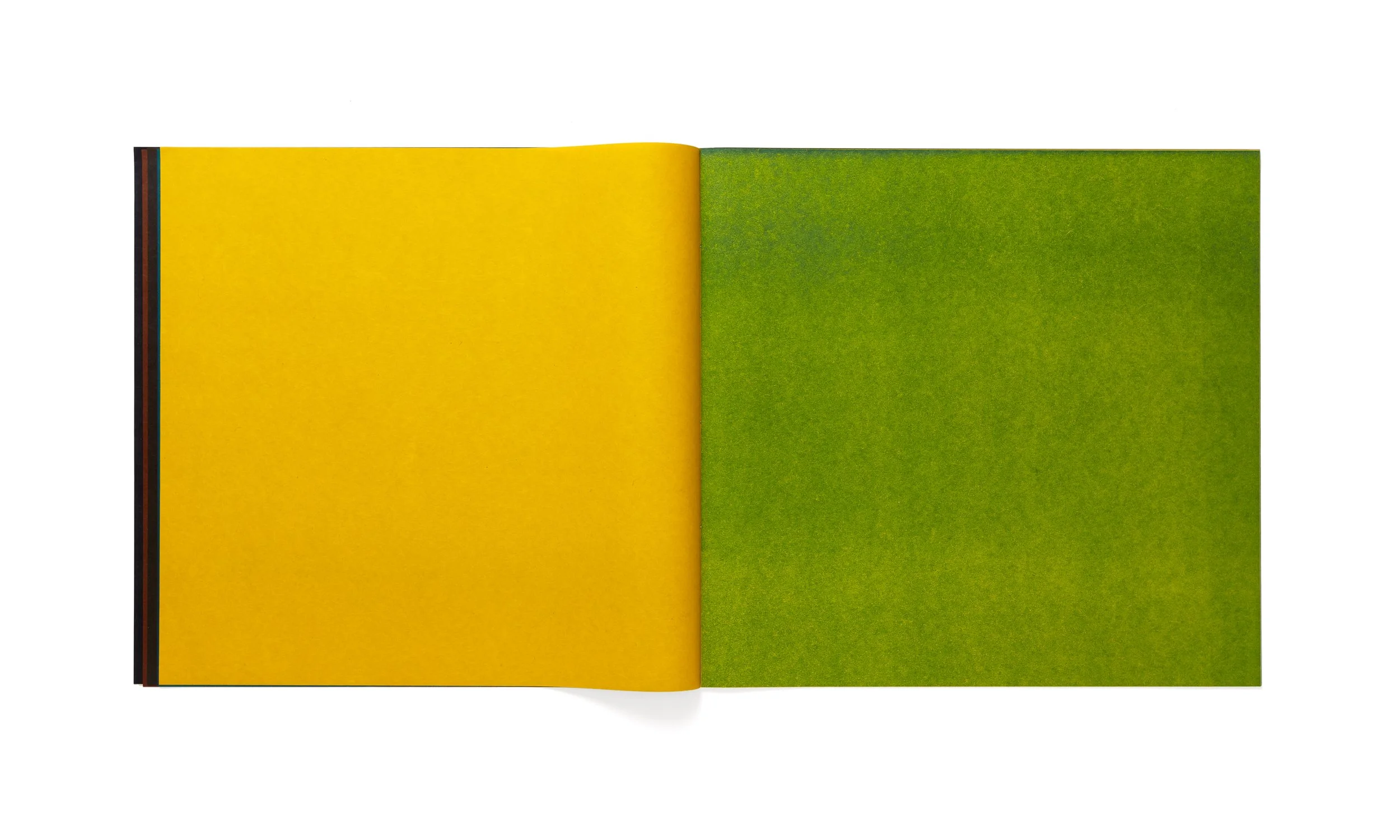
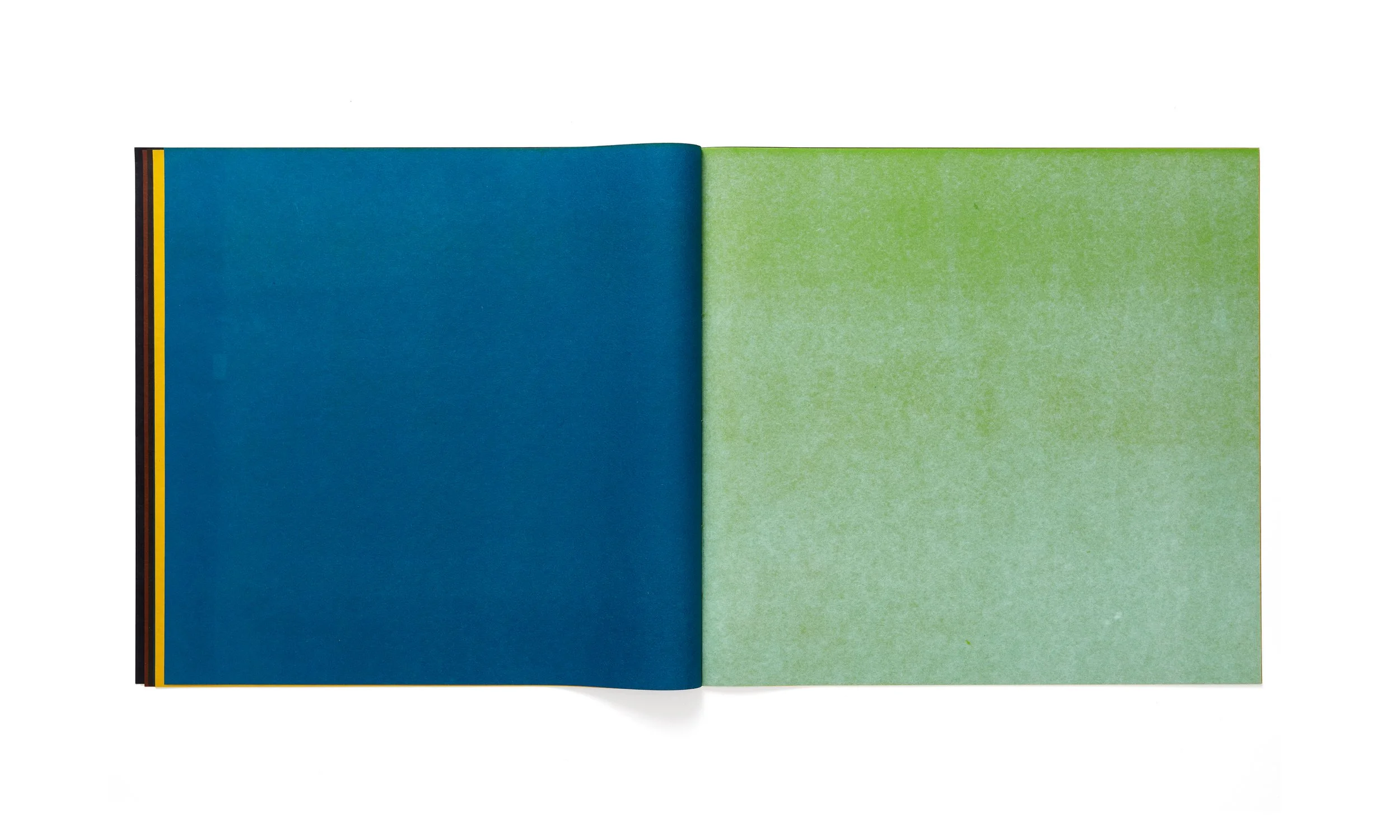
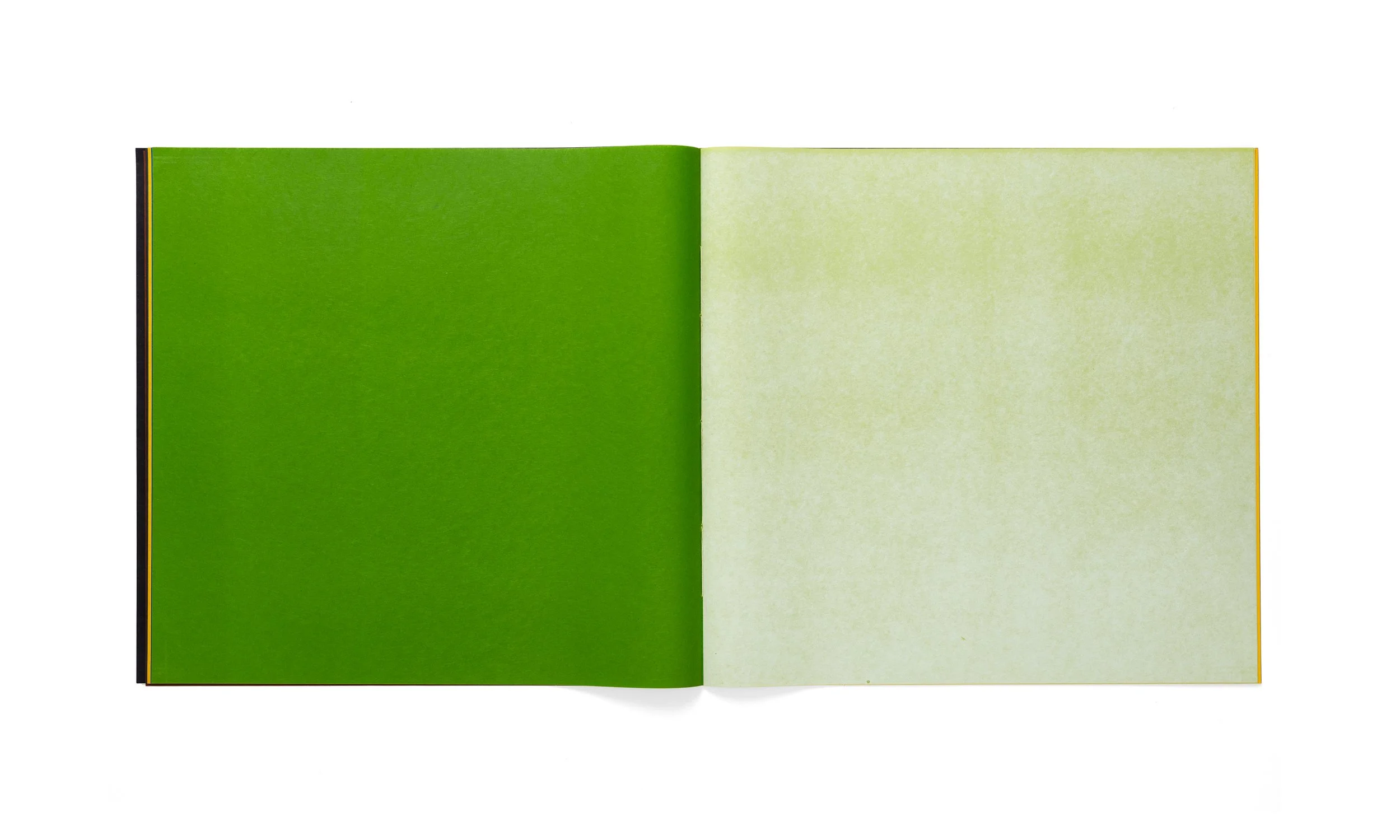
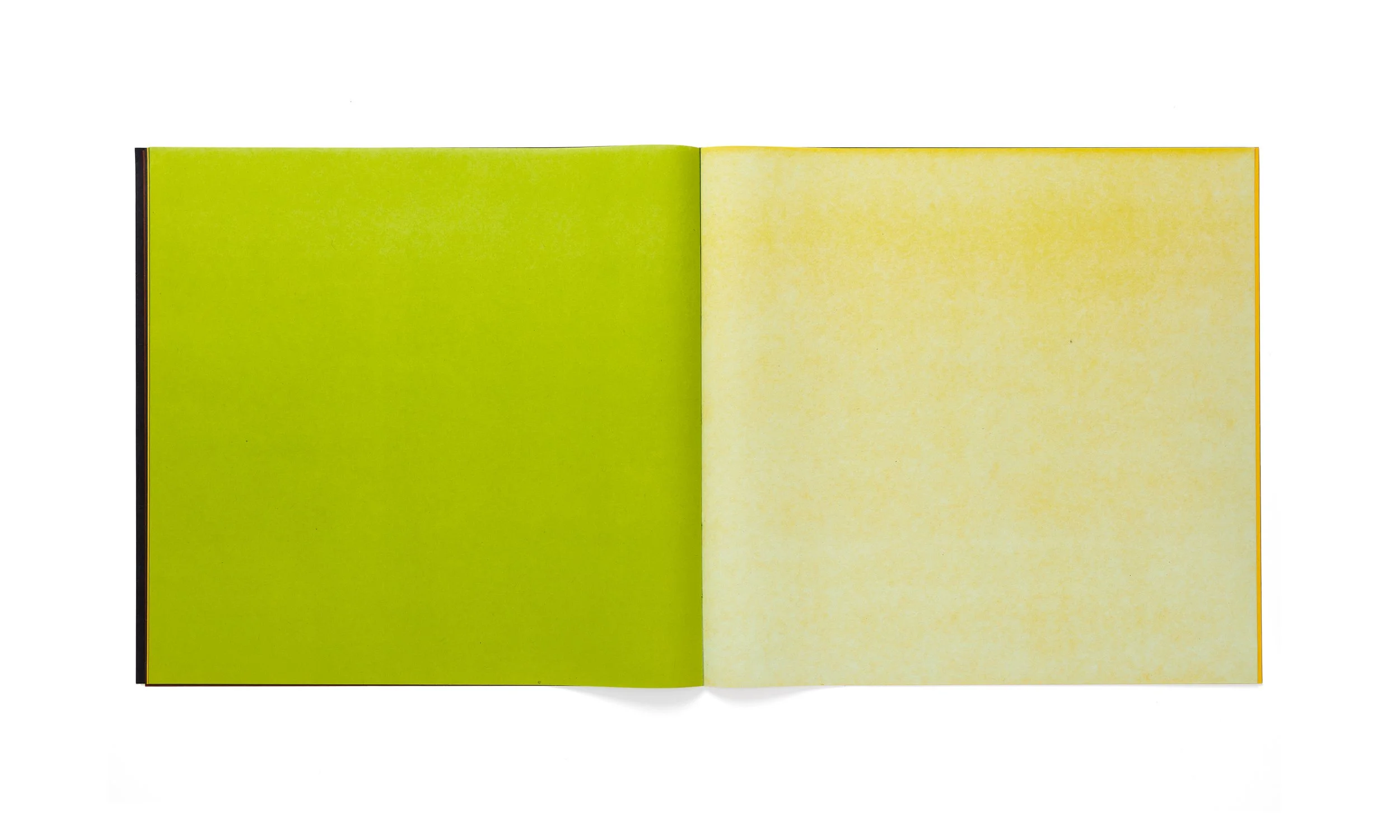
Bound Monotypes
Oil-based ink on Kitakata Paper
Closed Book: 14 x 14 inches
Open Book: 14 x 28 inches
Unique piece, 40 pages
2009
***
Monotipos encuadernados
Tintas a base de aceite sobre papel Kitakata
Libro cerrado: 35.56 x 35.56 cm
Libro abierto: 35.56 x 71.12 cm
Pieza única, 40 páginas
2009

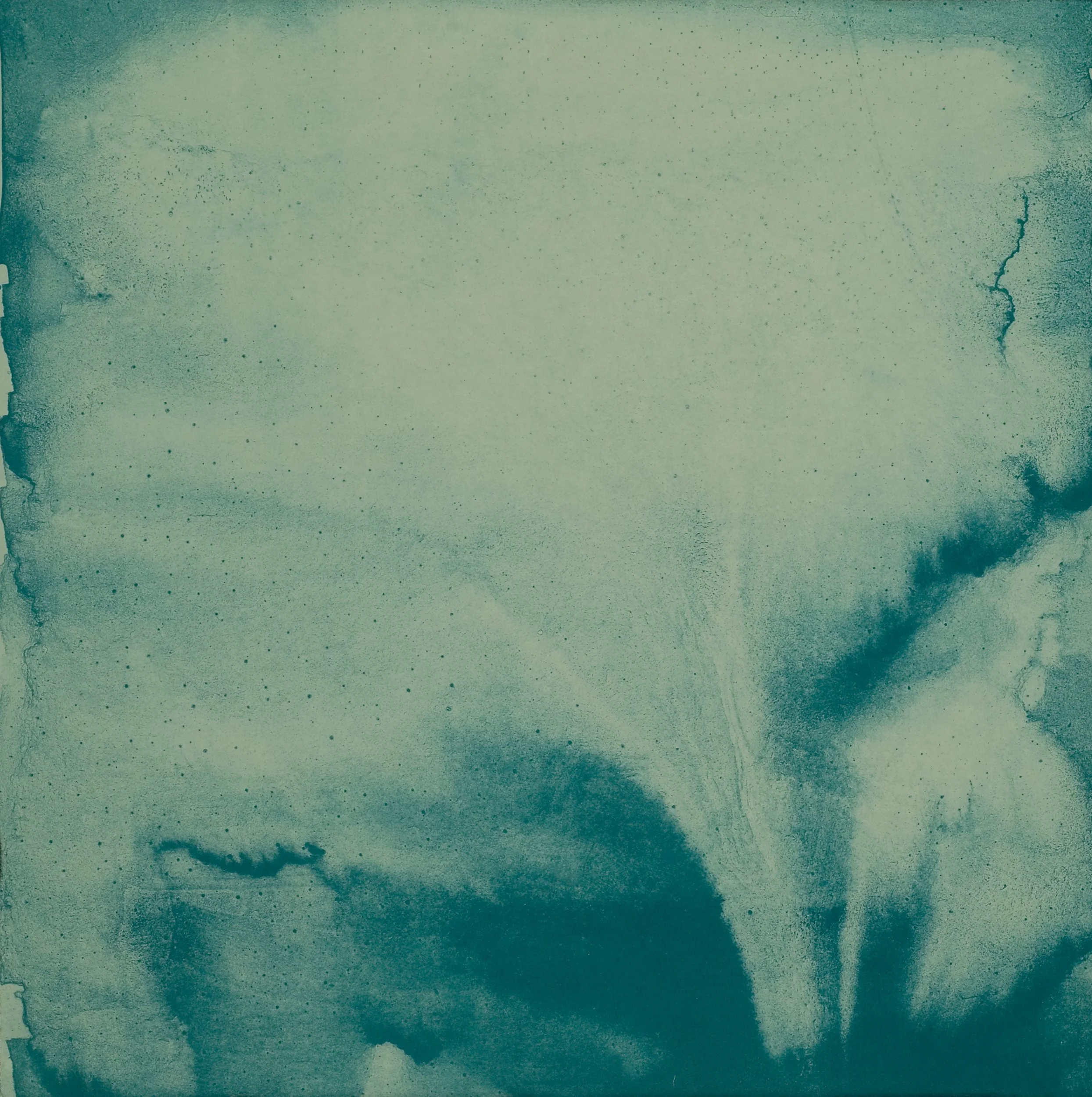
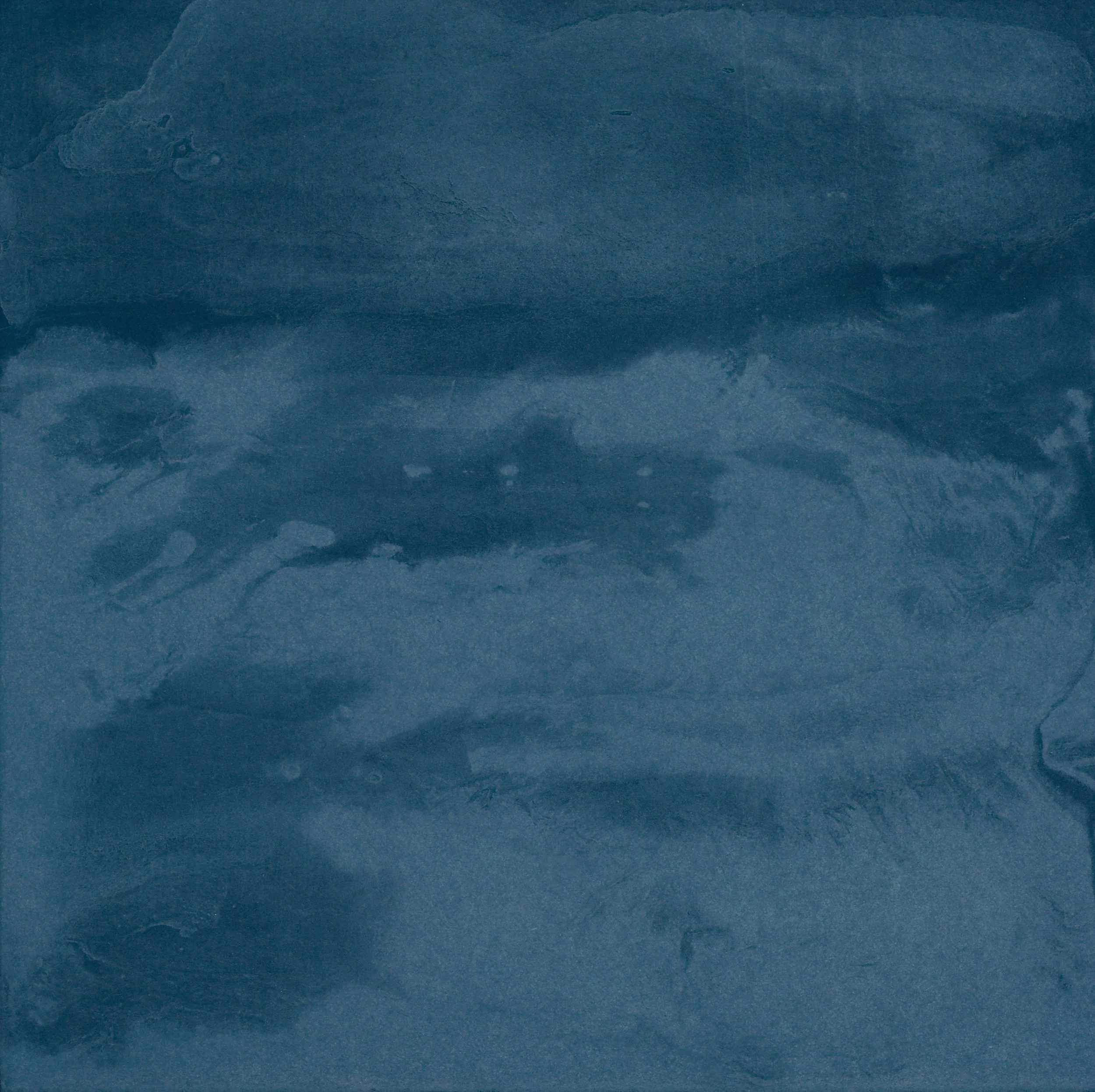
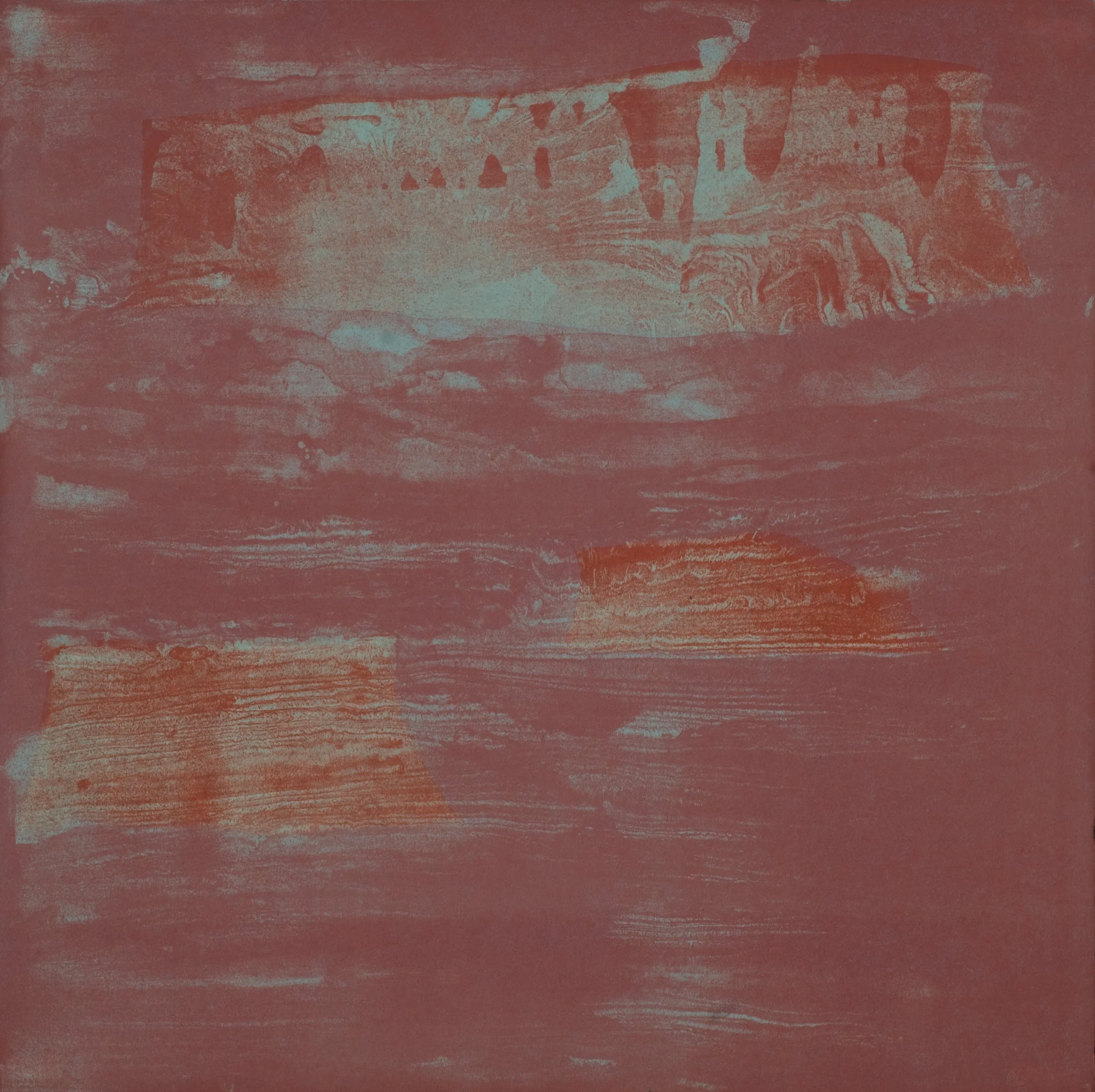
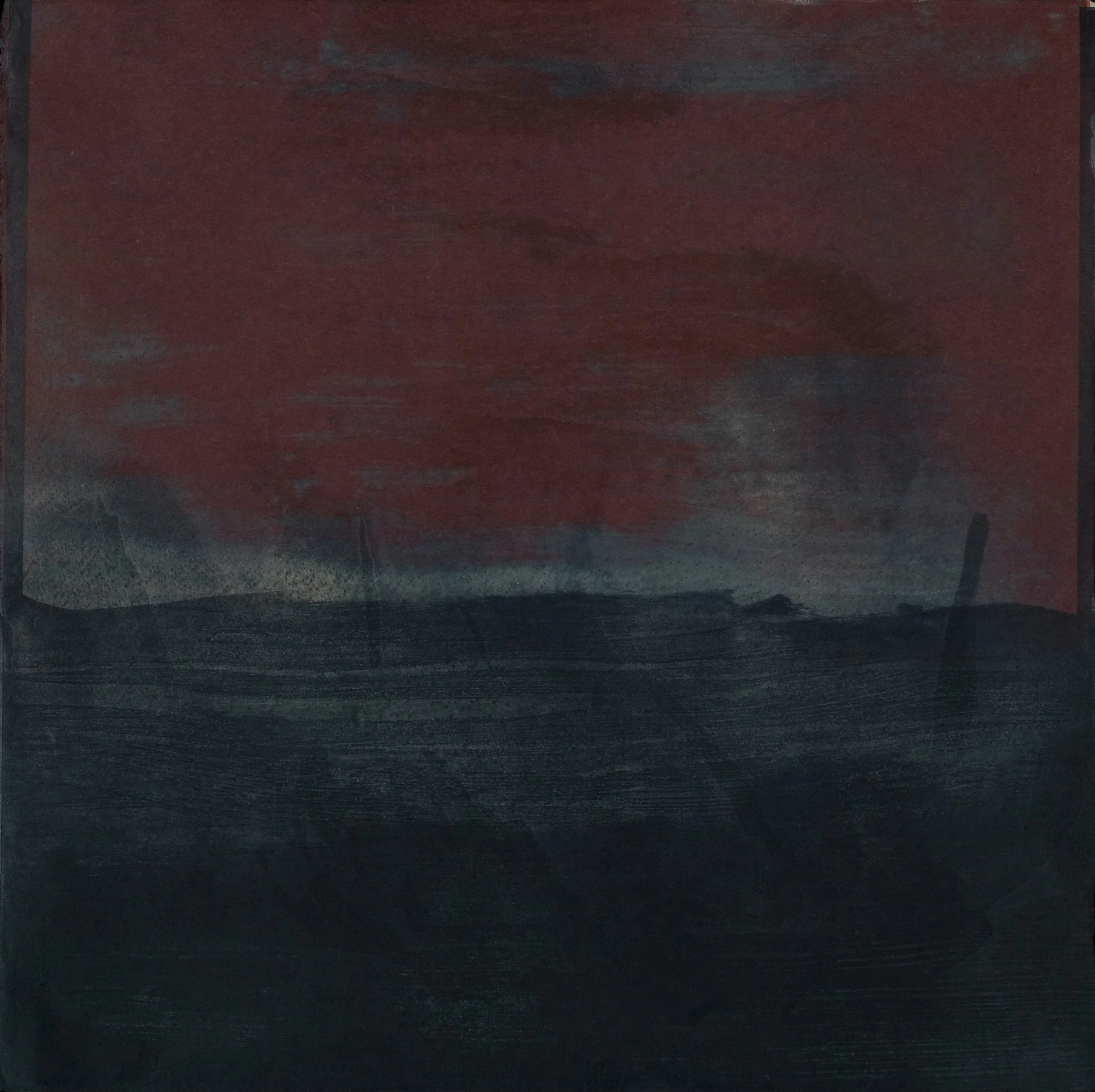
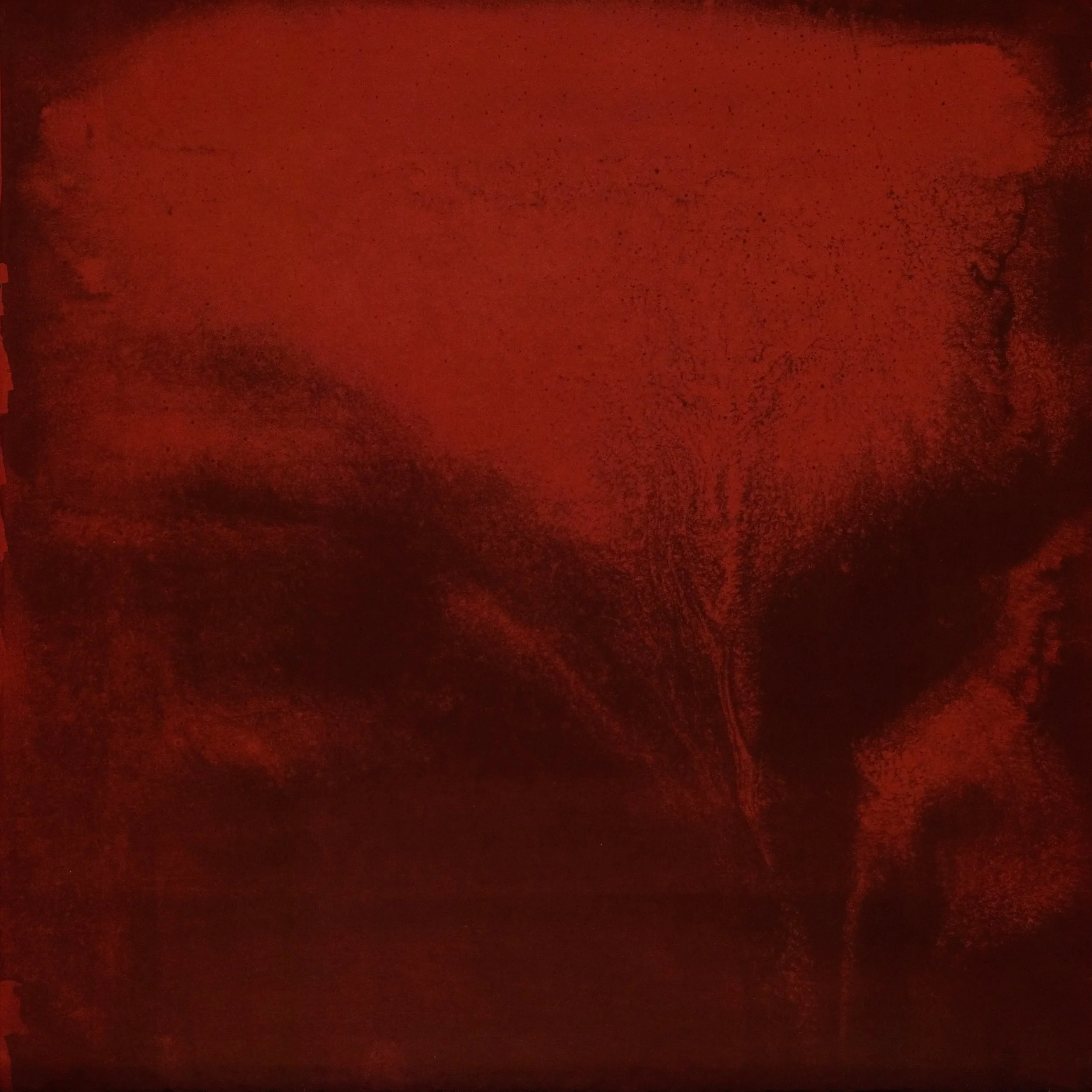
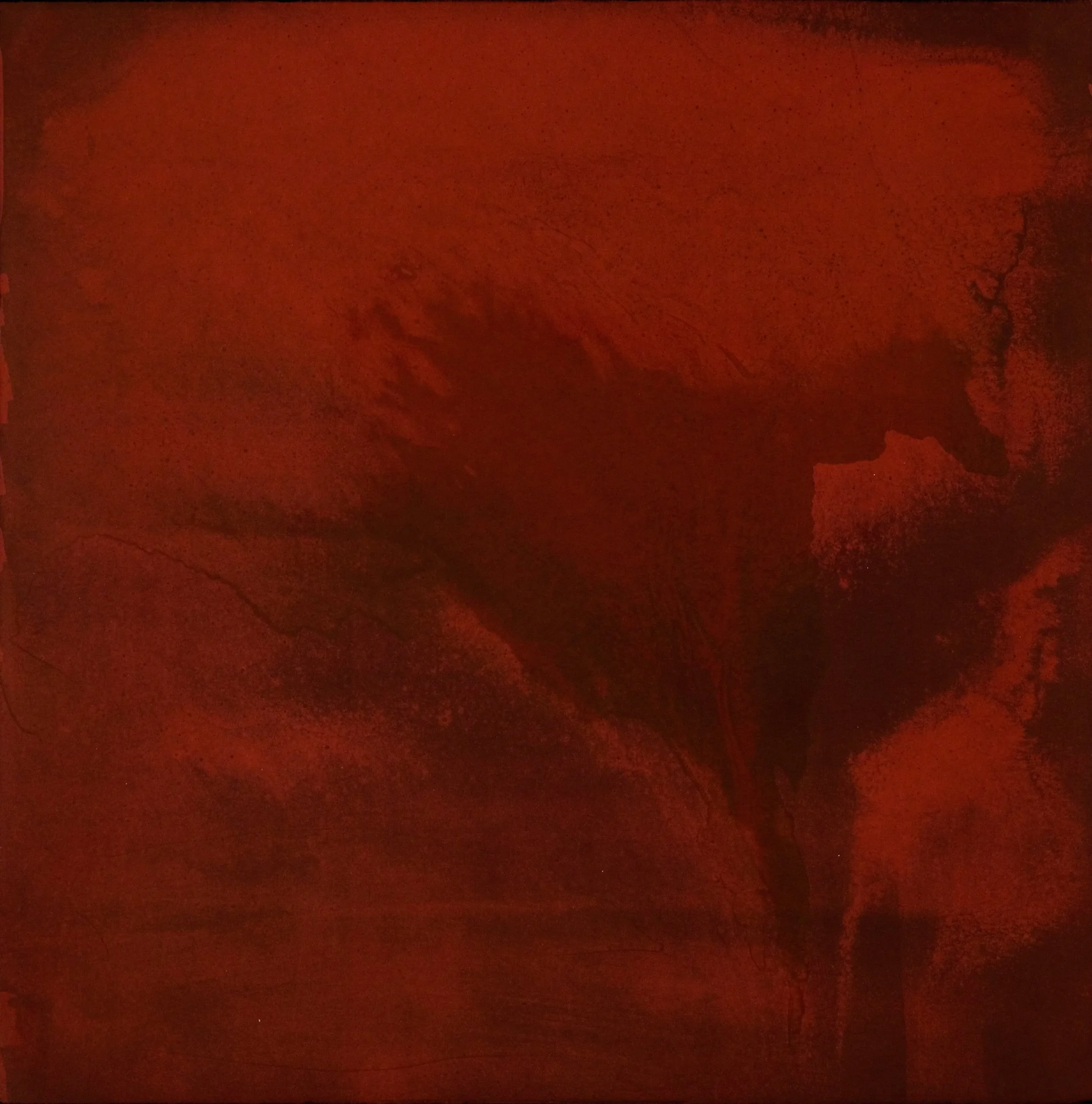
El mar en mi memoria
Lithographs, etchings, monotypes
17.50 x 17.50 inches
2007 - 2008
***
El mar en mi memoria
Litografía, grabado en metal, monotipos
44.45 x 44.45 cm
2007 - 2008
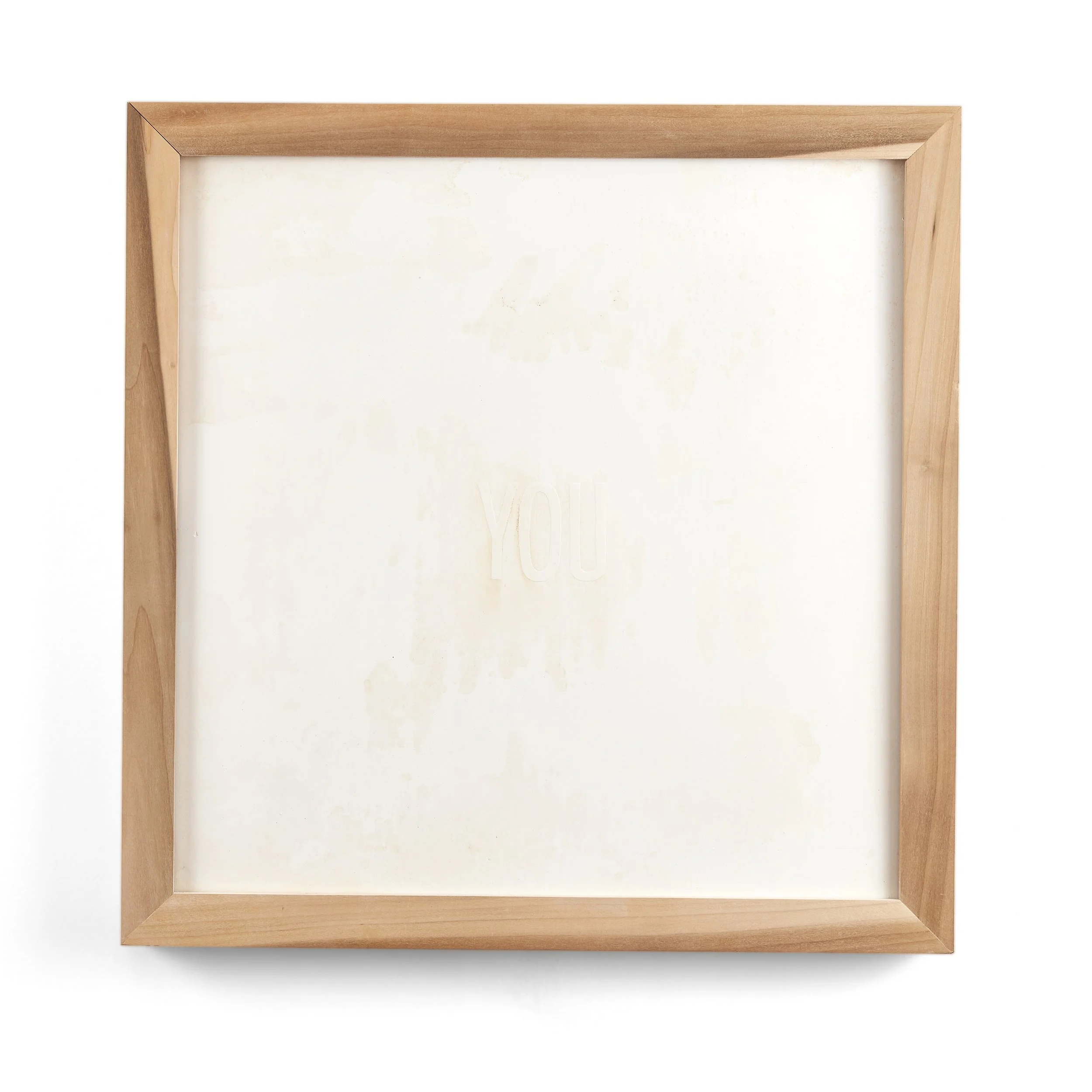
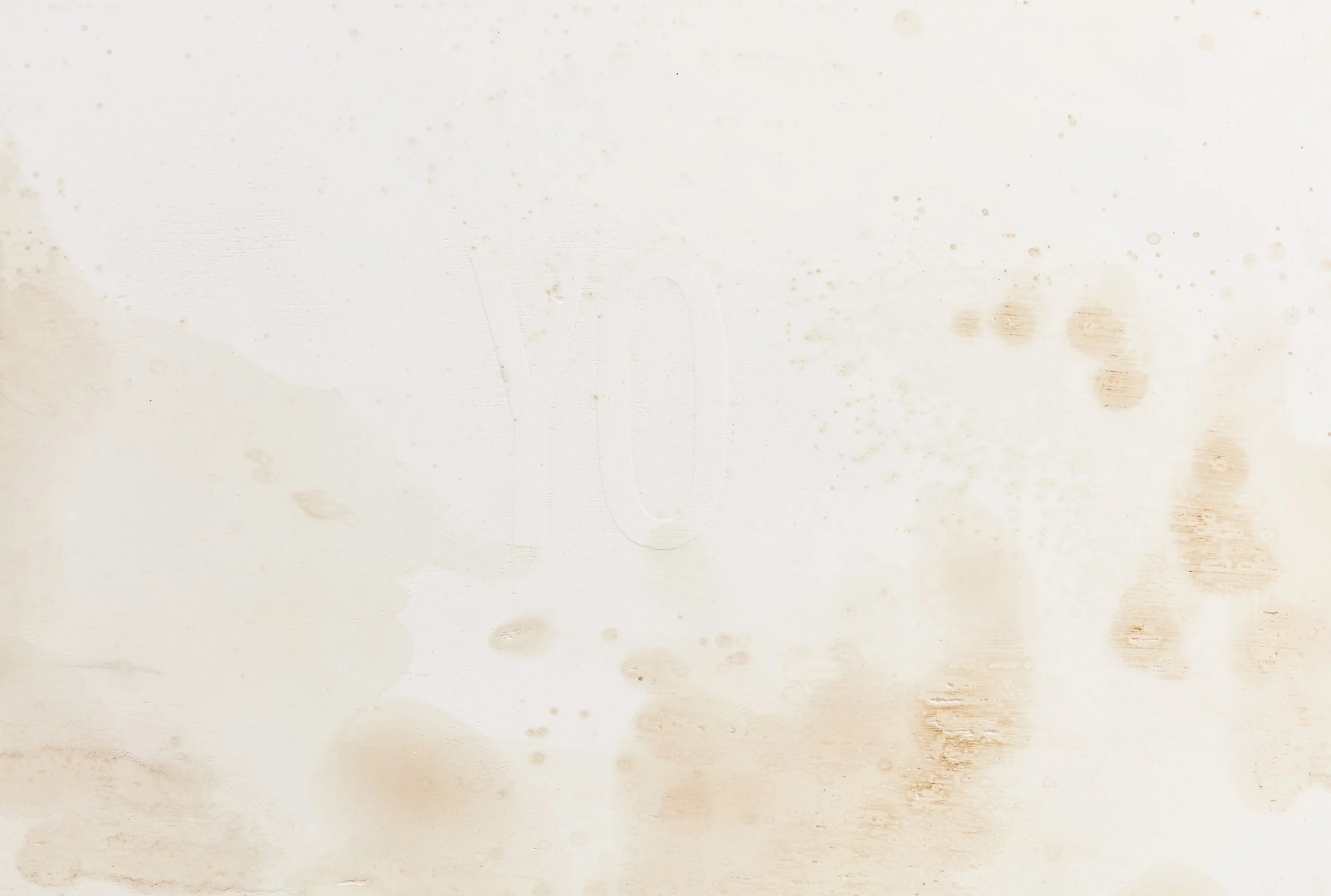
Yo / You
Plaster Intaglio Prints
22 x 22 inches
2007
***
Yo / You
Grabado en metal impreso en yeso
55.88 x 55.88 cm
2007
Islas en busca de puentes
Installation View, Drescher Gallery, Old Art Building, Iowa City, 2008
In the gallery space, nine prints were selected from the series El mar en mi memoria and installed in a grid form. The prints faced a large textile floor sculpture constructed from individual pieces of cotton muslin and burlap which was flanked on either side by two plaster intaglio prints reading Yo and You.
Since 1959, Cuban exiles have been leaving their country for political and economic reasons, doing so almost entirely by sea: Camarioca (1960), The Mariel Boatlift (1980) and the Balseros Crisis (1994). In 1994, 30,000 Cubans left in makeshift rafts. The sea at the time was the only way off the island toward an imagined reality in a host country. This installation explores this condition of contradiction, fragmentation and the possibilities of living and remaining in a liminal space.
***
Islas en busca de puentes
Instalación, Galería Drescher, Antigua Escuela de Arte, Iowa City, 2008
En la galería, nueve grabados fueron seleccionados de la serie El mar en mi memoria y mostrados en un formato cuadricular. En el piso, frente a la pared donde estaban los grabados, instalé una escultura hecha de saco y retazos de tela de algodón. A cada lado de esta pieza dos grabados impresos en yeso, Yo y You permanecían.
Desde el 1959, los Cubanos exiliados que han emigrado por cuestiones políticas o económicas lo han hecho mayormente a través del mar, como por ejemplo ocurrió durante el evento en Camarioca (1960), El éxodo del Mariel (1980) y durante la Crisis de los balseros (1994) donde salieron 30,000 Cubanos en balsas improvisadas. Salir y cruzar el mar Caribe ha sido una de las formas de escapar la isla y de imaginar un contexto nuevo en otro país anfitrión. Esta instalación explora la condición de contradicciones, fragmentación y las posibilidades de vivir y mantenerse en un espacio liminal inevitable.